The Hook: Soil, Salt, and Summer Mist
I crouched on a damp carpet of Sitka spruce needles, the chill of 6:00 AM Pacific air seeping straight through my waxed canvas pants. My guide, a second-generation indigenous botanist named Cedar, gestured to a patch of iridescent green moss near a rotting cedar log.
"Don't look with your eyes," she whispered, handing me an etched brass blade. "Look with your sense of humidity. Where the log holds moisture, the mycelium speaks."
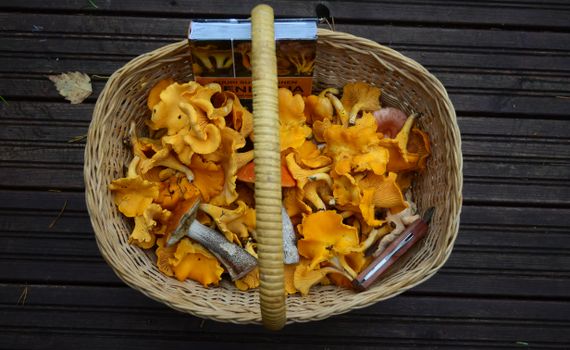
I parted the fronds. There, glowing like spun gold under the low morning light, sat a pristine cluster of Pacific Golden Chanterelles (Cantharellus formosus). As I gently sliced the stem at a forty-five-degree angle—leaving the underground network intact—the ambient fragrance hit me: ripe apricots, moist granite, and electric summer rain.
That single bite, sautéed two hours later over a crackling alder wood fire with sea salt harvested from the nearby surf, ruined grocery store produce for me forever.
Travelers are tired of sterile, air-conditioned dining rooms and pre-packaged city tours. Summer is ushering in a quiet rebellion: hyper-local, regenerative foraging guided by native experts who know every square inch of their regional terroir. Here are the five definitive, trend-setting wild harvesting experiences taking over the globe this season.
---
1. Dingle Peninsula, Ireland: Atlantic Sea Vegetable Hunting
The Coastal Bounty of the Wild Atlantic Way
Forget basic kelp. Along the jagged, tide-swept rocks of Co. Kerry, local coastal ecologist and herbalist Marie Power (known locally as The Sea Gardener) leads small groups into the intertidal zones of Slea Head. Summer brings spring tides that reveal rare, nutrient-dense sea vegetables hiding in plain sight.
You won't just walk along the sand; you will wade through rock pools wearing neoprene boots, learning to harvest Pepper Dulse (Osmundea pinnatifida)—often called the "truffle of the sea" for its explosive, savory-spicy flavor profile—alongside Sea Lettuce (Ulva lactuca) and Velvet Horns (Codium fragile).
```
+------------------+-----------------------------------------------------------+
| COST | €85 - €120 per person (includes wild sea-snack tasting) |
| BEST TIME TO VISIT| June through August (during full-moon low tides) |
| LOGISTICS | Fly into Kerry Airport (KIR); rent a car and head 50 min |
| | west along the N86 toward Dingle Town. |
+------------------+-----------------------------------------------------------+
```
- Insider Pro-Tip: Park near the old slipway at Ballydavid Pier precisely 45 minutes before dead low tide. The best Pepper Dulse grows exclusively on the seaward face of the black shale rocks exposed for only ninety minutes per tide cycle. Bring a pair of blunt-nosed stainless steel kitchen shears—never pull seaweed off the rock by its holdfast, or it won't regrow.
---
2. Piedmont, Italy: Summer Black Truffle & Hillside Botanical Treks
Hunting "Black Gold" in the Foggy Forests of Alba
While autumn gets all the press for the legendary White Truffle, autumn crowds also bring sky-high prices and gridlocked rural roads. Smart travelers head to the rolling oak forests of Langhe and Roero in July and August for the Scorzone—the Summer Black Truffle (Tuber aestivum).
Guided by Marco, a third-generation trifolau (truffle hunter), and his hyper-active Lagotto Romagnolo dogs, you’ll traverse damp, mossy ravine beds off the beaten track near Monforte d'Alba. The air here smells heavy with damp oak bark, hazelnut leaves, and wet chalk.
After the hunt, the experience moves to an open-air stone farmhouse kitchen where your harvest is shaved raw over warm tajarin egg-yolk pasta tossed in clarified mountain butter.
```
+------------------+-----------------------------------------------------------+
| COST | €160 - €250 per person (includes 3-course truffle lunch) |
| BEST TIME TO VISIT| July to late August |
| LOGISTICS | Fly into Turin (TRN) or Milan Malpensa (MXP). Take the train|
| | to Bra or Asti, then rent a scooter/car for the hills. |
+------------------+-----------------------------------------------------------+
```
- Insider Pro-Tip: Skip the crowded afternoon tours hosted by big vineyard estates. Book a private dawn hunt starting at 5:30 AM. Truffle dogs work by scent, and ground temperatures cool down overnight, trapping the volatile aromatic compounds close to the soil.
---
3. Engadin Valley, Switzerland: High-Alpine Botanical Expeditions
Foraging Above the Clouds in St. Moritz's Backyard
Higher altitudes mean a delayed spring, making July and August the absolute peak season for alpine flora in the Swiss Canton of Grisons. Led by certified mountain guide and wild distractor Conradin, you climb past timberlines to harvest high-altitude edibles like Wild Thyme (Thymus praecox), Alpine Sorrel, and fresh Swiss Stone Pine cones (Pinus cembra).
The sensory contrast here is staggering: crisp glacier wind, the clang of distant cowbells, and the sharp, resinous aroma of snapped pine needles. Conradin demonstrates how to safely gather young pine cones to make infused alpine syrup and wild Zirbenschnapps.
```
+------------------+-----------------------------------------------------------+
| COST | CHF 140 - CHF 210 per person |
| BEST TIME TO VISIT| Mid-July through August |
| LOGISTICS | Ride the Glacier Express train directly to St. Moritz; |
| | take the Muottas Muragl funicular to the trailheads. |
+------------------+-----------------------------------------------------------+
```
- Insider Pro-Tip: The secret spot for alpine juniper lies just off the trail leading down toward Alp Languard from the Chairlift station. Look for low-lying, creeping shrubs clinging to southern granite faces. Gather only the dark purple, two-year-old berries, leaving the green ones for next summer’s life cycle.
---
4. Sonoran Desert, Arizona: High-Summer Cactus & Mesquite Harvests
Discovering the Hidden Bounty of the Arid Southwest
Most people assume the desert dies in the heat of summer. Local Native ethnobotanists and Tohono O'odham elders know better. July brings the summer monsoon rains to southern Arizona, turning the Sonoran Desert into an emerald green garden overflowing with sweet wild foods.
Under the guidance of indigenous food advocates, you will learn the ancient art of harvesting Saguaro fruit (ha:şañ) using traditional long poles made from saguaro ribs (kuipad), alongside sweet, caramel-like Mesquite pods (Prosopis) and Prickly Pear cactus pads (nopalitos).
The flavors are startlingly rich: deep woodsy molasses, bright tropical citrus, and roasted agave heart.
```
+------------------+-----------------------------------------------------------+
| COST | $95 - $150 per person |
| BEST TIME TO VISIT| Late July to mid-August (Monsoon Season) |
| LOGISTICS | Fly into Tucson International Airport (TUS); drive 30 min |
| | west toward Saguaro National Park West. |
+------------------+-----------------------------------------------------------+
```
- Insider Pro-Tip: Summer desert foraging requires strict heat-management logistics. Sessions start at 5:30 AM sharp and end by 8:30 AM before the sun climbs over the Santa Catalina mountains. Wear long, breathable linen sleeves and leather boots to protect against prickly brush and rattlesnakes.
---
5. Pacific Northwest, USA: Olympic Peninsula Rainforest & Coastal Treks
Mushrooms, Wild Berries, and Coastal Greens
The temperate rainforests of Washington State look like something straight out of a fairy tale. Dense carpets of fern, ancient moss-covered hemlock trees, and rushing glacier rivers create a microclimate unmatched anywhere in North America.
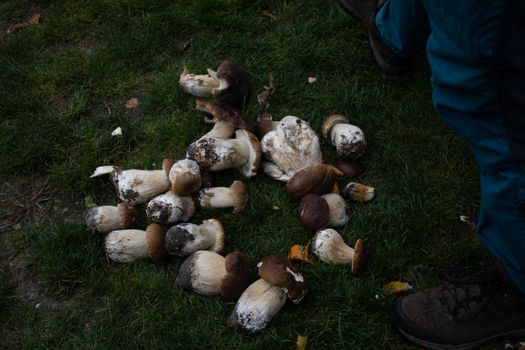
Local master forager and Olympic Peninsula native Chef Robin Leventhal takes small parties along the boundary lines of the Olympic National Forest. Summer brings abundant patches of Red Huckleberries (Vaccinium parvifolium), Salal Berries, Wild Blackberries, and early summer Porcini (Boletus edulis).
```
+------------------+-----------------------------------------------------------+
| COST | $175 - $260 per person (includes forest feast) |
| BEST TIME TO VISIT| August through early September |
| LOGISTICS | Fly into Seattle-Tacoma (SEA), take the Bainbridge Ferry, |
| | and drive US-101 North toward Port Angeles. |
+------------------+-----------------------------------------------------------+
```
- Insider Pro-Tip: To find the legendary red huckleberry, ignore the forest floor entirely. Look up. Red huckleberries grow almost exclusively out of decaying "nurse logs"—ancient fallen trees raised several feet above the rainforest floor.
---
Essential Rules of Sustainable Foraging: The Golden Commandments
Before stepping out into the wilderness with a woven basket and a pruning knife, keep these three mandatory guidelines in mind:
- The 1-in-10 Rule: Never take more than 10% of any given wild plant colony. Leave 90% for wildlife, seed propagation, and the health of the host ecosystem.
- Absolute Identification (100% Rule): Never ingest a wild plant or fungus unless you are 100% certain of its identity via a certified local expert. Many edible plants have toxic "lookalikes" that require trained eyes to distinguish.
- Respect Land Rights: Foraging regulations vary wildly between state parks, national forests, private property, and indigenous reservations. Always secure appropriate permits and local guide permissions before harvesting.
---
Conclusion: Bringing the Wild Back to Your Plate
Foraging with local experts isn't just a trend; it is a profound reset button for urban burn-out. By tuning your senses to the rhythm of high tides, monsoon rains, and mountain shadows, you gain something money can't buy at a Michelin-starred restaurant: a raw, unfiltered connection to the planet's most authentic flavors. Pack your boots, honor the land, and let the wild lead the way this summer.
---