The Night I Traded 5,000 Cruise Passengers for a Pitch-Pine Deck
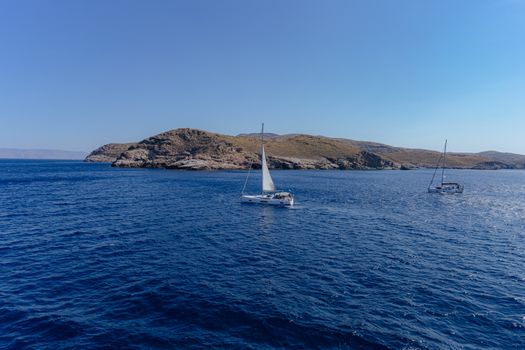
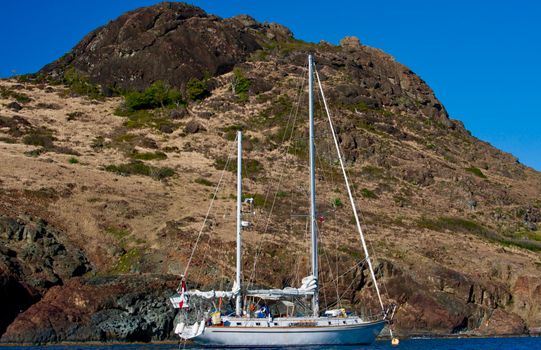
I stepped off the wooden tender onto the salt-crusted teak deck of a 65-foot ketch off the coast of Syros, and the silence was almost shocking.
For years, I had watched mega-cruise ships loom over Mediterranean horizons like floating neon skyscrapers. They dumped thousands of tourists into narrow port lanes at 8:00 AM, only to drag them away before sunset. But here, anchored in a cove accessible only by sea, the only sound was the rhythmic slap of turquoise water against the hull and the faint hum of wind through the rigging. The air didn't smell of heavy marine fuel or buffet grease; it smelled of salt, wild thyme blowing off the Aegean cliffs, and grilled octopus from a single beachside tavern 50 yards away.
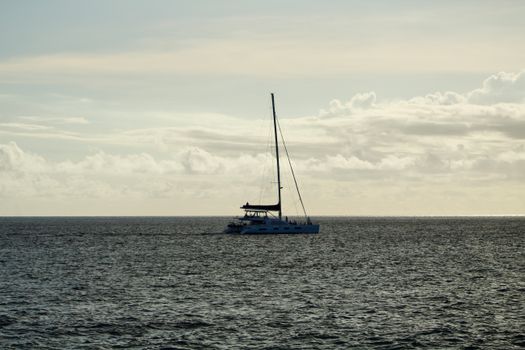
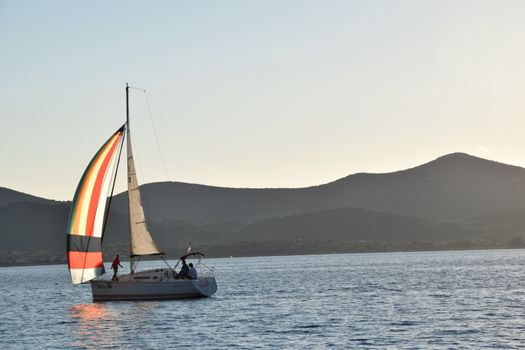
That evening, as our captain pulled up the anchor by hand and set our foresail toward the sunset, I realized something fundamental had shifted. Ocean travel is returning to its roots. Across the globe, sailing adventures as an alternative to cruises are emerging this year at an unprecedented rate. Travelers are rejecting rigid itineraries, crowded buffets, and environmental destruction in favor of genuine seamanship, eco-conscious catamarans, and secret anchorages where giant ships simply cannot tread.
---
The Great Maritime Pivot: Why Wind-Powered Travel is Dominating
The shift away from traditional mega-cruises isn't just a trend—it's a full-scale traveler rebellion. Destinations like Venice, Dubrovnik, Santorini, and Amsterdam have implemented strict bans or caps on large cruise ships to combat overtourism and coastal erosion. Meanwhile, travelers themselves are suffering from "cruise fatigue": waiting in line for elevators, paying $30 for spotty Wi-Fi, and viewing iconic coastlines behind two inches of glass.
Sailing charters and small-ship expeditions offer the exact opposite:
- Zero-Footprint Exploration: Harnessing wind power drastically reduces fuel burn and carbon emissions compared to fuel-chugging cruise liners.
- Access to Hidden Coasts: Deep-draft cruise ships must dock at commercial industrial ports. Small sailboats draw between 3 and 8 feet, letting you glide directly into hidden lagoons, shallow coral coves, and tiny fishing villages.
- Radical Autonomy: On a sailboat, the itinerary moves with the wind and weather. If your crew falls in love with an uninhabited bay, you drop anchor and stay another night.
---
Top 5 Emerging Sailing Adventures Replacing Mega-Cruises
1. Aegean & Dodecanese Archipelago: Handcrafted Wooden Gulets
Forget mass-market Greek Island cruises that drop you in Santorini along with six other ocean liners. The modern way to navigate the Aegean is aboard a traditional gulet—a motor-assisted, two- or three-masted wooden sailing vessel traditionally built along the southwest coast of Turkey.
Modern gulets balance artisanal craftsmanship with boutique hotel luxury. You spend your days sailing between forgotten islands like Nisros, Simi, and Kastellorizo, dropping anchor in fjords where the water is so clear you can count the pebbles 30 feet below.
- The Experience: Sleeping under the stars on plush deck cushions, eating meals prepared by an onboard chef using ingredients bought at morning fish markets, and swimming off the stern gangway.
- Pro-Tip: Skip the full yacht charter cost by booking a "Cabin Charter." You get a private ensuite cabin on a shared 80-foot gulet for a fraction of the price of a luxury cruise suite.
- Hidden Spot: Tell your captain to anchor at Apostolis Bay on the island of Arki. There are no roads, no cars, and only one family-run tavern serving fresh sea urchin and ice-cold assrtiko wine.
---
2. Raja Ampat, Indonesia: Solar-Assisted Catamaran Expeditions
If your dream is wild, untouched marine wilderness, the ultimate alternative to South Pacific mega-cruises lies in the Coral Triangle of Eastern Indonesia. Raja Ampat features over 1,500 karst limestone islets, but navigating them on a standard cruise ship is virtually impossible due to shallow reefs and protected marine zones.
Enter eco-designed, low-draft catamaran charters operating out of Sorong. These double-hulled vessels use auxiliary electric engines powered by marine solar arrays, allowing them to slip silently into fragile marine sanctuaries without disturbing reef ecosystems.
- The Experience: Kayaking through emerald limestone passages, diving with giant oceanic manta rays in zero-current bays, and trekking to prehistoric cave paintings before breakfast.
- Pro-Tip: Book your voyage between November and March, when the seas are mirror-calm and visibility underwater regularly exceeds 100 feet.
- Hidden Spot: The hidden lagoon at Wayag. Marine craft can only pass through a narrow breach in the karst walls during mid-tide. Inside, you’ll find a natural swimming pool entirely cut off from the outer ocean.
---
3. The Outer Hebrides & St. Kilda, Scotland: Cold-Water Expedition Ketches
Cruising isn't just about sunbathing; high-latitude expedition sailing is booming among adventure seekers who want rugged, wild landscapes instead of tropical resorts. Sailing the stormy, beautiful waters of the Scottish Western Isles aboard a steel-hulled ketch or historic tall ship offers a raw connection to the sea that no cruise balcony can match.
Departing from Oban or Mallaig, these expedition vessels cross the Minch to reach remote archipelagos like St. Kilda—a UNESCO World Heritage site abandoned by its last human inhabitants in 1930.
- The Experience: Standing watch alongside the skipper, pulling halyards, spotting minke whales, white-tailed sea eagles, and basking sharks from the bowsprit, and warming up with single-malt whisky in the wooden saloon.
- Pro-Tip: Pack heavy-duty, commercial-grade foul weather gear (Helly Hansen or Musto). The weather turns in minutes, but sailing through a mist-shrouded Scottish loch is pure magic.
- Insider Details: Request a route that visits the Islands of Canna and Rum. At Canna, step ashore at the tiny harbor and pick up fresh loaves of sourdough left on honor-system shelves at the island's solitary community bakery.
---
4. The Grenadines, West Indies: Windward Catamaran Hopping
Standard Caribbean cruises visit commercial ports packed with duty-free jewelry shops and mega-resorts. Sailing the Windward Islands—specifically the string of islands between Saint Vincent and Grenada—gives you access to the real Caribbean.
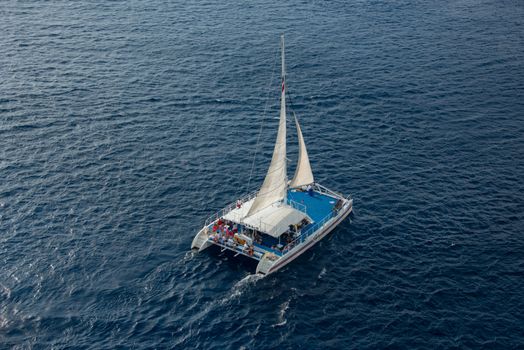
Catamarans are king here. With their shallow draft and broad beams, they glide smoothly over shallow sandbars, letting you anchor right inside turquoise lagoons.
- The Experience: Snorkeling with sea turtles in the Tobago Cays Marine Park, buying fresh spiny lobster directly from local fishermen paddling up to your boat, and drinking rum punches under palm-thatched beach shacks on Union Island.
- Pro-Tip: Avoid booking during peak cruise ship port days in St. Lucia. Launch your sailing trip directly from Bequia or Union Island to immediately escape the mass tourist trail.
- Hidden Spot: Salt Whistle Bay on Mayreau. Walk past the main beach curve to the windward side of the island; you’ll find a completely wild, deserted beach littered with pink conch shells.
---
5. Tuamotu Atolls, French Polynesia: Blue-Water Atoll Navigation
While large cruise ships anchor miles off the coast of Tahiti and Bora Bora, small blue-water sailboats head far east to the Tuamotu Archipelago. This collection of low-lying coral rings encloses massive inner lagoons that look like neon-blue inland seas.
Because there are virtually no deep-water docks or massive infrastructure here, sailing is not just the best way to see the Tuamotus—it is virtually the only way.
- The Experience: Navigating narrow ocean passes where the tide rushes in like a river, drifting alongside hundreds of harmless blacktip reef sharks in Fakarava's UNESCO Biosphere Reserve, and visiting remote pearl farms.
- Pro-Tip: Fly into Rangiroa or Fakarava via regional air transport and board your charter boat directly from the atoll lagoon rather than making the long ocean crossing from Tahiti.
- Insider Details: Pick up a bottle of Maitai from a local store and anchor off the Sables Roses (Pink Sands) at the southeastern corner of Rangiroa. The sand gets its distinct blush hue from crushed crushed coral shells mixed with white quartz.
---
How to Book a Sailing Adventure (No Experience Required)
You do not need to know how to tie a bowline or read a nautical chart to replace your cruise with a sailboat. Modern small-vessel travel is designed for all experience levels:
```
+-------------------+------------------------------------+-----------------------------------+
| CHARTER TYPE | BEST FOR | EXPERIENCE NEEDED |
+-------------------+------------------------------------+-----------------------------------+
| Cabin Charter | Solo travelers, couples, budget | Zero. Professional skipper/chef |
| | conscious ocean lovers | handle all operations. |
+-------------------+------------------------------------+-----------------------------------+
| Skippered Charter | Families or small groups wanting | None. You hire a local captain |
| | a private yacht experience | who navigates the route for you. |
+-------------------+------------------------------------+-----------------------------------+
| Bareboat Charter | Experienced sailors wanting total | High. Requires ICC or Day Skipper |
| | freedom and vessel control | certification + nautical resume. |
+-------------------+------------------------------------+-----------------------------------+
| Hands-On Voyage | Adventure seekers wanting to learn | None to Moderate. Active |
| | seamanship & pull lines | participation expected. |
+-------------------+------------------------------------+-----------------------------------+
```
Essential Packing Rules for Sailboats
1. Ditch the Hard Suitcase: Storage space on boats is designed for soft, collapsible duffel bags. Hard-shell rolling luggage will sit in the middle of your cabin floor all week.
2. Non-Marking Shoes: Pack deck shoes or light sneakers with white or non-marking rubber soles. Black soles ruin teak and fiberglass.
3. Reef-Safe Sunscreen: Traditional mineral oils and oxybenzone destroy the fragile marine eco-systems you’ll be swimming in.
4. Dry Bag: A 10-liter water-resistant dry bag is vital for transporting cameras and phones on tender rides from boat to shore.
---
Quick Facts & Budget Breakdown
| Variable | Small-Ship Sailing / Cabin Charter | Mega-Cruise Ship |
| :--- | :--- | :--- |
| Average Daily Cost | $250 – $600 / person (incl. meals & gear) | $150 – $400 / person (excl. excursions/add-ons) |
| Passenger Count | 6 – 16 people | 3,000 – 6,500 people |
| Destination Access | Hidden bays, shallow lagoons, secret coves | Commercial ports, industrial docks |
| Environmental Impact | Minimal (Wind-powered, solar auxiliary) | High carbon footprint, heavy waste generation |
| Flexibility | High (Route changes based on wind/wishes) | Rigid (Strict schedules, missed ports) |
| Best Time to Book | 6–9 months in advance for peak season | 3–12 months in advance |
---
Strategic Pro-Tips for Your Voyage
- How to Handle Seasickness: Catamarans offer extreme stability because of their double hulls; if you get motion sick easily, opt for a catamaran over a monohull sailboat. Take meclizine (non-drowsy formulation) an hour before leaving port—it doesn't work once you're already nauseous.
- Bypassing Harbour Fees: In destinations like Croatia or the BVI, harbor mooring balls cost money. Look for skippered trips that favor free anchoring in secluded bays using heavy anchor rodes rather than staying in crowded marinas every night.
- The Best Time to Reserve: Booking early (October–November for summer European sailing, May–June for winter Caribbean sailing) ensures you score the prime owner's cabins, which often feature larger portholes and direct aft-deck access.
---
Final Thoughts: The Ocean Belongs to the Wind
Standing on the deck of our boat as the sun dipped behind the Aegean horizon, watching the mega-cruise ship pass miles away on the outer shipping lane—illuminated like a floating shopping mall—I felt a deep sense of relief.
The oceans were never meant to be experienced behind glass walls, surrounded by thousands of people fighting for deck chairs. They were meant to be felt: the spray of salt air on your face, the pull of the sails overhead, and the absolute freedom of dropping anchor in a bay where you are the only human beings for miles.
If you are planning your next escape onto the open water, leave the mega-ship behind. Raise the canvas, trust the breeze, and rediscover what traveling by ocean was always meant to be.
---