The World's Wildest Secrets: Safaris Beyond the Savannah
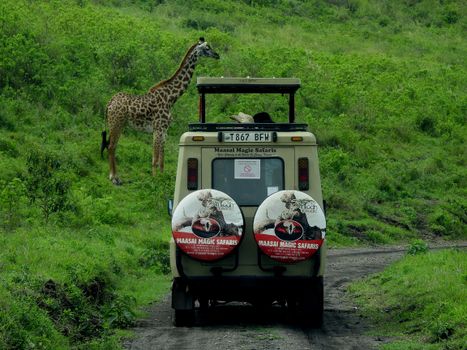
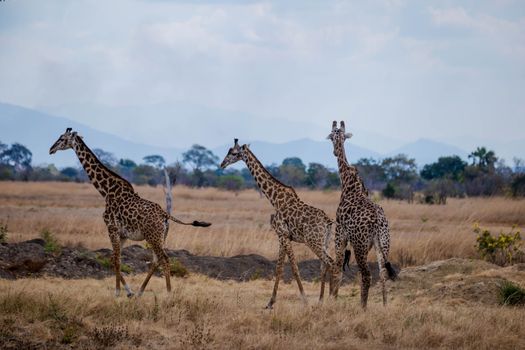
My first "safari" memory is probably just like yours: dusty Land Rovers traversing vast African plains, silhouetted acacia trees against a sunset, and the roar of a lion echoing across the savanna. It’s an iconic image, ingrained in every adventurer’s mind. And for good reason – African safaris are truly legendary.
But what if I told you that the world's definition of "safari" is rapidly expanding, taking intrepid travelers to unexpected corners of the globe for encounters just as thrilling, just as breathtaking, and often even more unique? For years, I chased the "Big Five" across East and Southern Africa, convinced that was the pinnacle of wildlife travel. Then, a conversation with a fellow traveler in a remote Patagonian hostel sparked an idea: what else was out there? What hidden wildlife kingdoms were waiting to be explored, far from the well-trodden paths?
That question led me on an incredible journey, one that utterly transformed my understanding of what a "safari" can be. From tracking elusive big cats in the Indian subcontinent to navigating the pristine waters of the Amazon, and even witnessing polar bears roam frozen tundras, I discovered a world of wildlife experiences that are not only trending right now but are absolutely essential for any serious nature lover.
So, pack your bags, charge your camera, and prepare to have your preconceptions shattered. Tripsora is taking you on a global expedition to uncover the safari experiences beyond Africa that are capturing the hearts (and Instagram feeds!) of adventurers worldwide.
---
1. India: Realm of the Royal Bengal Tiger
When you think "safari," do you immediately picture a tiger? Probably not, but you absolutely should! India offers some of the most exhilarating big cat encounters on the planet, focusing on the majestic Royal Bengal Tiger. This isn't just a wildlife trip; it's a deep dive into ancient jungles, rich cultures, and the thrilling pursuit of one of nature's most iconic predators.
The Experience:
Imagine the pre-dawn chill, the rumble of a jeep, and the hushed whispers of your guide as you enter a dense forest. My heart pounded during my first morning drive in Ranthambore National Park. The anticipation is palpable. Suddenly, a flash of orange and black, a ripple of muscle, and there it is – a tiger, perhaps lounging by a waterhole or silently stalking through tall grass. It's an almost spiritual experience, a moment of pure, untamed beauty. Beyond tigers, you might spot leopards, sloth bears, sambar deer, and a kaleidoscope of birdlife.
Where to Go:
* Ranthambore National Park, Rajasthan: Famous for its high tiger density and stunning ancient fort ruins that serve as a dramatic backdrop. It's incredibly scenic and offers fantastic photo opportunities.
* Bandhavgarh National Park, Madhya Pradesh: Known for its legendary white tigers (though now mostly Royal Bengal) and boasts one of the highest tiger densities in India.
* Kanha National Park, Madhya Pradesh: The inspiration for Rudyard Kipling's "The Jungle Book," offering lush landscapes and a rich diversity of wildlife.
Best Time to Visit:
October to May, with March to May being peak tiger-sighting season as animals congregate around water sources.
Costs & Logistics:
Indian safaris typically involve morning and afternoon jeep safaris. Accommodation ranges from comfortable mid-range lodges to luxurious tented camps. Expect to pay anywhere from $250 - $600+ per person per day, including safaris, accommodation, and meals. Booking well in advance is crucial, especially for park permits.
Tripsora Tip:
Embrace the slow pace. Tiger sightings require patience. Bring a good telephoto lens – you’ll want to capture every stripe! Don’t forget to visit local villages to experience the vibrant culture outside the parks.
---
2. Brazil's Pantanal: Jaguar Kingdom & Wetland Wonders
Move over, African big cats! South America has its own apex predator, and the Pantanal wetlands of Brazil offer the best chance in the world to see the elusive jaguar in its natural habitat. This vast, biodiverse ecosystem, larger than many European countries, is a world unto itself – a mosaic of rivers, lagoons, and savannas teeming with life.
The Experience:
My Pantanal adventure felt less like a traditional safari and more like an immersive expedition. Instead of dusty jeeps, we navigated silent rivers in small boats, eyes peeled for movement along the banks. And then it happened: a powerful, muscular jaguar, golden fur dappled with rosettes, emerged from the dense vegetation, eyes fixed on a capybara. The sheer power and grace of this animal left me speechless. Beyond jaguars, the Pantanal is a birdwatcher's paradise, home to giant anteaters, caimans (hundreds of them!), anacondas, and the world's largest rodent, the capybara.
Where to Go:
* Porto Jofre, Mato Grosso: Considered the "Jaguar Capital of the World." Boat safaris along the Cuiabá River and its tributaries offer unparalleled viewing opportunities.
* Southern Pantanal (Mato Grosso do Sul): Offers a wider variety of activities like horseback riding, piranha fishing, and traditional fazenda (ranch) stays, often combined with boat safaris.
Best Time to Visit:
Dry season (May to October) is ideal for jaguar sightings, as animals congregate around shrinking water sources. The landscape is also more accessible.
Costs & Logistics:
Pantanal safaris are typically multi-day packages from lodges. Prices can range from $400 - $1000+ per person per day, depending on the lodge's exclusivity, duration, and inclusions (boat safaris, guides, meals). Access is often via small planes or long drives from Cuiabá or Campo Grande.
Tripsora Tip:
Prepare for humidity and insects. Lightweight, long-sleeved clothing and strong insect repellent are a must. The Pantanal is incredibly photogenic; wide-angle lenses for landscapes and telephoto for wildlife will be your best friends.
---
3. Australia: Outback & Coastal Wonders
Australia isn’t just about kangaroos and koalas (though you’ll see plenty!). It’s a continent-sized safari park, offering incredibly diverse and often bizarre wildlife encounters that are truly trending. From prehistoric crocodiles to adorable marsupials and vibrant marine life, an Australian safari is an adventure in unique biodiversity.
The Experience:
My journey through Australia felt like several safaris rolled into one. In the Northern Territory's Kakadu National Park, I cruised through wetlands, spotting massive saltwater crocodiles lurking beneath the surface – a primal thrill. Later, on Kangaroo Island, South Australia, I walked among wild koalas, watched kangaroos graze at dusk, and witnessed sea lions frolic on pristine beaches. It’s an immersive experience where the line between "park" and "wildlife" often blurs. The sheer diversity is mind-boggling, from the arid outback to lush rainforests and vibrant coral reefs.
Where to Go:
* Kakadu National Park, Northern Territory: A UNESCO World Heritage site, famous for its Aboriginal rock art, wetlands, waterfalls, and incredible birdlife, plus those intimidating saltwater crocodiles.
* Kangaroo Island, South Australia: Often called "Australia's Galapagos," it's a sanctuary for native wildlife including koalas, kangaroos, wallabies, echidnas, and sea lions.
* Daintree Rainforest & Great Barrier Reef, Queensland: Combine ancient rainforest treks to spot cassowaries and tree kangaroos with snorkeling or diving among vibrant coral and marine life.
* The Kimberley, Western Australia: Rugged, remote, and breathtakingly beautiful, offering remote gorges, ancient boab trees, and unique outback wildlife.
Best Time to Visit:
Varies by region. Dry season (May-Oct) for Kakadu and the Kimberley. Spring/Autumn for Kangaroo Island. Year-round for Daintree/GBR, though avoid cyclone season (Nov-Apr).
Costs & Logistics:
Australia offers everything from self-drive adventures with camping to luxury eco-lodges. Day tours can start from $100-$300, while multi-day guided expeditions or luxury lodge stays can run into $500-$1500+ per person per day. Domestic flights are often necessary to cover vast distances.
Tripsora Tip:
Embrace the self-drive option in many areas for ultimate flexibility. Always carry plenty of water and sun protection. For an unforgettable experience, try a guided "bush tucker" tour to learn about indigenous plant uses.
---
4. Borneo & Sumatra: Orangutan Encounters
For a truly heartwarming and deeply personal wildlife experience, look no further than the lush rainforests of Borneo and Sumatra, home to the critically endangered orangutan. These "people of the forest" offer an emotional connection unlike any other primate encounter.
The Experience:
My journey into Tanjung Puting National Park in Indonesian Borneo was by "klotok," a traditional wooden riverboat. Gliding slowly along the Sekonyer River, the sounds of the jungle enveloped us. Then, the first sighting: a flash of reddish-brown fur high in the canopy. At the feeding stations – crucial for supporting rehabilitated orangutans – I watched mothers with their babies, their intelligent eyes observing us with a quiet dignity. It’s an incredibly moving experience, a poignant reminder of our shared ancestry and the urgent need for conservation. Beyond orangutans, you might spot proboscis monkeys, macaques, and a myriad of exotic birds.
Where to Go:
* Tanjung Puting National Park, Borneo (Indonesia): The most accessible and well-known place for multi-day klotok safaris to see wild and semi-wild orangutans at rehabilitation centers like Camp Leakey.
* Gunung Leuser National Park, Sumatra (Indonesia): Offers trekking opportunities to see wild orangutans, often combined with visits to rehabilitation centers like Bukit Lawang.
Best Time to Visit:
Dry season (May to September) offers easier trekking conditions and better chances of seeing orangutans.
Costs & Logistics:
Multi-day klotok tours in Borneo typically range from $250 - $500+ per person per day, including boat, guide, food, and basic accommodation on the boat. Trekking tours in Sumatra can be similar. Flights to Pangkalan Bun (Borneo) or Medan (Sumatra) are required.
Tripsora Tip:
Choose ethical operators who prioritize orangutan welfare and conservation. Keep a respectful distance, never feed the animals, and minimize your impact. This is an incredible opportunity for unique, heartfelt photos.
---
5. Canada & Alaska: Wild Bears and Whales
Think "safari" is only for warm climates? Think again! North America’s vast wilderness offers some of the most dramatic and awe-inspiring wildlife encounters, particularly with its iconic bears and majestic marine life. This is a safari of epic proportions, set against backdrops of snow-capped mountains and pristine fjords.
The Experience:
There’s nothing quite like the raw power of a grizzly bear fishing for salmon, or the serene beauty of a spirit bear – a rare white black bear – foraging in a temperate rainforest. In British Columbia’s Great Bear Rainforest, I experienced both. Later, in Churchill, Manitoba, watching polar bears amble across the tundra from the safety of a Tundra Buggy was an otherworldly experience, like stepping onto another planet. And if you're a marine enthusiast, the sheer size and grace of whales breaching in the Pacific waters off Alaska or BC will leave you breathless.
Where to Go:
* Great Bear Rainforest, British Columbia, Canada: Home to grizzlies, black bears, and the elusive Kermode "Spirit" Bear. Best experienced via remote wilderness lodges accessible by float plane.
* Churchill, Manitoba, Canada: The "Polar Bear Capital of the World," offering unique tundra buggy tours to see polar bears during their autumn migration.
* Kodiak Island, Alaska, USA: Famous for the enormous Kodiak brown bears, often seen fishing in rivers.
* Vancouver Island, British Columbia, Canada: Excellent for grizzly bear viewing (from boats) and whale watching (orcas, humpbacks).
Best Time to Visit:
Summer (July-Sept) for grizzly and black bears, particularly during salmon runs. Late Autumn (Oct-Nov) for polar bears in Churchill. Summer for whale watching.
Costs & Logistics:
These are typically high-end, specialized safaris. Remote bear lodges in BC can cost $1000 - $2000+ per person per day for all-inclusive packages. Churchill polar bear tours are also in a similar range for multi-day excursions. Whale watching day trips are more affordable, from $150-$300. Access often involves small planes or remote boat transfers.
Tripsora Tip:
Invest in warm, waterproof layers, even in summer. A good pair of binoculars is essential for spotting wildlife across vast landscapes. These are incredible opportunities for dramatic, cinematic photography.
---
6. Galapagos Islands, Ecuador: A Living Laboratory
While not a "safari" in the traditional sense, a trip to the Galapagos Islands is arguably the most unique and intimate wildlife encounter you can have anywhere on Earth. It's a living laboratory, a place where evolution is on full display, and the animals exhibit a remarkable fearlessness of humans.
The Experience:
Stepping onto the Galapagos is like entering another dimension. My first encounter with a marine iguana, basking on a lava rock without a care in the world as I walked past, was surreal. Blue-footed boobies performed their comical mating dances mere feet away. Giant tortoises lumbered silently through highland forests. Snorkeling with playful sea lions and graceful sea turtles became a daily ritual. It's a place where you don't just observe wildlife; you become part of their world, an honored guest in a pristine, untouched paradise.
Where to Go:
The best way to experience the Galapagos is on a small expedition cruise (typically 4, 5, 8, or 15 days), which allows you to visit multiple islands and remote visitor sites. Each island offers unique species and landscapes.
Key Species:
Giant tortoises, marine iguanas, land iguanas, blue-footed boobies, Nazca boobies, red-footed boobies, frigatebirds, Galapagos penguins, flightless cormorants, sea lions, fur seals, various finch species.
Best Time to Visit:
Year-round! The Galapagos experiences two main seasons: a warm/wet season (Dec-May) with lush vegetation and warmer water, and a cool/dry season (June-Nov) with clearer water for snorkeling and more active marine life.
Costs & Logistics:
Galapagos cruises are a significant investment, ranging from $3,000 to $10,000+ per person for a 4- to 8-day trip, not including international flights to Ecuador and domestic flights to the islands. Land-based options are available but offer less comprehensive island access.
Tripsora Tip:
Pack light, quick-drying clothes. Bring a waterproof camera or phone case for incredible underwater shots. Embrace the "no touching" rule – it's crucial for preserving this delicate ecosystem. This is a bucket-list destination for a reason!
---
Beyond the Binoculars: Practical Tips for Your Global Safari
Embarking on a non-African safari requires a slightly different mindset and preparation. Here are my top tips to ensure your adventure is unforgettable:
- Research, Research, Research: Each destination is unique. Understand the specific wildlife, climate, best viewing times, and cultural nuances.
- Choose Ethical Operators: Prioritize tour companies that demonstrate a strong commitment to conservation, local communities, and animal welfare. Look for certifications or partnerships with reputable conservation organizations. Your travel choices have a direct impact.
- Pack Smart: Lightweight, breathable, quick-drying clothing in neutral colors is always a good idea. Don't forget a wide-brimmed hat, sunglasses, high-SPF sunscreen, and insect repellent. A good daypack, reusable water bottle, and comfortable walking shoes are essential.
- Photography Gear: A telephoto lens (200mm-400mm minimum) is crucial for wildlife. Consider a wide-angle for landscapes. Bring extra batteries, memory cards, and protection from dust/water. A waterproof camera for marine encounters is a game-changer!
- Patience is a Virtue: Wildlife viewing is never guaranteed. Embrace the quiet moments, enjoy the scenery, and trust your guides. The reward of a sighting after a patient wait is immense.
- Respect Wildlife & Local Culture: Maintain a respectful distance, never feed animals, and follow your guide's instructions. Be mindful of local customs and dress codes, especially in places like India.
- Budget Beyond the Tour Price: Factor in international and domestic flights, visas, travel insurance, tips for guides, souvenirs, and any pre/post-safari activities.
- Get Vaccinated & Insured: Consult your doctor about necessary vaccinations and pack a basic first-aid kit. Comprehensive travel insurance is non-negotiable for these types of adventures.
---
Your Next Wild Adventure Awaits!
The world is an incredible tapestry of ecosystems, each harboring its own unique cast of characters and offering a safari experience unlike any other. While Africa will always be the cradle of the safari, the trend is clear: adventurers are looking beyond the traditional, seeking out fresh, thrilling encounters that challenge their perceptions and deepen their connection to the natural world.
From the roaring tigers of India to the stealthy jaguars of the Pantanal, the ancient creatures of Australia, the soulful orangutans of Borneo, the mighty bears of North America, and the evolutionary marvels of the Galapagos – these trending safaris promise not just sightings, but transformative experiences.
So, which non-African safari will capture your imagination first? The wild is calling, and it's time to answer.
Share your dream non-African safari in the comments below! Have you experienced any of these incredible adventures? Tell us your stories! And don't forget to share this post with your fellow wanderlusters – let's inspire more global wildlife exploration!
---