The Ultimate Guide to National Parks More Stunning Than Yellowstone Right Now
I stepped off the tiny prop plane onto the tarmac, and the air hit me – a crisp, wild symphony of pine needles, damp earth, and something else… something ancient and untamed. Below me, the vast, emerald expanse of the Olympic National Park unfurled, a living, breathing testament to nature’s raw power. Forget the bison jams and the selfie-stick forests of Yellowstone for a moment. If you’re yearning for a truly profound wilderness experience, a place where the earth whispers secrets instead of shouting for attention, then you need to hear about these parks. Yellowstone is undeniably magnificent, a titan of the national park system. But right now, a new wave of awe-inspiring destinations is calling, offering experiences that are arguably more breathtaking, more intimate, and frankly, just plain better.
1. Olympic National Park, Washington: A World of Untamed Wonders
This isn't just one park; it's three distinct ecosystems rolled into one UNESCO World Heritage Site. Imagine this: one day you’re hiking through a temperate rainforest dripping with moss, the next you’re standing on a rugged, windswept coastline battered by Pacific waves, and the day after, you’re gazing at glacier-capped peaks. Yellowstone has its geysers, but Olympic has a primal magic that seeps into your bones.
The Rainforest Revelation:
The Hoh Rainforest is unlike anything you've ever experienced. Sunlight filters through a canopy so thick it feels like perpetual twilight. Giant Sitka spruce and Western hemlock trees, hundreds of years old, are draped in vibrant green mosses, creating an ethereal, almost alien landscape. The silence here isn't empty; it's alive with the soft drip of water, the rustle of unseen creatures, and the deep, resonant hum of ancient life. I remember standing on the Hall of Mosses trail, feeling like I’d stumbled into a forgotten fairy tale. The air was thick with the scent of decaying leaves and fertile soil – pure, unadulterated earth.
Pro-Tip:
To truly immerse yourself, take the short hike to the "Spruce Nature Trail" and then venture onto the longer "Hall of Mosses." Go early morning (before 9 AM) for the best light and the fewest people. The fog often rolls in, adding an extra layer of mystique.
The Dramatic Coastline:
The Olympic coast is a rugged masterpiece. Think sea stacks rising from the mist, tide pools teeming with vibrant marine life, and driftwood logs the size of cars scattered like giant's toys. Rialto Beach and Ruby Beach are iconic for a reason, but for a more secluded experience, explore the beaches around Kalaloch Lodge or hike the Ozette Loop to discover the petroglyphs at Wedding Rocks. The roar of the Pacific is a constant, powerful soundtrack, and the salty spray on your face is invigorating.
Pro-Tip:
Check the tide charts! Low tide reveals incredible tide pools filled with starfish, anemones, and crabs. Bring waterproof gear; the Pacific Northwest weather is famously fickle.
The Alpine Majesty:
Ascend into the Olympic Mountains, and you'll find alpine meadows bursting with wildflowers in the summer, pristine glacial lakes, and panoramic views that rival any mountain range. Hurricane Ridge offers accessible, stunning vistas with minimal hiking, while trails like the High Divide offer more challenging, multi-day backpacking adventures.
Quick Facts: Olympic National Park
| Category | Details |
| :-------------- | :--------------------------------------------------------------------- |
| Estimated Cost ($) | $30 (entrance fee), $100-$300/night (lodging), $50-$100/day (food/activities) |
| Best Time to Visit | Summer (July-September) for hiking, Spring (April-May) for rainforest bloom, Fall (September-October) for fewer crowds and fall colors. |
| How to Get There | Fly into Seattle-Tacoma International Airport (SEA), then rent a car (approx. 3-4 hour drive to park entrances). |
2. Arches National Park, Utah: Sculpted by Time, Painted by Light
Yellowstone’s geothermal wonders are spectacular, but Arches offers a different kind of geological marvel – millions of years of erosion crafting impossible sandstone formations against a canvas of impossibly blue desert sky. It’s a place that feels both ancient and alive, constantly being reshaped by the elements.
The Iconic Giants:
Delicate Arch is the undisputed queen, a graceful, freestanding sandstone arch that has become Utah’s symbol. But don't stop there. Landscape Arch, the longest natural arch in North America, will leave you speechless. The Windows Section offers a cluster of massive arches that are easily accessible, and Park Avenue’s towering fins of rock feel like walking through a city built by giants.
Pro-Tip:
The hike to Delicate Arch is best done at sunrise or sunset. The light painting the sandstone in hues of orange, pink, and red is pure magic. Bring plenty of water – the desert is unforgiving.
Beyond the Arches:
While the arches are the stars, the park’s other formations are equally captivating. The Fiery Furnace, a labyrinth of narrow sandstone canyons, requires a permit or ranger-led tour but offers an unparalleled adventure. The fins of rock in Park Avenue and the balanced rocks are a testament to nature's incredible artistry.
Pro-Tip:
Consider a guided tour of the Fiery Furnace. It’s an incredible way to explore a unique, intricate landscape and learn about its formation.
The Desert Light:
The way the light plays on the sandstone in Arches is mesmerizing. Sunrise and sunset cast long shadows, highlighting the textures and curves of the rock. Midday sun can be harsh, but it also intensifies the vibrant colors of the landscape.
Quick Facts: Arches National Park
| Category | Details |
| :-------------- | :--------------------------------------------------------------------- |
| Estimated Cost ($) | $30 (entrance fee), $100-$250/night (lodging in Moab), $40-$80/day (food/activities) |
| Best Time to Visit | Spring (April-May) and Fall (September-October) for pleasant temperatures. Summer is very hot. |
| How to Get There | Fly into Grand Junction Regional Airport (GJT) or Salt Lake City International Airport (SLC), then rent a car (approx. 1.5-2 hours from GJT, 3.5-4 hours from SLC to Moab). |
3. Glacier National Park, Montana: The Crown of the Continent
Yellowstone has its geothermal features, but Glacier offers a raw, rugged alpine beauty that’s simply unparalleled. This park is a hiker's paradise, a place of turquoise lakes, towering peaks, and abundant wildlife. The sheer scale of it all is humbling.
Going-to-the-Sun Road:
This iconic, engineering marvel is worth the trip alone. Carved into the mountainside, it offers breathtaking vistas at every turn. Pull over at Logan Pass, the highest point on the road, and you're greeted with panoramic views of snow-capped peaks and alpine meadows. The Going-to-the-Sun Road is often called the most scenic drive in America, and for good reason.
Pro-Tip:
The road is typically only open from late June to mid-October due to snow. Reservations are often required to drive it during peak season. Check the NPS website for current status.
The Jewel-Toned Lakes:
Glacier's lakes are legendary. Lake McDonald, the park's largest, is famous for its colorful stones and crystal-clear water. St. Mary Lake, with its dramatic backdrop of peaks, is equally stunning. For a more remote experience, hike to Avalanche Lake or hike the Grinnell Glacier trail for a chance to see icebergs floating in the glacier’s meltwater.
Pro-Tip:
Rent a kayak or paddleboard on Lake McDonald for a unique perspective. Hiking boots are essential for exploring the numerous trails.
Wildlife Encounters:
Glacier is teeming with wildlife. Keep an eye out for grizzly bears, black bears, mountain goats, bighorn sheep, and elk. Remember to always maintain a safe distance and never feed the animals.
Pro-Tip:
Join a ranger-led program for insights into the park's ecology and the best chances of spotting wildlife. Bear spray is highly recommended for all hikes.
Quick Facts: Glacier National Park
| Category | Details |
| :-------------- | :--------------------------------------------------------------------- |
| Estimated Cost ($) | $35 (entrance fee), $150-$300/night (lodging inside/near park), $60-$120/day (food/activities) |
| Best Time to Visit | July-September for full road access and hiking. June for wildflowers and fewer crowds, but some roads may be closed. |
| How to Get There | Fly into Glacier Park International Airport (FCA) in Kalispell, MT (approx. 45-minute drive to park). |
4. The Great Smoky Mountains National Park, Tennessee/North Carolina: A Misty, Verdant Paradise
While Yellowstone is known for its dramatic landscapes, the Smokies offer a lush, rolling, and incredibly diverse Appalachian beauty. It’s the most visited national park in the US, but its sheer size and the density of its forests mean you can still find pockets of profound solitude and breathtaking beauty that rival any other park.
The Misty Vistas:
The park’s name comes from the Cherokee word "Shaconage," meaning "place of the blue mist." This ethereal mist, a result of the humid air and the evaporating moisture from the abundant vegetation, creates a mystical, otherworldly atmosphere. Driving along Newfound Gap Road or hiking to Clingmans Dome (the highest point) offers panoramic views that are simply soul-stirring.
Pro-Tip:
Visit in the early morning or late afternoon for the best chance to see the "blue mist" effect. Pack layers; mountain weather can change rapidly.
The Ancient Forests:
The Great Smoky Mountains boast one of the oldest and most diverse temperate deciduous forests in the world. Hike through old-growth forests, marvel at towering tulip poplars and red oaks, and discover hidden waterfalls cascading over moss-covered rocks. The Alum Cave Bluffs trail is a popular choice, offering unique geological features and stunning views.
Pro-Tip:
Explore the less-crowded Cataloochee Valley for a chance to see elk grazing in the meadows, especially during the fall rut.
The Rich Biodiversity:
This park is a hotspot for biodiversity, with over 19,000 documented species. From black bears and white-tailed deer to salamanders and countless bird species, the natural world here is vibrantly alive. The park is also renowned for its wildflowers, which bloom profusely in the spring.
Pro-Tip:
Consider a guided wildflower walk in the spring or an early morning drive through Cades Cove for wildlife viewing.
Quick Facts: Great Smoky Mountains National Park
| Category | Details |
| :-------------- | :--------------------------------------------------------------------- |
| Estimated Cost ($) | FREE ENTRANCE! $100-$250/night (lodging in Gatlinburg/Pigeon Forge or nearby towns), $40-$80/day (food/activities) |
| Best Time to Visit | Spring (April-May) for wildflowers, Fall (late September-October) for stunning fall foliage, Summer for lush greenery. |
| How to Get There | Fly into McGhee Tyson Airport (TYS) in Knoxville, TN (approx. 1-hour drive to park entrances). |
5. North Cascades National Park, Washington: America’s Alps
Often overlooked, the North Cascades are a rugged, wild, and breathtakingly beautiful mountain wilderness that rivals the Swiss Alps. If you crave dramatic, jagged peaks, turquoise glacial lakes, and a sense of profound solitude, this is your place.
The Glacial Blues:
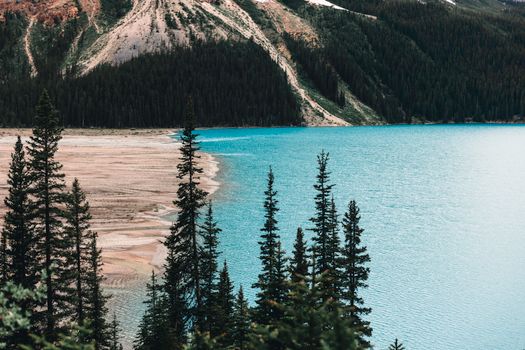
The park is famous for its impossibly blue, glacially fed lakes. Diablo Lake, with its vibrant turquoise hue, is a sight that will sear itself into your memory. Ross Lake, another stunning reservoir, offers opportunities for boating and hiking. The color comes from the fine rock flour suspended in the water, reflecting sunlight.
Pro-Tip:
Stop at the Diablo Lake Overlook for iconic photos. The colors are most vibrant on sunny days.
The Alpine Wilderness:
This is a true wilderness park, with vast tracts of undeveloped land. The North Cascades Highway (State Route 20) offers incredible scenic drives, but true exploration requires hiking. Trails range from easy lakeside strolls to challenging multi-day backcountry adventures. The drive itself, winding through mountain passes, is spectacular.
Pro-Tip:
For a relatively accessible but incredibly rewarding hike, consider the Maple Pass Loop (about 7.2 miles roundtrip) for stunning alpine views.
The Remote Majesty:
Unlike many other popular parks, the North Cascades feel genuinely remote. This means fewer crowds, more opportunities to connect with nature, and a greater sense of adventure. The jagged peaks, often snow-capped even in summer, create a dramatic and awe-inspiring landscape.
Pro-Tip:
Pack for all types of weather. Mountain conditions can change rapidly. Be prepared for bears and carry bear spray.
Quick Facts: North Cascades National Park
| Category | Details |
| :-------------- | :--------------------------------------------------------------------- |
| Estimated Cost ($) | FREE ENTRANCE! $100-$250/night (lodging in nearby towns like Winthrop or Marblemount), $50-$100/day (food/activities) |
| Best Time to Visit | July-September for best weather and road access. Wildflowers bloom in July. |
| How to Get There | Fly into Seattle-Tacoma International Airport (SEA), then rent a car (approx. 2.5-3 hour drive to the main park corridor along Highway 20). |
---
Yellowstone is a national treasure, no doubt. But the world of national parks is vast and filled with wonders that often fly under the radar. These destinations offer not just stunning scenery, but also a chance to connect with nature on a deeper, more intimate level. So, pack your bags, lace up your boots, and go explore the parks that are truly more stunning than Yellowstone right now. Your adventure awaits!
---