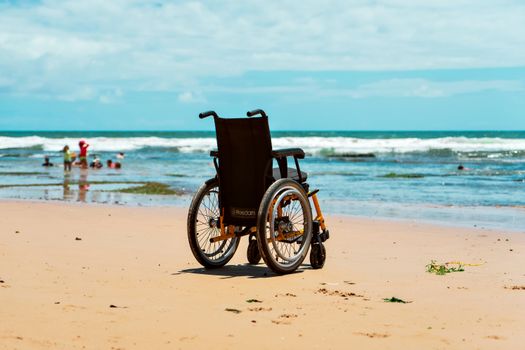
The scent of freshly baked 'pain au chocolat' wafted through the air, mingling with the faint, sweet perfume of blooming lilacs. I stepped off the train in Amsterdam, my wheelchair gliding effortlessly onto the platform. No jarring bumps, no frantic searches for an elevator – just smooth, wide pathways and the gentle hum of an efficient, accessible city. This wasn't just a good travel day; it was a revelation. It’s March 2026, and the world of travel is finally catching up, with a select few nations leading the charge in creating truly inclusive infrastructure.
The Dawn of Truly Accessible Travel: Beyond Ramps
For too long, "accessibility" in travel meant a token ramp or a designated accessible room. But the landscape is shifting dramatically. By March 2026, we’re seeing a paradigm shift towards universal design, where infrastructure is built for everyone from the ground up. This isn't just about physical access; it's about sensory considerations, clear signage, and seamless digital integration. These are the countries that have not only embraced this philosophy but are actively innovating, making them the undisputed leaders in accessibility infrastructure.
1. The Netherlands: The Unrivaled Champion of Seamless Mobility
Amsterdam, as I experienced, is merely the tip of the accessible iceberg. The Dutch have woven accessibility into the very fabric of their society. From their meticulously maintained cycle paths (yes, even for adaptive cycles!) to their incredibly intuitive public transport system, they've set a benchmark that others are scrambling to match.
Amsterdam: More Than Just Canals
- Pro-Tip: Rent an adaptive bike from Wheelchair Accessible Bike Rentals Amsterdam. The canals are stunning, and cycling them is an experience you won't forget.
- Insider Scoop: Look for the "rolstoeltoegankelijk" (wheelchair accessible) stickers on public transport and museum entrances. They’re a reliable indicator.
- The Hidden Gem: The Anne Frank House has made significant improvements, with a dedicated accessible route that allows visitors to experience the history without the original challenging stairs. Book well in advance!
Beyond Amsterdam: Utrecht and Rotterdam
- Utrecht: This vibrant university city boasts a charming medieval center that has been remarkably adapted. Their canalside paths are smooth, and many historic buildings now feature discreet lifts and ramps.
- Rotterdam: A city reborn after WWII, Rotterdam is a masterclass in modern, accessible urban planning. Its sleek architecture often incorporates accessible features seamlessly. The Markthal, with its incredible food stalls, is a sensory delight and fully accessible.
Quick Facts: The Netherlands
| Feature | Details |
| :------------------ | :--------------------------------------- |
| Estimated Costs ($) | Moderate ($150-250/day) |
| Best Time to Visit | April-June (Spring blooms), September-October (Autumn colors) |
| How to get there | Major international airports in Amsterdam (AMS) and Eindhoven (EIN). Excellent train connections from neighboring countries. |
2. Japan: Precision, Innovation, and Respect
Japan has always been synonymous with meticulous planning and cutting-edge technology. By March 2026, this translates into some of the most sophisticated and user-friendly accessible infrastructure globally, particularly in its major cities. Their approach is deeply rooted in a culture of respect and consideration for all.
Tokyo: A Metropolis That Cares
- Pro-Tip: Utilize the Japan Rail Pass if you plan extensive travel. Many Shinkansen (bullet trains) have dedicated accessible carriages and stations are equipped with elevators and escalators.
- Sensory Consideration: Many major stations offer "quiet zones" and visual announcements alongside audio ones, catering to neurodivergent travelers.
- The Hidden Entrance: For the Ghibli Museum, while tickets are notoriously hard to get, their accessibility information is clear and they have lifts to access most areas. Plan your visit meticulously.
Kyoto: Where Tradition Meets Modernity
- Insider Scoop: While the Gion district's traditional streets can be challenging, many temples and gardens, like Kinkaku-ji (Golden Pavilion) and Ryoan-ji, have surprisingly accessible paths and viewing platforms.
- Logistics: Look for the "barrier-free" symbols on maps and signage. Most modern hotels in Kyoto offer excellent accessible rooms.
Quick Facts: Japan
| Feature | Details |
| :------------------ | :--------------------------------------- |
| Estimated Costs ($) | High ($200-350/day) |
| Best Time to Visit | March-May (Cherry blossoms), September-November (Autumn foliage) |
| How to get there | Major international airports in Tokyo (NRT, HND), Osaka (KIX). |
3. Canada: Vast Landscapes, Inclusive Spirit
Canada’s commitment to accessibility is evident in its sprawling national parks and vibrant urban centers. They’ve invested heavily in making their natural wonders and cityscapes welcoming to all.
Vancouver: Coastal Charm, Accessible Trails
- Pro-Tip: The Stanley Park Seawall is largely paved and offers breathtaking views of the city and mountains. It's a must-do for accessible sightseeing.
- Sensory Experience: Visit the Granville Island Market in the morning. The aroma of fresh seafood and artisanal bread is intoxicating, and the market is fully accessible with wide aisles.
- The Hidden Gem: Capilano Suspension Bridge Park has surprisingly good accessible viewing platforms and a Treetops Adventure walk that caters to different mobility levels.
Toronto: A Multicultural Hub
- Insider Scoop: The CN Tower offers accessible viewing decks, and the Royal Ontario Museum (ROM) has excellent accessibility throughout its exhibits.
- Logistics: Toronto’s subway system is undergoing significant upgrades. While not fully accessible yet, many key stations are now equipped with elevators. Wheelchair Accessible Toronto Tours offer fantastic curated experiences.
Quick Facts: Canada
| Feature | Details |
| :------------------ | :--------------------------------------- |
| Estimated Costs ($) | Moderate-High ($170-280/day) |
| Best Time to Visit | June-August (Summer), September-October (Fall colors) |
| How to get there | Major international airports in Toronto (YYZ), Vancouver (YVR), Montreal (YUL). |
4. Germany: Engineering Excellence Meets Inclusivity
Germany’s reputation for precision engineering extends to its infrastructure. By March 2026, their cities are a testament to thoughtful, accessible urban planning, making exploration a breeze.
Berlin: History, Resilience, and Accessibility
- Pro-Tip: The Reichstag Building offers free, accessible tours (book months in advance!). The dome provides panoramic city views with a clear, accessible path.
- Sensory Delight: Explore the Tiergarten on a warm afternoon. The scent of pine and the distant sounds of the city create a peaceful escape, and its paths are well-maintained.
- The Hidden Entrance: Many of Berlin’s historical sites, while appearing daunting, have discreet accessible entrances. Always check the official website or inquire directly. The Memorial to the Murdered Jews of Europe has accessible pathways throughout.
Munich: Bavarian Charm, Accessible Comfort
- Insider Scoop: The Marienplatz is largely flat and accessible. The Hofbräuhaus, while bustling, has accessible seating areas.
- Logistics: Germany's train system (Deutsche Bahn) is generally very good, with accessible carriages and station assistance available upon request.
Quick Facts: Germany
| Feature | Details |
| :------------------ | :--------------------------------------- |
| Estimated Costs ($) | Moderate ($140-220/day) |
| Best Time to Visit | May-September (Summer), December (Christmas markets) |
| How to get there | Major international airports in Frankfurt (FRA), Munich (MUC), Berlin (BER). |
5. Australia: The Land Down Under, Open to All
Australia has made significant strides in ensuring its unique landscapes and vibrant cities are accessible. From the iconic beaches to the bustling metropolises, inclusivity is a growing priority.
Sydney: Iconic Views, Accessible Adventures
- Pro-Tip: The Sydney Opera House and Harbour Bridge have excellent accessibility information and facilities. Take a ferry – they’re a fantastic, accessible way to see the harbor.
- Sensory Immersion: Visit the Royal Botanic Garden. The scent of exotic flowers and the gentle lapping of waves on the harbor create a tranquil atmosphere, with paved paths throughout.
- The Hidden Gem: Bondi Beach has installed accessible mats that allow wheelchairs to get closer to the water, and accessible changing facilities are available.
Melbourne: Culture, Coffee, and Inclusivity
- Insider Scoop: Melbourne's tram network is a wonderful way to explore, and many trams are now accessible. The Queen Victoria Market is vast and largely accessible with wide lanes.
- Logistics: Look for the "AccessSIBLE" program information for venues and attractions.
Quick Facts: Australia
| Feature | Details |
| :------------------ | :--------------------------------------- |
| Estimated Costs ($) | High ($180-300/day) |
| Best Time to Visit | September-November (Spring), March-May (Autumn) |
| How to get there | Major international airports in Sydney (SYD), Melbourne (MEL), Brisbane (BNE). |
Planning Your Accessible Adventure: What You Need to Know
As we look towards March 2026, the key to unlocking these incredible destinations lies in informed planning. Accessibility is a dynamic field, and staying updated is crucial.
Navigating the Digital Landscape
- Dedicated Apps & Websites: Many countries and cities now have dedicated accessibility guides online. Look for official tourism board websites, which are increasingly comprehensive.
- Booking Platforms: Utilize travel booking sites that filter for accessible rooms and offer detailed information on property accessibility.
- Social Media: Follow accessibility travel influencers and hashtags (#AccessibleTravel, #TravelForAll, #InclusionInTravel) for real-time tips and inspiration.
The Human Element: Local Support and Assistance
- Pre-Booking Assistance: For flights and train travel, always pre-book any required assistance (e.g., wheelchair services at airports).
- Local Guides: Consider hiring local guides who specialize in accessible tours. They possess invaluable knowledge of the best routes, hidden accessible spots, and local etiquette.
- Communication: Don’t hesitate to contact venues directly. Most organizations are eager to help and can provide specific details about their accessibility features.
Beyond the Physical: Sensory and Cognitive Accessibility
The leaders in accessibility are increasingly recognizing the needs of travelers with sensory sensitivities or cognitive differences. This includes:
- Quiet spaces: Designated calm areas in airports, museums, and attractions.
- Visual aids: Clear, simple signage and visual announcements.
- Sensory maps: Guides highlighting low-sensory or high-sensory areas within a destination.
- Information accessibility: Providing information in multiple formats (audio, large print, easy-read).
The world is opening up. By March 2026, these countries aren't just offering destinations; they're offering experiences that are truly for everyone. So, pack your bags, embrace the possibilities, and get ready to explore a world that’s finally designed with you in mind.