Unlock Ancient Wisdom: Why Your Next Souvenir Should Be a Skill
I remember standing in a bustling souk in Marrakech, the scent of spices and leather thick in the air, watching a craftsman hammer intricate patterns into a brass tray. He moved with a rhythm born of generations, his hands telling a story that words couldn't capture. I bought a small, beautiful tray that day, but as I walked away, a thought nagged at me: What if I could do that? What if, instead of just admiring a skill, I could actually learn it?
That question sparked an obsession, a new way of looking at travel. Don't get me wrong, I love a good selfie in front of a landmark as much as the next wanderer. But there’s a profound satisfaction that comes from getting your hands dirty, connecting with local artisans, and learning a craft that has survived millennia. It's about more than just a souvenir; it's about a story you carry, a piece of history embedded in your muscle memory.
In an increasingly digital world, there's a quiet revolution brewing: a yearning for the tangible, the authentic, the skills that connect us to our past. And the best part? Many of these ancient trades, once the backbone of communities, can be introduced, explored, and even partially mastered in a single, focused day. Imagine coming home not just with photos, but with a handmade ceramic bowl, a beautifully inscribed scroll, or even a simple forged hook. These aren't just crafts; they're cultural keys, unlocking deeper understanding and creating memories that far outlast any Instagram feed.
Forget the mainstream tourist traps. It's time to future-proof your travel stories and dive into the world of hands-on learning. Here are some incredible ancient trades you can learn in a day, before everyone else catches on.
1. The Earth in Your Hands: Pottery & Ceramics
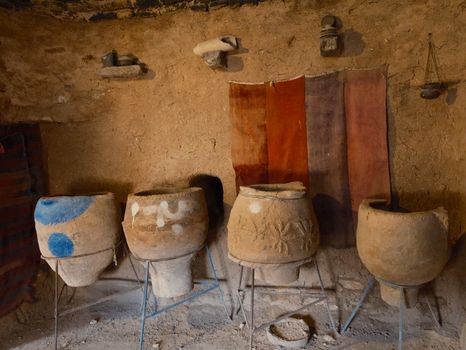
There’s something primal about working with clay. It's soft, forgiving, yet capable of incredible transformation. From prehistoric vessels to delicate porcelain, pottery has been a fundamental human skill for millennia, and it’s surprisingly accessible for beginners.
My first foray was in Kyoto, Japan, a city steeped in artistic tradition. I found a small, family-run studio nestled in a quiet alley near Higashiyama, called Kyo Pottery Studio. For about ¥8,000 (roughly $70 USD), I signed up for a 2.5-hour hand-building and wheel-throwing experience. The sensei, a gentle woman with flour-dusted hands, guided me through wedging the clay, centering it on the wheel, and slowly coaxing it upwards. My first attempt was a lopsided, wobbly disaster, but her patient encouragement and a few gentle adjustments from her skilled hands transformed it into something resembling a small teacup. It wasn't perfect, but it was mine. They glazed and fired it for me, shipping it home a few weeks later – a tangible, perfectly imperfect reminder of a magical afternoon.
Where else to try:
* Fez, Morocco: The city is famous for its intricate ceramics. Many workshops in the medina offer half-day experiences. You can often learn to hand-paint traditional designs or try a basic throw. Expect to pay around $50-80 USD for a private or small group session. Look for studios near the Chouara Tannery or in the Bab Bou Jeloud area.
* Crete, Greece: Pottery is deeply embedded in Minoan history. Villages like Margarites offer traditional workshops where you can learn ancient techniques and even try a foot-powered wheel. Prices vary but often start around €60-100 for a half-day.
Tips for the aspiring potter:
* Wear old clothes – clay will get everywhere!
* Don't be afraid to get messy. It's part of the fun.
* Manage expectations: you won't be a master in a day, but you'll create something unique.
* Ask about shipping options for your finished piece.
2. The Art of the Word: Calligraphy & Illumination
In an age of rapid-fire texts and emails, the deliberate, meditative act of calligraphy feels like a sacred ritual. Across cultures, beautiful handwriting has been revered, conveying not just information but also artistry and reverence. Learning even the basic strokes can be incredibly calming and insightful.
My personal journey into this elegant art began in Istanbul, Turkey. The Hagia Sophia had left me mesmerized by the intricate Ottoman calligraphy adorning its domes. I sought out a small workshop in the Sultanahmet district, near the Blue Mosque, recommended by my guesthouse. It was run by a kind, elderly hattat (calligrapher) named Mehmet. For ₺1,500 (approx. $50 USD), I spent three hours learning to hold the kamış (reed pen) and form the elegant curves of basic Arabic script. Mehmet emphasized the importance of breath and focus, each stroke a moment of mindfulness. I left with a small, framed piece bearing my name in beautiful, if somewhat shaky, diwani script, a testament to the power of concentration.
Where else to try:
* Kyoto, Japan: Again, Kyoto excels. Many cultural centers and temples offer shodo (Japanese calligraphy) classes. You'll learn to use a brush and ink, focusing on balance and flow. Prices are typically around ¥5,000-7,000 ($40-60 USD) for a 1.5-2 hour session.
* Beijing, China: The birthplace of many calligraphic styles. Look for cultural centers or private tutors offering introductory shufa lessons. Expect similar pricing to Japan.
* Dublin, Ireland: For a taste of medieval European illumination or Celtic knotwork calligraphy, some art studios offer workshops, often focusing on initial capitals or simple patterns. Prices can range from €70-120 for a half-day.
Tips for the budding calligrapher:
* Patience is key. It's about practice and precision.
* Inquire about the specific script you'll be learning (e.g., Kufic, Naskh, Kanji, Western Spencerian).
* Bring a notebook to jot down tips and practice strokes.
* It's incredibly meditative – embrace the quiet focus.
3. Threads of History: Traditional Weaving & Dyeing
Textiles tell stories. They speak of climate, resources, cultural identity, and the painstaking labor of generations. Learning to weave or dye with natural materials connects you directly to these ancient narratives and the incredible ingenuity of human hands.
My most vibrant weaving experience was in Oaxaca, Mexico, a region renowned for its Zapotec textile traditions. I took a day trip to Teotitlán del Valle, a village famous for its weavers. At a small family workshop, Casa Santiago, I paid about $100 USD for a half-day experience that included a demonstration of natural dyeing (cochineal, indigo, marigold) and basic loom work. Under the watchful eye of Doña Josefina, I learned to set a few threads on a backstrap loom and began to interlace them, slowly building a small, colorful coaster. The process was surprisingly rhythmic, a dance of hands and feet, and the vibrant colors, derived from nature, were breathtaking. I left not only with my coaster but also a deeper appreciation for the artistry behind every rug and blanket.
Where else to try:
* Chiang Mai, Thailand: Many villages in Northern Thailand offer silk weaving and natural dyeing workshops. You can learn to extract dyes from plants and then weave simple patterns on a traditional loom. Prices often range from $60-100 USD for a half-day.
* Cusco, Peru: The Sacred Valley is rich in Andean textile traditions. Indigenous communities offer workshops where you can learn about natural dyes, spinning alpaca or sheep wool, and basic backstrap weaving techniques. Expect to pay around $80-150 USD, often including lunch.
* Bali, Indonesia: Learn the intricate art of Batik (wax-resist dyeing) in places like Ubud. While not weaving, it's a profound textile tradition. A half-day workshop can cost $40-70 USD.
Tips for the textile enthusiast:
* Be prepared for a slower pace; these crafts require patience.
* Ask about the source of the dyes – natural dyes are a big part of the tradition.
* Support ethical workshops that fairly compensate artisans.
* Consider a multi-day course if you want to tackle more complex projects.
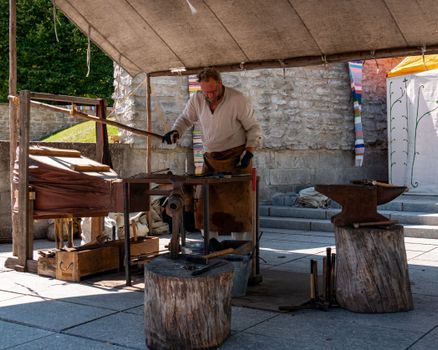
4. Forged in Fire: Introduction to Blacksmithing
There’s a raw, powerful allure to blacksmithing. The rhythmic clang of hammer on anvil, the glow of incandescent metal – it feels like stepping back into a world where strength and skill shaped civilization. While you won't be forging a sword in a day, you can learn the basics and create a simple, sturdy piece.
My first experience with the forge was at Colonial Williamsburg, Virginia, USA. They offer various historical trades workshops. For $125 USD, I participated in a 3-hour "Introduction to Blacksmithing" class. Under the guidance of a master smith in period attire, I learned to control the heat of the forge, wield a hammer, and shape hot steel. It was physically demanding but incredibly rewarding. I managed to flatten, draw out, and curl a piece of steel into a simple, but very functional, coat hook. The smell of coal smoke and hot metal, the sheer physicality, and the satisfaction of shaping something so unyielding were unforgettable.
Where else to try:
* Rural UK & Europe: Many heritage centers and private smithies in the countryside offer introductory "Taster Days." Look in places like the Peak District (UK) or Normandy (France). Prices typically range from €80-150 for a half-day or full-day introduction.
* Various US States: Beyond Colonial Williamsburg, many art schools and private studios across the US offer similar beginner workshops. Search for "blacksmithing taster day" or "introductory forge workshop" in your desired area.
Tips for the aspiring smith:
* Safety first! Wear sturdy closed-toe shoes (leather is best), long sleeves, and safety glasses (usually provided).
* It's a physical workout. Be prepared for some heavy lifting and hammering.
* Listen carefully to your instructor – hot metal is no joke.
* Embrace the heat and the noise; it's all part of the authentic experience.
5. Nature's Remedies: Basic Herbalism & Apothecary Craft
Before modern medicine, local herbalists were the trusted healers, drawing knowledge from generations of observing nature. Learning basic herbalism isn't just about making remedies; it's about reconnecting with the earth, understanding plant properties, and embracing a more holistic approach to wellness.
I dipped my toes into the world of herbalism in Provence, France. The rolling hills, fragrant with lavender and rosemary, are a natural apothecary. I found a small, organic farm near Grasse, offering a half-day workshop on essential oils and balm-making for €90. We walked through their herb gardens, learning to identify plants like calendula, St. John's Wort, and thyme. Then, back in their rustic kitchen, we learned the basics of infusion and mixed our own healing salve using beeswax, olive oil, and various herbal extracts. The scent alone was therapeutic, and I left with a jar of handmade balm, feeling deeply connected to the ancient wisdom of the land.
Where else to try:
* Bali, Indonesia: Traditional Balinese medicine (Jamu) is rich in herbal remedies. Many wellness retreats and cultural centers in Ubud offer workshops on making herbal teas, tonics, or natural body scrubs. Expect to pay $50-80 USD for a 2-3 hour session.
* Tuscany, Italy: Explore the Mediterranean pharmacopeia. Some agriturismos or specialized centers offer workshops on identifying local herbs, making tinctures, or crafting simple soaps. Prices can vary widely, from €70-150.
* Pacific Northwest, USA: The lush forests offer a bounty of medicinal plants. Many independent herbalists offer foraging walks and workshops on making salves, infusions, or tinctures.
Tips for the budding herbalist:
* Always learn from a reputable, experienced herbalist.
* Never consume wild plants without absolute certainty of identification.
* Bring a notebook and pen to jot down plant names and properties.
* Be open to the sensory experience – the smells, textures, and tastes of nature.
6. Fragments of Beauty: Mosaic Making
The art of mosaic, creating images from small pieces of stone, glass, or ceramic, dates back thousands of years, from ancient Mesopotamia to the grandeur of Roman villas and Byzantine churches. It’s a meditative and surprisingly accessible art form that allows you to create lasting beauty from fragments.
My mosaic adventure took me to Rome, Italy, specifically to a charming studio in the Trastevere neighborhood. I stumbled upon Studio Cassio, which offers short workshops. For €120, I joined a 3-hour beginner's class. The instructor, a passionate artist named Elena, introduced us to the history of Roman mosaics and then demonstrated how to use the martellina (hammer) and tagliolo (hardie) to cut tesserae (small pieces) from marble and glass. I chose a simple Roman geometric pattern and, guided by Elena, painstakingly laid each piece into a bed of mortar. It was painstaking work, requiring precision and patience, but the satisfaction of seeing the pattern emerge from individual fragments was immense. I left with a small, beautiful coaster, a tangible piece of Roman artistry created by my own hands.
Where else to try:
* Madaba, Jordan: Known as the "City of Mosaics," Madaba boasts incredible Byzantine mosaics. Local workshops often offer short courses where you can learn to cut and lay stones in traditional patterns. Expect to pay $70-100 USD for a half-day.
* Santorini, Greece: Many studios on the island offer workshops using local volcanic stones and colored glass to create Greek-inspired designs. Prices vary but are often around €80-120.
* Barcelona, Spain: With its Gaudi influence, mosaic (trencadís) is vibrant here. Some art schools offer introductory classes using broken tiles and ceramics.
Tips for the mosaic maker:
* Wear comfortable clothing you don't mind getting dusty.
* Be patient; it's a slow, deliberate craft.
* Don't be afraid to experiment with colors and textures.
* Ask about the different types of tesserae and their historical significance.
Beyond the Tourist Trail: Making Your Day of Learning Happen
So, how do you find these incredible opportunities? It's easier than you think!
- Local Tourist Boards & Cultural Centers: These are often the best starting point. They frequently list workshops and artisan experiences.
- Online Platforms: Websites like Airbnb Experiences, GetYourGuide, Viator, and even local university extension programs (especially for crafts) are treasure troves.
- Directly Ask Locals: When you arrive, ask your guesthouse owner, a friendly shopkeeper, or your tour guide. They often know of hidden gems.
- Instagram & Pinterest: Search hashtags like #KyotoPotteryWorkshop, #OaxacaWeaving, #IstanbulCalligraphy. Many artisans promote their classes visually.
- Artisan Guilds & Associations: In many countries, traditional crafts are protected and promoted by guilds. A quick search can lead you to workshops.
Practical Pointers for Your Crafting Adventure:
- Book in Advance: Especially for popular or small-group workshops, spots fill up quickly.
- Check Language: Confirm the workshop is offered in a language you understand, or if an interpreter is available.
- Inquire About Materials: Most workshops include materials in the price, but it's good to confirm.
- Dress Appropriately: For messy crafts, wear old clothes. For physical ones, comfortable attire.
- Embrace the Process: The goal isn't perfection, it's the experience of learning, connecting, and creating.
- Be Present: Put your phone away (unless you're taking a quick, respectful photo). Immerse yourself fully.
- Support Local: Choose workshops that directly support local artisans and their communities.
The Ultimate Travel Souvenir: A Skill and a Story
Imagine the conversations you'll spark back home. "Oh, this little ceramic bowl? I made it myself in a Kyoto pottery studio." Or, "That beautiful calligraphy piece? I learned the basics from a master in Istanbul." These aren't just trinkets; they're memories forged in fire, shaped by hand, and imbued with the spirit of a place.
In a world increasingly focused on speed and efficiency, taking a day to slow down, learn an ancient craft, and connect with human ingenuity is a profound act of rebellion. It’s a way to travel deeper, to understand cultures from the inside out, and to come home with something infinitely more valuable than a mass-produced souvenir: a new skill, a richer perspective, and a story that's uniquely yours.
So, on your next adventure, don't just see the world – make something in it. Your hands, your mind, and your travel stories will thank you.
What ancient skill will you learn first? Share your thoughts in the comments below, and don't forget to tag your #TripsoraSkillShare moments on Instagram!
---