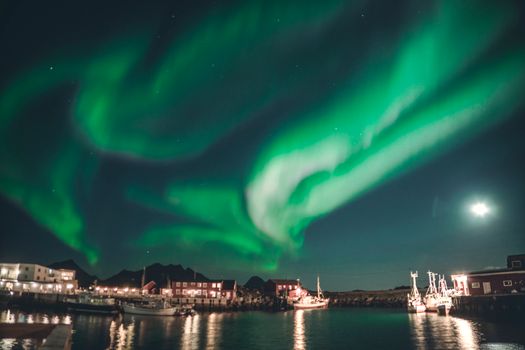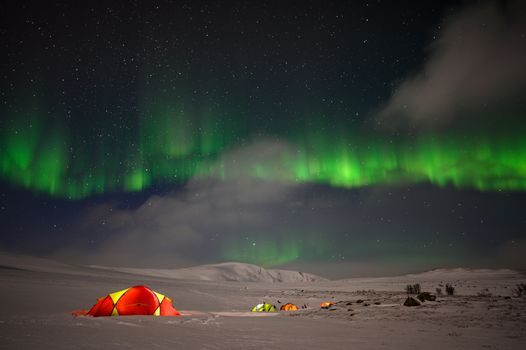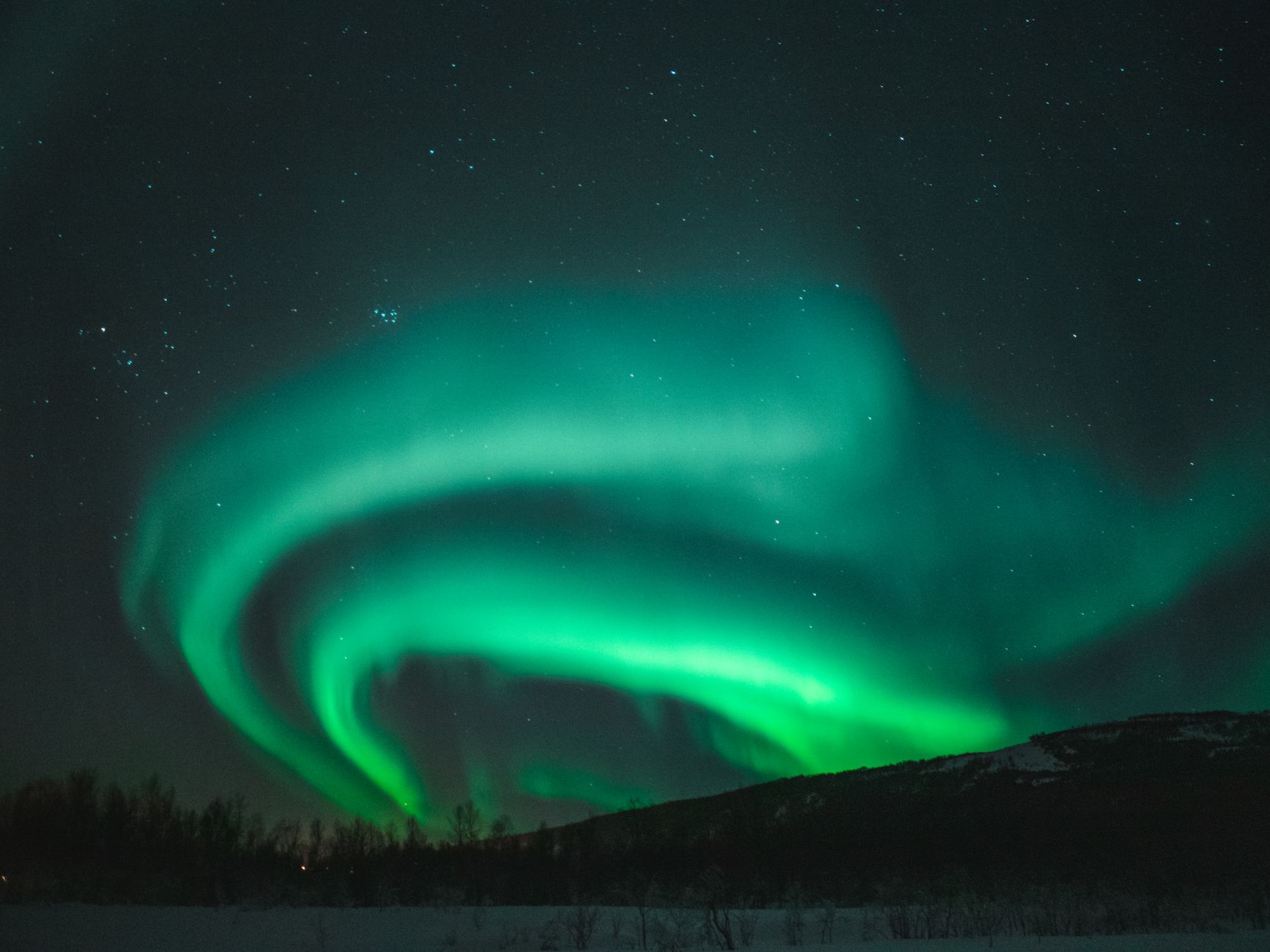
The frigid air bit at my exposed cheeks, but I barely noticed. My gaze was fixed upwards, utterly captivated. A faint green shimmer, like a celestial veil, began to unfurl across the inky black canvas above me. It pulsed, it danced, it deepened in color, painting streaks of emerald and violet that seemed to breathe with a life of their own. This wasn't a screen saver; this was real, and I was watching it from the cozy warmth of a traditional Sami lavvu, a crackling fire at my feet, far from any city lights or the chattering throngs.
That night, tucked away in a remote corner of Finnish Lapland, was the culmination of a quest. A quest born from a slight disillusionment with my first Northern Lights experience – a fleeting glimpse from a crowded tour bus, followed by a hefty bill for a "luxury" glass igloo where the aurora barely made an appearance. I’d scrolled through Instagram, seeing picture-perfect posts from these famous, expensive spots, and thought, "There has to be another way." A more authentic, intimate, and perhaps even more magical way to truly sleep under the Northern Lights.
And there is.
This isn't about the places you see splashed across every influencer's feed, with their exorbitant prices and often compromised views due to light pollution or sheer human density. This is about the hidden gems, the local secrets, the places where the aurora isn't just a spectacle, but an intimate, personal experience. These are the spots where you can truly connect with the raw, untamed beauty of the Arctic, where the only "likes" that matter are the ones your soul gives itself. Ready to uncover them?
Why Go Off-Grid for Aurora? The Truth About Influencer Hotspots
Before we dive into the secret spots, let's talk about why you should even bother. The allure of the iconic glass igloos or luxury lodges is undeniable. They look fantastic on Instagram, promising comfort and a guaranteed view. But the reality often falls short.
The Downsides of Popular Aurora Stays:
- Exorbitant Prices: Many of these places charge upwards of $500-$1000+ per night, often with minimum stays. That's a huge chunk of your travel budget, and there's still no guarantee of seeing the aurora.
- Crowds and Light Pollution: The more popular a spot, the more people. More people mean more artificial light, which directly interferes with aurora visibility. You might be paying for a "wilderness experience" that feels more like a theme park.
- Lack of Authenticity: While beautiful, many of these modern resorts feel disconnected from the local culture and environment. You're in a bubble, not truly experiencing the Arctic way of life.
- Booking Difficulties: Due to their popularity, these places often book out months, even years, in advance.
My personal experience reinforced this. That first "luxury" stay left me feeling like I’d paid a premium for a glorified hotel room with a slightly curved roof. The real magic happened when I started seeking out the smaller, more local, and often more adventurous alternatives. That's where the heart of the aurora truly beats.
The Nordic Heartbeat: Unveiling Scandinavia's Hidden Aurora Havens
Scandinavia is synonymous with the Northern Lights, but beyond the well-trodden paths lie a multitude of places where you can find solitude and spectacular views.
1. Norway: Lofoten's Rorbuer & Finnmark's Sami Sanctuaries
Forget Tromsø's city lights (though it's a great base for tours). Norway’s true aurora magic often lies further north and west.
- Lofoten Islands' Rorbuer: Imagine waking up in a traditional red fishing cabin (rorbu), perched on stilts over the emerald waters, with snow-capped peaks rising dramatically behind you. The Lofoten Islands, particularly during the aurora season (September to March), offer some of the most dramatic backdrops for the Northern Lights.
- Where to Stay: Look for rorbuer in smaller, picturesque villages like Hamnøy, Reine, Nusfjord (a UNESCO site), or Ballstad. Many are available for rent through local operators or platforms like Booking.com/Airbnb. They often come with kitchens, making them budget-friendly. I once rented a charming rorbu in Sakrisøy, just outside Reine, for about $150/night, splitting it with friends. We'd cook dinner, then step out onto our private deck to watch the aurora dance over the fjords. It was pure magic.
- Pro Tip: Rent a car! It's essential for exploring Lofoten and chasing clear skies.
- Finnmark's Sami Camps & Guesthouses: Head deep into Norway's northernmost county, Finnmark, for an incredibly authentic experience. This is the heartland of the Sami people, Europe's only indigenous population.
- Where to Stay: Areas around Kautokeino or Karasjok offer opportunities to stay in traditional Sami lavvu (teepee-like tents), often as part of a cultural experience with local reindeer herders. These are rustic but profoundly spiritual. Alternatively, look for small, family-run guesthouses or cabins near Alta (known as the "City of Northern Lights") but away from the main town center's light pollution.
- Specifics: Check out Engholm Husky Design Lodge near Karasjok for unique log cabins (a bit pricier but offers incredible experiences), or search for smaller, local guesthouses via regional tourism boards. Expect to pay $100-250/night for a cabin or guesthouse.
2. Sweden: Abisko's Backcountry & Kiruna's Forest Cabins
Sweden's Arctic is famous for Abisko National Park, one of the best aurora viewing spots due to its "blue hole" microclimate. But you don't have to stay at the crowded STF Mountain Station to experience it.
- Abisko's Surroundings: While the Aurora Sky Station is popular, consider staying in a smaller guesthouse or cabin in the village of Abisko Östra or the nearby town of Björkliden. You'll still be within the same prime viewing area, often with more privacy.
- Where to Stay: Look for private cabins or apartments in Abisko Östra. Björkliden offers the Björkliden Fjällby, which has cabins and apartments that are less busy than the STF, yet still provide stunning views and easy access to the park. I found a cozy Airbnb cabin in Abisko Östra for around $120/night, a short walk from the main road, and had incredible aurora views right from the porch.
- Kiruna's Remote Forest Retreats: The city of Kiruna is a hub, but the real gems are scattered in the vast forests surrounding it.
- Where to Stay: Search for traditional stuga (cabins) or small lodges deep in the forest. Many are basic but offer unparalleled tranquility and dark skies. Websites like stugknuten.com (for Swedish cabins) or local tourism offices are your best bet. Consider places near Jukkasjärvi (home of the Icehotel, but look for smaller, independent stays around it) or Nikkaluokta, a gateway to Kebnekaise, Sweden's highest mountain, which has a small mountain station and cabins. Prices can range from $80-$200/night.
3. Finland: Inari's Lakeside Cabins & Kilpisjärvi's Wilderness Huts
Finnish Lapland is famous for its Santa Claus Village, but its true beauty lies further north, in the vast, silent wilderness.
- Lake Inari's Rustic Charm: Lake Inari, the third-largest lake in Finland, is incredibly remote and offers pristine dark skies.
- Where to Stay: Focus on traditional log cabins (mökki in Finnish) along the shores of Lake Inari or in the small villages surrounding it, such as Inari or Nellim. Many of these are privately owned and rented out, offering a genuine Finnish experience. Some even have private saunas! I stayed in a simple, heated cabin near Inari for about $130/night, and the aurora reflected off the frozen lake was a sight I'll never forget. Check local tourism sites for Inari-Saariselkä region.
- Kilpisjärvi's Fjell Landscape: Tucked away in the very northwest corner of Finland, bordering Sweden and Norway, Kilpisjärvi is a high-altitude wilderness area known for its stark beauty and excellent aurora viewing.
- Where to Stay: The Kilpisjärvi Tourist Centre offers various accommodations, including cabins. For a truly unique experience, look into booking one of the many wilderness huts (autiotupa) managed by Metsähallitus (Finnish Forest and Park Service). Some are free and open to all, others are reservable for a small fee (around €10-€20/night). These are very basic (no running water, usually an outhouse) but offer incredible solitude and direct access to nature. This is for the adventurous, but the reward is unparalleled dark skies.
Beyond the Arctic Circle: North America's Wild Aurora Frontier
North America offers its own rugged, expansive landscapes perfect for aurora hunting, often with a distinctly different vibe from Scandinavia.
4. Canada: Yukon's Wilderness Lodges & NWT's Remote Cabins
Canada's Yukon and Northwest Territories are vast, sparsely populated, and offer some of the world's best aurora displays.
- Yukon's Whitehorse Area Retreats: Whitehorse is the capital, but true aurora chasers venture outside the city.
- Where to Stay: Look for small, independent lodges or cabins within an hour's drive of Whitehorse. These often offer aurora viewing packages but are far more intimate than large resorts. Examples include Northern Lights Resort & Spa (which has smaller, private cabins separate from its main lodge), Sundog Retreat, or various Airbnb cabins advertised as "aurora viewing." I spent a week in a cozy cabin on the outskirts of Whitehorse, which cost around $180/night. Every night, I'd prepare a thermos of hot chocolate, wrap myself in a blanket, and wait for the show to begin right outside my door.
- Northwest Territories' Yellowknife Outskirts: Yellowknife is a known aurora hotspot, but again, escaping the city lights is key.
- Where to Stay: Instead of staying right in Yellowknife, explore lodges and cabins on the Ingraham Trail, a scenic highway leading out of the city. Places like Trout Rock Lodge or other smaller fishing/wilderness lodges offer a more secluded experience. Some are only accessible by ice road in winter or floatplane in summer/fall, adding to their adventurous appeal. These can be a bit pricier ($200-$400/night) due to their remote nature and included activities, but they offer true immersion.
5. Alaska: Fairbanks' Backcountry & Arctic Circle Cabins
Alaska's vastness provides endless opportunities for dark skies, with Fairbanks often serving as the primary hub.
- Fairbanks' Surrounding Wilderness: While Fairbanks has its own aurora tours, the best views are always away from city lights.
- Where to Stay: Look for lodges, cabins, or B&Bs along the Steese Highway or Chena Hot Springs Road (but not necessarily at Chena Hot Springs Resort if you're avoiding crowds). There are numerous private rentals and small, family-run establishments that cater to aurora tourists. Many offer small, basic cabins for rent that are perfect for a quiet aurora vigil. I found a delightful cabin near the town of North Pole (just outside Fairbanks) for about $160/night, where the owner had set up a heated "aurora viewing shack" in their backyard.
- Arctic Circle Remote Lodges: For the ultimate Alaskan aurora adventure, consider a trip north of the Arctic Circle.
- Where to Stay: Lodges along the Dalton Highway (the "Haul Road") or accessible by bush plane offer extreme solitude. Places like Coldfoot Camp provide basic accommodation and are far north enough for frequent, intense displays. This is a rugged experience, often requiring specialized gear and preparation, but it's an unforgettable one. Prices can vary greatly depending on accessibility and services, from $150 for basic rooms to much more for guided tours.
Unique Stays & Budget Hacks for Your Secret Aurora Escape
Beyond specific regions, there are types of accommodations and strategies that can unlock even more unique and affordable aurora experiences.
- Campervan/RV Adventures: If you're comfortable with winter driving and cold-weather camping, renting a campervan (equipped for winter) or RV can be an incredible way to chase the aurora. You have the flexibility to drive to clear skies and pull over in designated areas (check local regulations for overnight parking). This is often one of the most budget-friendly options, especially if you cook your own meals.
- Tips: Ensure your vehicle is properly insulated and has a good heating system. Pack extra blankets, a portable power bank, and a reliable navigation system. Research local camping laws – some areas allow dispersed camping, others require specific campgrounds.
- Wilderness Huts & Mountain Stations: As mentioned with Finland's autiotupa, many Nordic countries (and even parts of Canada/Alaska) have networks of wilderness huts or small mountain stations. These are typically basic, unstaffed, and often require a key from a local tourism office or a membership with a hiking association. They are usually located in incredibly remote, dark areas.
- How to Find: Look up national park services or hiking associations (e.g., Svenska Turistföreningen (STF) in Sweden, Den Norske Turistforening (DNT) in Norway, Metsähallitus in Finland).
- Farm Stays & Rural Guesthouses: Many local families in Arctic regions supplement their income by offering rooms or small cabins on their farms or properties. These are often found through local tourism websites, Airbnb, or simply by asking around in smaller villages. They provide an authentic cultural exchange and are usually far from light pollution.
- Example: In Iceland, instead of the Golden Circle's popular hotels, explore guesthouses on farms in the Westfjords or the Eastfjords. While less known for aurora than the south, the sheer isolation and dark skies offer prime viewing chances. I once stayed at a guesthouse on an Icelandic horse farm near Akureyri for $100/night, and the aurora danced directly over the horses in the fields.
- "Glamping" with a Twist: While some glamping sites are mainstream, look for smaller, independent operators offering unique tent, yurt, or dome experiences in genuinely remote locations. These often combine comfort with an immersive wilderness feel.
- Check for: Sustainable operators, small-scale businesses, and locations that emphasize dark sky preservation.
Practicalities of Your Secret Aurora Escape
Planning a trip to these hidden gems requires a bit more forethought, but the rewards are immense.
- When to Go: The best time to see the Northern Lights is typically from late September to late March, when the nights are long and dark. January to March often offers the coldest, clearest skies.
- Packing Essentials:
- Layers, Layers, Layers: Merino wool base layers, fleece mid-layers, and a waterproof/windproof outer shell.
- Extreme Cold Gear: Insulated winter boots (rated to -30°C/-22°F), warm hat, gloves/mittens, wool socks, neck gaiter.
- Photography Gear: DSLR/mirrorless camera with a wide-angle lens (f/2.8 or lower recommended), sturdy tripod, remote shutter release, extra batteries (cold drains them quickly!).
- Headlamp: With a red light option to preserve night vision.
- Thermos: For hot drinks during long aurora watches.
- Aurora Forecasting: No trip guarantees the aurora, but you can increase your chances. Use apps and websites like My Aurora Forecast, Aurora Forecast (by SpaceWeatherLive), or NOAA's Space Weather Prediction Center. Look for high Kp-index values (3+ is good, 5+ is excellent) and clear skies.
- Transportation: A rental car (with winter tires) is often essential for reaching remote locations and chasing clear skies. Book well in advance, especially for 4x4 options. Be comfortable driving on snow and ice.
- Safety in Remote Areas:
- Tell someone your itinerary.
- Carry emergency supplies: first-aid kit, extra food, water, warm clothes.
- Be aware of wildlife: especially in North America (moose, bears).
- Understand local conditions: Check weather and road reports daily.
- Respect Local Culture & Environment: When visiting indigenous communities (like the Sami), be respectful of their traditions and land. Leave no trace. Support local businesses.
Conclusion: Your Aurora, Your Way
The Northern Lights are one of nature's most breathtaking spectacles, and experiencing them should be about connection, wonder, and authenticity, not just a photo op. By choosing to step off the well-worn path, you're not just saving money; you're investing in a deeper, more profound travel experience. You're trading crowds for quiet, manufactured luxury for genuine charm, and fleeting Instagram moments for lasting memories etched in your soul.
So, ditch the influencer hot spots. Seek out the hidden cabins, the family-run guesthouses, the remote wilderness huts. Embrace the crisp Arctic air, the profound silence, and the anticipation of nature's greatest light show. This isn't just about seeing the aurora; it's about living it.
Have you discovered a secret aurora spot? Share your hidden gems and tips in the comments below! And don't forget to tag #TripsoraAurora when you share your incredible, authentic Northern Lights adventures on social media. Your next unforgettable journey starts now.
---