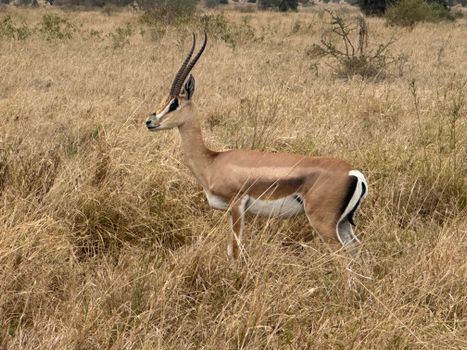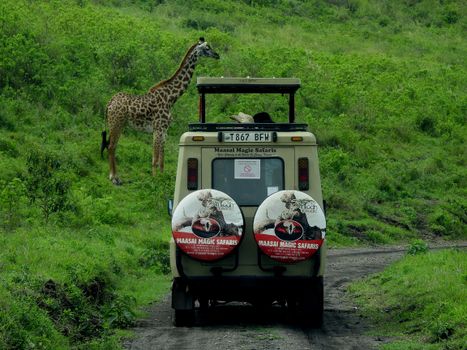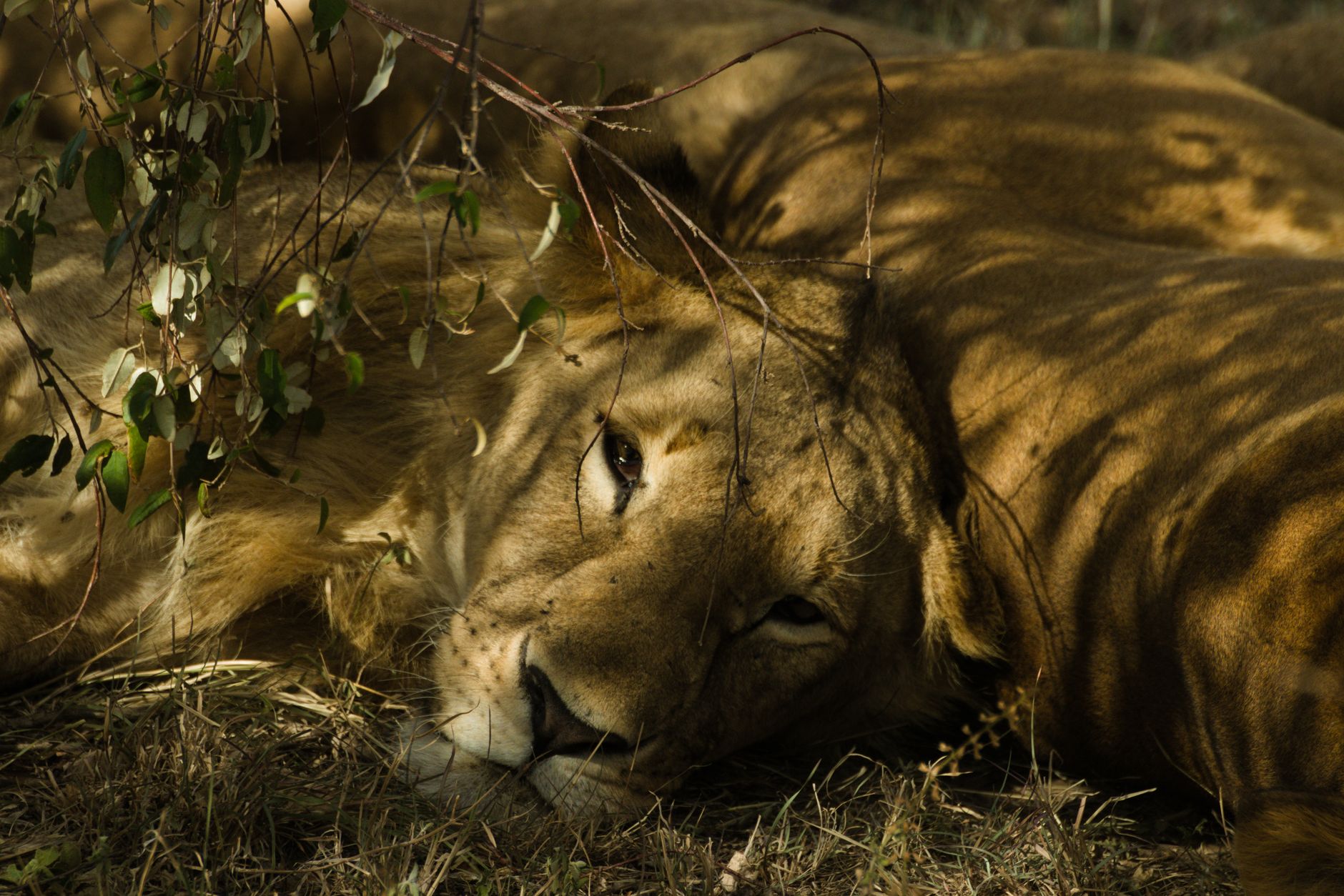
The dry, dusty air of the savanna, thick with the scent of acacia and something primal, hit me the moment I stepped out of the bush plane. It was a familiar perfume, one that always signals the start of something wild. But this time, the usual chorus of cicadas was punctuated by a different, more urgent energy. February. The "secret" month for safari enthusiasts seeking raw, unadulterated wilderness without the throngs. Kenya is magnificent, no doubt, but for those yearning for something more, something that whispers rather than shouts, the safari landscape in February 2026 offers a dazzling array of alternatives.
As a travel journalist who’s practically lived in a Land Cruiser, I’ve learned that the “best” safari isn’t always the most famous. It’s the one that surprises you, the one that offers a unique perspective, the one where you feel like you’ve stumbled upon a well-kept secret. And in February, several destinations across Africa truly come into their own, offering experiences that rival, and in some ways surpass, the well-trodden paths.
Beyond the Horizon: Unveiling February's Safari Superstars
February in Africa is a fascinating paradox. For many, it’s the tail end of the rainy season in some regions, meaning lush landscapes and newborn wildlife. For others, it’s the height of the dry season, concentrating animals around dwindling water sources. This is precisely the magic that allows us to explore destinations that offer unparalleled wildlife viewing and a more intimate connection with nature.
1. Botswana: The Unspoiled Wilderness of Chobe & the Okavango Delta
Botswana. The name itself conjures images of vast, untouched wilderness. And in February, it’s a symphony of life. While the Great Migration might be a distant hum, the permanent waters of the Okavango Delta and the colossal elephant herds of Chobe National Park offer a spectacle that is simply breathtaking.
Why February Shines Here:
* The Delta Awakens: February marks the beginning of the flood season in the Okavango Delta. This means water levels are rising, creating a labyrinth of channels and lagoons. Mokoro (traditional dugout canoe) safaris become absolutely magical, gliding through the wetlands, offering a silent, intimate encounter with diverse birdlife and the chance to spot hippos, crocodiles, and even leopards lounging on branches.
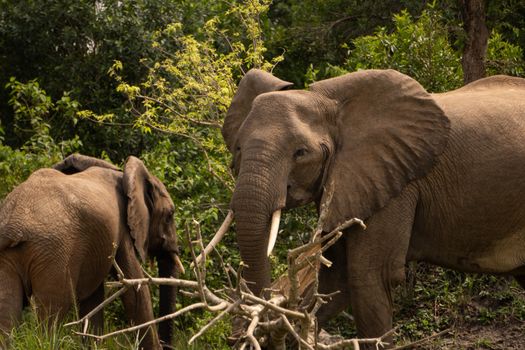
* Chobe's Elephant Bonanza: Chobe National Park is renowned for its staggering elephant population, and February is a fantastic time to witness them. The receding floodwaters concentrate them along the Chobe Riverfront, making for incredible sightings from game drives and, crucially, from river cruises. Imagine a hundred elephants bathing, playing, and drinking – it’s a humbling sight.
* Fewer Crowds, More Intimacy: While Botswana is never truly "empty," February falls outside the peak safari season, meaning you’ll experience a greater sense of solitude and have more personal interactions with your guides and the wildlife.
Insider Pro-Tips for Botswana in February:
* Okavango Mokoro Magic: Book a mokoro excursion at sunrise. The light is ethereal, and the wildlife is most active as the day begins. Ask your guide about the "lily pads" – they’re not just pretty, they’re a vital part of the delta's ecosystem.
* Chobe River Cruise: This is non-negotiable. Opt for a smaller, more agile boat for a more personal experience. Bring binoculars – the birdlife is sensational.
* Fly-in Safaris: While pricier, they are the most efficient way to access remote camps in the Okavango. The views from the air are also spectacular.
Quick Facts: Botswana
| Feature | Details |
| :------------- | :------------------------------------------------------ |
| Estimated Cost ($) | $$$$ (Luxury, but worth every penny) |
| Best Time to Visit | June-October (peak dry season), February (green season, fewer crowds) |
| How to Get There | Fly into Maun (MUB) or Kasane (BBK) via Johannesburg (JNB) or Gaborone (GBE). |
2. Namibia: Desert Giants and Star-Studded Skies
Namibia is a land of stark, dramatic beauty. Think towering red dunes, ancient desert-adapted wildlife, and a silence so profound it hums. February here is the green season, bringing a surprising lushness to the arid landscapes and a surge of newborn animals.
Why February Shines Here:
* Etosha's Waterhole Spectacle: Etosha National Park is a desert oasis, and its unique salt pan and numerous waterholes become magnets for wildlife during the dry season, which is just beginning to transition in February. You can sit for hours at a well-placed hide and witness an incredible parade of elephants, rhinos, lions, giraffes, and zebras coming to drink.
* Desert-Adapted Survivors: Namibia’s true magic lies in its ability to sustain life in extreme conditions. In February, you’ll find desert-adapted elephants in Damaraland and Spitzkoppe, often a more elusive sight during the peak dry months. The landscape, while still arid, has a subtle green tint that makes photography pop.
* The Milky Way Unveiled: Namibia boasts some of the darkest skies on Earth. February, being outside the peak tourist season, means clearer skies and fewer lights, offering an unparalleled stargazing experience. The NamibRand Nature Reserve is an International Dark Sky Reserve for a reason.
Insider Pro-Tips for Namibia in February:
* Etosha's Eastern Side: While the western side is popular, the eastern side of Etosha often offers more concentrated game viewing around the waterholes in February.
* Damaraland's Ancient Rock Art: Combine your safari with a visit to Twyfelfontein, a UNESCO World Heritage site, to see ancient San rock engravings. It’s a powerful connection to Namibia’s past.
* Self-Drive Adventure: Namibia is ideal for self-drivers. Rent a sturdy 4x4 and explore at your own pace. The roads are generally well-maintained, but always carry extra water and fuel.
Quick Facts: Namibia
| Feature | Details |
| :------------- | :------------------------------------------------------ |
| Estimated Cost ($) | $$ - $$$ (Can be budget-friendly for self-drive) |
| Best Time to Visit | June-October (peak dry season), February (green season, newborn wildlife, fewer crowds) |
| How to Get There | Fly into Windhoek (WDH) from major international hubs. |
3. Tanzania: The Serengeti's Green Season and Southern Serenity
Tanzania is home to the legendary Serengeti, and while the Great Migration's dramatic river crossings are a summer spectacle, February offers a different kind of magic – the "green season" in the Serengeti and the untamed beauty of the southern circuits.
Why February Shines Here:
* The Serengeti's Lush Embrace: February is calving season on the southern plains of the Serengeti. This means thousands of wildebeest calves are born, creating a nursery of life. Predators are in abundance, drawn by the easy prey. It’s a time of intense activity, the circle of life in its most raw form. The landscape is also stunningly green and vibrant.
* The Selous Game Reserve (Nyerere National Park): Venture south to the vast Selous, now Nyerere National Park. February is an excellent time for boat safaris on the Rufiji River, offering unique perspectives of hippos, crocodiles, and abundant birdlife. The Selous offers walking safaris, a thrilling way to experience the bush on foot.
* Ruaha National Park's Rugged Charm: Tanzania's largest national park, Ruaha, is a truly wild place. In February, the rains have softened the landscape, and the park is teeming with a staggering diversity of wildlife, including large elephant herds and a significant population of wild dogs. It’s a destination for the adventurous traveler seeking an authentic, less commercialized safari.
Insider Pro-Tips for Tanzania in February:
* Serengeti's Southern Plains: Base yourself in the Ndutu area for prime calving season viewing. The sheer concentration of animals is staggering.
* Boat Safari Bliss in Selous: Don't miss a sunset boat safari on the Rufiji. It’s incredibly peaceful and offers exceptional photography opportunities.
* Walking Safari in Ruaha: If you're looking for an adrenaline rush and a deeper connection to the bush, a guided walking safari here is unforgettable.
Quick Facts: Tanzania
| Feature | Details |
| :------------- | :------------------------------------------------------ |
| Estimated Cost ($) | $$$ - $$$$ (Serengeti can be pricey, southern circuits more accessible) |
| Best Time to Visit | June-October (dry season), February (calving season in Serengeti, green season elsewhere) |
| How to Get There | Fly into Kilimanjaro International Airport (JRO) or Julius Nyerere International Airport (DAR). |
4. Rwanda: Gorilla Trekking in the Emerald Highlands
For a safari experience that is profoundly different, consider Rwanda in February. While not a traditional "big game" safari, the opportunity to trek for mountain gorillas in the Virunga Mountains is an unparalleled wildlife encounter.
Why February Shines Here:
* The Dry Season's Gentle Touch: February is part of Rwanda's drier season, making the trekking trails less muddy and more accessible. The lush bamboo forests and volcanic slopes are at their most inviting, and the gorillas are more visible as they move through their territories.
* Intimate Gorilla Encounters: The gorilla permits are limited, ensuring that each trekking group is small and the experience is intimate and respectful. Spending an hour with a gorilla family, observing their complex social structures, is a deeply moving, almost spiritual, experience.
* Volcanic Beauty and Birdlife: Beyond the gorillas, Rwanda’s Volcanoes National Park is a breathtaking landscape of mist-shrouded peaks. The birdlife is also spectacular, with many endemic species.
Insider Pro-Tips for Rwanda in February:
* Book Permits EARLY: Gorilla permits are highly sought after and sell out months in advance. Secure yours as soon as possible.
* Pack Appropriately: Wear sturdy hiking boots, waterproof clothing, and long sleeves/trousers to protect against nettles and insects. A good quality rain jacket is essential, even in the drier season.
* Golden Monkey Trek: If you have time, consider a trek to see the endangered golden monkeys. They are playful and a delight to watch.
Quick Facts: Rwanda
| Feature | Details |
| :------------- | :------------------------------------------------------ |
| Estimated Cost ($) | $$$$ (Permits are a significant cost) |
| Best Time to Visit | June-September (dry season), February (drier season, good trekking) |
| How to Get There | Fly into Kigali International Airport (KGL). |
5. South Africa: Kruger's Hidden Gems and the Cape's Coastal Charms
South Africa offers a diverse safari experience, from the iconic Kruger National Park to the unique coastal and bushveld encounters in the Western Cape. February falls within the summer months, bringing lush greenery and excellent birding.
Why February Shines Here:
* Kruger's Green Season: The Kruger National Park is at its most verdant in February. While game viewing can sometimes be more challenging due to thicker vegetation, the birdlife is phenomenal, and the landscapes are incredibly beautiful. It’s also the calving season for many antelope species.
* Private Reserves Adjacent to Kruger: For a more exclusive experience, consider the private reserves bordering Kruger, such as Sabi Sands, Timbavati, and Klaserie. Here, off-road driving and night drives are permitted, increasing your chances of spotting elusive predators like leopards, which are highly sought after.
* The Garden Route & Addo Elephant National Park: Combine your safari with the stunning Garden Route. Addo Elephant National Park, near the coast, is famous for its dense elephant population and offers a malaria-free safari experience. February is a great time to visit, with pleasant weather for exploring.
Insider Pro-Tips for South Africa in February:
* Leopard Spotting in Sabi Sands: If leopard is your priority, Sabi Sands is legendary. The rangers are incredibly skilled at finding them.
* Birding in Kruger: Bring your birding guide! February is a twitcher's paradise with migratory birds present.
* Malaria-Free Addo: For families or those concerned about malaria, Addo is an excellent option. Its unique dung beetle conservation efforts are also fascinating.
Quick Facts: South Africa
| Feature | Details |
| :------------- | :------------------------------------------------------ |
| Estimated Cost ($) | $$ - $$$ (Kruger can be affordable, private reserves are luxury) |
| Best Time to Visit | May-October (dry season), February (green season, birding, calving) |
| How to Get There | Fly into O.R. Tambo International Airport (JNB) in Johannesburg or Cape Town International Airport (CPT). |
The Final Word: Your February 2026 Safari Awaits
Kenya is undeniably a world-class safari destination. But for those of us who crave the thrill of discovery, the quiet moments of profound connection, and the chance to witness nature in its most vibrant, unhurried state, February 2026 presents an extraordinary opportunity. These destinations offer not just wildlife, but experiences that resonate long after you’ve left their shores. They offer the chance to trade the well-trodden path for a journey of genuine adventure. So, where will your February 2026 safari take you?