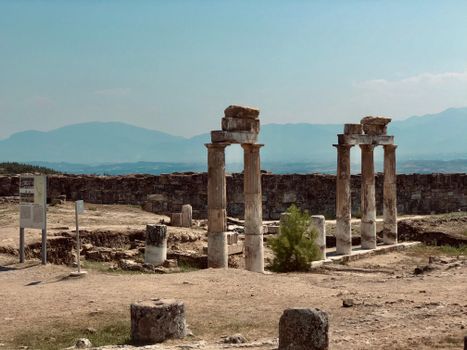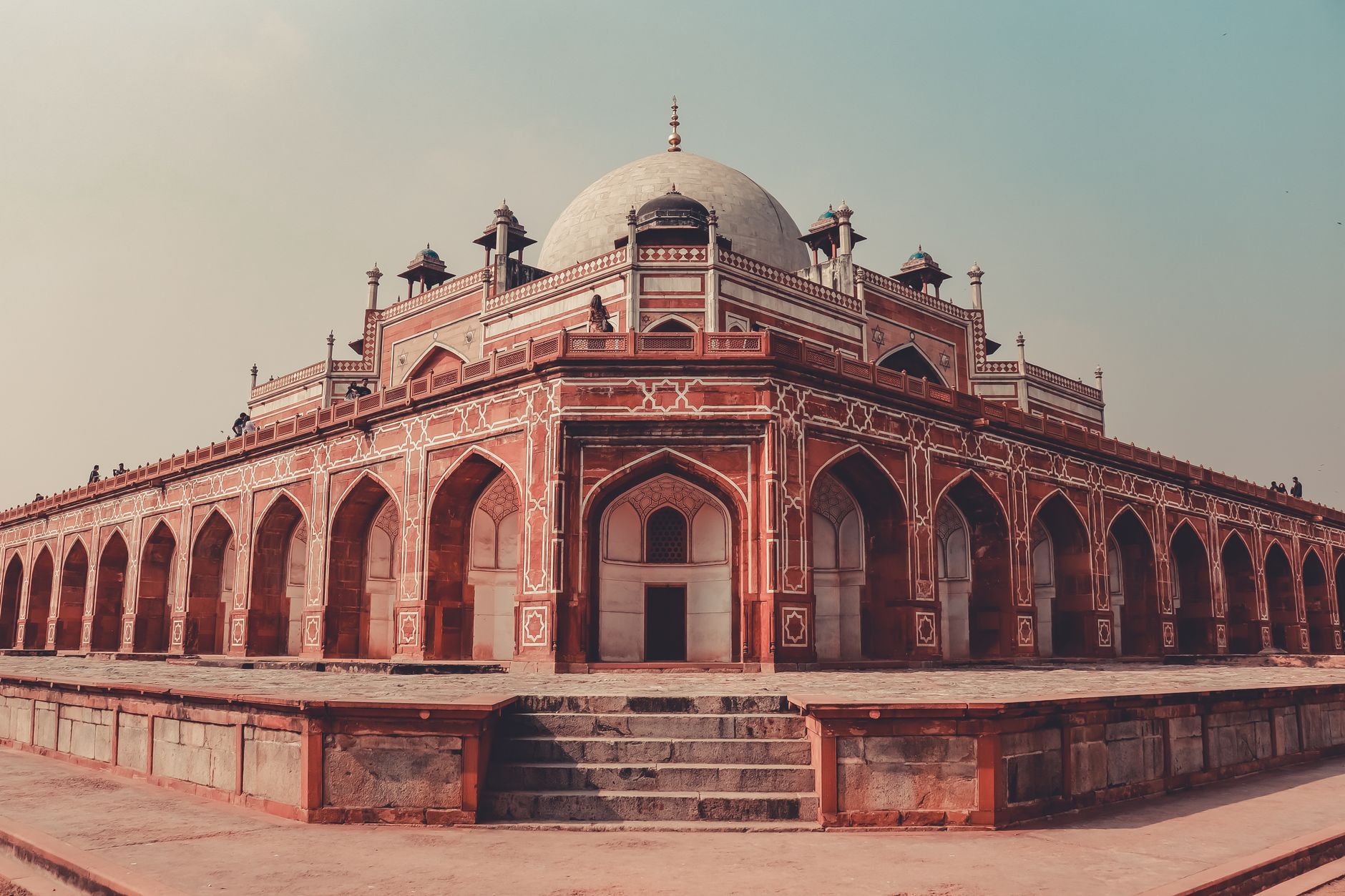
The Ultimate Guide to New UNESCO World Heritage Sites Worth Visiting (Experts' Top Picks!)
I stepped off the overnight train, the cool pre-dawn air carrying the faint, intoxicating scent of damp earth and blooming jasmine. The faint murmur of distant temple bells was just beginning to weave its way through the hushed quiet, a gentle invitation to a place that felt both ancient and vibrantly alive. This, I knew instantly, was more than just another stop on my itinerary; it was a portal to a forgotten era, a testament to human ingenuity and nature's raw power, recently etched onto the prestigious UNESCO World Heritage list.
For years, I’ve chased the whispers of new discoveries, the places that haven't yet been overrun by selfie sticks, the sites that still hold a potent sense of wonder. And let me tell you, the latest additions to the UNESCO World Heritage list are exceptional. These aren't just historical markers; they are living, breathing stories waiting to be explored. Forget the crowded usuals; this is your exclusive pass to the destinations that are currently igniting the imaginations of the world's most discerning travelers and experts.
1. The Enigmatic Echoes of the Qattara Depression, Egypt (New Inscription!)
Imagine a vast, sunken basin, a dramatic geological marvel carved by millennia of wind and water. The Qattara Depression in Egypt, a recent addition to the tentative UNESCO list and hotly tipped for full inscription, isn't just a landscape; it's a raw, untamed masterpiece.
Why it's a Game-Changer:
This isn't about pharaohs and pyramids (though Egypt has those in spades!). This is about the Earth's dramatic artistry. The sheer scale of the depression, its unique flora and fauna adapted to arid conditions, and its historical significance as a potential site for early human settlements make it utterly compelling. It’s a stark reminder of our planet’s dynamic history.
Insider Intel:
While not yet officially inscribed, the buzz among geologists and archaeologists is palpable. Visits are currently limited and require special permits, adding to its allure as a truly exclusive experience. Think rugged exploration, not resort relaxation.
Pro-Tip:
Engage with local Bedouin guides. Their knowledge of the terrain, the rare desert blooms, and the ancient pathways is unparalleled. They can unlock stories the rocks themselves seem to whisper.
Quick Facts:
- Estimated Cost ($): $$$ (Permits, specialized guides, and remote access contribute to higher costs)
- Best Time to Visit: October to April (cooler temperatures)
- How to Get There: Fly into Cairo (CAI), then arrange for a 4x4 expedition with a certified guide. This is not a DIY destination.
---
2. The Whispering Forests of the Valongo Wharf Archaeological Site, Brazil (New Inscription!)
Stepping onto the polished stones of the Valongo Wharf in Rio de Janeiro, you can almost hear the phantom echoes of thousands of souls. This recently inscribed UNESCO site is a poignant and powerful testament to the brutal history of the transatlantic slave trade.
Why it's a Game-Changer:
Valongo isn't just about ruins; it's about remembrance and reconciliation. It's the largest landing point for enslaved Africans in the Americas, and its inscription brings a vital, often overlooked, chapter of human history to the forefront. The archaeological work here is ongoing, uncovering layers of stories that demand our attention.
Insider Intel:
The site has been meticulously excavated and preserved. Walking the cobblestones, you'll see remnants of the docks, cisterns, and even a chapel. It's a visceral experience that connects you directly to a pivotal, yet often sanitized, part of history.
Pro-Tip:
Visit the nearby Museu do Amanhã (Museum of Tomorrow) for context, and then make your way to Valongo. The juxtaposition of futuristic architecture and the raw historical weight of the wharf is incredibly moving. Consider a guided tour with a local historian specializing in Afro-Brazilian heritage.
Quick Facts:
- Estimated Cost ($): $ (Accessible via public transport in Rio)
- Best Time to Visit: Year-round, but avoid major Carnival days if you prefer a more contemplative experience.
- How to Get There: Fly into Rio de Janeiro (GIG or SDU). Valongo Wharf is located in the port area, easily accessible by taxi or public transport.
---
3. The Celestial Geometry of the Astronomical Complex of Chankillo, Peru (New Inscription!)
Perched on arid hills overlooking the Pacific, the Astronomical Complex of Chankillo in Peru is a silent, sun-baked sentinel of ancient stargazing. This newly recognized UNESCO site is a marvel of pre-Incan engineering and astronomical understanding.
Why it's a Game-Changer:
Chankillo predates the Inca and showcases an incredible sophistication in observing the heavens. The 13 towers, precisely aligned with the sun's path throughout the year, are a testament to a civilization deeply connected to celestial cycles. It’s a cosmic calendar etched in stone.
Insider Intel:
The most striking feature is the alignment of the towers with the solstices and equinoxes. Visiting during these times, or even just understanding the precision, is breathtaking. The site feels vast and exposed, allowing you to truly appreciate the immensity of the sky and the ingenuity of its ancient observers.
Pro-Tip:
Hire a local guide who understands archaeoastronomy. They can point out the specific alignments and explain the cultural significance of these celestial observations. The light at sunrise or sunset is particularly dramatic here.
Quick Facts:
- Estimated Cost ($): $$ (Requires transport from nearby towns like Casma)
- Best Time to Visit: March to November (dry season). Aim for a clear day for optimal astronomical viewing.
- How to Get There: Fly into Lima (LIM), then take a bus or flight to the city of Huaraz or Trujillo. From there, arrange for a private car or tour to Chankillo.
---
4. The Verdant Secrets of the Ivaylo-Petkovo Archaeological Complex, Bulgaria (New Inscription!)
Deep within Bulgaria's picturesque countryside lies a treasure trove of history, the Ivaylo-Petkovo Archaeological Complex, a recent addition that's sending ripples through the archaeological community.
Why it's a Game-Changer:
This site offers a fascinating glimpse into Thracian and Roman civilizations, with well-preserved fortifications, burial mounds, and evidence of ancient daily life. It’s a chance to explore a less-trodden path in European history, away from the usual Roman ruins.
Insider Intel:
The complex is a sprawling testament to early settlements. You can wander through the remains of ancient walls, imagine the bustling markets, and feel the weight of centuries. The Thracian burial mounds, in particular, are shrouded in mystery and offer a unique insight into their funerary practices.
Pro-Tip:
Combine your visit with exploration of the nearby Rhodope Mountains. The natural beauty of the region perfectly complements the historical richness of the archaeological complex. Look for local wineries – Bulgarian wine is a delightful, under-the-radar gem.
Quick Facts:
- Estimated Cost ($): $$ (Requires transport from Sofia or Plovdiv)
- Best Time to Visit: May to September (pleasant weather for outdoor exploration)
- How to Get There: Fly into Sofia (SOF) or Plovdiv (PDV). Rent a car or hire a driver to reach the complex, which is best explored with a vehicle.
---
5. The Majestic Fjords and Glaciers of the Westfjords, Iceland (Tentative List, Expert Favorite!)
While Iceland is no stranger to natural wonders, the remote and rugged Westfjords are gaining serious traction as a future UNESCO World Heritage site, and for good reason. This is Iceland at its most raw and untamed.
Why it's a Game-Changer:
The Westfjords are a masterpiece of glacial erosion, featuring dramatic fjords, towering cliffs teeming with birdlife, and vast, untouched landscapes. It’s a place where the sheer power of nature is on full, breathtaking display. Think puffins by the thousands, seals basking on rocky shores, and waterfalls cascading into the icy sea.
Insider Intel:
This region is characterized by its isolation, which has preserved its unique character. You'll find charming fishing villages, geothermal hot springs hidden in remote valleys, and hiking trails that lead to panoramas that will steal your breath. The silence here is profound, broken only by the cries of seabirds and the crashing waves.
Pro-Tip:
Rent a 4x4 vehicle. The roads can be challenging, but the freedom to explore off-the-beaten-path beaches and hidden coves is invaluable. Don't miss the Látrabjarg cliffs for incredible birdwatching and the Dynjandi waterfall, a true cascade of dreams.
Quick Facts:
- Estimated Cost ($): $$$$ (Iceland is generally expensive, and the Westfjords require dedicated travel)
- Best Time to Visit: June to August (midnight sun, most accessible roads)
- How to Get There: Fly into Reykjavík (KEF), then take a domestic flight to Ísafjörður (IFJ) or drive – a scenic but long journey (allow at least 2-3 days).
---
6. The Ancient Silk Roads: Samarkand, Bukhara, and Khiva, Uzbekistan (Expansion of Existing Site!)
While parts of the Silk Road have been recognized by UNESCO for a while, the recent expansion to include the magnificent cities of Samarkand, Bukhara, and Khiva as a single, interconnected World Heritage site solidifies their status as absolute must-visits.
Why it's a Game-Changer:
This isn't just about individual cities; it's about the entire Silk Road narrative brought to life. These three cities are jewels, glittering with turquoise domes, intricate tilework, and bustling bazaars that have pulsed with trade and culture for centuries. The expansion highlights the interconnectedness of this ancient network.
Insider Intel:
* Samarkand: The Registan Square is simply jaw-dropping. The sheer scale and artistry of the madrasahs are overwhelming. Don't miss the Shah-i-Zinda necropolis, a breathtaking avenue of mausoleums.
* Bukhara: The Ark of Bukhara, a massive fortress, and the Kalyan Minaret dominate the skyline. Wander the labyrinthine alleys of the old city, where every corner reveals a new architectural marvel. The aroma of spices and freshly baked bread fills the air.
* Khiva: This walled inner city, Itchan Kala, feels like stepping onto a movie set. The sand-colored walls and minarets are incredibly well-preserved, offering an immersive experience of medieval Central Asia.
Pro-Tip:
Stay in a traditional guesthouse within the old city walls for the most authentic experience. Engage with local artisans – the intricate embroidery and ceramics are exquisite. Sample the local plov (pilaf) – each city has its own distinct recipe, and they are all divine.
Quick Facts:
- Estimated Cost ($): $$ (Surprisingly affordable for the level of cultural richness)
- Best Time to Visit: April to May and September to October (pleasant temperatures, avoid the harsh summer heat)
- How to Get There: Fly into Tashkent (TAS) or Samarkand (SKD). High-speed trains connect these three cities efficiently, making it easy to explore them as a circuit.
---
The Expert's Take: Why These New Sites Matter
As a travel journalist, I've seen trends come and go. But the growing recognition of sites like these by UNESCO signals a shift towards more meaningful, historically significant, and often less-visited destinations. Experts are recommending them not just for their beauty, but for their profound stories, their educational value, and their ability to foster a deeper understanding of our shared human heritage.
These aren't just places to tick off a list; they are invitations to connect with the past, to marvel at human achievement, and to be humbled by the grandeur of nature. They challenge us, inspire us, and ultimately, enrich our lives. So, if you're looking for your next truly unforgettable adventure, look no further than these extraordinary new UNESCO World Heritage sites. Your journey of discovery begins now.
---