Beyond the Horizon: Unveiling Safari Gems Your Travel Advisor Might Miss
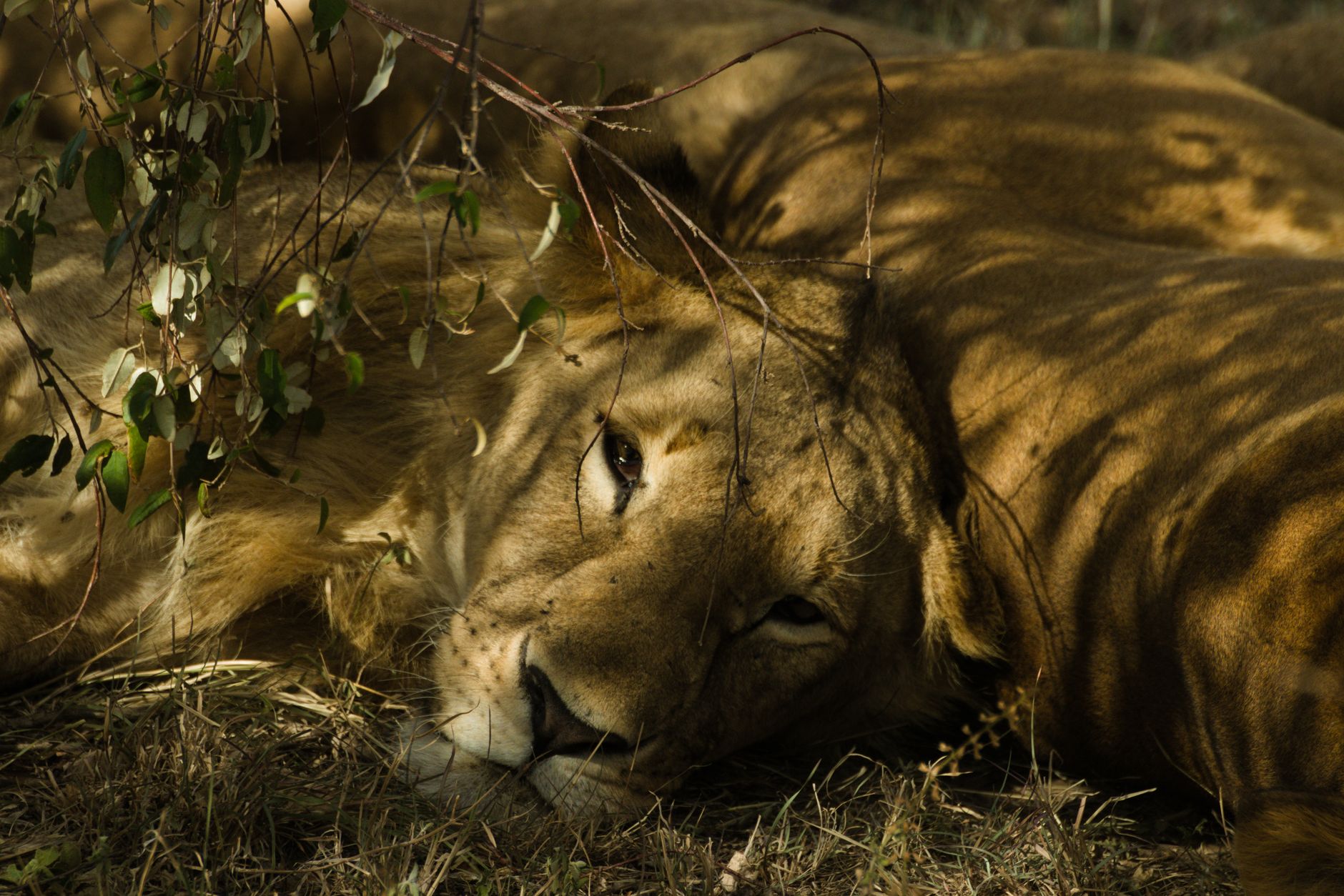
I stepped off the small bush plane, the heat hitting me like a warm embrace. The air, thick with the scent of sun-baked earth and something wild, something ancient, immediately told me I was somewhere different. The distant roar of a lion, not a staged spectacle but a raw, untamed call, sent a shiver down my spine. This wasn't the Kenya I'd heard about in every brochure; this was a whispered secret, a wild symphony playing out just for me.
For years, Kenya has been the undisputed king of African safari dreams. And for good reason! The Maasai Mara, the Serengeti's neighbor, offers iconic Great Migration views and a classic safari experience. But what if I told you there are places, just as spectacular, often more intimate, and sometimes even more budget-friendly, that often fly under the radar of even seasoned travel advisors? Places where the wildlife roams free, the landscapes are breathtakingly diverse, and the encounters are profoundly personal.
Let's ditch the well-trodden paths and dive into the truly extraordinary.
1. Botswana: The Unrivaled Luxury of the Okavango Delta
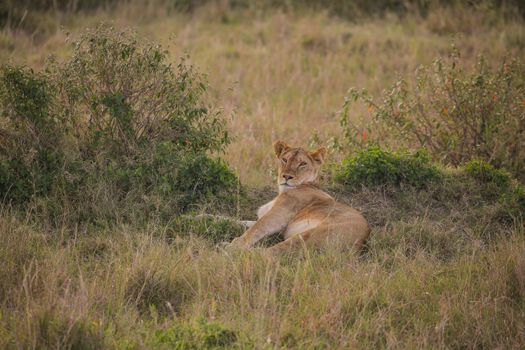
Forget jostling for a glimpse of a leopard. In Botswana, particularly the Okavango Delta, you're more likely to have a pride of lions as your personal entourage. This is exclusive, high-end safari at its finest, and while it might seem pricier upfront, the quality of the experience is unparalleled.
Why it's Better:
* Water-Based Safaris: The Delta is a unique inland oasis, meaning you can explore by mokoro (a traditional dugout canoe) or motorboat. This offers a completely different perspective on wildlife, from hippos and crocodiles to an astonishing array of birdlife.
* Low-Density Tourism: Botswana prioritizes conservation and limits visitor numbers, ensuring vast, unspoiled wilderness for every guest. You won't find herds of safari vehicles here.
* Exceptional Game Viewing: With strict regulations, the wildlife is incredibly habituated and less wary of humans. Expect close, unhurried encounters.
Pro-Tip:
* Mokoro Magic: Book a guided mokoro excursion at sunrise. The silence, the mist rising off the water, and the chance to spot shy reedbuck or a slinking serval is pure magic.
Quick Facts: Okavango Delta, Botswana
* Estimated Costs ($$$-$$$$): $600 - $2,500+ per person per night (all-inclusive luxury lodges)
* Best Time to Visit: Dry season (June to October) for concentrated wildlife along water sources. Wet season (November to May) for lush landscapes and incredible birding.
* How to Get There: Fly into Maun (MUB) or Kasane (BBK) International Airports, then take a light aircraft transfer to your lodge.
2. Namibia: Deserts, Dunes, and Dramatic Wildlife
Namibia is a land of stark, dramatic beauty. Think towering red sand dunes meeting the Atlantic Ocean, ancient desert-adapted wildlife, and a sense of vast, untamed solitude. It's a photographer's paradise and a soul-stirring adventure.
Why it's Better:
* Unique Ecosystems: Namibia boasts some of the oldest deserts in the world, supporting species found nowhere else, like desert-adapted elephants and rhinos.
* Etosha National Park's Salt Pan: This immense salt pan attracts an incredible concentration of animals to its waterholes, especially during the dry season. It's a natural spectacle unlike any other.
* Self-Drive Adventure: For the independent traveler, Namibia offers incredible freedom with well-maintained roads and diverse landscapes to explore at your own pace.
Pro-Tip:
* Sossusvlei Sunrise: Wake up before dawn and drive to Deadvlei. Witness the sun paint the iconic dead trees and towering dunes in fiery hues. It’s an experience that redefines ‘breathtaking.’
Quick Facts: Namibia
* Estimated Costs ($$-$$$): $150 - $700+ per person per night (guest farms, lodges, and self-drive packages)
* Best Time to Visit: Dry season (May to October) for optimal wildlife viewing in Etosha and pleasant temperatures for exploration.
* How to Get There: Fly into Hosea Kutako International Airport (WDH) near Windhoek. Car rental is highly recommended for exploring the country.
3. Rwanda: The Gorilla Trekking Jewel of Africa
While gorilla trekking is often mentioned, many advisors focus on the general experience. Rwanda, however, has elevated this to an art form, offering a refined and deeply impactful encounter with our closest living relatives.
Why it's Better:
* Conservation Success Story: Rwanda has made incredible strides in conservation, making it one of the safest and most accessible places to see mountain gorillas.
* Impeccable Infrastructure: The park rangers are knowledgeable, the trails are well-maintained, and the lodges offer exceptional comfort and service, blending seamlessly with the natural environment.
* Emotional Connection: Spending an hour with a gorilla family is an intensely moving experience. The gentle giants, their social dynamics, and their sheer presence are profoundly affecting.
Pro-Tip:
* Pack Light, Pack Smart: You'll be trekking through dense jungle. Lightweight, waterproof gear, sturdy hiking boots, and gloves are essential. And don't forget your camera – you'll want to capture every moment.
Quick Facts: Volcanoes National Park, Rwanda
* Estimated Costs ($$$): $1,500 - $3,000+ per person for a 3-day gorilla trekking package (including permit, accommodation, and transfers). Gorilla permits are a significant portion of this cost.
* Best Time to Visit: Dry seasons (June to September and December to February) offer easier trekking conditions.
* How to Get There: Fly into Kigali International Airport (KGL). It's a scenic 2-3 hour drive to Volcanoes National Park.
4. Tanzania: The Untamed Heart of the Serengeti & Beyond
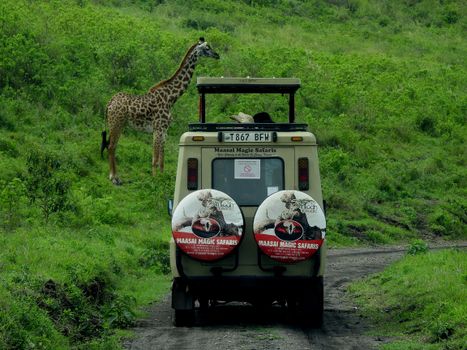
Kenya's neighbor, Tanzania, offers a safari experience that is arguably even more raw and expansive. While the Serengeti is world-famous, the vastness and sheer density of wildlife here often surpass expectations.
Why it's Better:
* Serengeti's Scale: The Serengeti National Park is enormous, offering a more dispersed and less crowded experience of the Great Migration than its Kenyan counterpart, especially in the western and central corridors.
* Ngorongoro Crater's Abundance: This UNESCO World Heritage Site is a natural amphitheater teeming with wildlife. You can see the "Big Five" in a single day with relative ease.
* Kilimanjaro's Majesty: For those seeking an adventure beyond wildlife, the option to climb Africa's highest peak adds another dimension to a Tanzanian trip.
Pro-Tip:
* Arrive at the Crater Rim Early: For the Ngorongoro Crater, aim to be at the gate by 6 AM. This allows you to descend into the crater as the sun rises, offering spectacular light for photos and the best chance to see predators active at dawn.
Quick Facts: Serengeti & Ngorongoro, Tanzania
* Estimated Costs ($$-$$$$): $300 - $1,200+ per person per night (depending on lodge luxury and park fees)
* Best Time to Visit: Dry season (June to October) for the Great Migration in the Western Corridor and Northern Serengeti. December to March for calving season in the southern Serengeti.
* How to Get There: Fly into Kilimanjaro International Airport (JRO) or Arusha Airport (ARK). Internal flights or road transfers are common.
5. Zambia: The Wild Heart of Walking Safaris
If you crave adrenaline-pumping, up-close-and-personal wildlife encounters, Zambia is your calling. It's the birthplace of the walking safari, offering an intimate connection with the bush that you simply can't get from a vehicle.
Why it's Better:
* Pioneering Walking Safaris: Zambia's national parks, like South Luangwa, are renowned for their expert guides who lead guests on foot through incredible wilderness.
* Unspoiled Wilderness: Zambia has fewer tourists than many other safari hotspots, meaning you often have entire sections of park to yourself.
* Exceptional Leopard Sightings: South Luangwa is often called the "land of the leopard" due to the high density and visibility of these elusive cats.
Pro-Tip:
* Embrace the Footsteps: A walking safari isn't just about seeing animals; it's about feeling the bush. Pay attention to the smaller details – the tracks, the sounds, the smells. Your guide will teach you to read the landscape like a book.
Quick Facts: South Luangwa National Park, Zambia
* Estimated Costs ($$-$$$): $300 - $800+ per person per night (including activities)
* Best Time to Visit: Dry season (May to October) for excellent game viewing and walking.
* How to Get There: Fly into Kenneth Kaunda International Airport (LUS) in Lusaka, then take a domestic flight to Mfuwe Airport (MFU) for South Luangwa.
The Travel Advisor's Blind Spot: Why These Gems Shine
Travel advisors are excellent at booking the popular, the predictable. They know the big names. But the truly transformative travel experiences often lie just beyond their usual script. These destinations offer:
- Authenticity: Less commercialization, more genuine interactions with local communities and guides.
- Exclusivity: Fewer crowds mean more personal space and a deeper connection with nature.
- Unique Perspectives: From mokoros on the Delta to tracking leopards on foot, these safaris engage all your senses.
- Conservation Impact: Many of these destinations are pioneers in responsible tourism, and your visit directly supports their efforts.
So, next time you're dreaming of Africa, don't just book the usual. Ask your advisor about the unusual. Or better yet, use this guide to plan your own extraordinary adventure to these safari destinations that are, quite frankly, better than what most travel advisors suggest. The wild is waiting, and it's calling you to discover its best-kept secrets.