The Secret Safari Destinations Experts Aren't Telling You (Until Now)
I stepped off the dusty bush plane, the roar of the engines fading into a symphony of unfamiliar chirps and rustles. The air, thick with the scent of sun-baked earth and something wild and sweet – acacia blossoms, perhaps – hit me like a warm embrace. This wasn't the familiar savannah I'd read about; this was raw, untamed Africa, whispering promises of encounters far beyond the usual tourist trail. For years, the narrative has been dominated by Kenya. And while Kenya is undeniably magnificent, as a seasoned traveler who lives and breathes exploration for Tripsora, I’ve discovered a truth many experts are reluctant to share: there are safari destinations that not only rival Kenya but, in many ways, surpass it, offering a more profound, less crowded, and utterly breathtaking experience.
It’s time to peel back the curtain and reveal the hidden gems, the whispered secrets of the wild that offer an authenticity and intensity that will redefine your understanding of an African safari.
Beyond the Mara: Botswana's Unparalleled Wilderness
Let's talk about Botswana. If Kenya is the established maestro of the safari orchestra, Botswana is the avant-garde composer, pushing boundaries and creating something entirely new and exhilarating. Forget the tightly packed game drives of some popular areas; Botswana offers vast, unfenced concessions where wildlife reigns supreme and human presence is artfully minimized.
The Okavango Delta: Where Water Meets Wildlife
The jewel in Botswana's crown is undoubtedly the Okavango Delta, a UNESCO World Heritage site that transforms arid land into a vibrant inland oasis. Imagine gliding through shallow waterways in a mokoro (a traditional dugout canoe), the only sounds the gentle dip of your poler's paddle and the distant trumpeting of an elephant. This is not your typical jeep safari; it's an immersive, intimate dance with nature.
Pro-Tip:
Opt for a mokoro excursion at dawn. The golden light filtering through the reeds, the mist rising from the water, and the awakening calls of birds create a surreal, almost spiritual experience.
Chobe National Park: The Elephant Kingdom
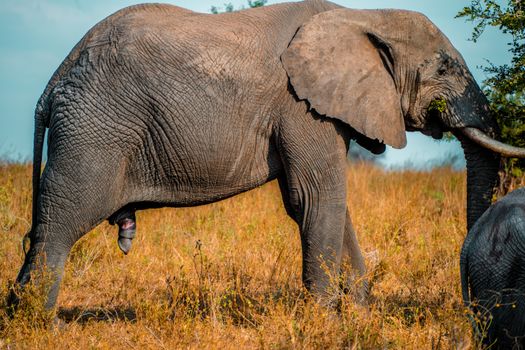
For sheer, unadulterated elephant encounters, Chobe National Park is a revelation. During the dry season, thousands of elephants congregate along the Chobe River, creating a spectacle that is both humbling and awe-inspiring. Seeing these gentle giants in such numbers, their ancient eyes observing you with placid curiosity, is a moment that imprints itself on your soul.
Insider's Insight:
The riverfront area of Chobe is legendary, but for a more exclusive experience, explore the Linyanti or Selinda concessions. You'll find incredible wildlife with significantly fewer vehicles.
Quick Facts: Botswana
| Feature | Details |
| :------------- | :---------------------------------------------------------------------------------------------------- |
| Estimated Cost | $$$$ (Luxury focus, but options exist) |
| Best Time to Visit | Dry Season (May-October) for concentrated wildlife; Wet Season (November-April) for lush landscapes and birding. |
| How to Get There | Fly into Maun (MUB) or Kasane (BBK) via Johannesburg (JNB) or Gaborone (GBE). Internal flights to camps are common. |
Namibia: A Desert Safari Unlike Any Other
When you think safari, you probably picture rolling grasslands. Namibia will shatter that perception and rebuild it with a palette of ochre, rust, and endless blue. This is a land of stark beauty, where wildlife has evolved to thrive in the most arid conditions imaginable.
Etosha National Park: The Waterhole Spectacle
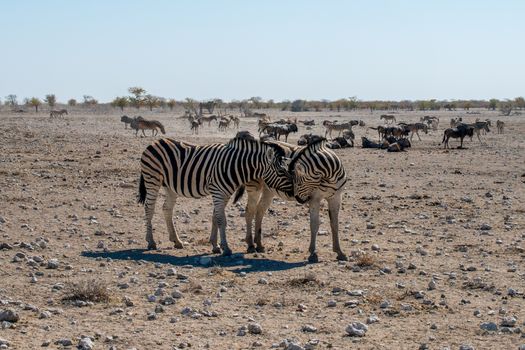
Etosha is a photographer's dream. Its vast salt pan dominates the landscape, and around its edges, a network of waterholes becomes the stage for an incredible wildlife drama. During the dry season, animals from lions and leopards to rhinos and zebras gather, creating non-stop action and unparalleled viewing opportunities.
Pro-Tip:
Stay at Okaukuejo Camp and position yourself at the floodlit waterhole after dark. The nocturnal ballet of animals is a truly magical sight.
Damaraland: Desert-Adapted Elephants and Ancient Art
Venture into the rugged beauty of Damaraland, and you’ll discover a unique ecosystem supporting desert-adapted elephants and rhinos. Tracking these elusive creatures across the ancient, rocky landscapes is an adventure in itself. The region is also home to ancient rock engravings at Twyfelfontein, offering a glimpse into millennia of human history.
Authenticity Alert:
The local Damara people have a deep connection to this land. Engaging with local guides can offer profound insights into their traditions and survival techniques.
Quick Facts: Namibia
| Feature | Details |
| :------------- | :------------------------------------------------------------------------------------------------ |
| Estimated Cost | $$$ (Mid-range to luxury) |
| Best Time to Visit | Dry Season (May-October) for concentrated wildlife at waterholes. |
| How to Get There | Fly into Windhoek (WDH) via Johannesburg (JNB) or Addis Ababa (ADD). Self-drive or fly-in safaris are popular. |
Tanzania: Beyond the Serengeti's Shadow
Tanzania is a powerhouse of safari experiences, and while the Serengeti rightly gets its fame, there are other regions that offer equally, if not more, compelling adventures with a fraction of the crowds.
Selous Game Reserve (Nyerere National Park): Untamed and Undeniable
The Selous, now officially Nyerere National Park, is one of Africa's largest wildlife reserves and offers a raw, untamed wilderness experience. It’s famous for its boat safaris along the Rufiji River, where you can get incredibly close to hippos, crocodiles, and a plethora of birdlife. The sheer scale of this park means you can drive for hours without seeing another vehicle.
Insider's Insight:
The southern part of the Selous is less visited but teeming with wildlife. Consider a walking safari here for an adrenaline-pumping, up-close encounter with the bush.
Ruaha National Park: The Lion King's Domain
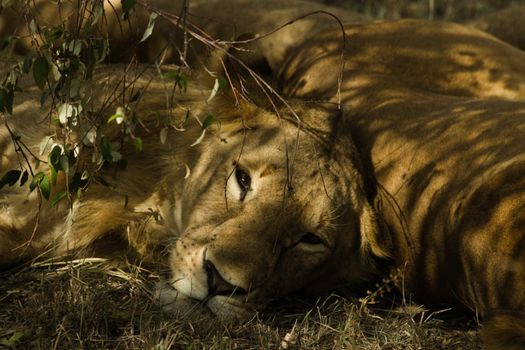
If you're a lion enthusiast, Ruaha is your paradise. This park boasts one of the highest concentrations of lions in Africa, along with large prides of wild dogs and an impressive array of other predators. The landscape is dramatic, with vast plains, rocky kopjes, and the Great Ruaha River.
Pro-Tip:
Visit during the dry season (June-November) when animals are concentrated around the dwindling water sources, making sightings much easier and more dramatic.
Quick Facts: Tanzania
| Feature | Details |
| :------------- | :---------------------------------------------------------------------------------------------------- |
| Estimated Cost | $$$ (Serengeti can be $$$$, but Selous/Ruaha offer better value) |
| Best Time to Visit | Dry Season (June-October) for wildlife viewing; Wet Season (November-May) for lush landscapes and birding. |
| How to Get There | Fly into Kilimanjaro (JRO) or Dar es Salaam (DAR). Internal flights to parks are essential. |
Uganda & Rwanda: The Gorilla Trekking Dream
For a truly unique safari experience that goes beyond traditional game drives, you must consider gorilla trekking in Uganda or Rwanda. This is not just about seeing animals; it’s about an emotional, profound connection with our closest living relatives.
Bwindi Impenetrable National Park (Uganda): The Mountain Gorilla Sanctuary
Bwindi is a UNESCO World Heritage site and home to over half of the world’s remaining mountain gorillas. Trekking through the dense, humid rainforest, guided by experienced trackers, is an adventure in itself. When you finally encounter a gorilla family, watching them interact in their natural habitat is an experience that will move you to your core.
Authenticity Alert:
The local Batwa pygmy community has a deep ancestral connection to these forests. Respectful cultural visits can offer incredible insights into their traditional way of life.
Volcanoes National Park (Rwanda): The Golden Trails
Rwanda has done an exceptional job of conservation, making gorilla trekking an accessible and incredibly rewarding experience. Volcanoes National Park, part of the Virunga Mountains, offers stunning volcanic landscapes and, of course, the chance to trek to see habituated mountain gorillas and the playful golden monkeys.
Pro-Tip:
Book your gorilla permits well in advance, as they are limited and highly sought after. The permit fee directly contributes to conservation efforts.
Quick Facts: Uganda & Rwanda (Gorilla Trekking)
| Feature | Details |
| :------------- | :---------------------------------------------------------------------------------------------------- |
| Estimated Cost | $$$ (Permits are a significant portion, but overall value is high) |
| Best Time to Visit | Dry Seasons (June-August and December-February) offer easier trekking conditions. |
| How to Get There | Fly into Entebbe (EBB) for Uganda or Kigali (KGL) for Rwanda. Road transfers to parks are common. |
South Africa: Diverse Landscapes and Big Cat Encounters
While many flock to Kruger, South Africa offers a kaleidoscope of safari experiences, from the arid Karoo to the lush KwaZulu-Natal. For those seeking a blend of incredible wildlife, luxurious lodges, and excellent infrastructure, South Africa remains a top contender, often overlooked in favor of its East African counterparts for certain types of experiences.
Sabi Sands Game Reserve: Predator Paradise
Adjacent to Kruger National Park, Sabi Sands is renowned for its exceptional leopard sightings. The unfenced nature of the reserve means animals move freely between Kruger and Sabi Sands, creating an abundance of predators. The lodges here are often ultra-luxury, offering incredible service and intimate wildlife encounters.
Insider's Insight:
Night drives in Sabi Sands are phenomenal. The absence of fences allows for incredible predator action under the spotlight.
Madikwe Game Reserve: A Conservation Success Story
Madikwe is a fantastic example of a successful conservation project, transforming former farmland into a malaria-free Big Five reserve. It offers a more intimate and less crowded experience than Kruger, with excellent game viewing and a range of lodges to suit different budgets.
Pro-Tip:
Madikwe is particularly good for spotting wild dogs, which are often harder to find in other reserves.
Quick Facts: South Africa (Safari)
| Feature | Details |
| :------------- | :---------------------------------------------------------------------------------------------------- |
| Estimated Cost | $$ to $$$$ (Wide range of options from self-drive to ultra-luxury) |
| Best Time to Visit | Dry Season (May-October) for concentrated wildlife; Wet Season (November-April) for lush scenery and baby animals. |
| How to Get There | Fly into Johannesburg (JNB) for most safari regions. Road transfers or short flights to reserves are common. |
Why Go Beyond Kenya?
Kenya offers an iconic safari experience, and for good reason. The Maasai Mara's Great Migration is a spectacle of nature that is hard to beat. However, as an elite travel journalist, my mission is to uncover the extraordinary. These destinations I’ve highlighted offer:
- Fewer Crowds: Experience wildlife in a more intimate and authentic setting, without the constant presence of multiple vehicles.
- Unique Ecosystems: From desert-adapted animals to riverine deltas and dense forests, these destinations offer diverse and fascinating environments.
- Specialized Experiences: Whether it's gorilla trekking, mokoro excursions, or tracking desert elephants, these safaris offer activities you won't find everywhere.
- Conservation Success Stories: Many of these areas are at the forefront of innovative conservation, and your visit directly supports these vital efforts.
- Exceptional Value: While some are luxury-focused, many of these destinations offer incredible experiences at a more accessible price point than the most popular Kenyan circuits.
The world of African safari is vast and endlessly fascinating. While Kenya holds a special place in many hearts, I urge you to look beyond the familiar. These destinations are waiting to offer you an adventure that is not just a holiday, but a profound journey into the wild heart of Africa.
---