The Ultimate Safari Destinations Better Than Kenya That Are Trending This Winter
I stepped off the tiny prop plane, the dry, crisp air hitting my face with a scent I’d only ever dreamed of – a heady mix of sun-baked earth, wild sage, and the distant, musky perfume of something truly untamed. The silence, broken only by the chirping of unseen insects and the rustle of acacia leaves, was profound. This wasn't just a destination; it was an immersion. And while Kenya has long held its crown as the darling of African safaris, this winter, a whisper of something new, something more, is sweeping across the continent. Forget the well-trodden paths; we're talking about destinations that are not just trending, but are redefining the safari experience itself.
For years, the magic of the Great Migration has drawn millions to Kenya's Maasai Mara. And it is magical. But the world is vast, and Africa’s wild heart beats in more places than one. This year, my journey has taken me to corners of the continent that offer a different kind of enchantment – one that’s less about the crowds and more about the profound connection with nature, the thrill of the unexpected, and the sheer, unadulterated wildness. These are the destinations that are quietly, and spectacularly, stealing the show this winter.
1. Botswana: The Unrivaled Kingdom of Water and Wilderness
Botswana. The very name conjures images of vast, shimmering deltas and endless horizons. And this winter, it's the place to be for those seeking an exclusive, water-centric safari experience that’s simply unparalleled. While Kenya’s savannas are iconic, Botswana’s Okavango Delta offers a unique aquatic safari, where mokoro (traditional dugout canoe) excursions replace jeeps, and the symphony of life plays out on the water.
Why it’s better this winter:
The water levels in the Delta are at their peak during the winter months (June-August in the Southern Hemisphere), transforming the landscape into a maze of channels and lagoons. This means incredible game viewing from a whole new perspective. Imagine gliding silently past a pod of hippos, their snorts echoing across the water, or watching elephants gracefully traverse the shallow waterways.
The Insider Scoop:
* Mokoro Magic: This is the quintessential Okavango experience. Your poler, a local guide, will navigate the waterways with astonishing skill, pointing out tiny frogs, iridescent dragonflies, and the subtle signs of larger animals.
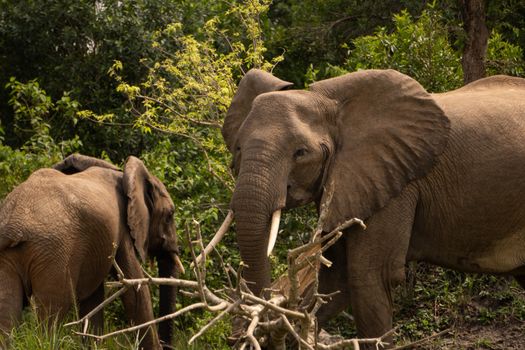
* Chobe’s Elephant Spectacle: Just north of the Delta, Chobe National Park boasts one of the largest elephant populations in Africa. Winter sees them congregate in massive numbers along the Chobe River, a truly awe-inspiring sight.
* Exclusive Camps: Botswana champions low-impact tourism, meaning fewer vehicles and a more intimate experience. Think private concessions and tented camps that feel like your own personal slice of paradise.
Pro-Tip:
To truly appreciate the scale of the Delta, consider a scenic helicopter or light aircraft flight at sunrise. The patchwork of water and land from above is breathtaking.
Quick Facts: Botswana (Okavango Delta & Chobe)
* Estimated Cost: $$$$ (Luxury focus, exclusive camps)
* Best Time to Visit (Winter): June - August
* How to Get There: Fly into Maun (MUB) or Kasane (BBK) via Johannesburg (JNB) or directly from Nairobi (NBO) with limited connections. Lodge transfers are usually included.
2. Namibia: A Desert Canvas Painted with Wildlife
If you crave stark, dramatic landscapes and wildlife that has adapted to the extremes, Namibia is your winter safari revelation. Forget lush grasslands; think rolling sand dunes that meet ancient riverbeds, and a coast where desert sands kiss the Atlantic. Namibia offers a safari experience that’s as much about the geology and the sheer resilience of life as it is about the animals.
Why it’s better this winter:
The dry winter months (June-October) concentrate wildlife around the few remaining water sources, making game viewing in places like Etosha National Park incredibly predictable and rewarding. Plus, the cooler temperatures make exploring this vast country far more comfortable.
The Insider Scoop:
* Etosha’s Waterholes: Etosha is the undisputed star. Its vast salt pan is dotted with natural and artificial waterholes, becoming natural gathering points for lions, elephants, rhinos, giraffes, and a dazzling array of antelope. The floodlit waterholes at certain camps offer unforgettable nocturnal viewing.
* Desert-Adapted Elephants: Venture into Damaraland for a chance to spot the unique desert-adapted elephants, a testament to nature's ingenuity.
* Skeleton Coast’s Surreal Beauty: Combine your safari with a visit to the hauntingly beautiful Skeleton Coast, where shipwrecks litter the shoreline and seals bask on the sand. The sheer contrast between arid desert and wild ocean is astonishing.
Pro-Tip:
When visiting Etosha, arrive at the main waterholes just before dawn or in the late afternoon. The early morning light is magical for photography, and the evening brings a flurry of activity as animals come to drink.
Quick Facts: Namibia (Etosha & Damaraland)
* Estimated Cost: $$$ (Mid-range to Luxury)
* Best Time to Visit (Winter): June - October
* How to Get There: Fly into Windhoek (WDH) via Johannesburg (JNB) or other major hubs. Self-drive is popular, but guided tours are also available.
3. Tanzania: Beyond the Migration's Shadow
While the Serengeti’s Great Migration is a global phenomenon, Tanzania offers so much more, particularly this winter. Venture beyond the famous plains to discover hidden gems that provide equally thrilling wildlife encounters with fewer crowds.
Why it’s better this winter:
While the migration might be in Kenya or further north in the Serengeti, this is the perfect time to explore Tanzania’s other iconic parks. The dry season means excellent game viewing in the southern and western circuits, offering a more exclusive and intimate safari experience.
The Insider Scoop:
* Selous Game Reserve (Nyerere National Park): Africa’s largest game reserve, offering boat safaris on the Rufiji River, walking safaris, and game drives. Expect to see vast herds of buffalo, elephants, and an abundance of birdlife. The sheer scale of the wilderness here is humbling.
* Ruaha National Park: Tanzania’s largest national park, known for its rugged landscape and large populations of predators, including lions and wild dogs. It’s a true wilderness, far from the tourist trail. The baobab trees here are ancient sentinels, their gnarled branches reaching for the sky.
* Mahale Mountains National Park: For a truly unique experience, head west to Mahale for chimpanzee trekking. The lush rainforest setting and the chance to walk amongst these intelligent primates is unforgettable. The scent of damp earth and exotic flowers fills the air.
Pro-Tip:
If you're interested in the Great Migration but want to avoid the peak season crowds, consider visiting the southern Serengeti during the calving season (Jan-Feb) or the western corridor during the river crossings (May-July). However, for a truly different Tanzanian winter safari, focus on Selous and Ruaha.
Quick Facts: Tanzania (Selous & Ruaha)
* Estimated Cost: $$$ - $$$$ (Varies by park and lodge)
* Best Time to Visit (Winter): June - October (Dry season, excellent game viewing)
* How to Get There: Fly into Dar es Salaam (DAR), then take a light aircraft transfer to your lodge or camp.
4. Rwanda: The Emerald Isle of Mountain Gorillas
For a safari that’s less about vast plains and more about intimate, life-changing encounters, Rwanda is calling. This small, verdant nation has transformed itself into a beacon of conservation, offering an unparalleled opportunity to trek through dense rainforests to meet the majestic mountain gorillas.
Why it’s better this winter:
The dry season (June to September) is the best time for gorilla trekking in Rwanda. The trails are less muddy, making the trek more comfortable, and the gorillas tend to be found at lower elevations, increasing your chances of a successful sighting.
The Insider Scoop:
* Volcanoes National Park: This is the heart of gorilla trekking. With permits in high demand, booking well in advance is crucial. The trek itself, while challenging, is incredibly rewarding. The air is thick with the scent of damp earth and vibrant foliage.
* Golden Monkey Trekking: Alongside gorillas, Rwanda offers fantastic opportunities to track the playful golden monkeys in the same volcanic region. Their electric calls and bright coats are a joyous spectacle.
* Community Connection: Rwanda’s commitment to its people is as inspiring as its conservation efforts. Engaging with local communities offers a deeper understanding of the country’s journey and its people.
Pro-Tip:
While the trek can be strenuous, remember to pack light but bring layers. The rainforest climate can change quickly. Your gorilla permit is your golden ticket – treat it with respect and cherish the moment.
Quick Facts: Rwanda (Volcanoes National Park)
* Estimated Cost: $$$$ (Permits are expensive, but it’s a once-in-a-lifetime experience)
* Best Time to Visit (Winter): June - September
* How to Get There: Fly into Kigali International Airport (KGL). The drive to Volcanoes National Park is approximately 2-3 hours.
5. South Africa: The Quintessential Safari with a Winter Twist
South Africa remains a perennial favorite, and for good reason. It offers a diverse range of safari experiences, from the iconic Kruger National Park to more intimate private reserves. This winter, South Africa shines with its excellent game viewing and a sophisticated lodge infrastructure.
Why it’s better this winter:
The dry winter months (May-September) are prime time for game viewing across South Africa. Vegetation thins out, and animals congregate around water sources, making sightings more frequent and predictable. The cooler weather also makes for pleasant daytime game drives.
The Insider Scoop:
* Kruger National Park: A vast and iconic park, Kruger offers incredible diversity. For a more exclusive experience, consider staying in one of the private concessions bordering Kruger, such as Sabi Sands, known for its leopard sightings. The dawn chorus here is a symphony of nature.
* Madikwe Game Reserve: A malaria-free Big Five destination, Madikwe is an excellent choice for families or those concerned about malaria. Its rolling hills and diverse habitats support a rich array of wildlife.
* The Garden Route & Safari Combinations: For a truly comprehensive African adventure, combine a safari in the Eastern Cape (also malaria-free) with the stunning coastal scenery and wine regions of the Garden Route.
Pro-Tip:
In Sabi Sands, night drives are a must. The chance to spot nocturnal animals like leopards, civets, and genets under the spotlight is thrilling. The air at night is cool and carries the scent of wild herbs.
Quick Facts: South Africa (Kruger & Private Reserves)
* Estimated Cost: $$ - $$$$ (Wide range from self-drive to ultra-luxury lodges)
* Best Time to Visit (Winter): May - September
* How to Get There: Fly into major international airports like Johannesburg (JNB) or Cape Town (CPT), then take domestic flights or drive to your chosen safari destination.
---