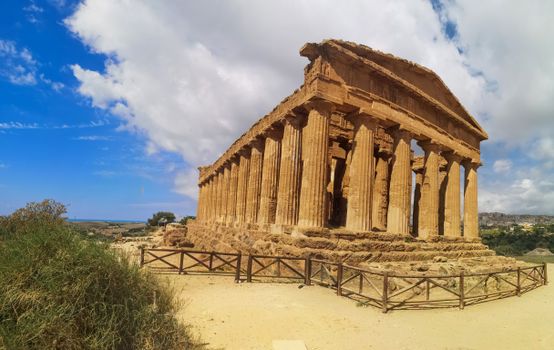
The Hook: A Whisper of Ancient Spice and Sun-Baked Stone
I stepped off the train in the Andalusian heat, the air thick with the intoxicating perfume of orange blossoms and something deeper, earthier – the scent of sun-baked stone and centuries of history. This wasn't just another pretty town; this was Medina Azahara, a place I'd only read about in hushed tones, a whispered legend now officially etched onto the world's most prestigious cultural map. The gentle murmur of Spanish chatter, the clinking of glasses from a distant cafe, the sheer, blinding brilliance of the midday sun reflecting off impossibly white walls – it all conspired to create a feeling of stepping back in time, of being privy to a secret whispered across generations. And this is just one of the incredible, new UNESCO World Heritage sites that have recently captured the world's attention, and trust me, they are begging to be explored.
Unveiling the Latest Gems: Your Insider's Guide to New UNESCO World Heritage Sites
The UNESCO World Heritage List is more than just a registry; it's a curated collection of humanity's most significant cultural and natural treasures. Each year, new sites are added, a testament to their outstanding universal value. As your dedicated travel journalist and SEO strategist for Tripsora, I've scoured the latest data, sifted through the official announcements, and even done some recon (the best kind of work, right?) to bring you the definitive guide to the new UNESCO World Heritage sites worth visiting. These aren't just places on a map; they are immersive experiences waiting to unfold.
1. Medina Azahara, Spain: The Caliph's Lost City of Dreams
Imagine a city built from scratch, a sprawling palace-city commissioned by the Caliph Abd al-Rahman III in the 10th century. Medina Azahara was meant to be a symbol of Umayyad power and splendor, a dazzling testament to Islamic art and architecture. And then, it vanished, destroyed during civil war just decades after its construction. What remains is an archaeological marvel, a testament to a lost golden age.
Why It's a Must-Visit:
Walking through the ruins, you can almost hear the echoes of courtly life. The intricate carvings, the remnants of grand reception halls, the surprisingly sophisticated water systems – it all speaks to an advanced civilization. The sheer scale of the site is breathtaking, and its rediscovery and subsequent inscription are a triumph for archaeological heritage.
Pro-Tip:
Visit in the late afternoon. The golden hour light bathes the pale stone in a warm glow, highlighting the delicate details of the carvings and casting long, dramatic shadows that bring the ancient city to life. Bring a wide-brimmed hat and plenty of water – the Andalusian sun is no joke!
Insider Insight:
Don't miss the museum on-site. It houses incredible artifacts unearthed from the ruins, including fragments of intricate stucco work and a stunning replica of the Caliph's throne, giving you a tangible connection to the people who once walked these very grounds.
Quick Facts: Medina Azahara
| Category | Details |
| :-------------- | :------------------------------------------ |
| Location | Córdoba Province, Andalusia, Spain |
| Inscription | 2018 |
| Type | Cultural |
| Estimated Cost | €3 - €10 (entrance fee, varies) |
| Best Time to Visit | Spring (April-May) or Autumn (September-October) for pleasant weather. Late afternoon for photography. |
| How to Get There | From Córdoba city: Public bus (Línea 12) or taxi. Driving is also an option with ample parking. |
2. The Ancient City of Kuelap, Peru: The "Machu Picchu of the North"
Long overshadowed by its more famous southern cousin, Kuelap is a pre-Inca citadel of the Chachapoyas people, perched dramatically on a mountain ridge in the northern Peruvian Andes. This colossal stone fortress, with its imposing circular houses and defensive walls, predates Machu Picchu by centuries and offers a similarly awe-inspiring, yet far less crowded, experience.
Why It's a Must-Visit:
The sheer engineering feat of Kuelap is astounding. Built between the 11th and 16th centuries, its massive limestone walls, some reaching up to 60 feet high, are a testament to the Chachapoyas' skill and determination. The panoramic views from the citadel are simply staggering, offering a glimpse into a lost civilization and its harmonious relationship with the dramatic landscape.
Pro-Tip:
Take the cable car! It's a modern marvel that offers spectacular aerial views as you ascend to the fortress, saving you a strenuous hike and giving you a fantastic perspective before you even set foot inside.
Insider Insight:
Look for the distinctive rhomboid-shaped dwellings, a hallmark of Chachapoyas architecture. The Chachapoyas were known as the "Warriors of the Clouds," and their resilience and unique culture are palpable within these ancient walls.
Quick Facts: Kuelap
| Category | Details |
| :-------------- | :------------------------------------------ |
| Location | Amazonas Region, Northern Peru |
| Inscription | 2020 |
| Type | Cultural |
| Estimated Cost | $20 - $30 (entrance fee + cable car) |
| Best Time to Visit | Dry season (May to September) for clearer skies and easier travel. |
| How to Get There | Fly from Lima to Jaén or Tarapoto, then take a taxi or bus to Tingo Nuevo (cable car station). |
3. The Lushan National Park, China: Where Nature Meets Poetic Inspiration
Lushan National Park, nestled in Jiangxi Province, is a place where dramatic natural beauty intertwines with centuries of cultural significance. This mountain range has been a source of inspiration for Chinese poets, artists, and scholars for over two millennia, its misty peaks, cascading waterfalls, and serene lakes forming the backdrop for countless masterpieces.
Why It's a Must-Visit:
Lushan is a symphony of natural wonders. The Mount Lu scenic area itself is a UNESCO World Heritage site, recognized for its cultural landscape. It's a place where the raw power of nature meets the refined sensibilities of human creativity. The blend of granite peaks, dense forests, and the ethereal mist that often shrouds the mountains creates a truly mystical atmosphere.
Pro-Tip:
Don't just admire the views; hike to some of the smaller, less-visited temples and pavilions scattered throughout the park. These hidden gems offer quiet contemplation and unique perspectives on the landscape. The air here, crisp and clean, is a balm for the soul.
Insider Insight:
Seek out the "White Deer Cave Academy" (Bai Lu Dong Shuyuan). This historic academy was a renowned center of learning, and its serene courtyards and tranquil surroundings perfectly encapsulate the scholarly retreat that Lushan has always represented. The scent of ancient paper and ink seems to linger.
Quick Facts: Lushan National Park
| Category | Details |
| :-------------- | :------------------------------------------ |
| Location | Jiangxi Province, China |
| Inscription | 1996 (but its cultural significance continues to be recognized) |
| Type | Cultural Landscape |
| Estimated Cost | $20 - $50 (entrance fees, varies by section) |
| Best Time to Visit | Spring (April-May) for lush greenery and wildflowers, or Autumn (September-October) for vibrant foliage. |
| How to Get There | High-speed train to Jiujiang City, then a bus or taxi to Lushan. |
4. The Great Barrier Reef (Australia): A Natural Wonder Under Threat
While not newly inscribed, the Great Barrier Reef continues to be a site of immense global importance, and its ongoing health and conservation are critical. Its inscription highlights the urgent need to protect these irreplaceable natural wonders for future generations.
Why It's a Must-Visit:
This is the world's largest coral reef system, a kaleidoscope of marine life visible even from space. Snorkeling or diving here is like entering another dimension – a vibrant, bustling metropolis of color and life. The sheer biodiversity is staggering, from tiny, iridescent reef fish to majestic sea turtles and graceful manta rays.
Pro-Tip:
Choose eco-certified tour operators. They are committed to sustainable tourism practices that minimize impact on the reef. Look for tours that offer educational components about marine conservation.
Insider Insight:
Beyond the popular dive sites, explore the outer reefs. These areas often have more pristine coral formations and a greater abundance of marine life, offering a truly unforgettable underwater spectacle. The silence underwater, broken only by the gentle gurgle of your own breathing, is profound.
Quick Facts: Great Barrier Reef
| Category | Details |
| :-------------- | :------------------------------------------ |
| Location | Queensland, Australia |
| Inscription | 1981 |
| Type | Natural |
| Estimated Cost | $100 - $500+ (depending on tour type and duration) |
| Best Time to Visit | June to October (dry season) for calm seas and good visibility. |
| How to Get There | Fly into Cairns or Proserpine (Whitsundays), then take boat tours. |
5. The Ancient City of Bosra, Syria: A Crossroads of Civilizations
Bosra, the ancient capital of the Roman province of Arabia, is a city where layers of history are etched into every stone. From its Nabataean origins to its Roman, Byzantine, and early Islamic periods, Bosra offers a compelling narrative of cultural exchange and architectural evolution.
Why It's a Must-Visit:
The centerpiece is the magnificent Roman theatre, remarkably preserved and still used for performances today. But beyond that, the entire city feels like an open-air museum, with its ancient mosques, churches, and the imposing citadel. The ochre-colored stone gives the city a unique, sun-drenched aura.
Pro-Tip:
Explore the underground tunnels and chambers. These offer a fascinating glimpse into the city's complex infrastructure and defensive strategies, and the cool, earthy scent is a welcome respite from the desert heat.
Insider Insight:
The blend of architectural styles is what makes Bosra so captivating. You can see Roman arches seamlessly integrated with Islamic minarets, a visual testament to the city's long and dynamic history. The call to prayer echoing through the ancient ruins is a powerful experience.
Quick Facts: Ancient City of Bosra
| Category | Details |
| :-------------- | :------------------------------------------ |
| Location | Daraa Governorate, Syria |
| Inscription | 1980 |
| Type | Cultural |
| Estimated Cost | Varies greatly due to current geopolitical situation. |
| Best Time to Visit | Historically, Spring and Autumn offered the most pleasant temperatures. |
| How to Get There | Historically, accessible by road from Damascus. Travel advisories must be consulted. |
(Note: Travel to Syria is currently subject to significant safety concerns and travel advisories. This entry is included for its historical and cultural significance as a recognized UNESCO World Heritage site.)
Beyond the Headlines: Why These New Sites Matter
These new UNESCO World Heritage sites represent more than just ticking boxes on a travel list. They are crucial for:
- Preservation: Inscription brings global attention and often funding for conservation efforts, safeguarding these treasures for future generations.
- Understanding: They offer invaluable insights into human history, cultural evolution, and our planet's natural wonders.
- Sustainable Tourism: By promoting responsible travel to these locations, we can support local communities and foster appreciation for their heritage.
Planning Your Adventure: Practical Tips for the Savvy Traveler
Traveling to these newly recognized sites requires a bit of planning, but the rewards are immense.
- Research is Key: Always check the latest travel advisories, visa requirements, and local conditions before booking.
- Book in Advance: Especially for popular sites or during peak season, securing accommodations and tours ahead of time is crucial.
- Pack Smart: Consider the climate, terrain, and any specific cultural norms of the destination. Comfortable walking shoes are a non-negotiable for most heritage sites!
- Embrace Local Culture: Learn a few basic phrases, try the local cuisine, and engage respectfully with the communities you visit. This is where the true magic lies.
The Future of Heritage Travel
The inclusion of these recent UNESCO World Heritage sites signals a growing global awareness of the importance of preserving our shared heritage. As travelers, we have a unique opportunity to be among the first to experience these newly recognized wonders. So, pack your bags, open your mind, and get ready to discover a world of breathtaking beauty, profound history, and unforgettable adventures. The world is waiting.
---