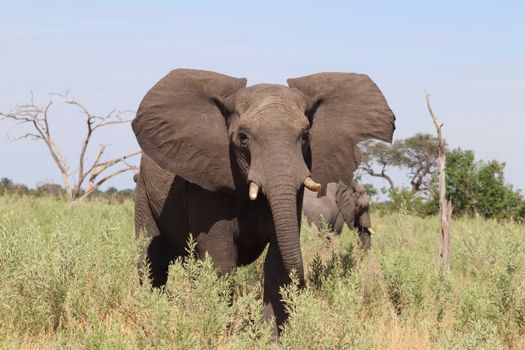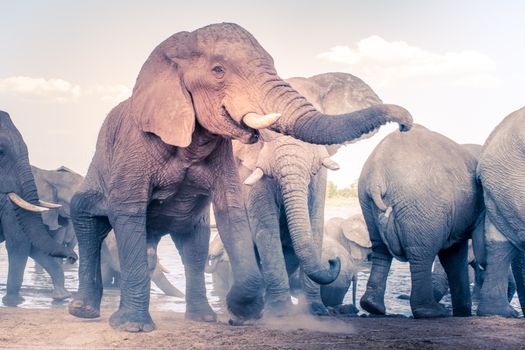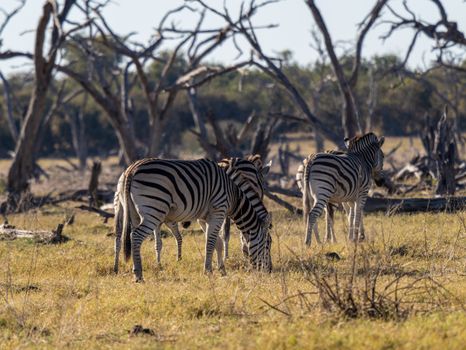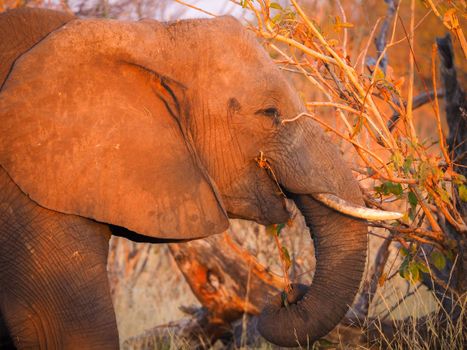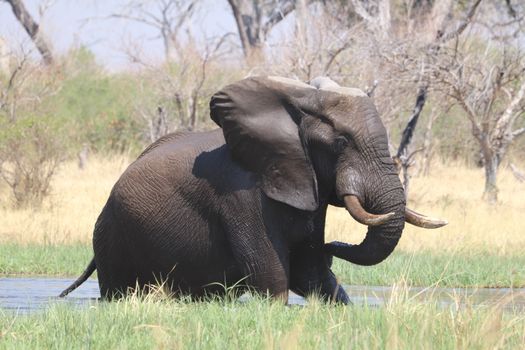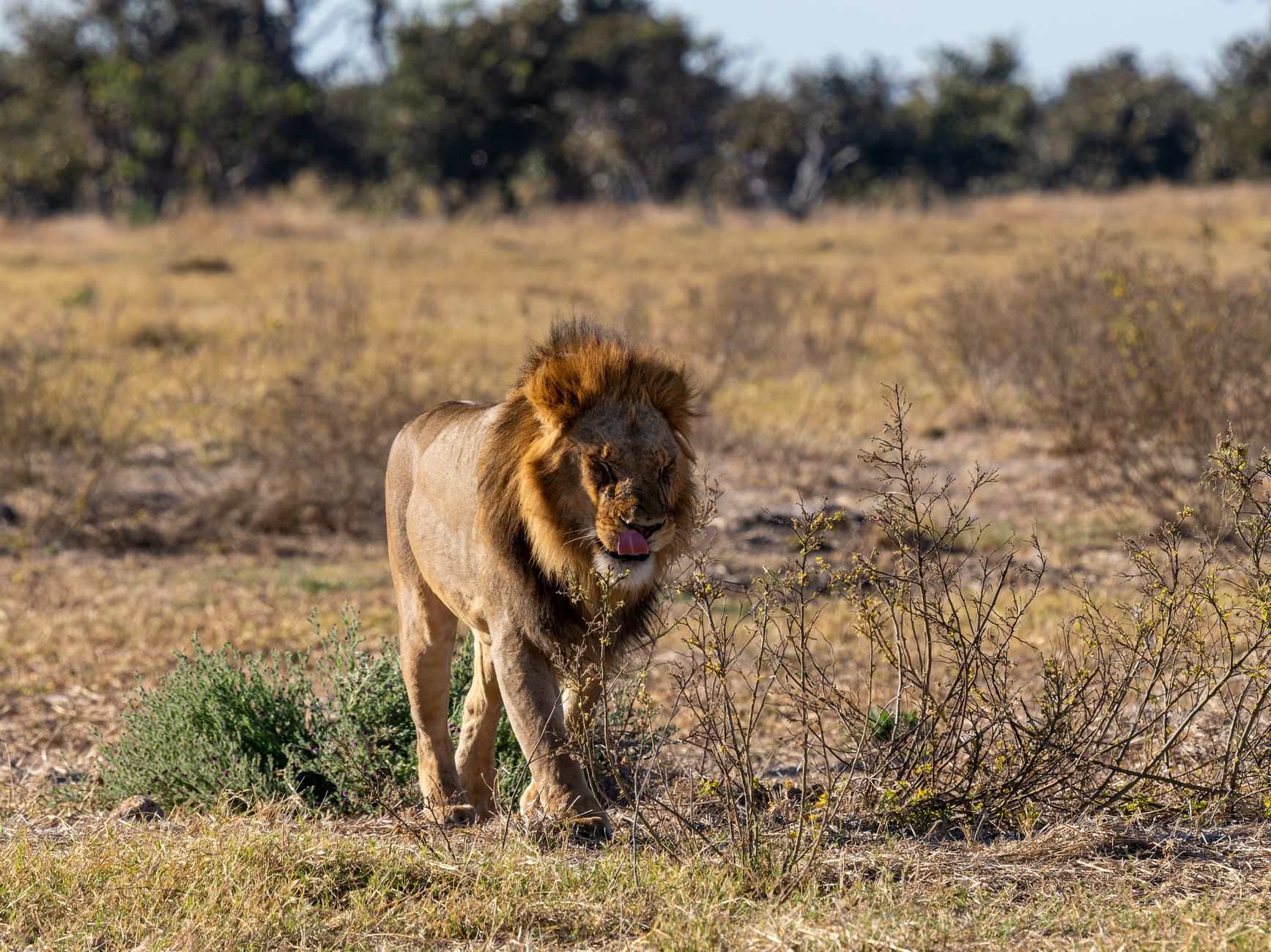
Kenya is widely associated with safari travel, with national parks, reserves and the Great Migration routes that draw many visitors. Other African countries offer wildlife experiences that differ in landscape, wildlife mix, visitor numbers and style of travel. Whether an alternative is better depends on what you want to see and when you plan to go. This guide introduces several options and explains how to compare them without relying on a single top-ten list.
Tanzania: Serengeti and Ngorongoro
Tanzania is home to the Serengeti, one of the best-known wildlife areas in Africa, and the Ngorongoro Conservation Area, a large volcanic caldera with a dense concentration of animals. Many itineraries combine the two, and Tanzania is a major destination for travelers interested in the Great Migration, which moves across the Serengeti and into neighboring areas at different times of year. Visitor numbers vary, and some parks have limits on vehicles and guided walks. Tanzania offers a range of lodges, from simple camps to high-end properties.
Botswana: the Okavango Delta
Botswana's Okavango Delta is an inland delta that floods seasonally, creating wetlands that attract large concentrations of wildlife. Travel in the delta often involves mokoro (traditional dugout canoe) trips, boat safaris, and game drives in dry-season conditions. Access can require light aircraft or specialized transport, and camps are often remote. Botswana has a strong focus on low-volume, high-value tourism, which can mean fewer visitors per area but higher costs. Wildlife viewing is seasonal, with water levels and animal movement changing across the year.
Zambia: South Luangwa and the walking safari tradition
Zambia's South Luangwa National Park is known for its leopards and for walking safaris guided by trained professionals. The park's Luangwa River attracts large numbers of hippos and crocodiles, and the river banks offer excellent viewing in the dry season. Zambia is a good choice for travelers interested in guided walking, bird watching, and a more intimate style of safari. Infrastructure is more basic than in some other destinations, so plan transport and accommodation carefully.
Namibia: desert landscapes and desert-adapted wildlife
Namibia's wildlife areas include Etosha National Park, which features a large salt pan and waterholes that attract mammals and birds, particularly in the dry season. The desert landscapes of the Namib region offer striking scenery and different wildlife experiences, including desert-adapted species. Namibia is often reached by self-drive trips, and roads are generally good, though distances can be long and fuel stops should be planned in advance. Travelers who enjoy scenic drives and open landscapes often find Namibia a good match.
Uganda and Rwanda: primates and forest trekking
For travelers interested in primates, Uganda and Rwanda offer mountain gorilla trekking in forested highlands. Permits are required and can be limited, so planning and advance booking are essential. These trips are physically demanding, with steep, muddy terrain, and they typically last a few hours with time spent near habituated groups. Uganda also has savannah parks with other wildlife. Rwanda's gorilla permits are typically managed through national authorities, and both countries have strict rules to protect the animals.
Choosing based on your priorities
Consider the season, budget, travel style and interests. Dry seasons often bring animals closer to water sources, while wet seasons can offer green landscapes and quieter parks. Some destinations are better for big game, others for birds, primates, or landscape photography. Check park rules on vehicle numbers, walking, and visitor limits, and ask operators about the balance between comfort and remoteness.
Travel time and internal flights also matter. Some safaris are efficiently linked by domestic air travel, while others require long road journeys that eat into time on the ground.
Practical tips
- Decide what you most want to see, such as big cats, migrations, primates or landscapes, before comparing countries.
- Check the seasons for each destination, since wildlife movement changes with water and rainfall.
- Book permits and key lodges early, especially for gorilla trekking and peak periods.
- Confirm vehicle, guide and park rules, and ask how many vehicles are allowed at each sighting.
- Allow realistic time for internal transfers, which can be long in some countries.
- Check travel health advice, vaccination requirements and visa rules well before departure.
Common mistakes to avoid
A frequent mistake is judging a safari by the number of animals seen on a single drive. Wildlife movement changes with water, weather and season, so a quiet day does not reflect the destination as a whole. Another error is choosing a lodge from a glossy brochure without checking its location, size or vehicle policy. Travelers also tend to plan too many camps in one trip, which means long transfers that eat into time on the ground. Some people assume that a big cat sighting is guaranteed, when even well-run parks cannot promise particular animals. Others book internal flights too tightly, leaving no margin for delays. Setting a realistic pace, reading park rules and asking operators direct questions about routes and vehicle numbers can help avoid these problems.
How to decide: a simple checklist
Consider these questions before booking:
- Is my main goal big game, primates, birds or landscapes?
- Which months suit the parks I want to visit?
- How many internal transfers am I willing to take?
- Do I want a shared vehicle, a private vehicle or guided walking?
- What rules apply to vehicle numbers and off-road driving in each park?
Comparing your answers against each country's rules and seasons usually gives a clearer shortlist than any ranking.
Frequently asked questions
Is one country better for a first safari?
It depends on your interests. Some visitors prefer parks with a dense concentration of game, while others prefer quieter areas with more walking or boat-based viewing.
Do I need a specialist guide?
Licensed local guides usually add knowledge about tracks, birds and behaviour, and they help you follow park rules. Ask how guides are trained and what they are permitted to do.
Are these trips only for high budgets?
Costs vary widely with accommodation style, season and inclusions. Modest options exist in many destinations, though they may involve fewer amenities and longer road journeys.
Kenya is one of several excellent safari destinations, and each alternative has a distinct character. Tanzania suits travelers interested in migrations and volcanic landscapes, Botswana offers remote water-based wildlife viewing, Zambia rewards walking and bird watching, Namibia fits scenic driving, and Uganda and Rwanda are known for gorillas. Matching the destination to your interests and season will matter more than any ranking.