The Call of the Wild: A Sensory Awakening
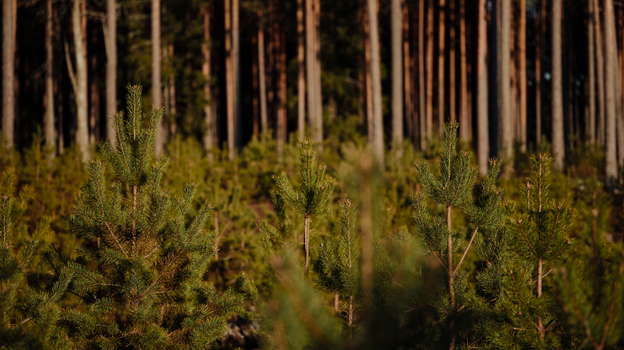
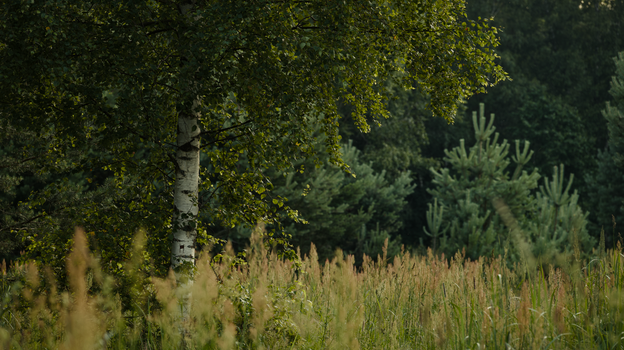
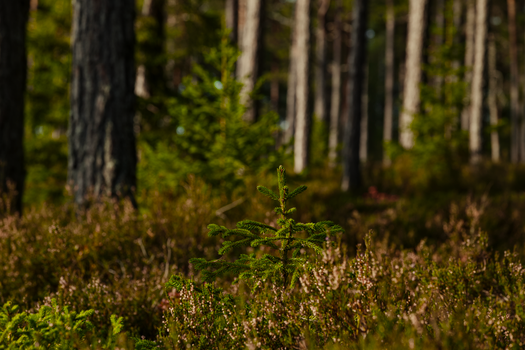
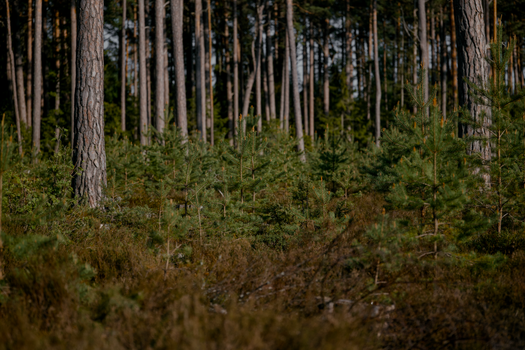
I stepped off the train, and the air itself felt different. Not just cooler, but alive. It was laced with the damp, earthy perfume of ancient woodland, a scent that spoke of decay and vibrant new growth in equal measure. The distant, almost melodic call of a bird I couldn't quite place mingled with the rustle of leaves underfoot, a symphony orchestrated by nature herself. This wasn't just a walk in the park; this was stepping into a world being actively, intentionally, coaxed back to its wild, untamed glory. This is the magic of rewilding, and I'm here to tell you, you can be a part of it.
For too long, conservation has felt like a distant ideal, something we admire from afar. But what if you could be there? What if your travels could actively contribute to the restoration of ecosystems, the reintroduction of keystone species, and the revitalization of communities? That's the thrilling promise of rewilding projects you can visit and support. Forget passive observation; these are immersive, transformative experiences that will recalibrate your understanding of our planet.
As a travel journalist and an SEO strategist for Tripsora, I've scoured the globe for these hidden gems. I’ve spoken to the passionate rangers, the dedicated scientists, and crucially, the travel advisors who are increasingly weaving these extraordinary destinations into their clients' itineraries. They know the secrets, the best times to visit, and how to make your trip truly impactful.
What Exactly is Rewilding (And Why Should You Care)?
At its core, rewilding is about letting nature take the lead. It's not about manicured gardens or fences; it's about restoring natural processes and allowing ecosystems to rebuild themselves. Think of it as stepping back and letting the wild do what it does best. This can involve:
- Reintroducing keystone species: These are the architects of their environments. Bring back a wolf, and it manages deer populations, allowing vegetation to flourish. Reintroduce beavers, and their dams create wetlands vital for biodiversity.
- Restoring natural processes: This could mean allowing rivers to meander naturally, creating floodplains that absorb excess water, or letting forests grow without constant human intervention.
- Connecting fragmented habitats: Creating wildlife corridors so animals can move freely across landscapes, vital for genetic diversity and long-term survival.
Why care?
Because these projects are our planet's life support system. They combat climate change, boost biodiversity, purify water, and create healthier, more resilient landscapes for us all. And for you, the traveler, it means witnessing nature at its most powerful and participating in its recovery.
The Big Beasts and the Tiny Terrors: Rewilding in Action
The beauty of rewilding is its diversity. From vast wildernesses to coastal havens, there's a project that speaks to every kind of nature lover.
1. The Majestic Return: Wolves of Yellowstone, USA
The reintroduction of wolves to Yellowstone National Park in the mid-1990s is arguably the most iconic rewilding success story. Before their return, elk populations were unchecked, decimating vegetation. The wolves changed everything.
- What you'll see: The thrill of spotting a wolf pack, the vibrant resurgence of willow and aspen trees along riverbanks, and the return of other species like beavers and songbirds. It’s a living testament to ecological balance.
- Travel Advisor Pro-Tip: "Book a guided wildlife tour during the shoulder seasons (spring or fall). You'll have better chances of sightings, fewer crowds, and the landscapes are simply breathtaking. Ask your advisor about lodges with expert naturalist guides."
Quick Facts: Yellowstone Rewilding
| Category | Details |
| :------------- | :---------------------------------------------------------------------- |
| Estimated Cost ($) | $200 - $500+ per day (depending on lodging, tours, and duration) |
| Best Time to Visit | Spring (April-May) for new growth and wolf pups; Fall (Sept-Oct) for elk rut and autumn colors. |
| How to Get There | Fly into Bozeman Yellowstone International Airport (BZN) or Jackson Hole Airport (JAC). Rent a car. |
- Insider Lingo: "The Lamar Valley is often called the 'Serengeti of North America' for a reason. Keep your binoculars ready at dawn and dusk."
2. The River Architects: Beaver Colonies of the UK
Beavers, nature's engineers, were hunted to extinction in Britain centuries ago. Their return, often through licensed reintroduction projects, is transforming waterways.
- What you'll see: The tell-tale signs of beaver activity – felled trees, gnawed stumps, and intricately constructed dams. These dams create vital wetland habitats, slowing water flow, improving water quality, and providing homes for countless insects, amphibians, and birds.
- Support Opportunity: Many projects are community-led and rely on donations and volunteer efforts. Some offer guided tours or wildlife hides for observation.
- Travel Advisor Pro-Tip: "Look for guided 'Beaver Safaris' in areas like the Forest of Dean or Escrick Park. These are often run by local conservation trusts and offer a truly intimate experience. Pack waterproofs – you're going to get close to the water!"
Quick Facts: UK Beaver Rewilding
| Category | Details |
| :------------- | :---------------------------------------------------------------------- |
| Estimated Cost ($) | £50 - £200 per tour/experience |
| Best Time to Visit | Summer evenings (June-August) for best chance of spotting activity. |
| How to Get There | Varies by location. Train to nearest town, then local taxi or pre-arranged transport. |
- Authenticity Check: "The scent of damp earth and decaying wood is everywhere. You might even hear the distinctive slap of a beaver's tail on the water – a sure sign they're around!"
3. The Coastal Comeback: Posidonia Meadows of the Mediterranean
Rewilding isn't just about land. Underwater, the seagrass Posidonia oceanica is crucial for marine life, acting as nurseries for fish, carbon sinks, and wave breakers. Projects are working to protect and restore these vital meadows.
- What you'll see: Crystal-clear waters teeming with life, from vibrant fish species to sea turtles. You can participate in guided snorkeling or diving tours that highlight the importance of these underwater forests and the threats they face from anchors and pollution.
- Support Opportunity: Many marine conservation organizations offer 'adopt-a-meadow' programs or responsible diving certifications that directly fund protection efforts.
- Travel Advisor Pro-Tip: "Consider a trip to the Balearic Islands (Spain) or the Croatian coast. Many eco-resorts partner with local marine biologists. Ask your advisor about dive centers committed to sustainable practices and educational marine excursions."
Quick Facts: Mediterranean Seagrass Rewilding
| Category | Details |
| :------------- | :---------------------------------------------------------------------- |
| Estimated Cost ($) | £100 - £300 per guided dive/snorkel trip; resort stays vary. |
| Best Time to Visit | Late Spring to Early Autumn (May-October) for optimal visibility and water temperature. |
| How to Get There | Fly into major Mediterranean hubs (e.g., Palma de Mallorca, Split). Ferry or local transport to islands/coastal towns. |
- Sensory Detail: "The silence underwater is profound, broken only by the gentle sway of the seagrass and the distant clicking of crustaceans. The sunlight filtering through the water creates an ethereal, dappled light show."
4. The Regenerative Ranches: Grasslands of the American West & Patagonia
This is about more than just cattle. Regenerative agriculture and holistic grazing management are transforming degraded grasslands back into biodiverse, carbon-sequestering ecosystems.
- What you'll see: Vast, open landscapes bursting with wildflowers, diverse insect and bird life, and healthy soil. You can often stay at working ranches that practice these methods, learning firsthand about the connection between livestock and land health.
- Support Opportunity: Stay at a regenerative ranch, purchase their products, or support organizations promoting these practices.
- Travel Advisor Pro-Tip: "Look for ranches that emphasize 'mimicking nature' in their grazing patterns. Places like the White Oak Pastures in Georgia (USA) or various operations in Patagonia offer incredible learning experiences and authentic stays. It’s a chance to taste truly healthy food, too!"
Quick Facts: Regenerative Ranching
| Category | Details |
| :------------- | :---------------------------------------------------------------------- |
| Estimated Cost ($) | $150 - $400+ per day (for ranch stays, including meals and activities) |
| Best Time to Visit | Spring (wildflowers) and Autumn (mild temperatures, harvest). |
| How to Get There | Varies greatly. Often requires flying into regional airports and then driving significant distances. |
- The Taste of Restoration: "The grass-fed beef here doesn't just taste different; it tastes real. Rich, complex, with an earthy sweetness that speaks of healthy soil. You'll also notice an incredible abundance of pollinators flitting between the blossoms."
5. The Forest Reborn: Ancient Woodlands of Europe
Across Europe, initiatives are underway to restore and protect ancient woodlands, allowing natural processes to dominate and biodiversity to flourish.
- What you'll see: Towering old-growth trees, a rich understory of ferns and mosses, and the return of woodland specialists like dormice, woodpeckers, and rare fungi. Many projects offer walking trails, educational centers, and volunteer opportunities.
- Support Opportunity: Donate to woodland trusts, participate in tree-planting days, or simply visit and spend money at local businesses that support these initiatives.
- Travel Advisor Pro-Tip: "Explore projects in places like the Białowieża Forest (Poland/Belarus border) or the Forest of Dean (UK). Many offer guided 'forest bathing' (Shinrin-yoku) experiences, which are deeply restorative. Look for places actively working to remove invasive species and promote native flora."
Quick Facts: European Woodland Rewilding
| Category | Details |
| :------------- | :---------------------------------------------------------------------- |
| Estimated Cost ($) | £30 - £150 per guided walk/experience; accommodation varies. |
| Best Time to Visit | Spring (new growth, bluebells) and Autumn (foliage colors, fungi). |
| How to Get There | Varies by location. Train to nearest towns is common, followed by local buses or taxis. |
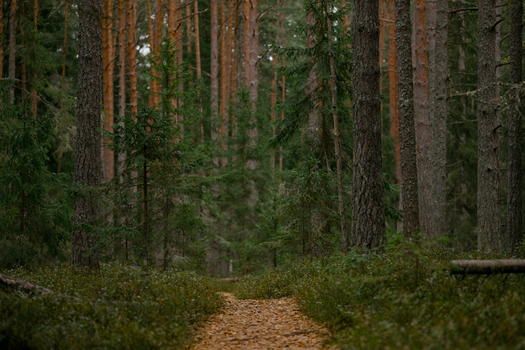
- The Forest Floor: "The air is cool and still, carrying the scent of damp moss and decaying leaves. Sunlight struggles to pierce the dense canopy, creating a dappled, almost mystical light. Listen closely, and you'll hear the rustle of unseen creatures in the undergrowth."
Planning Your Rewilding Adventure: Travel Advisor Secrets
These aren't your typical package holidays. Visiting rewilding projects requires a bit more intention, and that's where the expertise of a good travel advisor becomes invaluable.
- Beyond the Brochure: "We don't just book hotels; we connect clients with experiences," says Sarah, a seasoned advisor specializing in eco-travel. "We know which lodges have true partnerships with rewilding projects, which guides are former rangers, and which tours directly contribute funds to conservation."
- Timing is Everything: "A rewilding project might look very different in summer versus winter," explains Mark, another specialist. "We advise clients on the best seasons for wildlife sightings, for experiencing specific natural phenomena like wildflower blooms, or even for participating in volunteer work."
- Logistics, Simplified: "Getting to some of these remote locations can be complex," Mark adds. "We handle the intricate travel arrangements, ensuring seamless transfers and accommodations that align with sustainable principles."
- Impact Maximized: "Our goal is to ensure your travel dollars make a tangible difference," Sarah emphasizes. "We vet projects to ensure they are genuinely beneficial to the environment and local communities, not just 'greenwashing'."
How to Find the Right Advisor:
- Look for specializations: Seek out advisors who explicitly mention eco-tourism, sustainable travel, or conservation travel.
- Ask about their vetting process: How do they choose the projects and partners they recommend?
- Check for certifications: Organizations like the Global Sustainable Tourism Council (GSTC) offer accreditations.
- Read reviews: See what other travelers say about their experiences.
Your Role as a Rewilding Traveler
You're not just a tourist; you're a participant. Your presence, your choices, and your support matter.
- Choose Wisely: Select tours and accommodations that demonstrably contribute to the project's goals.
- Be Respectful: Follow all guidelines, stay on marked paths, and never feed wildlife.
- Educate Yourself: Learn about the project before you go. Understand the challenges and successes.
- Spread the Word: Share your experiences (responsibly!) and advocate for rewilding.
- Consider Volunteering: Many projects offer opportunities for hands-on involvement.
The Future is Wild
Stepping into a rewilding project is more than just a trip; it's an investment in our planet's future. It's a chance to witness nature’s resilience, to feel the pulse of a world healing, and to know that your journey has made a positive impact. So, ditch the predictable and embrace the wild. Talk to your travel advisor, choose your adventure, and prepare to be transformed. The earth is calling – are you ready to answer?
---