The Unexpected Allure: My First Taste of a Mountain Digital Nomad Haven
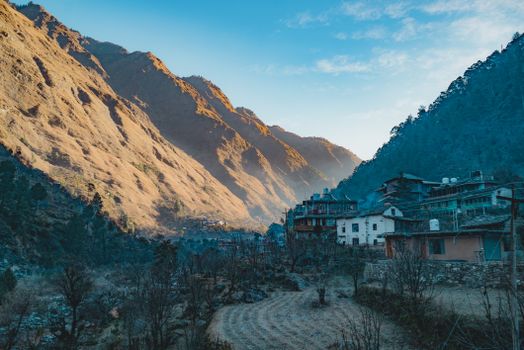
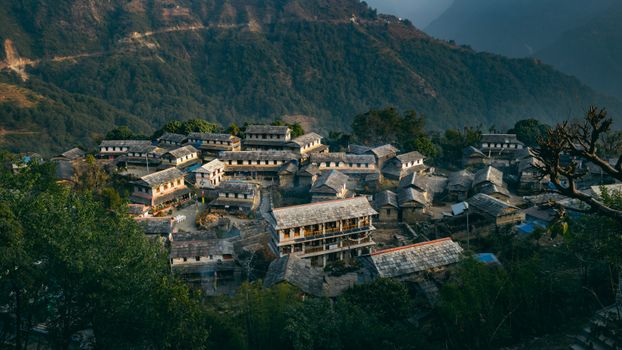
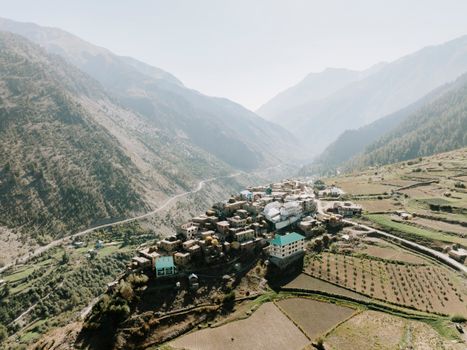
I stepped off the rattling local bus, the scent of pine needles and damp earth hitting me like a welcoming embrace. The air, impossibly crisp at this altitude, felt like a tonic. Below, a patchwork of terracotta roofs clung to the hillside, framed by jagged peaks that pierced a sky so blue it hurt. This wasn't just another picturesque postcard town; this was Val di Funes, Italy, and I'd just landed in what felt like the future of remote work. Forget sterile co-working spaces and overpriced city apartments. Here, my "office" was a sun-drenched balcony overlooking the Dolomites, my commute a five-minute stroll past charming farmhouses, and my colleagues a mix of international freelancers and friendly locals. The hum of conversation in the village piazza wasn't about deadlines, but about the best hiking trails and the day's catch. This was the subtle, yet powerful, revolution I'd come to investigate: mountain villages quietly transforming into the ultimate remote work hubs, recommended by the very experts who shape our travel future.
Why the Peaks Are Calling: The Rise of the Mountain Remote Work Hub
For years, the digital nomad narrative was dominated by sun-drenched beaches and bustling metropolises. But a seismic shift is underway. As the lines between work and life blur, people are craving authenticity, connection, and a deeper sense of place. Mountain villages, once overlooked, are emerging as the unexpected answer. They offer a potent blend of natural beauty, a slower pace of life, and a surprising infrastructure to support the modern remote worker.
The "Great Reshuffle" Meets Alpine Charm
The pandemic accelerated a trend that was already simmering: the desire to escape overcrowded, high-cost urban centers. For many, the idea of trading a cramped city apartment for a spacious chalet with panoramic views, all while maintaining a robust internet connection, became irresistible. Experts like Nomad List founder, Pieter van der Merwe, have been vocal about this shift. "We're seeing a significant uptick in searches for cooler climates and more nature-focused destinations," he told me. "Mountain villages provide that perfect antidote to digital burnout, offering a healthier, more sustainable lifestyle."
Beyond the Tourist Trail: Authenticity as the New Luxury
What sets these villages apart is their inherent authenticity. Unlike purpose-built digital nomad resorts, these are living, breathing communities. You're not just a visitor; you're integrating into a local rhythm. The smell of freshly baked bread wafting from the village bakery, the sound of church bells marking the hours, the taste of hearty, locally sourced stews – these sensory experiences are the antithesis of the generic hotel experience. This is the kind of immersion that fuels creativity and fosters genuine connection.
Expert Picks: The Undiscovered Mountain Gems
Forget the obvious ski resorts. The real magic lies in the smaller, lesser-known villages that are quietly embracing the remote work movement. These are the places where the Wi-Fi is surprisingly strong, the coffee is excellent, and the community is genuinely welcoming.
1. Val di Funes, Italy: Dolomite Dreams and Digital Flow
The Vibe:
Imagine waking up to the iconic Odle peaks bathed in alpenglow. Val di Funes, a cluster of hamlets in South Tyrol, is pure alpine enchantment. It's a place where tradition meets modern amenities, with a strong emphasis on sustainable tourism.
Insider Intel:
* Pro-Tip: The "Adolf Pichler Hütte" offers surprisingly good Wi-Fi with an unparalleled view. Grab a coffee and a slice of Apfelstrudel.
* Local Spice: Don't miss the "Schlutzkrapfen," ravioli filled with spinach and ricotta, a regional specialty.
* Community Hub: The "Buschenschank" (traditional wine taverns) often host informal gatherings.
Quick Facts:
* Estimated Costs ($): $1200 - $1800/month (accommodation varies wildly)
* Best Time to Visit: May-June (wildflowers) or September-October (autumn colors)
* How to Get There: Fly into Innsbruck (Austria) or Verona (Italy), then take a train to Brixen, followed by a local bus.
2. Gimmelwald, Switzerland: Car-Free Charm and Cowbell Serenity
The Vibe:
This tiny, car-free village clinging to a sheer cliff face in the Bernese Oberland is the stuff of legend. Think wooden chalets, geranium-filled window boxes, and a profound sense of peace. It's a place where life moves at the pace of the cows grazing on the slopes.
Insider Intel:
* Pro-Tip: The Mountain Hostel Gimmelwald has become an unofficial coworking space. Expect shared tables, a communal kitchen, and epic mountain views.
* Authentic Architecture: Notice the "Sennenhäuser" – traditional alpine farmhouses with steeply pitched roofs designed to shed heavy snow.
* Local Brew: Try the local "Appenzeller Bier" at the village pub.
Quick Facts:
* Estimated Costs ($): $1500 - $2200/month (hostel dorms are cheapest)
* Best Time to Visit: June-September (hiking season) or December-March (winter wonderland)
* How to Get There: Fly into Zurich, take a train to Interlaken Ost, then a scenic train to Lauterbrunnen. From Lauterbrunnen, take the cable car up to Gimmelwald.
3. Sierra de Aracena, Spain: Iberian Soul and Olive Grove Views
The Vibe:
Nestled in the hills of Andalusia, this region offers a different kind of mountain charm. Think rolling olive groves, whitewashed villages, and a slower, more soulful pace of life. It's a haven for those seeking sunshine, delicious food, and a strong sense of local culture.
Insider Intel:
* Pro-Tip: Many rural "casas rurales" (rural houses) are being renovated with excellent Wi-Fi. Look for listings in villages like Alájar or Linares de la Sierra.
* Local Delicacy: You must try the "Jamón Ibérico de Bellota" – acorn-fed Iberian ham, a true taste of Spain.
* Community Connection: Local "tapas bars" are the heart of social life. Engage with the owners; they're often a wealth of local information.
Quick Facts:
* Estimated Costs ($): $900 - $1500/month (very affordable)
* Best Time to Visit: Spring (April-May) or Autumn (September-October) for pleasant temperatures.
* How to Get There: Fly into Seville (SVQ), then rent a car or take a bus to Aracena.
4. Bansko, Bulgaria: The Digital Nomad Pioneer
The Vibe:
While not strictly a "hidden gem" anymore, Bansko has paved the way for mountain remote work hubs. Known for its affordable living, excellent ski slopes in winter, and a thriving international community, it's a testament to what's possible.
Insider Intel:
* Pro-Tip: The "Coworking Bansko" space is a social and professional hub, offering reliable internet, networking events, and workshops.
* Local Flavors: Indulge in "Banitsa," a delicious pastry filled with cheese, and hearty stews.
* Community Spirit: The sheer number of remote workers means there's a constant stream of meetups, skill-sharing sessions, and social events.
Quick Facts:
* Estimated Costs ($): $700 - $1200/month (extremely budget-friendly)
* Best Time to Visit: June-September (hiking and pleasant weather) or December-March (ski season)
* How to Get There: Fly into Sofia (SOF), then take a direct bus to Bansko.
The Practicalities: Making the Mountain Move Work
The romantic notion of working from a mountain village is alluring, but logistics matter. Here's what you need to know to make it a reality.
Connectivity is Key: Beyond the Pretty Views
This is non-negotiable. While many of these villages are remote, they are increasingly investing in reliable internet infrastructure.
* Pro-Tip: Always verify internet speeds with your accommodation provider before booking. Look for fiber optic if possible.
* Backup Plan: Consider a portable Wi-Fi hotspot or a local SIM card with a generous data plan as a backup.
Accommodation: From Rustic Charm to Modern Comfort
You'll find a range of options:
* Guesthouses & Farm Stays: Offer authentic experiences and often kitchen facilities.
* Renovated Chalets/Apartments: Increasingly available with modern amenities.
* Co-living Spaces: Emerging in popular hubs like Bansko, offering community and convenience.
* Pro-Tip: Book in advance, especially during peak seasons. Consider longer-term rentals for better rates and a more settled feel.
Budgeting for the Alpine Life
Mountain villages generally offer a lower cost of living than major cities, but prices can vary.
* Accommodation: This will likely be your biggest expense.
* Food: Eating local is usually very affordable. Supermarkets are common, and local markets offer fresh produce.
* Transportation: Once you're in a village, walking is often the primary mode of transport. Local buses and trains connect larger towns.
When to Go: Embracing the Seasons
Each season offers a unique perspective:
* Spring (April-June): Wildflowers bloom, hiking trails open up, and the air is fresh.
* Summer (July-August): Peak tourist season, but generally pleasant temperatures for outdoor activities.
* Autumn (September-October): Stunning fall foliage, harvest festivals, and fewer crowds.
* Winter (November-March): Cozy evenings, snow-covered landscapes, and winter sports. Be prepared for colder temperatures and potential travel disruptions.
The Human Element: Community and Connection
One of the most significant draws of these mountain havens is the sense of community.
* Embrace Local Culture: Learn a few basic phrases in the local language. Attend village festivals. Support local businesses.
* Connect with Fellow Nomads: Many villages have active online communities or informal meetups. These can be invaluable for support, collaboration, and social connection.
* The "Slow Living" Advantage: The slower pace of life in these villages encourages mindfulness and a deeper appreciation for your surroundings. This can significantly boost creativity and reduce stress.
Is a Mountain Village Your Next Remote Work Destination?
The trend is clear: mountain villages are no longer just picturesque escapes; they are becoming dynamic, vibrant hubs for the modern remote worker. They offer a compelling alternative to the traditional digital nomad hotspots, promising a richer, more authentic, and ultimately more fulfilling way to live and work.
So, if you're yearning for crisp air, inspiring vistas, and a genuine connection to a place, it might be time to look up – way up – to the mountains. The experts are recommending it, and I can personally attest to the transformative power of trading the city skyline for a mountain peak. Your next great work-life balance might just be waiting for you at altitude.