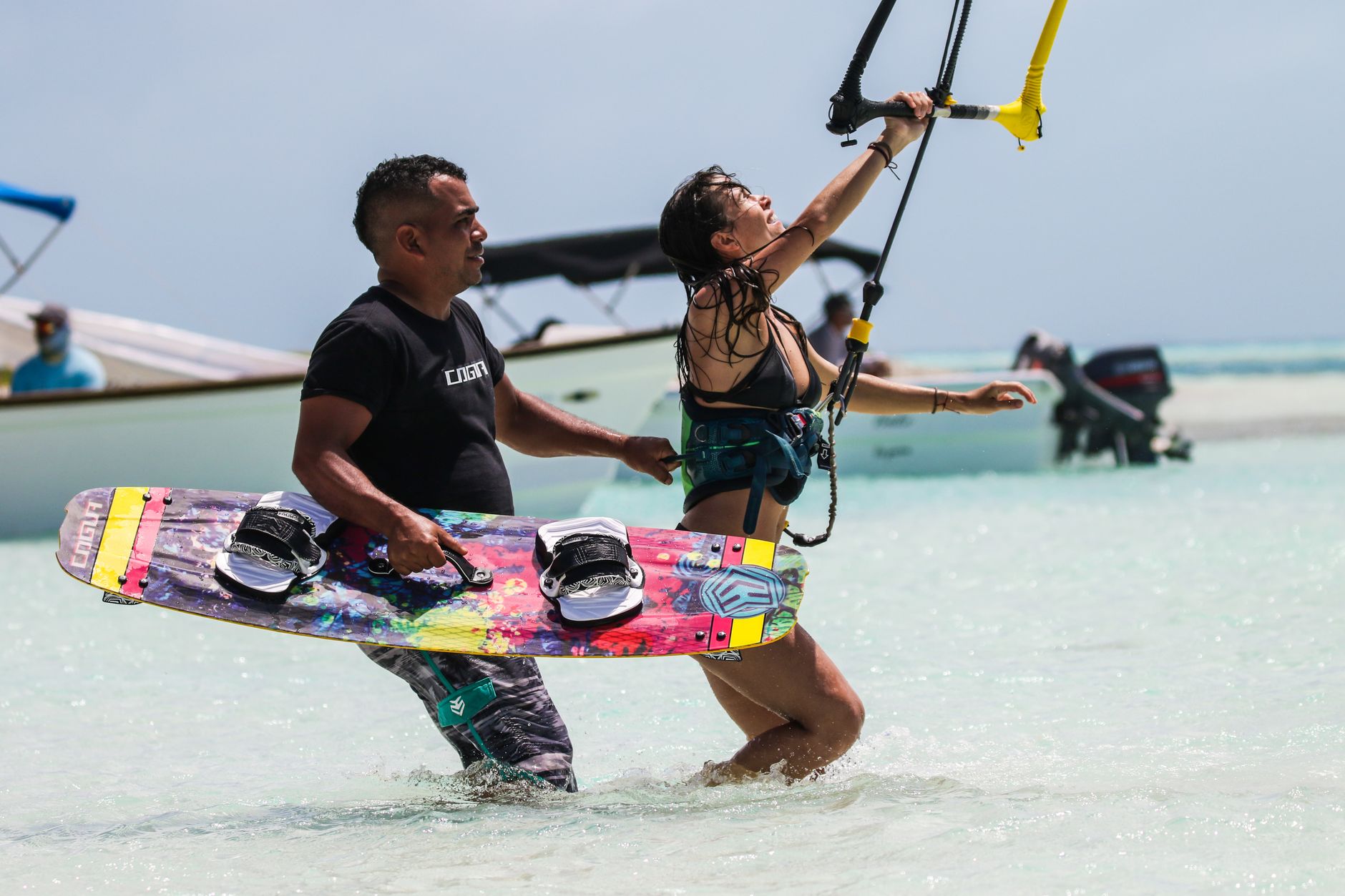
The sun beat down on my face, a bead of sweat tracing a path from my temple, past my eye, and toward the saltwater spray that coated my lips. Below me, the turquoise water of the Adriatic crashed against ancient limestone cliffs. My heart hammered a rhythm against my ribs – a mix of pure exhilaration and a healthy dose of fear. "Ready?" shouted Luka, my guide, his grin wide, his eyes sparkling with the kind of joy only a true local adventurer possesses. I took a deep breath, looked down at the impossibly clear water, and jumped. The icy shock of the sea hit me, then pure, unadulterated bliss. This wasn’t some overcrowded tourist beach; this was a hidden cove in Croatia, a place Luka and his friends had been coasteering for years, a secret they were just now sharing with a select few.
That moment, plummeting into the sea, was a revelation. It wasn't just about the thrill; it was about the authenticity, the connection to a place through the eyes of someone who truly knew it. It sparked a quest in me: to uncover more of these "local secret" extreme sports – activities that offer an adrenaline rush without requiring years of training, that are beginner-friendly, and that locals cherish precisely because they’re not overrun by tourists.
Forget the bungee jumps and skydives everyone talks about. Today, we're diving deep into the world of accessible extreme sports that offer genuine cultural immersion and heart-pounding fun. These are the adventures locals often keep to themselves, the ones that let you experience a destination’s wild side, away from the selfie sticks and tour buses. Ready to unlock some secrets? Let’s go!
1. Canyoning in Slovenia: Rappelling Through Emerald Dreams
Imagine a natural water park carved by glaciers and time, where emerald rivers flow through ancient gorges, creating natural slides, deep pools, and breathtaking waterfalls. That’s canyoning in Slovenia, and it’s an absolute revelation. While many flock to the iconic Lake Bled or Julian Alps for hiking, the true adventurers (and locals) know the real magic lies within the canyons.
My first foray into canyoning was in the Soča Valley, near Bovec. I’d seen photos, but nothing prepared me for the sheer beauty of the Kozjak canyon. Our local guide, Marko, met us with a van full of wetsuits, helmets, and harnesses. "This is our backyard," he said, gesturing to the lush, green landscape as we hiked a short trail into the forest. "Tourists usually just look at the river from the bridge. We go in."
The initial plunge into the cold, glacier-fed water was a shock, but the thick wetsuit quickly made it bearable. We started with small jumps into crystal-clear pools, then learned to rappel down trickling waterfalls, the rope burning gently through my gloved hands. The highlight was a natural rock slide, slick with moss and water, that sent us careening into a deep, turquoise basin with a splash and a laugh. It felt like playing in nature’s most incredible playground, a place so pristine and untouched, you felt privileged to be there.
Why locals love it:
It’s an intimate way to experience the raw, untouched beauty of the Julian Alps, a refreshing escape on a hot summer day, and a thrilling way to bond with friends. They know the best, less crowded canyons and the safest routes.
Beginner-Friendly Tip:
Always go with a certified local guide. They provide all the gear, teach you the techniques, and know the canyon’s conditions. Look for tours advertised as "beginner" or "family-friendly."
Details:
* Location: Soča Valley, Slovenia (near Bovec is a hotspot).
* Price: Expect to pay €60-€100 per person for a half-day guided tour, including gear.
* Best Time: May to September.
* Local Insight: Ask your guide about the "hidden" pools or less-frequented sections of the canyon for an even more exclusive experience.
2. Via Ferrata in the Dolomites: Iron Paths to Epic Views
The Dolomites, a UNESCO World Heritage site in Italy, are renowned for their majestic, jagged peaks. While experienced climbers tackle daunting routes, the Dolomites also offer a unique adventure perfect for beginners: Via Ferrata. Meaning "iron path" in Italian, these are protected climbing routes featuring fixed steel cables, ladders, and bridges, allowing non-climbers to safely traverse incredible mountain terrain.
My first Via Ferrata was near Cortina d'Ampezzo, on a route called "Col de Bois." It wasn't advertised as a major tourist attraction, but rather a local favorite for a challenging hike with a view. Our guide, Elena, a wiry woman who seemed to float up the rock face, explained the safety system: two carabiners, always clipped into the cable. "One moves, one stays," she'd remind us.
The initial scramble up a vertical ladder was daunting, but as I clipped into the cable and pulled myself higher, a sense of accomplishment washed over me. The views were simply staggering – panoramic vistas of emerald valleys, ancient pine forests, and other colossal peaks piercing the azure sky. We traversed narrow ledges, crossed swaying suspension bridges, and even navigated through a dark, echoing tunnel carved during WWI. It felt like being an explorer, accessing parts of the mountains usually reserved for seasoned alpinists.
Why locals love it:
It offers an accessible way to experience the grandeur of the Dolomites, provides an excellent workout, and allows for breathtaking photo opportunities from unique vantage points without needing advanced climbing skills. It's also steeped in local history, as many routes follow old WWI military paths.
Beginner-Friendly Tip:
Start with an "easy" or "moderately easy" graded route (often rated 1-3 on a scale of 1-5 or A/B). Rent specialized Via Ferrata gear (harness, helmet, two-carabiner lanyard) and consider a local guide for your first few routes to learn proper technique and safety.
Details:
* Location: Dolomites, Italy (Cortina d'Ampezzo, Val Gardena, Alta Badia are good bases).
* Price: Gear rental is around €20-€30 per day. Guided tours start from €150-€250 per person for a full day, depending on group size.
* Best Time: June to October.
* Local Insight: Ask at local mountain guide offices for recommendations on less-trafficked routes that offer stunning views and a good beginner challenge.
3. Sandboarding in Peru: Dune Riding with Desert Nomads
Peru is famous for Machu Picchu and ceviche, but venture south to the Ica region, and you'll discover a different kind of adventure: sandboarding. While the oasis town of Huacachina has become a popular spot, the real secret lies in finding local instructors who can take you to less-frequented dunes, or even teach you techniques that go beyond simply belly-flopping down.
My sandboarding initiation happened just outside Huacachina, but with a twist. Instead of the typical dune buggy tour, I hooked up with Ricardo, a young local who had been sandboarding since he was a kid. "The buggies are for fun, but real sandboarding is an art," he told me, strapping a board to my feet. He took me to a slightly more secluded set of dunes, away from the main hubbub, where the sand stretched out like an endless, golden ocean.
Ricardo patiently taught me to stand up, to shift my weight, and to carve gentle turns. It was like snowboarding, but on a softer, warmer medium. The first few attempts were hilarious wipeouts, face-planting into the surprisingly soft sand. But soon, I was gliding, feeling the rush of wind, the shifting grains beneath my board, and the vast, silent beauty of the desert all around me. We rode until sunset, the dunes glowing orange and purple, a truly magical experience far from the usual tourist grind.
Why locals love it:
It’s a thrilling, unique desert sport that’s a part of the local culture, especially for younger generations. It’s a perfect way to enjoy the stunning desert landscapes and the adrenaline of "surfing" on sand.
Beginner-Friendly Tip:
You can start by sitting down on the board like a sled, which is easy and fun. Once you’re comfortable, try standing up. Always wear sunglasses and bring plenty of water.
Details:
* Location: Huacachina Oasis, Ica, Peru (ask for local, independent instructors outside of the main tour operators). Also possible in Namibia and parts of Morocco.
* Price: Board rental and a few hours of instruction/dune buggy transport can range from $20-$40 USD.
* Best Time: Year-round, but mornings and late afternoons are best to avoid the midday heat.
* Local Insight: Seek out independent instructors or small local operators rather than large tour companies. They often know the quieter dunes and offer more personalized instruction.
4. Coasteering in Cornwall, UK: Cliff Jumping into the Atlantic
When you think of extreme sports, the rugged coast of Cornwall in the UK might not immediately spring to mind. But for those in the know, this dramatic coastline offers one of the most exhilarating and quintessentially British adventures: coasteering. It's essentially traversing the intertidal zone of a rocky coastline, involving scrambling, climbing, jumping into the sea, and swimming through hidden caves and gullies.
My coasteering experience in Newquay, Cornwall, was a raw, invigorating immersion into the wild Atlantic. Our guide, a sun-weathered local named Dave who looked like he was born with a wetsuit on, led our small group of four down to a secluded cove. "No boats, no crowds, just you and the ocean," he declared, his voice echoing off the ancient cliffs.
Clad in thick wetsuits, helmets, and buoyancy aids, we began scrambling over barnacle-encrusted rocks, feeling the spray of the waves. The first jump was a modest five feet into a swirling pool of emerald green, shocking my senses with its cold embrace. But as we progressed, the jumps got higher – ten feet, fifteen feet – until I found myself standing on a ledge, looking down at the churning ocean, adrenaline coursing through my veins. The ultimate thrill was swimming through a dark sea cave, the sound of the waves amplified, before emerging into a sunlit gully. It felt like discovering a secret world, accessible only to those brave enough to dive in.
Why locals love it:
It's a fantastic way to explore Cornwall's iconic coastline from a unique perspective, combining physical challenge with stunning natural beauty. It's also a great group activity, fostering camaraderie as you encourage each other through jumps and swims.
Beginner-Friendly Tip:
Choose a reputable coasteering company with experienced guides. They'll assess your comfort level and guide you through routes suitable for beginners, ensuring safety is paramount.
Details:
* Location: Newquay, Padstow, St Ives, and other coastal towns in Cornwall, UK. Wales and Scotland also offer great coasteering.
* Price: £45-£70 per person for a 2-3 hour guided session, including all equipment.
* Best Time: April to October, when water temperatures are milder.
* Local Insight: Many local surf schools or outdoor adventure centers offer coasteering. Ask them about quieter spots away from the main beaches.
5. White Water Tubing on the Guadalupe River, Texas: A Southern Secret
This might surprise you, but one of the most beloved "extreme" sports for Texans, a secret they guard fiercely, is white water tubing on the Guadalupe River. It’s not extreme in the sense of scaling mountains, but it’s an all-day, exhilarating, and uniquely American adventure that combines lazy river vibes with unexpected rapids.
My introduction to "the Guad" came from a local friend in Austin. "Forget the tourist traps, we're going tubing," she declared. We rented giant inflatable tubes, grabbed coolers packed with ice and drinks (a crucial component of Texas tubing culture), and headed to a spot near New Braunfels.
The river itself is a beautiful, spring-fed waterway, winding through cypress trees and limestone bluffs. For long stretches, it’s a serene float, allowing you to relax, chat with friends, and soak up the Texas sun. But then, without warning, the river narrows, the current quickens, and you hit "the chutes" – exhilarating sections of Class I-II rapids that send you bouncing and spinning, often colliding with other tubers in a chorus of laughter and splashes. It’s a thrilling, unpredictable ride, and navigating these rapids in nothing but a glorified inner tube feels surprisingly adventurous.
Why locals love it:
It's a quintessential Texas summer activity, a social event, a refreshing escape from the heat, and an affordable way to have an all-day adventure with friends. It’s a rite of passage, and the casual, laid-back atmosphere combined with the unexpected thrills makes it incredibly appealing.
Beginner-Friendly Tip:
Go with a group! Tie your tubes together to stay close. Wear water shoes, bring plenty of sunscreen, and secure your cooler. Respect the river and its rules (no glass, no littering).
Details:
* Location: Guadalupe River, Texas, USA (between Canyon Lake and New Braunfels).
* Price: Tube rentals are typically $20-$30 per person for the day, often including shuttle service.
* Best Time: May to September. Weekdays are less crowded than weekends.
* Local Insight: Ask at local tube rental places about the best "put-in" and "take-out" spots for a good mix of calm floating and rapids. Many locals have their preferred, less-crowded access points.
6. Beginner Outdoor Bouldering in Fontainebleau, France: A Forest of Stone
When you think of climbing in France, Chamonix or the Verdon Gorge might come to mind. But for a truly unique, accessible, and deeply cherished local climbing experience, head to the ancient forests of Fontainebleau, just south of Paris. This isn't your average climbing gym; it's an outdoor bouldering paradise, a vast forest littered with thousands of sandstone boulders, each offering a "problem" (a climbing route) to solve.
My first trip to "Bleau" (as locals affectionately call it) was with a Parisian friend who swore by it as his weekend escape. "Forget the gym," he said, "this is real climbing, and it's for everyone." We rented crash pads (thick mats to cushion falls) and bought a local guidebook (the "topo") that maps out the problems.
Bouldering is climbing without ropes, on smaller rocks, focusing on short, intense sequences of moves. Fontainebleau is famous for its "circuits" – a series of problems of increasing difficulty, marked by colored arrows. We started on a yellow circuit, designed for beginners. It was a revelation. Each boulder was a puzzle: where to place your hands, where to find a foothold, how to balance. The feeling of finally "sending" a problem, reaching the top of a seemingly impossible rock, was incredibly satisfying. The forest itself is magical, with ancient trees, moss-covered boulders, and a quiet, focused energy. It felt like being part of a secret society, sharing chalk-dusted hands and cheers of encouragement with other climbers from around the world.
Why locals love it:
It's an accessible, social, and mentally stimulating outdoor sport. It’s a beautiful escape from city life, a place to connect with nature and a vibrant, supportive climbing community. Locals know the best, less-crowded sectors and the nuances of the unique sandstone.
Beginner-Friendly Tip:
Start with the yellow or orange circuits. Go with someone experienced or join a guided session to learn basic techniques and safety. Rent crash pads and climbing shoes.
Details:
* Location: Fontainebleau Forest, France (easily accessible from Paris by train).
* Price: Crash pad rental: €15-€25 per day. Climbing shoes: €10-€15 per day. Guidebooks: €20-€30.
* Best Time: Spring and Autumn offer the best weather (not too hot, not too cold, good friction for climbing).
* Local Insight: Avoid popular sectors like Cuvier on busy weekends. Ask at local climbing shops or forums for recommendations on quieter, beginner-friendly sectors. Pack a picnic – it's part of the Bleau experience!
General Tips for Unlocking Local Extreme Sports Secrets:
- Ask a Local: The best way to find these hidden gems is to talk to people. Your Airbnb host, a friendly bartender, or a local shop owner might just point you in the right direction.
- Look for Independent Guides: Smaller, local operators often provide more authentic experiences than large, commercial tour companies. They're also more likely to know the less-trafficked spots.
- Be Flexible: These aren't always rigidly scheduled tours. You might need to be a bit spontaneous and open to adjusting your plans.
- Safety First: "Extreme" doesn't mean reckless. Always prioritize safety. Use proper gear, go with experienced guides, and know your limits.
- Respect the Environment: These are often pristine natural areas. Leave no trace, respect local regulations, and help keep these secrets beautiful.
- Embrace the Unexpected: The joy of these experiences often lies in their raw, unpolished nature. Be ready for challenges, laughter, and unforgettable moments.
Ready to Ditch the Tourist Traps?
The world is full of incredible adventures waiting to be discovered, often just beyond the well-worn path. These "local secret" extreme sports offer more than just an adrenaline rush; they offer a deeper connection to a place, a chance to see a destination through the eyes of its people, and stories that will last a lifetime. So, next time you're planning a trip, dare to ask around, venture a little further, and unlock the hidden thrills that locals don't want you to know. Your next unforgettable adventure awaits!
Which of these secret extreme sports are you adding to your bucket list? Share your thoughts and any other local adventure secrets you've uncovered in the comments below!
---