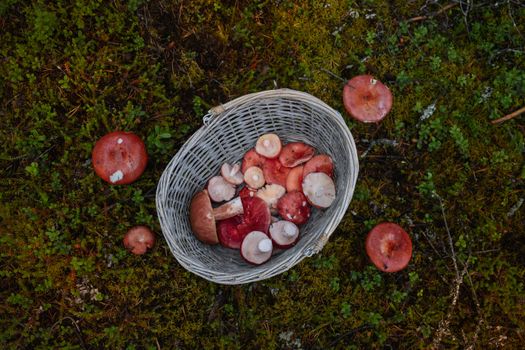
The crisp morning air bit at my cheeks as I trudged through a dew-kissed meadow, my eyes scanning the ground with the intensity of a treasure hunter. My basket, still empty, swung gently at my side. Ahead, Chef Alain, his weathered hands gesticulating wildly, pointed to a cluster of vibrant green leaves. "Wild garlic!" he exclaimed, his French accent thick with excitement. "The best you'll ever taste. And you, my friend, will be adding it to tonight's amuse-bouche."
This wasn't some survivalist boot camp; this was my introduction to a culinary revolution. For years, I’d chased Michelin stars, sampled street food, and explored every corner of the global gastronomy scene. But nothing prepared me for the visceral thrill of earning my meal, of connecting directly with the land that would sustain me. This wasn't just "farm-to-table"; this was "forest-to-fork," "ocean-to-oven," an immersive dining experience where the journey to the plate starts with your own two feet and a keen eye.
We’re talking about a new breed of restaurant, an exclusive club of culinary pioneers who are taking sustainable dining to its most literal, most exhilarating extreme. These aren't mainstream spots; they're hidden gems, often tucked away in remote landscapes, offering an adventure that’s as much about discovery as it is about deliciousness. And trust me, you want to experience them before the secret gets out.
The Philosophy of the Wild Plate: Why Forage Your Feast?
In a world increasingly disconnected from the origins of our food, the allure of foraging is potent. It's a primal instinct, a harkening back to our hunter-gatherer roots, but elevated with gourmet sophistication. These restaurants aren't just serving food; they're serving an education, an experience, and a profound connection to the natural world.
Sustainability at its Core:
At the heart of this movement is an unwavering commitment to sustainability. By foraging wild ingredients, these establishments reduce their carbon footprint, bypass industrial agriculture, and celebrate the biodiversity of local ecosystems. Chefs work in harmony with nature, taking only what's abundant and leaving plenty for the ecosystem to thrive. It's dining with a conscience, where every bite tells a story of ecological respect.
Unrivaled Freshness and Flavor:
You simply cannot get fresher than ingredients picked moments before they're cooked. Imagine the vibrant snap of a wild asparagus shoot, the earthy depth of a freshly unearthed mushroom, or the saline burst of sea beans still glistening with ocean spray. These flavors are intensely concentrated, untamed, and utterly unique – a true taste of the wild, unadulterated by cultivation. Each ingredient, whether it’s a rare herb or a common berry, brings a nuance that commercial produce simply can’t replicate.
The Thrill of the Hunt:
Let's be honest, there's an undeniable thrill in the chase. The anticipation of finding that elusive truffle, the satisfaction of spotting a perfectly ripe wild berry, the sheer joy of filling your basket with nature's bounty – it’s an exhilarating prelude to your meal. This isn't just passive consumption; it's active participation, turning dinner into an adventure. It’s a chance to slow down, engage your senses, and truly appreciate the effort that goes into every dish.
Your Foraging Adventure: What to Expect
So, what does a "forage-your-own-ingredients" dining experience actually entail? It varies, but typically, your day begins not in the dining room, but outdoors, often with a professional guide.
The Expedition:
You’ll typically meet at the restaurant or a designated point, where you'll be briefed on the day's conditions, what you might find, and crucial safety guidelines. Then, armed with baskets, small spades, and a sense of adventure, you'll set out. Depending on the location and season, your quarry could include:
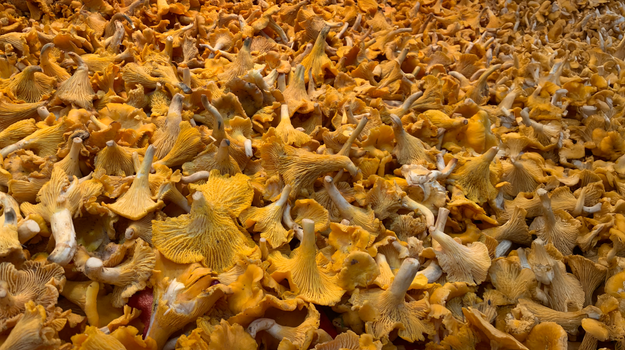
- Mushrooms: From coveted chanterelles and porcinis to delicate oyster mushrooms, the forest floor is a fungi wonderland. Your guide will teach you how to identify edible species from their poisonous lookalikes – a skill that is both fascinating and vital.
- Wild Greens & Herbs: Nettle, wild garlic, dandelion greens, sorrel, chickweed, watercress – these aren't just weeds; they're flavor powerhouses, packed with nutrients and vibrant tastes.
- Berries & Fruits: Wild raspberries, blackberries, elderberries, sea buckthorn – often smaller and more intensely flavored than their cultivated cousins.
- Seaweed & Coastal Delights: Along coastlines, you might discover nutrient-rich kelp, dulse, sea lettuce, or even foraging for mussels and clams in tidal pools.
From Field to Feast:
As you forage, your guide (often a chef or a trained botanist) will share their extensive knowledge, pointing out local flora and fauna, explaining foraging ethics, and even sharing stories of the land. It’s an incredibly educational experience, transforming you from a diner into a temporary naturalist.
Once your baskets are brimming with nature's treasures, you’ll return to the restaurant. Here, the magic truly begins. Your foraged ingredients are handed over to the culinary team, who will then craft them into an exquisite, multi-course meal right before your eyes. Sometimes, you might even get to participate in a small cooking demonstration, learning how to clean or prepare your finds. The pride of seeing your wild bounty transformed into a culinary masterpiece is unparalleled.
Spotlight on Foraging Havens: Unearthing Culinary Gems
These experiences are rare and exclusive, often operating on small scales to maintain sustainability and intimacy. Here are a few examples of the kind of places you might discover, each offering a distinct flavor of adventure:
1. The Woodland's Pantry (Pacific Northwest, USA)
- Location: Tucked away in the foothills of the Olympic Mountains, Washington State.
- Vibe: Rustic elegance meets Pacific Northwest wild. Imagine a cozy, timber-framed lodge with roaring fireplaces and panoramic views of ancient forests.
- The Experience: My journey at The Woodland’s Pantry started with a sunrise hike through mist-shrouded old-growth forests. Our guide, a former park ranger named Eleanor, had an encyclopedic knowledge of fungi. We spent three hours meticulously searching for Chanterelles, Morels (in spring), and various wild berries. I remember the sheer joy of unearthing my first perfect Chanterelle, its vibrant orange cap glowing against the damp earth. Eleanor taught us how to safely identify and harvest, emphasizing sustainable practices.
- The Feast: Back at the lodge, our collected treasures were laid out. Chef Julian, a soft-spoken master of forest cuisine, then transformed our haul into a six-course tasting menu. The highlight was a Pan-Seared Venison Loin with Wild Mushroom Risotto and Huckleberry Reduction, using the very Chanterelles I'd found. Each dish felt like a direct dialogue with the forest, a symphony of earthy, sweet, and umami notes. Another standout was a vibrant Wild Sorrel and Nettle Soup that tasted like pure, unadulterated spring.
- Price Range: $$$$ (Expect $350-$500+ per person for the full foraging and multi-course dining experience, excluding drinks. This includes the guided tour, expert instruction, and a meticulously prepared gourmet meal.)
- Booking Tip: Open seasonally, primarily spring and fall for mushrooms. Book at least 6-8 months in advance, as they only host small groups (6-10 people) a few times a week.
2. Salt & Soil Kitchen (Isle of Skye, Scotland)
- Location: Perched dramatically on a cliff overlooking the Atlantic, near Waternish.
- Vibe: Nordic minimalist meets wild Scottish coast. Think whitewashed walls, large windows framing dramatic seascapes, and a focus on natural textures.
- The Experience: My day began with wellington boots and a bracing coastal walk. The wind whipped my hair as Chef Isla, a dynamic woman with a passion for the sea, led us along rocky shores and through tidal pools. We learned to identify various seaweeds – Dulse, Sugar Kelp, Sea Lettuce – and even managed to pry a few mussels off the rocks. The taste of a freshly shucked mussel, still salty from the ocean, was an unforgettable moment of pure, unadulterated flavor. We also found wild samphire and sea kale growing in abundance.
- The Feast: Isla, with her team, transformed our ocean bounty. We started with Smoked Cod with Seaweed Cracker and Foraged Sea Bean Emulsion, followed by a main of Pan-Fried Scallops (ethically sourced) on a Bed of Buttered Samphire and Dulse Puree. The flavors were incredibly clean, saline, and vibrant. Dessert was an innovative Sea Buckthorn Berry Mousse with Heather Honey Tuile, a delightful balance of tart and sweet that tasted distinctly Scottish.
- Price Range: $$$$ (Approx. £300-£450 per person, including the guided coastal forage and an exquisite tasting menu. Wine pairings are extra.)
- Booking Tip: Best during warmer months (May-September) when the tides are favorable and coastal flora is abundant. Limited to 4-6 guests per foraging session, so secure your spot at least 9-12 months ahead.
3. The Wild Root Eatery (Appalachian Foothills, Virginia, USA)
- Location: A charming, restored farmhouse nestled amongst rolling hills and dense woodlands.
- Vibe: Southern hospitality meets rustic gourmet. It feels like visiting a cherished family home, but with a Michelin-level kitchen.
- The Experience: Here, the foraging was less about dramatic landscapes and more about intimate discovery in the dense undergrowth. Our guide, a local botanist named Sarah, taught us about the medicinal and culinary properties of Appalachian plants. We found ramps (wild leeks) in spring, wild ginger, pawpaws (a native fruit) in late summer, and various edible berries and greens. I particularly enjoyed learning to identify different varieties of mint and wood sorrel, tasting their distinct profiles directly from the plant. It felt less like a hunt and more like a gentle exploration.
- The Feast: Chef Marcus, known for his refined take on regional cuisine, created dishes that celebrated the local terroir. A memorable dish was Slow-Cooked Pork Belly with Ramp Pesto and Pickled Wild Ginger, an incredible balance of richness, spice, and freshness. Another highlight was the Pawpaw Crème Brûlée, a surprising and delightful use of the creamy, tropical-tasting fruit. The meal felt deeply rooted in the land, a true expression of Appalachian bounty.
- Price Range: $$$ (Around $200-$300 per person for the foraging tour and a multi-course dinner. A more accessible price point for a similar experience.)
- Booking Tip: Ramps are a spring delicacy, so book for April/May if you want to experience them. Other seasons offer different delights. They accommodate slightly larger groups (8-12) but still require bookings 4-6 months out.
Practical Tips for the Aspiring Forager-Diner
Ready to embark on your own wild culinary adventure? Here’s how to make the most of it:
- Book Far in Advance: These experiences are highly exclusive and have limited availability. Think months, not weeks, ahead.
- Dress for the Outdoors: Expect to get a little dirty! Wear sturdy, comfortable, waterproof shoes (hiking boots or wellies are often recommended), layers of clothing suitable for the weather, and long pants to protect against scratches and insects. A hat and gloves can also be useful.
- Listen to Your Guide: Their knowledge is invaluable, especially when it comes to identifying edible vs. poisonous plants. Pay close attention to their instructions and don't stray from the group.
- Be Open-Minded: You might encounter ingredients you've never heard of. Embrace the novelty and trust the chef's expertise. This is about expanding your culinary horizons.
- Pack Essentials: Bring a reusable water bottle, a small backpack for personal items, and perhaps a small notebook if you want to jot down notes about your discoveries. Sunscreen and insect repellent are also wise additions.
- Capture the Moment (Respectfully): These experiences are incredibly Instagram-worthy! Think baskets brimming with wild treasures, stunning landscapes, and close-ups of unique plants. However, always be mindful of your surroundings and your group. Don't let your camera distract you from the experience or delay the group. Ask permission before photographing people.
- Embrace the Pace: Foraging is not a race. It’s about observation, patience, and connecting with nature. Enjoy the slow, deliberate rhythm of the hunt.
- Ask Questions: This is an incredible learning opportunity. Don't hesitate to ask your guide about the plants, the ecosystem, or the culinary uses of your finds.
Beyond the Plate: The Deeper Connection
What makes these foraging restaurants truly special isn't just the incredible food, but the profound sense of connection they foster. You gain a deeper appreciation for where your food comes from, the delicate balance of ecosystems, and the sheer abundance of nature. It’s an education in taste, ecology, and self-reliance, all wrapped up in an unforgettable culinary journey.
You'll leave not just with a full stomach, but with stories to tell, new skills learned, and a renewed sense of wonder for the natural world. It’s a travel experience that transcends the ordinary, pushing you to step outside your comfort zone and engage with your surroundings in a deeply meaningful way.
It’s about discovering the wild flavors of the world, understanding their origins, and becoming an active participant in your own dining story. These aren't just restaurants; they're gateways to adventure, to learning, and to a more authentic way of eating.
So, are you ready to trade your reservation for a foraging basket? To swap fine dining for forest exploring? To be among the first to experience this incredible, immersive culinary trend before it hits the mainstream?
Go on, wander a little. The wild is calling, and dinner awaits!
---