The Secret Ingredient: Why Market-to-Table Cooking Classes Are Your Next Must-Book Adventure (Before Everyone Else Does!)
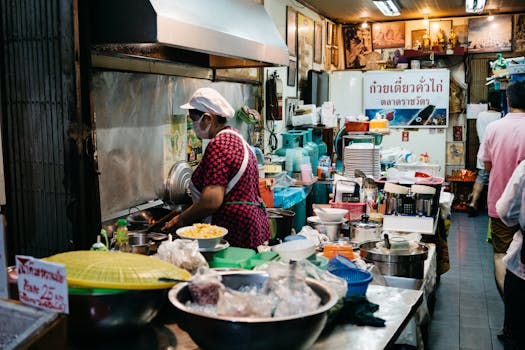
The air hung thick with the scent of star anise, ginger, and something wonderfully unidentifiable. Sunlight sliced through the gaps in the market stalls, illuminating pyramids of exotic fruits and mountains of vibrant spices. A tiny woman with a mischievous glint in her eyes handed me a fragrant leaf, urging me to crush it between my fingers. "Smell," she commanded with a grin, "This is the soul of our soup."
That moment, deep within a bustling market in Hoi An, Vietnam, wasn't just a transaction; it was an awakening. It was the start of a market tour, swiftly followed by a cooking class, that completely reshaped how I travel and eat. I wasn't just learning to cook; I was learning a culture, ingredient by ingredient, story by story.
For years, I’ve chased these authentic, immersive experiences. And lately, I’ve noticed a shift. Travelers are craving more than just sightseeing; they want to participate. They want to peel back the layers, understand the rhythm of local life, and, crucially, eat like a local. This hunger has given rise to the market-to-table cooking class – an experience where you don't just cook, but you first source your ingredients directly from the local market, guided by a local expert.
But here’s the kicker: while these classes are gaining traction, many of the truly authentic, intimate ones are still hidden gems. They’re run by passionate individuals, often out of their homes or small, family-run establishments, offering a level of personal connection that larger, more commercial operations simply can’t replicate. This, my fellow travel enthusiasts, is your golden window. These are the experiences you need to seek out now, before they become mainstream, before the small groups swell, and before the personal touch gets diluted.
So, grab your reusable market bag and your sense of adventure. We're diving into the world of market-to-table cooking classes – the ultimate way to taste, learn, and connect.
Beyond the Recipe Book: Why Market-to-Table is the Ultimate Immersion
Think about your typical cooking class experience. You walk into a pre-set kitchen, ingredients laid out, a chef ready to guide you through a pre-selected menu. It's fun, educational, and you learn a few new dishes. But what if you could start earlier? What if you could see, touch, and smell the raw ingredients in their natural habitat – the local market?
That's the magic of market-to-table. It’s not just about cooking; it’s about the entire journey.
- Cultural Deep Dive: The market is the heartbeat of any community. It's where daily life unfolds, where traditions are kept alive, and where the stories of a culture are whispered between vendors and shoppers. You learn about seasonal produce, local farming practices, traditional remedies, and even the art of haggling (politely, of course!).
- Sensory Overload (in the Best Way!): Imagine the vibrant colors of fresh produce, the cacophony of vendors calling out their wares, the earthy smell of spices, the sweet aroma of exotic fruits, the taste of a sample offered by a friendly vendor. Your senses are alive, engaged, and fully immersed.
- Ingredient Education: Ever wondered what kaffir lime leaves actually look like? Or how to tell a good ripe avocado from a bad one in a foreign land? Your guide will introduce you to ingredients you've never seen, explain their importance, and teach you how to select the freshest produce, a skill that transcends the class itself.
- Supporting Local: By participating in these smaller, more authentic classes, you're often directly supporting local families, farmers, and small businesses. This is sustainable tourism at its delicious best, ensuring your travel dollars empower the community you're visiting.
- The Ultimate Souvenir: Forget trinkets. The ability to recreate authentic local dishes in your own kitchen back home is the most delicious, enduring souvenir you could ever acquire. Plus, the stories you'll tell about finding that obscure herb in a bustling souk? Priceless.
It's this holistic experience, this deep connection to the source, that elevates market-to-table classes from a fun activity to an unforgettable travel memory.
My Top Picks: Unearthing Culinary Goldmines (Before They Explode!)
I’ve had the privilege of experiencing these culinary journeys in various corners of the world. Here are a few places where I found truly exceptional, intimate market-to-table classes that are still flying under the radar:
1. Southeast Asia: The Spice Trails of Northern Thailand
My journey through Chiang Mai's bustling markets was an explosion of color and scent. Our guide, a jovial local woman named Lek, navigated the labyrinthine aisles with ease, introducing us to everything from pungent fermented fish paste to delicate banana blossoms. We learned how to pick the freshest galangal and select the perfect sticky rice.
- My Experience: We started at a local wet market, far from the tourist-heavy Warorot Market. Lek taught us the names of herbs in Thai, how to spot quality produce, and even how to make small talk with vendors. Back at her open-air kitchen, nestled amidst a lush garden, we pounded curry pastes from scratch, stir-fried fragrant noodles, and simmered rich coconut curries. The joy of eating something you’ve literally picked from the earth (or market stall) and transformed into a masterpiece is unparalleled.
- Specifics: While many places offer classes, look for those advertising small groups (4-8 people) and a strong emphasis on the market tour. Places like Thai Farm Cooking School or Sammy's Organic Thai Cooking School often get it right, sometimes even including a visit to their own organic gardens. Prices typically range from $35-$60 USD for a half-day class including market tour, multiple dishes, and often a recipe book.
- Why it's "Before Mainstream": Many still go for the big-name schools. These smaller ones, often a bit further out of the city center, offer a more personal, family-like atmosphere. They focus on traditional techniques and local ingredients, not just tourist-friendly adaptations.
- Instagram-Worthy Moment: A close-up of vibrant, freshly picked Thai herbs, glistening with morning dew, ready to be pounded into a curry paste. Or perhaps you, beaming, holding a perfectly plated Pad Thai you just cooked.
2. North Africa: The Aromas & Secrets of Marrakech, Morocco
Stepping into a Marrakech souk is like diving headfirst into a sensory overload – the rhythmic calls of vendors, the shimmer of silk, the glint of brass, and above all, the intoxicating scent of spices. My market tour here was a masterclass in aromatics. Our guide, a soft-spoken chef named Fatima, explained the nuances of ras el hanout, the art of preserving lemons, and the secret behind perfect harissa.
- My Experience: We navigated the spice section of the souk, learning to differentiate between various types of cumin and paprika, and discovering the hidden power of argan oil. Back in her traditional riad kitchen, with the scent of mint tea already brewing, we learned to make a chicken tagine that tasted like sunshine and ancient secrets, along with a vibrant zaalouk and fluffy couscous. The slow, meditative pace of Moroccan cooking, from chopping vegetables to layering spices, was a revelation. It felt like being welcomed into a family home.
- Specifics: Seek out small, independent riad-based cooking classes. Faim d'Epices (a short drive from the Medina) and La Maison Arabe (more upscale but still offers intimate experiences) are well-regarded, but many smaller riads offer private or semi-private classes. Expect to pay anywhere from $70-$120 USD for a half-day experience, including the market tour and a multi-course meal.
- Why it's "Before Mainstream": The sheer number of tour operators means many opt for convenient, larger group classes. The real gems are the ones run by local women in their homes or small riads, often advertised through word-of-mouth or independent booking sites.
- Instagram-Worthy Moment: A stunning flat lay of colorful Moroccan spices in ceramic bowls, arranged on a vibrant mosaic table. Or a shot of you carefully stirring a bubbling tagine, surrounded by traditional Moroccan kitchenware.
3. Latin America: Ancient Flavors of Oaxaca, Mexico
Oaxaca is Mexico's culinary heartland, a place where ancient traditions meet vibrant flavors. My market tour here was less about haggling and more about understanding the deep cultural significance of ingredients. Our guide, a passionate ethnobotanist-turned-chef named Elena, introduced us to dozens of varieties of chiles, explained the process of making mole from scratch, and even showed us how to select the perfect masa for tortillas.
- My Experience: We visited the Mercado de Abastos, one of the largest and most authentic markets in Oaxaca. Elena explained the history of corn, the symbolism of chocolate, and the medicinal properties of various herbs. Back in her beautifully restored colonial kitchen, we ground spices by hand, toasted chiles, and learned the intricate dance of flavors that creates a mole negro. The highlight was making fresh corn tortillas from scratch, pressing the masa between our palms, and watching them puff up on the comal. It was a journey into the soul of Mexican cuisine.
- Specifics: Look for classes that specifically emphasize Oaxacan cuisine and include a visit to a local market beyond the tourist-centric Mercado Benito Juárez. Casa Crespo (Chef Oscar Carrizosa) and Alma de Mi Tierra (Chef Pilar Cabrera) are renowned, but smaller, more intimate options can be found via Airbnb Experiences or by asking local guesthouse owners. Prices are typically around $60-$100 USD.
- Why it's "Before Mainstream": Oaxaca is a foodie destination, but many classes focus on specific dishes without the deep dive into ingredient origins. The ones that offer a true ethnobotanical market tour are still a niche.
- Instagram-Worthy Moment: A vibrant close-up of dozens of dried chiles hanging in a market stall, or a shot of you expertly flipping a fresh tortilla on a traditional comal, with a colorful Oaxacan textile in the background.
4. Europe: Rustic Charm in the Tuscan Countryside, Italy
While Italy boasts countless cooking classes, finding one that truly integrates a local market tour before it becomes a large-scale operation requires a bit of digging, especially outside major cities. My experience in a small Tuscan village, rather than Florence, was precisely that.
- My Experience: We met our nonna-chef, Maria, at the weekly village market. It was a charming affair, full of elderly locals chatting, bartering for seasonal vegetables, and sampling local cheeses. Maria taught us how to pick the ripest tomatoes, distinguish between various types of pecorino, and even how to spot the best local olive oil. Her kitchen, warm and filled with the scent of simmering sauces, felt like stepping into an Italian grandmother's home. We kneaded pasta dough by hand, rolled out tagliatelle, and prepared a rich ragu using the ingredients we'd just bought. Every step was a lesson in tradition and passion.
- Specifics: For this, you really need to go off the beaten path. Look for agriturismos (farm stays) or small family-run guesthouses in less-visited regions of Tuscany, Umbria, or Sicily that offer cooking classes. Websites like Cookly or Airbnb Experiences can sometimes connect you with these. Expect prices to be higher, often ranging from $100-$180 USD for a full-day experience, sometimes including wine tastings or farm tours.
- Why it's "Before Mainstream": Many Italian cooking classes are already quite popular. The "before mainstream" element here is seeking out the truly small, family-run operations in rural areas, where the market is a local affair, not a tourist attraction.
- Instagram-Worthy Moment: A picturesque shot of a small Italian village market, with fresh produce spilling out of baskets and an elderly nonna smiling in the background. Or a close-up of freshly made pasta dough, dusted with flour, ready to be rolled.
The Art of the Hunt: How to Find These Hidden Culinary Gems
Finding these intimate market-to-table experiences requires a bit more effort than booking a mass-tourism tour, but the reward is infinitely greater. Here’s how I track them down:
- Ask Locals (The Old-Fashioned Way): This is gold. Ask your guesthouse owner, the barista at your favorite coffee shop, or even a friendly taxi driver. They know the real local spots. "Do you know anyone who teaches traditional cooking, maybe from their home, who also goes to the market?" is a great opener.
- Scour Airbnb Experiences & Local Websites: Filter for "cooking class" and "market tour." Pay close attention to the number of reviews – sometimes, fewer, but highly enthusiastic reviews, indicate a newer, more intimate experience. Look for hosts who emphasize small groups and personal connection.
- Instagram Hashtags: Dive deep! Search hashtags like #\[City]CookingClass, #\[City]MarketTour, #LocalFoodExperience, #MarketToTable, #AuthenticCooking. Look for photos that show small groups, personal interaction, and genuine local settings. Message the accounts directly.
- Specialized Culinary Tour Operators (with a caveat): Some smaller, niche operators focus on authentic experiences. While they might be slightly pricier, they often vet their partners carefully. Just ensure they aren't pushing large, commercial operations.
- Look for "Home-Based" or "Family-Run": When descriptions mention a class held in someone's home, a family farm, or a small guesthouse, you're usually on the right track for intimacy.
- Read Between the Lines in Reviews: Look for keywords like "personal touch," "felt like family," "off the beaten path," "authentic," "small group," or "hidden gem." Avoid reviews that mention "too many people," "rushed," or "tourist trap."
- Check Local Tourism Boards (Sometimes): While often promoting larger attractions, some progressive tourism boards highlight unique local experiences. It's worth a quick look at their "experiences" or "culture" sections online.
Red Flag Warning:
Be wary of classes that boast huge capacities, generic Westernized menus, or those aggressively advertised in tourist hotspots without any mention of a market visit. These are usually designed for volume, not genuine immersion.
Maximizing Your Market-to-Table Experience
You've found your hidden gem – now make the most of it!
- Go Hungry (Seriously!): Most classes culminate in feasting on your creations. Don't spoil your appetite!
- Ask Questions (Lots of Them!): This is your chance to learn. Ask about ingredients, techniques, local customs, family recipes, and even the history of the dishes. Engage with your chef and the market vendors.
- Take Notes & Photos: Document everything! Snap pictures of ingredients, steps, and the final dishes. Jot down recipe details, ingredient names, and any special tips the chef shares. A small notebook and pen are invaluable.
- Be Open-Minded & Adventurous: You might encounter ingredients or flavors you're unfamiliar with. Embrace the new! This is how you expand your palate and your understanding of the world.
- Engage with Your Group: These classes often attract like-minded travelers. Share stories, laugh, and make new friends.
- Dress Comfortably & Practically: You'll be walking through markets, possibly standing for long periods, and cooking. Comfortable shoes and clothes that can handle a little splatter are essential.
- Bring a Reusable Bag: Perfect for any spontaneous market purchases you might make (a new spice blend, a unique fruit, a local craft).
- Learn a Few Local Phrases: Even "hello," "thank you," and "delicious" in the local language can go a long way in building rapport with vendors and your chef.
Why "Before Mainstream" Matters: Preserving Authenticity
The rise of conscious travel means we, as travelers, have a responsibility. When we seek out these "before mainstream" experiences, we're not just getting a better, more authentic trip; we're also contributing positively to the local ecosystem.
Supporting small, local businesses helps distribute tourism income directly to the community. It encourages the preservation of traditional cooking methods and local ingredients. It helps maintain the intimacy and authenticity of an experience that might otherwise be scaled up and lose its soul.
There's a unique joy in discovering something truly special, something that feels like a secret shared just with you. These market-to-table classes, in their current intimate form, offer that profound connection. They invite you not just to observe, but to participate, to learn, and to truly taste the world.
Your Next Culinary Adventure Awaits!
So, are you ready to ditch the tourist menus and dive fork-first into the heart of a new culture? These market-to-table cooking classes are more than just a meal; they're a passport to understanding, a lesson in tradition, and a memory you'll savor long after your journey ends.
Don't wait until every travel influencer has posted about them, until the groups are too big, and the prices too high. The time to seek out these hidden culinary gems is now.
Which market-to-table adventure are you dreaming of? Have you discovered a hidden gem I need to know about? Share your thoughts and culinary aspirations in the comments below! Let's inspire each other to taste the world authentically.
---