The Iron Heartbeat: Uncovering the World's Most Secret, Soul-Stirring Train Journeys
The rhythmic clack of wheels on steel, the world blurring past your window, the scent of adventure in the air – there’s a magic to train travel that no other mode of transport can quite replicate. But I’m not talking about the Eurostars or the Shinkansens of the world, nor even the famed luxury liners. I’m talking about something far more profound, more authentic, and infinitely more thrilling.
My obsession began years ago, on a dusty platform in rural Bolivia. I was waiting for a bus that never came when an old man, his face a roadmap of sun-baked wrinkles, pointed to a single, battered train carriage coupled to a freight engine. "That one," he grunted, "takes you to the edge of the world. Tourists don't usually know about it."
That simple phrase – tourists don't usually know about it – ignited a fire. It wasn't about exclusivity, but about the promise of genuine discovery, of landscapes untainted by selfie sticks and commercialized viewpoints. It was about finding the iron arteries that truly connect communities, cutting through impossible terrains, offering glimpses into lives and places the guidebooks conveniently forget.
Since then, I’ve chased these whispers across continents, ridden on trains that felt more like time machines, and witnessed panoramas that redefine "breathtaking." These aren't just journeys; they're pilgrimages into the heart of a destination, often slow, sometimes challenging, but always, unequivocally, unforgettable.
Are you ready to peel back the layers of conventional tourism? To swap curated experiences for raw, unadulterated adventure? To travel on routes locals might prefer to keep secret, precisely because they are so special? Then buckle up. Your next epic rail adventure starts now.
1. The High-Altitude Wanderer: Peru's Untamed Andes Express (Huancayo to Huancavelica)
Forget the tourist-packed Inca Trail; for a true taste of the Peruvian Andes, you need to ride the "Tren Macho." This narrow-gauge railway, connecting the bustling city of Huancayo to the remote, colonial town of Huancavelica, is a marvel of engineering and a lifeline for the communities it serves. It’s not about luxury; it’s about immersion.
My journey began in Huancayo, a vibrant market town buzzing with Andean life. The train itself was a modest affair – a few carriages, often packed with locals carrying everything from sacks of potatoes to live chickens. As we pulled out of the station, the urban sprawl quickly gave way to a landscape of impossible green, framed by towering, snow-capped peaks.
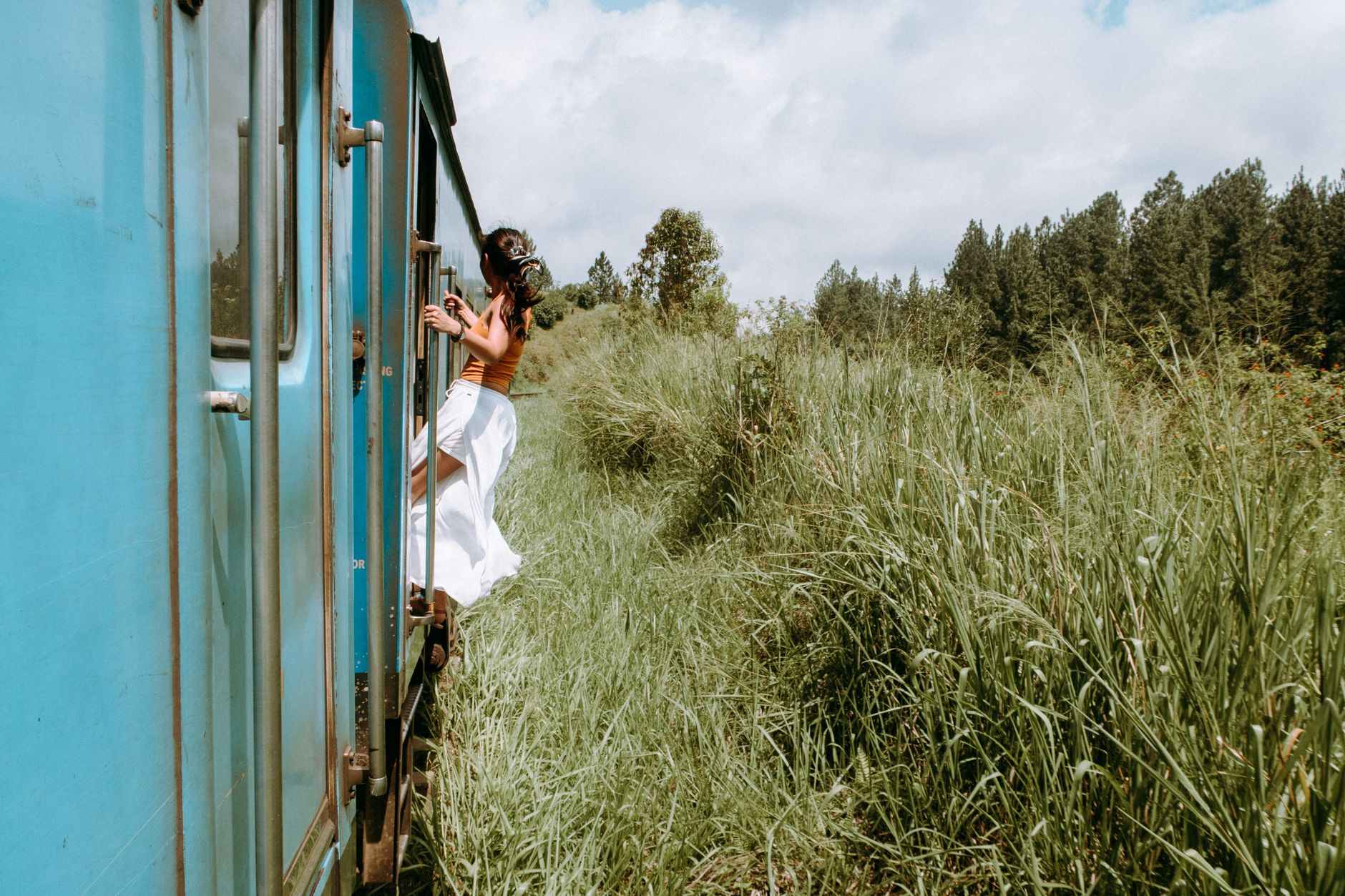
The "Tren Macho" (so named because it leaves when it wants and arrives when it can, a testament to its rugged independence) carves its way through dizzying canyons, over rickety-looking suspension bridges spanning roaring rivers, and through 38 dark tunnels. Each tunnel exit is a reveal, like a curtain drawing back on a new, more spectacular stage. I remember leaning out of the window (a common practice, just watch your head!) as we rounded a bend, the train clinging to a cliff edge, a thousand-foot drop plummeting into the Mantaro River below. My stomach did a flip, but my eyes were glued to the raw beauty.
At every tiny, remote station, women in vibrant traditional dresses would rush to the windows, selling empanadas, fresh fruit, and hot mate de coca – a godsend for the rising altitude. This isn’t a scenic tour; it’s a living, breathing artery of the Andes, where you’re not just an observer but a temporary participant in daily life.
Practical Tips for Your Andean Adventure:
* Booking: Forget online reservations. Tickets are bought directly at the station in Huancayo (Estación Chilca) on the day of travel. Arrive early, especially on weekends.
* Cost: Incredibly affordable. Expect to pay around S/20-S/50 (approx. $5-$15 USD) for the entire 5-7 hour journey.
* When to Go: The dry season (May to October) offers clearer skies and fewer delays, but the rainy season can add dramatic mist and lushness.
* What to Pack: Layers for varying temperatures, altitude sickness medication (or coca leaves!), water, snacks, and a camera with plenty of battery.
* Instagram Moment: The dizzying views from the open window, the vibrant local interactions, and the train emerging from one of the many tunnels.
2. Across the Roof of the World: India's Himalayan Foothill Line (Kangra Valley Railway)
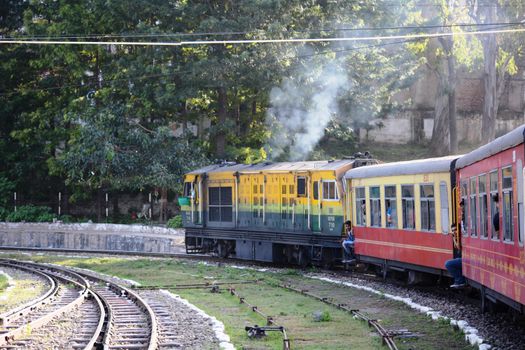
When people think of Indian mountain railways, the Darjeeling or Kalka-Shimla lines usually come to mind. But tucked away in Himachal Pradesh lies a lesser-known gem: the Kangra Valley Railway. This narrow-gauge line, built by the British in the 1920s, snakes its way from Pathankot to Joginder Nagar, offering 164 kilometers of unhurried, breathtaking views that feel like a secret handshake with the Himalayas.
I discovered this route by chance, after a trek in the Dhauladhar range. A local tea stall owner, seeing my maps, simply pointed and said, "If you want to see the mountains, not just climb them, take the little train." And so I did.
The journey is a slow dance through terraced tea gardens, pine forests, and charming villages where life seems to have paused a century ago. Unlike its more famous siblings, the Kangra Valley Railway avoids steep gradients through clever engineering, meaning fewer tunnels and more continuous, panoramic views of the majestic Dhauladhar range looming in the distance.
I remember sharing a compartment with a group of elderly women, their laughter echoing through the carriage as they shared stories and homemade parathas. They seemed utterly unfazed by the train’s languid pace, simply enjoying the journey, pointing out landmarks – a particularly sacred temple, a hidden waterfall – with a casual familiarity that comes from a lifetime of riding this iron serpent. The air was crisp, scented with pine and woodsmoke, and every turn offered a new vista, a new village clinging to a hillside, a new stream cascading down. It's a photographer's dream, a meditation in motion.
Practical Tips for Your Himalayan Journey:
* Booking: Tickets are usually purchased at the station on the day of travel. No online booking for these local services.
* Cost: Extremely cheap, often less than 100-200 Indian Rupees (approx. $1-3 USD) for a long segment.
* When to Go: Spring (March-April) for rhododendrons and clear skies, or autumn (October-November) after the monsoon for lush greenery and crisp views. Avoid peak monsoon (July-August) due to potential landslides.
* What to Pack: Light layers, a good camera, and an open heart for spontaneous conversations.
* Instagram Moment: The train winding through lush tea gardens with snow-capped peaks in the background, or a candid shot of locals sharing a laugh.
3. The Ghost Train of the Steppe: Kazakhstan's Endless Horizon (Almaty to Aral)
Imagine a landscape so vast, so empty, it feels like the curvature of the earth is visible. That’s the Kazakh steppe, and crossing it by train is an experience of profound solitude and stark beauty. While the Trans-Siberian gets all the glory, Kazakhstan offers its own epic, lesser-known rail adventures, none more evocative than the long-haul journey from Almaty into the heart of the Aral Sea region.
My destination was Aral, a town scarred by the environmental catastrophe of the shrinking sea, but the journey itself was the true prize. Leaving the vibrant metropolis of Almaty, the train slowly shed the trappings of civilization, plunging into an ocean of golden grass, stretching endlessly in every direction. Days bled into nights, and the rhythmic sway of the train became a lullaby.
I spent hours gazing out of the window, mesmerized by the subtle shifts in the landscape. Herds of wild horses galloping across the plains, solitary yurts appearing like mirages, and the most spectacular sunrises and sunsets I’ve ever witnessed – painting the vast sky in fiery oranges, deep purples, and electric pinks. There’s a raw, untamed quality to the steppe that demands respect and offers an unparalleled sense of freedom.
Inside the kupé (sleeper carriage), life unfolded with a quiet camaraderie. Fellow passengers, mostly Kazakhs and Russians, shared stories, strong tea, and sometimes even kumis (fermented mare's milk). Language barriers dissolved into shared smiles and gestures. The conductor, a stoic woman with a kind smile, kept the samovar perpetually hot. It’s a journey that strips away the superfluous, leaving you with the essentials: human connection and the immense, humbling scale of nature.
Practical Tips for Your Steppe Sojourn:
* Booking: Tickets can be booked online via Kazakhstan Railways (KTZ) or at major train stations. Book sleeper berths (Kupé or Platskart) for comfort on long journeys.
* Cost: Very affordable. A long segment can cost around KZT 5,000-10,000 (approx. $10-25 USD) for a sleeper berth.
* When to Go: Spring (April-May) for wildflowers or autumn (September-October) for golden hues and comfortable temperatures. Summers can be scorching, winters brutally cold.
* What to Pack: Bring plenty of water, snacks, instant noodles (hot water available from the samovar), a good book, and a journal. Learn a few basic Kazakh or Russian phrases.
* Instagram Moment: The surreal, endless horizon of the steppe at sunrise or sunset, and the cozy interior of a sleeper carriage with fellow travelers.
4. Africa's Untamed Iron Serpent: The Benguela Railway's Angolan Heart
This is not for the faint of heart. The Benguela Railway, once a grand colonial project connecting the Atlantic coast of Angola to the copper belt of the DRC, has a tumultuous history. Ravaged by decades of civil war, sections were rebuilt, and today, it’s a challenging but deeply rewarding journey through one of Africa’s least-explored and most vibrant countries. Taking a passenger train from Lobito on the coast to Luau on the eastern border is an adventure into raw, untamed Angola.
My journey on the Benguela Railway felt like stepping back in time, and forward into a new future, all at once. From the coastal humidity of Lobito, the train began its slow, deliberate climb into the Angolan highlands. The landscapes were incredibly diverse: lush rainforests giving way to arid savannas, then to rolling hills dotted with baobab trees and small, resilient villages.
This isn't just a train; it’s a mobile market, a community hub. At every stop, the train would be swarmed by vendors selling everything imaginable: roasted corn, fresh fish, cold drinks, colorful fabrics. The energy was electric, a symphony of shouting, haggling, and laughter. I remember buying a bag of perfectly ripe mangoes from a young boy, his smile infectious.
The train itself was basic but functional, and the journey was long, often stretching over 24-36 hours due to unscheduled stops and the sheer distance. But the views, the interactions, the sheer resilience of the Angolan people – it was all profoundly moving. From my window, I watched children waving excitedly, women balancing impossibly heavy loads on their heads, and the vast, beautiful landscape unfold, a testament to a country rebuilding itself with quiet determination. It’s a journey that pushes your comfort zone and rewards you with an unparalleled perspective on life.
Practical Tips for Your Angolan Odyssey:
* Booking: Tickets are bought at the station. Be prepared for queues and potential language barriers.
* Cost: More expensive than other local trains mentioned, but still budget-friendly for the distance. Expect around $30-$50 USD for a long segment.
* When to Go: The dry season (May to October) is generally recommended for easier travel and less humidity.
* What to Pack: Patience, plenty of water, non-perishable snacks, hand sanitizer, a basic first-aid kit, and a phrasebook (Portuguese is essential). A robust travel insurance policy is highly recommended.
* Safety: While generally safe, be aware of your surroundings, especially at night or in crowded stations.
* Instagram Moment: The vibrant chaos of station markets, the stunning African landscapes from your window, or a candid shot of children waving at the passing train.
5. The Arctic Express: Norway's Northernmost Local Link (Nordlandsbanen beyond Bodø)
While Norway's scenic railways like the Flåm Line are world-renowned, there's a more understated, equally magical journey that locals cherish: the Nordlandsbanen, especially its northernmost sections beyond Bodø. This isn’t a "secret" in the sense of being entirely unknown, but its true magic lies in experiencing it as a local, on its local segments, rather than as part of a grand tour. It's a journey into the Arctic Circle, offering an intimate dance with the wild, untamed beauty of Northern Norway.
I boarded the train in Bodø, heading north into the very edge of the Arctic. The landscape quickly transformed into a breathtaking tapestry of deep fjords, ancient forests, and vast, open tundra. Depending on the season, you're either bathed in the surreal glow of the midnight sun, or chasing the ethereal dance of the Northern Lights across a star-dusted sky.
What struck me most was the quiet reverence of the passengers. There were no loud tourist groups, just a handful of locals heading to remote towns like Fauske or Mo i Rana, commuters, and a few intrepid backpackers. We watched in companionable silence as the train hugged the coastline, occasionally diving inland through tunnels, only to burst out again to reveal another dramatic vista. I saw reindeer grazing by the tracks, eagles circling overhead, and the pristine, icy waters of the fjords reflecting the impossibly blue sky.
This journey is a testament to the raw, natural beauty that still exists in the world, unburdened by commercialization. It’s about the crisp Arctic air, the feeling of vastness, and the simple joy of watching a truly wild landscape unfold from the comfort of your seat. It’s a reminder that even in well-developed countries, there are still journeys that feel like an escape to the edge of the world.
Practical Tips for Your Arctic Rail Journey:
* Booking: Tickets can be booked via Vy (Norwegian State Railways) online or at stations. Book in advance, especially during peak summer or aurora season.
* Cost: More standard European prices, but still reasonable for the views. Expect NOK 300-600 (approx. $30-60 USD) for a long segment. Overnight options available.
* When to Go: Summer (June-August) for midnight sun and lush landscapes; winter (November-March) for snow-covered scenery and a chance to see the Northern Lights.
* What to Pack: Warm layers (even in summer), a good camera, and binoculars for wildlife spotting.
* Instagram Moment: The train winding along a fjord, a reindeer sighting, or the magical light of the midnight sun or aurora borealis.
Why Locals Keep Them Secret (and why you should go anyway)
The phrase "locals don't want tourists to know" isn't born of malice. It’s often a quiet desire to preserve, to protect the authenticity of places that are essential to their way of life, not merely attractions. These trains are lifelines, not sightseeing tours. They might lack the polished amenities of tourist-centric routes, but what they offer in return is infinitely more valuable: an unfiltered, genuine slice of life.
The infrastructure might be basic, the schedules erratic, and the language a barrier, but these very challenges are what make the experience so rewarding. You’re not just passing through; you’re engaging, adapting, and truly traveling.
When you embark on these journeys, remember to travel respectfully. Engage with locals, support their small businesses, minimize your environmental footprint, and above all, appreciate the privilege of being welcomed into their world. These aren't just train rides; they are cultural exchanges, lessons in resilience, and profound encounters with nature.
Practical Tips for Your "Secret" Rail Adventure:
- Flexibility is Your Best Friend: Schedules can change, delays are common. Embrace the unexpected.
- Learn Basic Phrases: A few words in the local language (hello, thank you, ticket, water) go a long way in breaking down barriers.
- Pack Smart & Light: You might need to carry your luggage across platforms or through crowded markets. Layers are crucial.
- Offline Maps & Translation Apps: Crucial for navigation and communication in remote areas.
- Cash is King: Many local stations and vendors won't accept cards. Always have small denominations.
- Bring Provisions: While local vendors are common, it's wise to have your own water and snacks, especially on longer journeys.
- Engage with Locals: Smile, make eye contact, and be open to conversations. These are often the richest parts of the journey.
- Travel Insurance: Always, always, always have comprehensive travel insurance.
- Charge Everything: Power outlets might be scarce or non-existent. Bring power banks.
- Be Patient: Things might not run on your schedule. That’s part of the adventure!
Ready to Ride the Rails Less Traveled?
These journeys are more than just a means from point A to point B. They are invitations to slow down, to observe, to connect, and to truly feel the pulse of a place. They are the antithesis of fast tourism, offering a depth of experience that stays with you long after the tracks fade from view.
So, are you ready to trade the well-trodden path for the iron tracks that cut through impossible landscapes? To uncover the secrets locals might not want you to know, but will gladly share once you're on board?
Tell us in the comments:
Which of these incredible rail adventures calls to you first? Have you discovered any other "secret" train routes you think deserve a mention? Share your stories and inspire fellow Tripsora adventurers!
#SecretTrainRoutes #ImpossibleJourneys #OffTheBeatenPath #TripsoraAdventures #RailTravel #HiddenGems #AdventureTravel
---