Unearth Your Inner Artisan: Master an Ancient Trade in a Day This November 2025!
There’s a certain magic in creation, isn't there? That primal satisfaction of taking raw materials – a lump of clay, a strip of leather, a glowing piece of metal – and transforming it with your own two hands. I remember standing in a bustling Tuscan market a few years back, watching an elderly leather artisan meticulously stitch a bag. The rhythmic pierce of the needle, the rich scent of the hide, the quiet concentration in his eyes – it was mesmerizing. I felt a pang of longing, a deep desire to connect with something tangible, something that transcended the digital noise of my everyday life.
That feeling stuck with me. And it led me down a rabbit hole of discovery: what if you didn't need years of apprenticeship? What if you could tap into these ancient, soul-stirring crafts in just a single day?
Fast forward to November 2025, and I’m thrilled to tell you: you absolutely can! As the days grow shorter and the air crisper, November offers the perfect cozy backdrop for diving into indoor, immersive experiences. It’s a time for reflection, for slowing down, and for creating something truly special. Forget the fleeting souvenirs; this year, bring home a skill, a story, and a tangible piece of history you crafted yourself.
From the rhythmic clanging of a blacksmith's hammer to the meditative swirl of a calligrapher's pen, Tripsora has scoured the globe (and my own travel journal!) to bring you 5 incredible ancient trades you can master, or at least gain significant hands-on experience in, during a single, unforgettable day. Get ready to awaken your inner artisan!
---
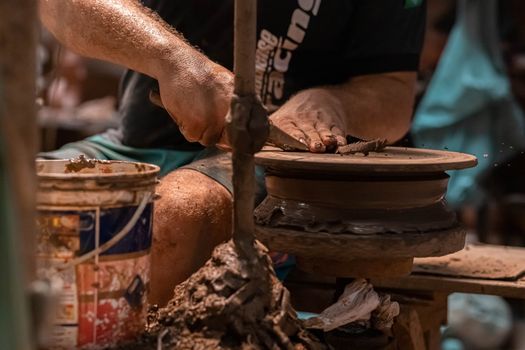
1. The Magic of Mud & Wheel: Throwing Pots & Shaping History
Why it's ancient:
Pottery is one of humanity's oldest crafts, dating back to the Neolithic period. From storing grain to creating sacred vessels, clay has been integral to human civilization for millennia. There's something deeply grounding about working with earth.
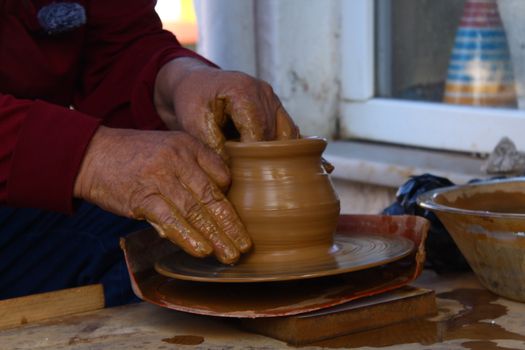
My first time on a pottery wheel felt like a scene from Ghost, minus Patrick Swayze (sadly!). It was a hilarious, messy, and utterly captivating experience. My initial attempts resembled wobbly, misshapen blobs more than elegant bowls, but the instructor's patient guidance and my sheer determination eventually yielded a surprisingly decent mug. The satisfaction of feeling the clay respond to my touch, shaping it with intention, was immense.
What you'll learn in a day:
Most beginner full-day workshops focus on either hand-building techniques (coiling, slab building, pinching) or an introduction to the potter's wheel. You'll learn how to prepare clay, center it on the wheel (the trickiest part!), pull up walls, and shape basic forms like bowls or cups. Some workshops even include a basic introduction to glazing, though your final piece might need to be fired and glazed by the studio for you to pick up later or have shipped.
Specifics & Story:
Last year, I stumbled upon "The Clay & Hearth Studio" in a charming village just outside Siena, Italy. For €120 (approx. $130 USD), I spent a glorious full day (10 AM - 4 PM) learning with a small group of six. Our instructor, Isabella, inherited the studio from her nonna and spoke passionately about the Etruscan pottery traditions of the region. We started with hand-building a small, rustic olive oil dipping bowl, then moved to the wheel. Isabella provided all materials, including a lovely Tuscan lunch with local wine. By the end of the day, I had two wobbly but undeniably mine pieces. They fired and glazed them for me, and I had them shipped home a few weeks later for an additional €30. It was worth every penny to have those tangible memories.
Practical Tips:
* Dress for mess: Wear old clothes and shoes you don't mind getting covered in clay. Aprons are usually provided, but clay has a way of finding every nook and cranny.
* No fear: Don't be afraid to get your hands dirty! The more you engage, the more you'll learn.
* Patience is key: Centering clay on the wheel takes practice. Don't get discouraged if your first few attempts end up as 'clay pancakes.'
* Shipping: Always ask about shipping options if you're traveling and can't carry fired pieces.
Instagram-worthy moment:
A close-up of your hands covered in clay, gracefully (or comically!) shaping a pot on the wheel. Caption: "Getting my hands dirty and connecting with millennia of tradition at #TheClayAndHearthStudio! Who knew pottery could be so meditative? #AncientCrafts #TravelItaly #November2025"
---
2. Forge Your Own Path: Beginner Blacksmithing & The Roar of the Fire
Why it's ancient:
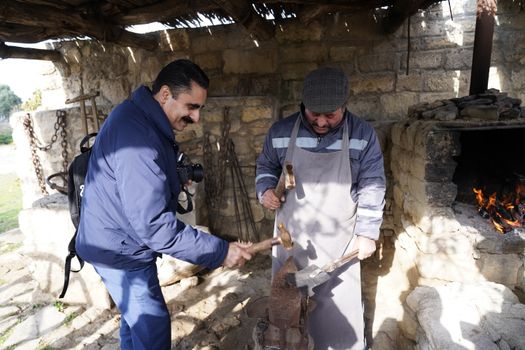
The art of blacksmithing dates back to the Iron Age, shaping tools, weapons, and essential items that powered civilizations. It’s a powerful, elemental craft, connecting us to fire, metal, and sheer physical effort.
I’ll never forget the first time I heard the rhythmic clang of hammer on anvil, the roar of the forge, and the shower of sparks as hot metal yielded to force. It was exhilarating, a symphony of power and precision. I initially thought blacksmithing was only for burly, bearded men, but our instructor, Elara, a petite woman with incredible strength and knowledge, quickly dispelled that myth. It’s more about technique and rhythm than brute force.
What you'll learn in a day:
Beginner blacksmithing workshops typically focus on safety, proper hammer technique, and basic forging processes like drawing out (lengthening), upsetting (thickening), bending, and twisting. You'll learn how to control the heat of the forge and manipulate glowing metal into simple forms. Common projects include making a hook, a bottle opener, a small decorative leaf, or even a simple fire poker.
Specifics & Story:
My most recent blacksmithing adventure was at "The Iron Bloom Forge" nestled in the Blue Ridge Mountains of North Carolina, USA. For $225 USD, I participated in a full-day (9 AM - 5 PM) "Intro to Forging" workshop. The studio was rustic but impeccably organized with safety in mind. Our instructor, Ben, a former sculptor, made the complex process feel accessible. We learned about different types of steel, how to manage the coal forge, and spent most of the day hammering away. I proudly forged a sturdy S-hook and a small, twisted decorative piece. The workshop included all safety gear (gloves, safety glasses, aprons) and a hearty BBQ lunch. I left feeling a deep sense of accomplishment and a newfound respect for metalworkers.
Practical Tips:
* Safety first: Always listen to your instructor regarding safety protocols. This involves fire and heavy tools!
* Dress appropriately: Wear sturdy, closed-toe shoes (leather is best), long sleeves, and natural fiber clothing (cotton, wool) that you don't mind getting dirty or singed. Synthetics can melt.
* Hydrate: It gets hot working near a forge! Drink plenty of water.
* It's a workout: Be prepared for some physical exertion. Your arms might be sore the next day!
Instagram-worthy moment:
A dramatic shot of sparks flying as your hammer strikes glowing metal, or a triumphant pose holding your newly forged creation. Caption: "Feeling like a modern-day Viking at #TheIronBloomForge! 🔥 So much power and precision goes into shaping metal. My arms are tired, but my spirit is soaring! #BlacksmithLife #CraftAdventures #November2025"
---
3. Weave a Story, Dye a Dream: Traditional Textiles & Natural Hues
Why it's ancient:
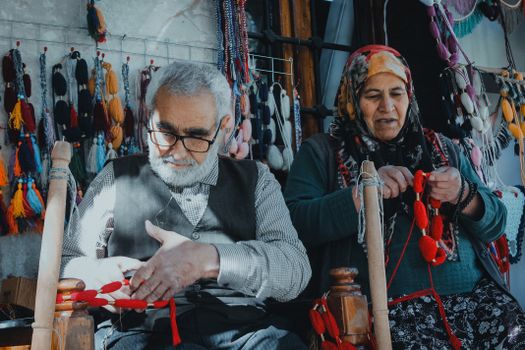
From the earliest cave dwellings to the intricate tapestries of medieval castles, textile arts are fundamental to human history. Weaving, spinning, and dyeing provided clothing, shelter, and artistic expression for millennia.
The vibrant colors and intricate patterns of traditional textiles have always captivated me. I once spent hours in a souk in Morocco, watching women deftly work their looms, transforming simple threads into masterpieces. I yearned to understand the rhythm, the process, and the stories woven into each piece. My chance came during a natural dyeing workshop, where I discovered the incredible palette hidden within plants and insects.
What you'll learn in a day:
A day-long textile workshop can introduce you to basic loom weaving (creating a small coaster, wall hanging, or even a simple scarf), or delve into natural dyeing techniques like indigo dyeing, shibori (tie-dye), or using plant-based dyes (turmeric, madder root, cochineal) to color fabrics. You'll learn about different fibers, setting up a loom, basic weaving patterns, or the mordanting and dyeing processes for vibrant, lasting colors.
Specifics & Story:
This past spring, I joined "The Loom & Leaf Studio" in Oaxaca, Mexico, renowned for its rich textile heritage. For $150 USD, I embarked on a full-day (9:30 AM - 4:30 PM) "Natural Dyeing & Mini Weave" workshop. Our instructor, Elena, a Zapotec master weaver, shared ancestral knowledge passed down through generations. We spent the morning preparing cotton and wool yarns, then dipping them into vats of cochineal for brilliant reds, indigo for deep blues, and local marigolds for sunny yellows. After a delicious traditional lunch, we learned basic backstrap loom weaving, creating small, colorful bracelets with our freshly dyed yarns. The studio was a riot of color and scent, and Elena’s stories brought the history of each dye to life.
Practical Tips:
* Wear old clothes: Especially for dyeing workshops, assume you'll get some color on your attire.
* Bring a notebook: There's often fascinating history and science behind natural dyes and weaving patterns.
* Be patient: Weaving can be slow and methodical. Enjoy the rhythm and the process.
* Embrace imperfections: Hand-dyed and hand-woven items have unique character!
Instagram-worthy moment:
Your hands dipping fabric into a vibrant natural dye vat, or a close-up of colorful threads on a loom. Caption: "Diving into the ancient art of natural dyeing and weaving at #TheLoomAndLeaf in Oaxaca! So much beauty hidden in plants and insects. My heart (and hands) are full of color! #TextileArt #OaxacaCrafts #November2025"
---
4. The Art of the Hide: Crafting with Leather
Why it's ancient:
Leatherworking is as old as humanity itself. Early humans used animal hides for clothing, shelter, and tools. From Roman sandals to medieval armor, leather has been a versatile and essential material throughout history.
There’s a distinctive, comforting smell to a leather workshop – earthy, rich, and slightly sweet. My first experience with leatherworking was in a small atelier in Florence, and it was surprisingly meditative. The precision of cutting, the satisfying thwack of a stamping tool, the meticulous rhythm of stitching – it all combined to create a sense of focused calm. And the result? A beautiful, durable item I made myself.
What you'll learn in a day:
Beginner leatherworking workshops typically cover basic techniques like cutting, edge finishing, stamping, hand-stitching (using a saddle stitch or similar durable method), and attaching hardware. You'll work with vegetable-tanned leather and learn about different leather types and tools. Common projects include a small wallet, a cardholder, a keyring, a simple belt, or a leather journal cover.
Specifics & Story:
Last autumn, I visited "The Artisanal Hide Workshop" in Lisbon, Portugal. For €150 (approx. $165 USD), I enrolled in their "Lisbon Leather Craft" half-day workshop (10 AM - 2 PM). Our instructor, Marco, a third-generation leatherworker, guided us through the process of making a personalized cardholder. He spoke passionately about the history of Portuguese leather and the importance of quality materials. We learned to select the right leather, cut patterns, bevel and burnish the edges, emboss initials, and hand-stitch with waxed linen thread. Marco provided all tools and materials, and we left with a beautifully crafted, personal item. The workshop was intimate, with only four participants, allowing for plenty of one-on-one guidance.
Practical Tips:
* Precision matters: Leatherworking often requires careful measuring and cutting. Take your time!
* Sharp tools: Always use sharp tools safely. Your instructor will guide you.
* Practice stitching: If your project involves stitching, practice on a scrap piece first. A good stitch elevates the final product.
* Quality over quantity: Focus on making one well-crafted item rather than rushing to make many.
Instagram-worthy moment:
A flat lay of tools, leather scraps, and your hands meticulously stitching, or a proud shot of your finished leather item with a beautiful backdrop. Caption: "The smell of leather and the satisfaction of a perfect stitch! 🧵 Crafted my own cardholder at #TheArtisanalHideWorkshop in Lisbon today. Feeling like a true artisan! #LeatherCraft #Handmade #TravelPortugal #November2025"
---
5. Ink & Illumination: The Meditative Art of Calligraphy
Why it's ancient:
Calligraphy, the art of beautiful handwriting, has been a revered skill for millennia. From ancient Egyptian hieroglyphs to medieval illuminated manuscripts and Islamic art, calligraphy has been instrumental in preserving knowledge, expressing faith, and creating beauty across cultures.
I've always admired the elegant sweep of a calligrapher's pen. It looks so effortless, yet I knew it required immense control and patience. My first attempt was... less than elegant. But as I settled into the rhythm, focusing on breath and stroke, I found a profound sense of calm. It’s a true digital detox, where your only focus is the ink flowing onto the paper.
What you'll learn in a day:
A beginner calligraphy workshop will typically introduce you to a specific historical script (e.g., Uncial, Foundational Hand, Italic, or Copperplate basics). You'll learn about different pens (nib holders, quills, brushes), inks, paper, and basic strokes. Many workshops include practice exercises, letter formation, and even a small final project like a decorated initial or a short quote. Some might touch upon simple illumination (decorating letters with gold or color).
Specifics & Story:
My most recent calligraphy dive was at "The Scriptorium Guild" in Edinburgh, Scotland. For £110 (approx. $140 USD), I spent a full day (9:30 AM - 4:30 PM) in their "Intro to Medieval Calligraphy" workshop. Our instructor, Dr. Alistair Finch, a historian and master calligrapher, brought the history of medieval manuscripts to life. We learned the Foundational Hand, practicing basic strokes with a broad-edged nib, then moved on to forming letters and words. The workshop included all materials – a nib holder, several nibs, ink, and practice paper – which I got to keep. By the end, I had a small illuminated initial "T" (for Tripsora, of course!) that I was incredibly proud of. The quiet focus of the room, punctuated only by the scratching of pens, was incredibly soothing.
Practical Tips:
* Patience and practice: Calligraphy is a skill that improves with repetition. Don't expect perfection immediately.
* Good posture: Maintain good posture to avoid strain during long periods of writing.
* Breathwork: Focus on your breath to maintain a steady hand and calm mind.
* Experiment: Don't be afraid to try different nibs and inks.
Instagram-worthy moment:
A close-up of your hands holding a quill or pen, with beautifully formed letters on parchment, or a flat lay of your calligraphy tools and finished piece. Caption: "Lost in the ancient art of the written word at #TheScriptoriumGuild in Edinburgh! 📜 So much history in every stroke. My November retreat just got a whole lot more elegant. #Calligraphy #MedievalArt #LearnSomethingNew #November2025"
---
Why November 2025 is Your Perfect Crafting Window
November, often overlooked in the travel calendar, is actually an ideal time for these immersive craft experiences:
- Cozy & Inviting: As the weather cools, indoor workshops become incredibly appealing. There's nothing quite like the warmth of a forge or the quiet hum of a studio on a crisp autumn day.
- Pre-Holiday Escape: It’s a fantastic way to de-stress before the holiday rush, offering a unique personal retreat.
- Unique Gift Ideas: Imagine the pride of giving a handmade, ancient-inspired gift this holiday season!
- Fewer Crowds: You'll often find smaller class sizes and more personalized attention from instructors compared to peak tourist seasons.
- Reflective Time: The season encourages introspection, making it a perfect time to connect with history and creativity.
---
Practical Tips for Your Ancient Trade Adventure:
Ready to book your own journey into the past? Here are some actionable tips:
- Research Thoroughly: Search for "\[Ancient Trade] workshop \[City/Region]" on Google, Airbnb Experiences, or local tourism sites. Look for dedicated artisan studios or cultural centers.
- Read Reviews: Check reviews on Google, TripAdvisor, or the workshop's own site. Look for comments on instructor quality, class size, and overall experience.
- Book in Advance: Especially for popular workshops or during specific travel windows like November, spots can fill up quickly.
- Confirm What's Included: Clarify materials, tools, safety gear, and whether refreshments or lunch are provided.
- Ask About Shipping/Collection: If you're creating a physical item (like pottery or blacksmithing), inquire about how you'll get your finished piece if you're traveling.
- Dress for Success (and Mess!): Always prioritize comfort and wear clothes you don't mind getting dirty or potentially damaged.
- Embrace the Digital Detox: Leave your phone in your bag for a while. Immerse yourself fully in the experience. The photos can wait!
- Be Open to Learning: Don't expect to be a master in a day. Go with an open mind, a willingness to make mistakes, and a desire to learn.
---
Your Hands, Your History, Your November 2025 Story
There’s an undeniable allure to these ancient crafts – a connection to human ingenuity, resilience, and artistry that transcends time. In a world increasingly dominated by screens and instant gratification, taking a day to slow down, to learn a tangible skill, and to create something with your own hands is a profound act of self-care and cultural immersion.
This November 2025, don't just visit a destination; become a part of its story. Forge, weave, throw, stitch, or scribe your way into an unforgettable travel memory. You'll not only walk away with a unique, handmade souvenir but also with a new skill, a deeper appreciation for craftsmanship, and a story that's uniquely yours.
Which ancient trade will you master this November? Share your plans and dream workshops in the comments below! And don't forget to tag Tripsora in your incredible creations on Instagram!
---