Aurora Secrets Revealed: Chasing the Northern Lights Like a Local (Trending Spots You NEED to Know!)
The first time I saw the Northern Lights, it was a blur of emerald green dancing across the sky, framed by a sea of camera flashes and hushed "oohs" from a packed tour bus. It was magical, yes, but it wasn't the ethereal, solitary experience I'd dreamt of. It felt… observed. Like watching a spectacle from the bleachers rather than being enveloped by its raw, untamed beauty.
That night, a local guide, a seasoned aurora hunter named Bjorn, leaned over and whispered, "Next time, ask a fisherman. Or a farmer. They know the real spots." His words stuck with me. What if the most breathtaking aurora displays weren't found in the brochure-perfect locations, but in the quiet, unassuming corners known only to those who live under their shimmering veil?
That simple question sparked an obsession. Over the past few years, I've made it my mission to uncover those very places – the trending, off-the-beaten-path Northern Lights viewing spots that locals recommend, places that offer not just a view, but an experience. And let me tell you, the difference is night and day. Forget the crowds, the light pollution from fellow tourists, and the predictable photo ops. Get ready for solitude, genuine connection, and aurora displays so vivid, they feel like a private performance just for you.
This isn't your average guide. This is your passport to the truly authentic, Instagram-worthy, and deeply personal Northern Lights adventure you’ve always dreamed of. Let’s dive into the secrets!
The Local Advantage: Why Go Beyond the Guidebook?
You might wonder, why bother with the hassle of finding "local" spots when there are perfectly good, well-advertised tour options? The answer, my friends, lies in the magic of authenticity.
Locals possess an unparalleled intimacy with their environment. They know the subtle shifts in weather patterns, the hidden access roads that bypass city glow, the quiet coves where the reflection of the aurora dances on still water. They know which peaks offer unobstructed views and which valleys are prone to cloud cover. While popular spots often become magnets for light pollution – not just from cities, but from the headlights, flashlights, and even camera screens of hundreds of fellow tourists – local haunts offer dark sky sanctuaries.
My own experience cemented this. On my second trip, armed with Bjorn’s advice, I rented a car and drove an extra 30 minutes past a famous viewpoint in Iceland. I pulled over at a small, unmarked layby recommended by a guesthouse owner. The sky was clear, the air crisp, and the silence was profound. When the aurora finally ignited, it wasn't just a green band; it was a swirling, pulsing kaleidoscope of emerald, violet, and crimson, stretching from horizon to horizon. There was no one else around. Just me, the vast Arctic wilderness, and the universe putting on its most spectacular show. That moment, etched into my memory, was worth every ounce of extra effort.
Choosing a local spot also means supporting local businesses, often small, family-run establishments that offer a more personal touch. It’s about experiencing the aurora not just as a tourist, but as a temporary resident, absorbing the culture and rhythms of the Arctic. It’s about creating stories that are uniquely yours, not just re-enacting a popular itinerary.
Trending Nordic Gems: Iceland & Norway's Hidden Wonders
The Nordic countries are the spiritual home of the Northern Lights, and while places like Reykjavik and Tromsø are fantastic bases, the true magic often lies just beyond their city limits. Here’s where the locals are heading right now:
Iceland: Beyond the Golden Circle’s Glow
Iceland's dramatic landscapes make an incredible backdrop for the aurora, but the secret is to venture away from the main tourist arteries.
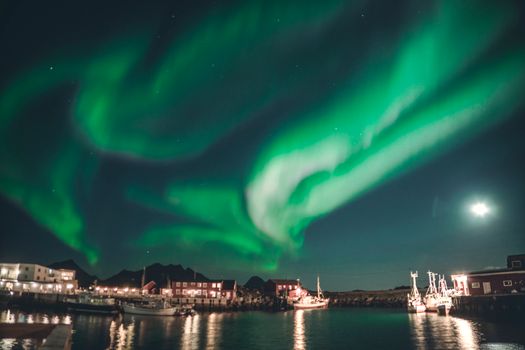
- Stokkseyri & Eyrarbakki (South Iceland): Forget the bustle of Selfoss. These two charming, historic fishing villages on the south coast are just a short drive from the Golden Circle, yet feel a world away. Locals flock here for the incredibly low light pollution and the stunning coastal views. I stayed at a small guesthouse in Stokkseyri, run by a retired fisherman who, over a cup of strong Icelandic coffee, pointed me to a specific stretch of black sand beach just outside town. That night, the aurora shimmered over the Atlantic, reflecting in the wet sand, creating a double aurora effect I’d never seen before. It’s accessible, authentic, and utterly breathtaking.
- Local Tip: Check the Icelandic Met Office aurora forecast (www.vedur.is) and ask your guesthouse host for the best local vantage point. Many small guesthouses in the area will even offer a wake-up call if the lights appear!
- Cost: Free to view, just need your own transport. Guesthouses range from €100-€200/night.
- East of Vík í Mýrdal (South Coast): While Vík’s Reynisfjara beach is iconic, it can get busy. Locals often drive a bit further east, past the main village, towards quieter stretches of coast or inland towards the base of the mountains. Look for small, unlit pull-offs on Route 1. The vast, open skies here, coupled with dramatic cliffs and the occasional Icelandic horse, create truly epic photo opportunities without the jostling crowds.
- My Anecdote: One night, I pulled over near a small church about 15 minutes east of Vík. The aurora flared, and as it danced, a herd of Icelandic horses grazed calmly in a nearby field, their silhouettes adding a surreal, timeless quality to the scene. It was pure magic.
Norway: Fjords, Islands, and Arctic Solitude
Tromsø is often called the "Gateway to the Arctic," and for good reason. But even here, locals have their preferred escapes.
- Kvaløya Island (near Tromsø): While many tours head to Kvaløya, locals know the specific spots. Instead of the main tourist viewing points, drive further west on the island, towards places like Ersfjordbotn or Sommarøy. Ersfjordbotn, a picturesque village nestled in a fjord, offers stunning reflections of the aurora in the calm waters. Sommarøy, a vibrant fishing community, provides incredible coastal backdrops. These areas offer more secluded bays and quiet road pull-offs.
- Local Tip: Join a local Tromsø Facebook group (search for "Tromsø Aurora Hunters") – residents often share real-time updates on aurora activity and good viewing spots.
- Cost: Free, but a rental car is highly recommended for flexibility (€70-€150/day in winter).
- Senja Island: Norway in Miniature (South of Tromsø): Often overshadowed by the Lofoten Islands, Senja is a hidden gem that locals cherish for its diverse, dramatic landscapes and significantly fewer tourists. It's a bit further to get to (a scenic ferry or drive from Tromsø), but the reward is immense. Look for viewpoints around Bergsbotn or Tungeneset for incredible fjord and mountain backdrops. The lack of light pollution here is truly astounding.
- My Anecdote: I spent a few nights on Senja, staying in a small cabin. One evening, the aurora exploded above the jagged peaks of Segla. The only sound was the gentle lapping of the waves below. It felt like standing on the edge of the world, witnessing a celestial ballet.
Finland & Sweden: Arctic Serenity, Local Style
Lapland, whether Finnish or Swedish, conjures images of snowy forests and cozy cabins. But even in these vast wildernesses, locals have their preferred sanctuaries.
Finland: Beyond the Tourist Traps of Rovaniemi
While Rovaniemi is home to Santa, the best aurora views require a little more intrepid exploration.
- Levi & Ylläs (Beyond the Ski Slopes): These popular ski resorts are fantastic, but for aurora, locals head away from the resort lights. Drive a few kilometers out of town, towards specific fells (treeless Arctic hills) or frozen lake edges. Ask at local grocery stores or small guesthouses for directions to a quiet "kota" (traditional Sámi hut) or a known forest clearing. These spots often provide clear, wide-open views with minimal light interference.
- Local Tip: Rent snowshoes and hike a short distance into the silent, snowy forest to find your own private viewing spot. Pack a thermos of hot berry juice!
- Cost: Snowshoe rental ~€20-€30/day.
- Rovaniemi Surroundings (Deep into the Forest): Instead of staying within Rovaniemi's glow, locals often venture along the Kemijoki River or deep into the surrounding forests. Look for small, family-run reindeer farms or wilderness lodges outside the city center that offer aurora safaris to their own private, dark locations. These often include a bonfire, hot drinks, and a chance to learn about local culture.
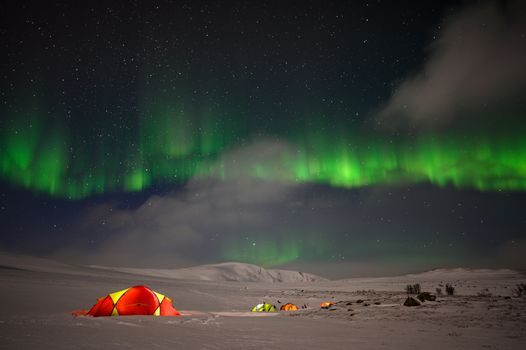
- My Anecdote: I joined a small, local "aurora hunt" from a guesthouse near Rovaniemi. Our guide took us by snowmobile to a remote frozen lake, where we built a fire and waited. The aurora appeared, dancing over the pristine, snow-covered landscape, and the silence was only broken by the crackle of the fire and the guide's stories.
Sweden: The Vastness of Lapland
Abisko National Park is famous for its "Blue Hole," but Swedish Lapland offers so much more for the local-minded aurora chaser.
- Kiruna Surroundings (Frozen Rivers & Forest Roads): While Kiruna is a mining town, its surroundings are pure wilderness. Locals often drive along the frozen Torne River or down quiet forest roads outside the main town. Many small, locally run ice hotels or guesthouses in the region (like those near Jukkasjärvi) offer guided aurora tours that specifically take you to their preferred, less-traveled spots, often involving snowmobiles or dog sleds for access.
- Local Tip: Embrace the adventure! A dog sledding or snowmobiling tour into the true wilderness can lead to incredible, secluded aurora viewing.
- Cost: Guided tours range from €150-€300, often including warm gear and snacks.
- Jokkmokk & the Arctic Circle Area: For a truly unique and authentic experience, head towards Jokkmokk, a hub for Sámi culture. This area is far less visited by mass tourism, offering incredibly dark skies and a chance to connect with indigenous traditions. Look for local Sámi guides who offer cultural experiences combined with aurora hunting – they know the land intimately and can lead you to truly sacred and visually stunning spots.
- My Anecdote: I learned about Sámi reindeer herding traditions by day, and by night, our guide took us to a quiet hill overlooking a vast, frozen landscape. The aurora pulsed in the sky, reflecting the ancient spirit of the land.
North America's Wild Frontier: Alaska & Canada's Untamed Aurora
Across the Atlantic, Alaska and Canada offer a rugged, untamed aurora experience. Here, "local" often means "deep into the wilderness."
Alaska: Beyond Fairbanks' Fringes
Fairbanks is a prime aurora viewing city, but the best local spots require a bit of driving.
- Ester & Chena Hot Springs Road (Outside Fairbanks): Instead of staying right in Fairbanks, locals often head a short distance west to the community of Ester, which has less light pollution. Or, drive further out on Chena Hot Springs Road. While Chena Hot Springs Resort itself is popular, locals know specific pull-offs or small, private cabins and lodges further down the road that offer incredible dark sky views. Look for places like the Aurora Borealis Lodge (not to be confused with the resort) or other small, family-run accommodations that are specifically designed for aurora viewing away from the crowds.
- Local Tip: Rent a 4x4 vehicle and be prepared for extreme cold. Always tell someone where you're going, especially if venturing to truly remote areas.
- Cost: Rental car ~€80-€150/day. Aurora lodges vary widely, from €150-€500/night.
- Denali National Park (Winter Access): While much of Denali is closed in winter, the first few miles of the park road are often accessible. Locals who live in the area know specific viewpoints or clearings along this initial stretch that offer incredible aurora views against the backdrop of the Alaskan Range. It’s remote, wild, and incredibly rewarding. Always check park conditions and road closures before heading out.
Canada: Yellowknife & Yukon's Icy Canvas
Yellowknife, NWT, is a global aurora hotspot, but even here, residents have their preferred viewing havens.
- Ingraham Trail (Outside Yellowknife): This 70 km (43 mile) road east of Yellowknife is dotted with frozen lakes, cabins, and quiet pull-offs. Instead of the popular aurora viewing parks closer to town, locals venture further down the Ingraham Trail to find truly dark, secluded spots. Many small, locally owned fishing lodges or aurora camps along this trail cater to residents and offer a more intimate experience.
- My Anecdote: I rented a small cabin on one of the lakes off the Ingraham Trail. One night, the aurora was so intense it felt like I could reach out and touch it, reflecting perfectly in the glassy surface of the frozen lake. The silence was absolute, broken only by the crunch of my boots on the snow.
- Local Tip: Dress in many layers. Yellowknife is notoriously cold. Check local ice road conditions if you plan to drive on any frozen lakes.
- Yukon (Whitehorse Surroundings): The Yukon Territory offers an incredibly vast wilderness with minimal light pollution. While Whitehorse is the capital, locals often head out on the Alaska Highway or Klondike Highway to find remote lodges or specific, unmarked viewpoints. Look for small, wilderness cabins or B&Bs that are a short drive from Whitehorse, ensuring truly dark skies.
- Cost: Accommodation in remote lodges can range from €150-€400/night.
Essential Gear & Practical Tips for the Local Aurora Hunter
Chasing the aurora like a local isn't just about where you go, but how you go. Preparation is key to a comfortable, safe, and successful hunt.
- Dress for Arctic Success: This is non-negotiable. Layer, layer, layer!
- Base Layer: Merino wool or synthetic (never cotton).
- Mid-Layers: Fleece, down vest.
- Outer Layer: Heavy-duty, waterproof and windproof parka and snow pants (down-filled is best).
- Extremities: Insulated, waterproof boots (rated to -30°C/-22°F or colder), wool socks (two pairs!), insulated mittens (with thin glove liners), a warm hat that covers your ears, and a neck gaiter or balaclava. Hand and foot warmers are your best friends.
- Photography Gear (for the aspiring aurora photographer):
- Sturdy Tripod: Essential for long exposures.
- Wide-Angle Lens: f/2.8 or wider is ideal (e.g., 14mm, 24mm).
- DSLR/Mirrorless Camera: With manual settings.
- Extra Batteries: Cold drains batteries fast. Keep spares warm in an inner pocket.
- Remote Shutter Release: Prevents camera shake.
- Headlamp with Red Light Mode: Preserves night vision.
- Transportation & Navigation:
- Rental Car: A 4x4 or AWD vehicle with winter tires is highly recommended for flexibility and safety on icy/snowy roads. Familiarize yourself with winter driving techniques.
- Offline Maps: Download maps (Google Maps, Maps.me) for areas with spotty cell service.
- Local Advice: Always ask your guesthouse host, local shopkeepers, or even friendly faces at a pub for current road conditions and specific directions to their favorite spots.
- Aurora Forecasts & Apps:
- My Aurora Forecast (App): Excellent for real-time KP index and cloud cover.
- NOAA Space Weather Prediction Center: For detailed solar wind data (if you want to get technical).
- Local Meteorological Offices: (e.g., Icelandic Met Office, Norwegian Meteorological Institute) for precise local cloud cover forecasts.
- Safety First:
- Tell Someone: Always inform your accommodation or a friend of your plans and estimated return time, especially if venturing far.
- Emergency Kit: Jumper cables, small shovel, extra warm blankets, food, water, fully charged phone, first-aid kit.
- Stay Warm: Never underestimate the cold. If you feel too cold, head back inside. Frostbite can happen quickly.
- Respect the Wilderness: Leave no trace. Pack out everything you pack in.
The Aurora Awaits: Your Unforgettable Adventure Begins Now!
Chasing the Northern Lights like a local is more than just a trip; it's an immersive journey into the heart of the Arctic. It's about the thrill of discovery, the quiet reverence of solitude, and the profound connection you forge with nature and the communities that call these incredible places home.
These trending, local-approved spots offer a chance to witness the aurora in its purest, most spectacular form – a private dance of cosmic light just for you. So, ditch the crowded tour buses, embrace the spirit of adventure, and prepare to be utterly mesmerized.
The Northern Lights are calling. Will you answer their whisper from the quiet, dark corners of the world? Bookmark this guide, start planning your authentic aurora adventure today, and don't forget to share your own hidden gems with us on social media using #TripsoraAurora!
---