The Allure of the Unseen: Why Declining Tourist Numbers Are Your Next Big Travel Opportunity
I stepped off the rickety train in Sighnaghi, Georgia, and the air itself felt different. It wasn't the usual hum of tour buses or the cacophony of a thousand different languages. Instead, there was the distant bleating of sheep, the scent of woodsmoke mingling with wild thyme, and the gentle murmur of Georgian conversations drifting from open windows. The sun, a molten gold orb, cast long shadows across cobblestone streets lined with terracotta roofs, each one telling a story whispered only to those who bothered to listen. This was it – the sweet spot. The place where the magic of authentic travel still thrives, unmarred by the relentless march of mass tourism.
In a world obsessed with ticking off bucket lists and chasing the next viral hotspot, there's a quiet revolution brewing. Savvy travelers, the ones who crave depth over breadth, are starting to look beyond the over-saturated. They're seeking destinations where the local culture hasn't been diluted for consumption, where genuine interactions are the norm, and where the price of a perfectly brewed coffee doesn't require a second mortgage. This year, the most exciting travel opportunities lie in places where tourist numbers are gently, or sometimes dramatically, declining. These aren't ghost towns; they're vibrant communities waiting to share their stories with a discerning few.
1. The Anatolian Secret: Cappadocia's Quieter Cousins (Turkey)
When most people think of Turkey, Istanbul or the crowded beaches of Antalya spring to mind. But venture east, and you'll find pockets of ancient wonder that have been quietly overshadowed. While Cappadocia’s fairy chimneys remain iconic, the surrounding regions are experiencing a natural dip in visitor numbers, offering a more serene exploration of this geological marvel.
The Hook:
Imagine waking before dawn, not to the roar of a hot air balloon fleet, but to the soft glow of the rising sun painting the sky in hues of rose and amber over a landscape dotted with ancient cave dwellings. The only sound is the chirping of birds and the distant call to prayer.
The Meat:
* Exploring Hidden Valleys: Beyond Göreme, valleys like Soğanlı offer a glimpse into monastic life with exquisitely preserved cave churches, often without another soul in sight. The frescoes here are as vibrant as their more famous counterparts, but the experience is profoundly intimate.
* Authentic Village Life: Towns like Mustafapaşa (Sinasos) retain their Ottoman-era charm, with stone houses and a slower pace of life. You can still find locals sharing stories over çay (tea) in small, unassuming cafes.
* Underground Cities Less Traveled: While Derinkuyu and Kaymaklı are popular, explore lesser-known underground cities like Özkonak for a more personal journey into the past.
Pro-Tips:
* Visit Soğanlı Valley mid-week to have the cave churches almost entirely to yourself.
* Engage with local artisans in Mustafapaşa. Many still practice traditional crafts and are happy to share their techniques.
* Sunrise in a lesser-known viewpoint overlooking the valleys can be just as magical as the crowded balloon launch sites.
Quick Facts: Cappadocia's Quieter Cousins
| Category | Details |
| :------------- | :-------------------------------------------- |
| Estimated Cost ($) | $40-70 per day (mid-range) |
| Best Time to Visit | Spring (April-May) & Autumn (September-October) |
| How to Get There | Fly into Kayseri (ASR) or Nevşehir (NAV), then take a bus or private transfer. |
2. The Emerald Isle's Untamed West: Connemara's Whispers (Ireland)
Ireland is perpetually popular, but the wild, rugged beauty of Connemara, particularly outside the peak summer months, offers an escape from the selfie-stick brigades of the Cliffs of Moher. Here, the Atlantic winds sculpt dramatic landscapes, and Gaelic culture is not just preserved, but lived.
The Hook:
The air is thick with the briny tang of the Atlantic, whipping strands of my hair across my face as I stand on a windswept cliff overlooking a churning sea. The only sounds are the cries of gulls and the rhythmic crash of waves against ancient rocks. It feels like the edge of the world.
The Meat:
* The Sky Road to Serenity: This iconic drive offers breathtaking coastal vistas. While popular, its sheer scale means you can often find secluded viewpoints to soak it all in.
* Kylemore Abbey's Tranquil Gardens: While the Abbey itself draws visitors, the Victorian Walled Garden and the Gothic Church are often less crowded, offering moments of profound peace.
* Exploring the Twelve Bens: For the active traveler, hiking in the Twelve Bens mountain range provides unparalleled solitude amidst stark, beautiful scenery. The trails are less trodden than in other parts of Ireland.
* Connemara National Park's Hidden Trails: Venture beyond the main visitor center to discover quieter paths that wind through bogs and mountains.
Pro-Tips:
* Rent a car and explore the backroads early in the morning (before 9 AM) or late in the afternoon (after 4 PM) to avoid tour buses.
* Seek out a traditional music session in a local pub in towns like Clifden or Roundstone. The atmosphere is electric and far more authentic than staged performances.
* Pack layers! The weather here can change in an instant, but that's part of its untamed charm.
Quick Facts: Connemara, Ireland
| Category | Details |
| :------------- | :-------------------------------------------- |
| Estimated Cost ($) | $80-120 per day (mid-range, car rental adds to cost) |
| Best Time to Visit | Late Spring (May-June) & Early Autumn (September) |
| How to Get There | Fly into Shannon (SNN) or Dublin (DUB), then rent a car or take a bus to Galway, followed by a local bus or transfer to Connemara. |
3. The Baltic's Forgotten Coastline: The Curonian Spit (Lithuania & Russia)
This UNESCO World Heritage site is a narrow, sandy peninsula separating the Curonian Lagoon from the Baltic Sea. While it’s a popular day trip from Kaliningrad and Klaipėda, the sheer length of the spit and its remoteness mean that many visitors stick to the main hubs, leaving vast stretches of dune-filled wilderness to be discovered.
The Hook:
The air carries the crisp, clean scent of pine needles and salt. I’m walking on sand so fine it squeaks underfoot, with towering dunes on one side and the serene, silver surface of the lagoon on the other. It feels like stepping onto another planet, a quiet, windswept paradise.
The Meat:
* The Dancing Forest: A surreal, contorted pine forest that seems to bend and twist in impossible ways. The quiet here is profound, broken only by the rustling of leaves.
* Vast, Empty Beaches: The Baltic Sea coastline here is miles of pristine sand, often with not another soul in sight, especially as you venture further south.
* Nida's Artistic Soul: This charming fishing village, split between Lithuania and Russia, offers a more laid-back vibe than its more bustling neighbors. Explore its sandy streets and the impressive Thomas Mann Memorial.
* The Parnidis Dune: Climb this iconic dune for panoramic views of the spit, the lagoon, and the sea. The effort is rewarded with a sense of immense scale and solitude.
Pro-Tips:
* Stay overnight in Nida (Lithuania) or Zelenogradsk (Russia) to experience the spit after the day-trippers have left.
* Rent a bicycle to explore the dedicated cycle paths that weave through pine forests and along the dunes.
* Bring a good book and embrace the quiet. This is a place for reflection and connection with nature.
Quick Facts: Curonian Spit
| Category | Details |
| :------------- | :-------------------------------------------- |
| Estimated Cost ($) | $50-80 per day (mid-range) |
| Best Time to Visit | Late Spring (May-June) & Early Autumn (September) |
| How to Get There | Lithuanian side: Fly into Palanga (PLQ) or Vilnius (VNO), then take a bus to Klaipėda and a ferry to the spit. Russian side: Fly into Kaliningrad (KGD), then take a bus or taxi. |
4. The Balkan Backcountry: The Rhodope Mountains (Bulgaria)
While Bulgaria’s Black Sea coast and Sofia are well-trodden, the Rhodope Mountains remain a largely undiscovered gem. This vast, ancient mountain range, steeped in mythology and home to unique traditions, offers a glimpse into a slower, more authentic Balkan life.
The Hook:
The scent of pine resin and wild herbs fills the crisp mountain air. I’m standing in a village where stone houses with brightly painted shutters cling to impossibly steep hillsides, and the only sound is the tinkling of sheep bells and the distant murmur of a folk song. This is the heart of Bulgaria, beating at its own rhythm.
The Meat:
* The Villages of the Perperikon Region: Areas around the ancient Thracian city of Perperikon offer access to remote villages like Zlatolist, home to the shrine of St. Prepodobna Petka, a place of pilgrimage with a palpable spiritual energy.
* Shumensko Plateau's Natural Wonders: Explore hidden waterfalls, unique rock formations, and diverse flora and fauna in this less-visited natural park.
* The Devil's Throat Cave: A dramatic cave with a massive underground waterfall, offering a thrilling adventure without the throngs of tourists found in more commercially developed sites.
* Embrace the Local Cuisine: Sample hearty stews, freshly baked banitsa (cheese pastry), and potent local rakia (fruit brandy) in family-run taverns.
Pro-Tips:
* Learn a few basic Bulgarian phrases. Locals are incredibly welcoming and appreciate the effort.
* Stay in a traditional guesthouse (къща за гости) for an immersive experience and home-cooked meals.
* Hike the marked trails through the mountains. The scenery is breathtaking, and you'll likely encounter more shepherds than other tourists.
Quick Facts: Rhodope Mountains, Bulgaria
| Category | Details |
| :------------- | :-------------------------------------------- |
| Estimated Cost ($) | $30-50 per day (very budget-friendly) |
| Best Time to Visit | Late Spring (May-June) & Autumn (September-October) |
| How to Get There | Fly into Sofia (SOF) or Plovdiv (PDV), then take a bus or rent a car to access various regions of the Rhodopes. |
5. The Land of Fire and Ice's Quiet Corner: Eastern Iceland
Iceland’s Golden Circle and South Coast are undeniably stunning, but they’ve become victims of their own success. Venture east, however, and you'll find a landscape of equal dramatic beauty with a fraction of the crowds.
The Hook:
The air is so clean it stings my lungs. I'm standing at the edge of a fjord, the water a deep, inky blue, reflecting the snow-capped peaks that plunge dramatically into the sea. The only sound is the gentle lapping of waves against the shore and the distant cry of a seabird. It’s raw, elemental beauty.
The Meat:
* The Fjords of Seyðisfjörður and Borgarfjörður Eystri: These picturesque villages offer a glimpse into Iceland's charming coastal life, with colorful houses and stunning natural backdrops. Borgarfjörður Eystri is also a prime spot for puffin watching.
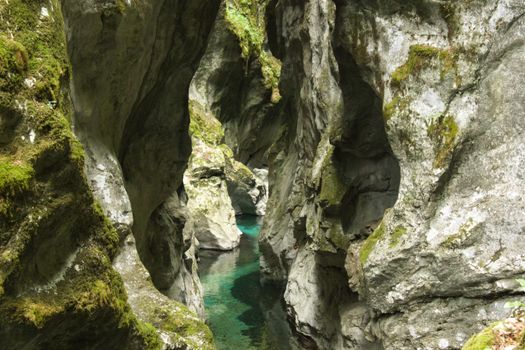
* Stuðlagil Canyon: A relatively new discovery for tourists, this basalt column canyon is a geological marvel, with turquoise glacial water flowing through it.
* Hengifoss Waterfall: Iceland's third-highest waterfall, with striking red layers in its rock face, offers a rewarding hike and fewer crowds than its southern counterparts.
* The Eastfjords Heritage Museum: Located in Fáskrúðsfjörður, this museum offers a unique insight into the region's history, particularly its connection with French fishermen.
Pro-Tips:
* Drive the Ring Road eastward and take your time. The beauty is in the journey, not just the destination.
* Book accommodation in advance, especially in the smaller villages, as options are limited.
* Be prepared for changeable weather. Pack waterproofs and warm layers, even in summer.
Quick Facts: Eastern Iceland
| Category | Details |
| :------------- | :-------------------------------------------- |
| Estimated Cost ($) | $90-150 per day (can be higher due to Iceland's general cost) |
| Best Time to Visit | Summer (June-August) for longer daylight hours and access to roads. |
| How to Get There | Fly into Egilsstaðir (EGS) or Keflavík (KEF) and drive east (approx. 5-6 hours from Reykjavik). |
The Future of Travel is Quiet
These destinations aren't "emerging" because they've suddenly appeared. They've always been there, brimming with beauty, history, and authentic culture. The shift is in our collective travel consciousness. We're moving away from the superficial and embracing the substantive. By choosing these less-trodden paths, we not only grant ourselves a more profound and personal travel experience but also contribute to the sustainable future of tourism, supporting local communities and preserving the very essence of what makes these places so special. So, pack your bags, open your mind, and go discover the magic before the rest of the world catches on.