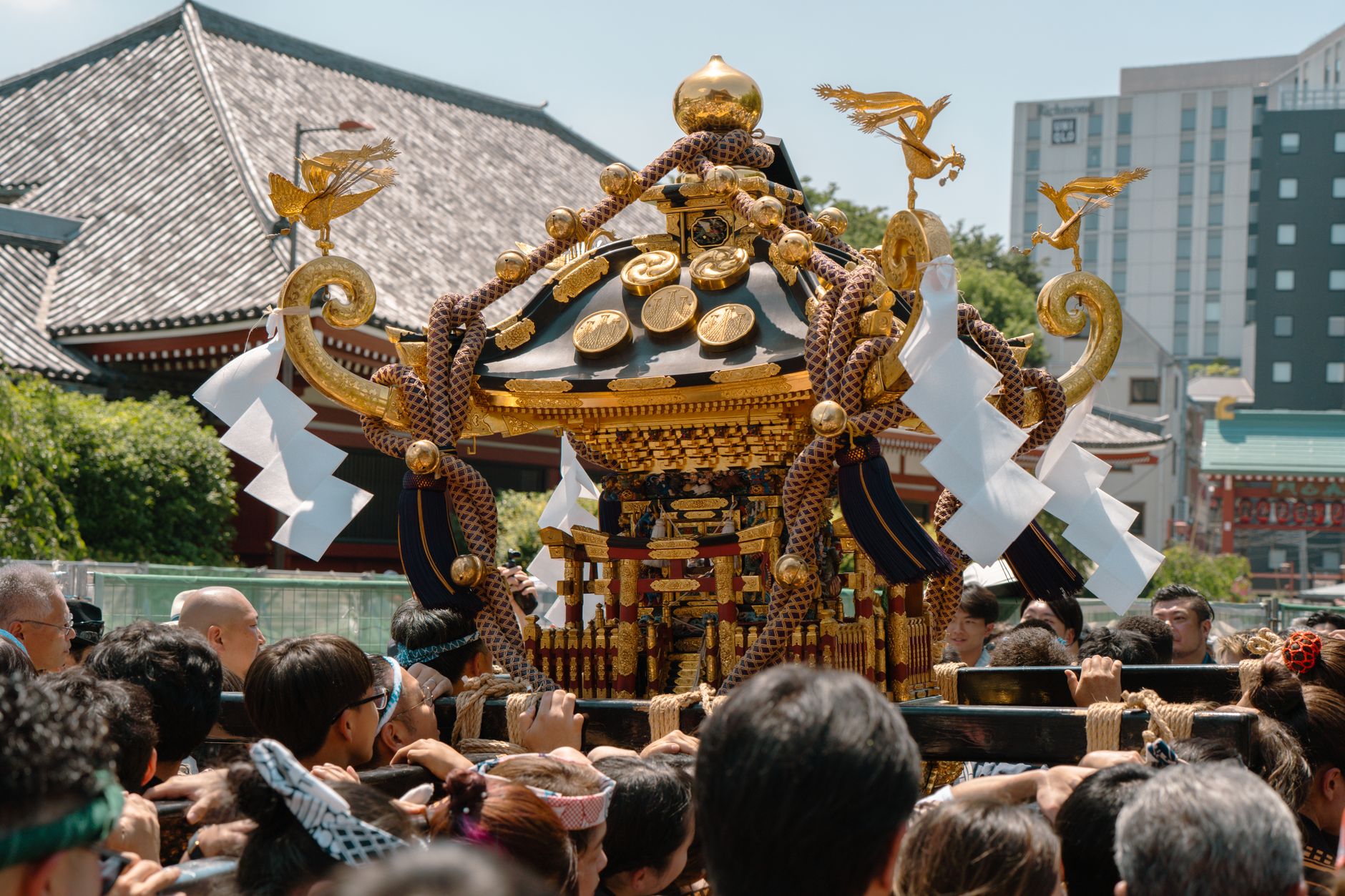
Remember that feeling when you stumble upon something truly magical, something that only happens once in a blue moon? Well, what if that 'blue moon' moment was an annual spectacle, a vibrant explosion of culture, art, and pure human joy, just waiting for you to discover it?
My first taste of such magic happened years ago, quite by accident. I was backpacking through Thailand, heading towards a quiet beach, when I stumbled upon a small village preparing for its annual Loi Krathong celebration. The air hummed with anticipation, the river glowed with thousands of flickering lanterns, and the sky filled with floating krathongs, each carrying a wish. It wasn't in any guidebook I had, but it was profoundly moving, a moment of collective wonder that etched itself into my soul. From that day on, I became a festival chaser – someone who believes that the most authentic way to experience a culture is to immerse yourself in its grandest annual celebrations.
And let me tell you, the world is bursting with incredible, once-a-year festivals that are currently trending, drawing travelers seeking deeper, more vibrant connections. These aren't just events; they're portals to understanding, connection, and unforgettable memories. So, grab your passport, open your mind, and let's dive into some of the most spectacular annual festivals that should be at the very top of your 2024 (and beyond!) travel bucket list!
1. Albuquerque International Balloon Fiesta, USA: A Sky Full of Dreams
What it is:
Imagine hundreds of hot air balloons, in every color, shape, and size imaginable, ascending simultaneously into the crisp morning sky. That's the magic of the Albuquerque International Balloon Fiesta, the world's largest hot air balloon festival. For nine days each October, the skies over New Mexico become a canvas for this breathtaking spectacle. It’s been around for over 50 years, but its sheer photogenic beauty and family-friendly atmosphere have seen its popularity skyrocket in recent years, especially with the rise of visual storytelling platforms.
Why it's trending:
Beyond the sheer visual spectacle, the Fiesta offers a unique blend of awe-inspiring beauty and accessible adventure. The "Mass Ascension" is legendary, but the "Glowdeo" (nighttime balloon glows) and special shape rodeos add layers of wonder. It’s an experience that transcends age, making it a perfect multi-generational trip.
My experience/anecdote:
I’ll never forget my first Mass Ascension. Waking up before dawn, the air was cool and crisp, but the energy was electric. As the sun began to peek over the Sandia Mountains, the burners roared to life, and one by one, these gentle giants lifted off. I stood there, tears in my eyes, completely overwhelmed by the silent ballet unfolding above. It truly felt like stepping into a dream. My friend, a keen photographer, filled an entire memory card before breakfast!
Practical Tips:
* When: Early October (dates vary slightly each year).
* Location: Balloon Fiesta Park, Albuquerque, New Mexico.
* Getting There: Fly into Albuquerque International Sunport (ABQ). Renting a car is recommended for flexibility, but park-and-ride options are available.
* Accommodation: Book months in advance. Hotels fill up fast, and prices surge. Consider staying in nearby towns like Santa Fe (an hour's drive) if you're willing to commute. Camping at the park is also an option for an immersive experience.
* Budget: Festival entry is usually around $15-20 per person per session. Balloon rides can cost $400-600+, so budget accordingly if you plan to fly. Food vendors are plentiful.
* What to Wear: Layers! Mornings are cold, but it warms up quickly. Comfortable walking shoes are a must.
* Instagram-worthy moments: The Mass Ascension at sunrise, the "Glowdeo" at night, and close-ups of the intricate balloon designs. Use #BalloonFiesta and #ABQBalloonFiesta.
2. Dia de los Muertos, Mexico: A Celebration of Life and Memory
What it is:
Far from a somber affair, Mexico's Dia de los Muertos (Day of the Dead) is a vibrant, joyous, and deeply spiritual celebration where families welcome back the souls of their deceased loved ones. Spanning two days (November 1st and 2nd), it's a spectacle of colorful ofrendas (altars), marigolds, sugar skulls, traditional food, music, and parades. While celebrated across Mexico, cities like Oaxaca, Janitzio, and Mexico City offer particularly spectacular experiences. Its portrayal in popular culture (like Disney's Coco) has propelled its global recognition, making it a trending cultural pilgrimage.
Why it's trending:
In an increasingly fast-paced world, people are seeking deeper meaning and connection to heritage. Dia de los Muertos offers just that – a beautiful, respectful, and visually stunning way to honor ancestors and reflect on the cycle of life and death, all while being immersed in rich Mexican culture.
My experience/anecdote:
My visit to Oaxaca for Dia de los Muertos was profoundly moving. Walking through the cemeteries at night, illuminated by thousands of candles, with families sharing food and stories at their loved ones' gravesides, felt incredibly intimate and sacred. There was laughter, music, and a palpable sense of love, not sorrow. I even learned to paint my face as a Catrina (elegant skeleton) and joined a lively street procession – a truly unforgettable moment of shared humanity.
Practical Tips:
* When: November 1st and 2nd. Celebrations often begin a few days prior.
* Locations: Oaxaca City is renowned for its traditional celebrations. Mexico City offers grand parades. Janitzio Island (Michoacán) provides a more intimate, indigenous experience.
* Getting There: Fly into Oaxaca International Airport (OAX) or Mexico City International Airport (MEX).
* Accommodation: Book well in advance (6-9 months) as popular cities fill quickly. Expect higher prices.
* Budget: General participation is free, but you'll spend on food, drinks, souvenirs, and possibly face painting. A Catrina makeup can cost $15-50.
* What to Wear: Comfortable clothes. If you plan to participate in parades, consider traditional attire or getting your face painted.
* Etiquette: Be respectful in cemeteries. Ask for permission before taking photos of people or private altars. Learn a few basic Spanish phrases.
* Instagram-worthy moments: Elaborate ofrendas, vibrant street parades with Catrinas, candlelit cemeteries, and intricate sugar skulls. Use #DiadeLosMuertos and #MexicoTradition.
3. Harbin International Ice and Snow Sculpture Festival, China: A Frozen Wonderland
What it is:
Step into a fairytale of ice and light! The Harbin International Ice and Snow Sculpture Festival transforms the city of Harbin in northeast China into a breathtaking winter wonderland from early January to late February. Featuring colossal ice palaces, intricate snow sculptures, and illuminated ice lanterns – all carved from ice blocks harvested from the Songhua River – it's an architectural and artistic marvel that needs to be seen to be believed. Its unique blend of scale and artistry has made it a global phenomenon, trending for those seeking truly 'otherworldly' travel experiences.
Why it's trending:
In an era of seeking unique, extreme, and visually stunning travel, Harbin delivers. It's not just a festival; it's an entire city transformed into a temporary art installation, offering an unparalleled sensory experience that few other places can match.
My experience/anecdote:
I visited Harbin during a brutal cold snap, but the biting wind was instantly forgotten the moment I stepped into the Ice and Snow World. It felt like walking through a crystal kingdom from a fantasy novel. The illuminated ice castles glowed with every color imaginable, and I even slid down a massive ice slide! The sheer scale of the sculptures, some towering several stories high, left me speechless. It's a testament to human creativity and resilience in the face of extreme cold.
Practical Tips:
* When: Early January to late February (weather dependent). The official opening ceremony is usually January 5th.
* Location: Harbin, Heilongjiang Province, China. The main sites are Ice and Snow World, Sun Island International Snow Sculpture Art Expo, and Zhaolin Park Ice Lantern Fair.
* Getting There: Fly into Harbin Taiping International Airport (HRB). High-speed trains connect Harbin to major Chinese cities.
* Accommodation: Book a hotel with good heating well in advance. Consider staying near the main attractions for easier access.
* Budget: Entry fees for the main parks can be quite high (around $40-50 USD per park, per person). Food and transportation costs are moderate.
* What to Wear: This is critical! Extreme cold requires serious winter gear: thermal layers, a heavy-duty down jacket, waterproof pants, insulated boots, thick gloves/mittens, a hat, and a face mask. Hand and foot warmers are a lifesaver.
* Instagram-worthy moments: The illuminated ice castles at night, close-ups of intricate ice carvings, and panoramic shots of the sprawling ice city. Use #HarbinIceFestival and #IceSculpture.
4. Holi, India: The Festival of Colors
What it is:
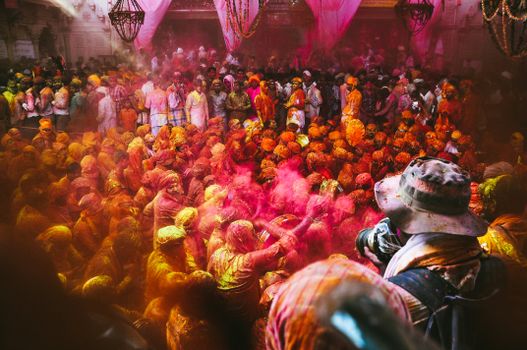
Holi, the Hindu "Festival of Colors," is an explosion of joy, music, and vibrant pigments celebrated across India and Nepal, typically marking the arrival of spring. People gather in streets, parks, and temples, throwing dry colored powders (gulal) and water at each other, dancing to drums, and sharing sweets. It's a day when social barriers are dissolved in a riot of color and laughter. Its sheer photogenic chaos and universal message of unity and renewal have made it a trending cultural phenomenon globally.
Why it's trending:
In a world often divided, Holi offers a powerful, tangible experience of coming together, letting go, and celebrating life. It’s an incredibly immersive and sensory festival that leaves you literally covered in memories (and color!).
My experience/anecdote:
My first Holi in Jaipur was pure, unadulterated euphoria. I remember being hesitant at first, worried about getting messy, but within minutes, I was covered head-to-toe in pink, blue, yellow, and green. Total strangers were hugging, dancing, and smearing gulal on each other's faces with shouts of "Happy Holi!" It felt incredibly liberating, a complete release of inhibitions, and I left with a smile plastered across my face and a newfound appreciation for collective joy. Be prepared for your clothes, hair, and even ears to be colorful for days!
Practical Tips:
* When: Full moon day of the Hindu month of Phalguna, usually in March (dates vary annually).
* Locations: Celebrated widely. Mathura and Vrindavan (Uttar Pradesh) are famous for traditional, intense celebrations. Jaipur (Rajasthan) offers a more tourist-friendly experience. Delhi and Mumbai also have vibrant celebrations.
* Getting There: Fly into major Indian airports (DEL for Delhi/Mathura/Jaipur, BOM for Mumbai).
* Accommodation: Book early, especially for popular cities.
* Budget: Relatively inexpensive. You'll spend on colors (a few dollars for a bag), food, and perhaps new clothes you don't mind getting stained.
* What to Wear: Old clothes you don't mind ruining! White is popular for showing off the colors, but be warned, some colors will stain. Protect your eyes with sunglasses and your hair with oil or a bandana. Keep electronics in waterproof bags.
* Safety & Etiquette: Use organic, non-toxic colors. Be wary of water balloons from rooftops. Respect women – unwanted touching is not part of the festival.
* Instagram-worthy moments: Close-ups of colorful faces, wide shots of crowds throwing powder, and candid moments of laughter and dancing. Use #Holi and #FestivalOfColors.
5. Up Helly Aa, Scotland: A Fiery Viking Spectacle
What it is:
Imagine a thousand torch-carrying Vikings marching through the streets, culminating in the burning of a magnificent longship. That's Up Helly Aa, a truly unique fire festival held annually in Lerwick, Shetland Islands, Scotland. Celebrating Shetland's Norse heritage, this incredibly dramatic and ancient-feeling festival takes place on the last Tuesday of January. It's a less mainstream but increasingly trending festival for those seeking raw, historical, and utterly unforgettable cultural experiences off the beaten path.
Why it's trending:
In an age of curated experiences, Up Helly Aa offers something genuinely primal and authentic. It's a deep dive into history, community, and spectacle, appealing to travelers who want more than just a pretty picture – they want a story and a connection to ancient traditions.
My experience/anecdote:
The chill wind whipping off the North Sea did little to dampen the fire in the hearts of the Shetlanders. Standing amongst the crowd, watching the Guizer Jarl (chief Viking) and his squad march with their torches, the air thick with smoke and the roar of the crowd, was utterly mesmerizing. When the torches were finally thrown into the replica longship, and it erupted into a blazing inferno, I felt a shiver run down my spine – a feeling of connection to something ancient and powerful. It’s not just a show; it’s a profound act of community and heritage.
Practical Tips:
* When: Last Tuesday of January.
* Location: Lerwick, Shetland Islands, Scotland.
* Getting There: Fly from Glasgow or Edinburgh to Sumburgh Airport (LSI) in Shetland, or take an overnight ferry from Aberdeen to Lerwick. Book transport very far in advance (up to a year) as it's a small island.
* Accommodation: Hotels and B&Bs in Lerwick are limited and book out extremely fast. Consider self-catering options or staying in nearby villages if you have a car.
* Budget: Attending the outdoor procession and longship burning is free. There are ticketed 'hall' events afterward, which are very difficult for non-locals to access.
* What to Wear: Very warm, windproof, and waterproof clothing. It's winter in Shetland, and the weather can be harsh.
* Etiquette: Respect local traditions and the participants. The festival is deeply meaningful to the community.
* Instagram-worthy moments: The torchlight procession, the burning of the longship, and close-ups of the intricate Viking costumes. Use #UpHellyAa and #ShetlandVikings.
6. Cherry Blossom Festival (Sakura Matsuri), Japan: Ephemeral Beauty
What it is:
While not a single 'festival' in the traditional sense, Japan's cherry blossom season (Sakura Matsuri) is a nationwide, once-a-year phenomenon that transforms the country into a delicate pink wonderland. From late March to early May, as the "cherry blossom front" moves north, parks, temples, and riverbanks become prime spots for hanami (flower viewing) picnics, illuminated evening strolls, and general appreciation of the ephemeral beauty of the sakura. Its global appeal has surged, making it the trending natural spectacle to witness.
Why it's trending:
The profound beauty and cultural significance of sakura resonate deeply. It's a reminder to appreciate fleeting moments, a concept that appeals to many seeking mindfulness and aesthetic pleasure in their travels. Plus, it's incredibly photogenic!
My experience/anecdote:
My first trip to Japan coincided with peak sakura season in Kyoto, and it was pure magic. Strolling along the Philosopher's Path, showered by falling pink petals, felt like walking through a dream. I joined locals for a hanami picnic under a canopy of blossoms in Maruyama Park, sharing sake and laughter. The gentle rustle of the wind through the trees, creating a 'petal snowstorm,' is a memory I cherish – a moment of perfect, serene beauty.
Practical Tips:
* When: Late March to early May, depending on the region. The "cherry blossom front" moves from south to north. Peak bloom (mankai) lasts only about a week in any given location.
* Locations: Tokyo (Ueno Park, Shinjuku Gyoen), Kyoto (Philosopher's Path, Arashiyama), Osaka (Osaka Castle Park), and many other cities and rural areas.
* Getting There: Fly into Narita (NRT) or Haneda (HND) for Tokyo, or Kansai (KIX) for Kyoto/Osaka. Japan's excellent public transport (Shinkansen) makes travel easy.
* Accommodation: Book 6-12 months in advance, especially for popular cities. Prices are significantly higher during this period.
* Budget: Japan can be expensive. Factor in higher flight and accommodation costs. Food and local transport are reasonable.
* What to Wear: Spring weather can be unpredictable; layers are best. Comfortable walking shoes are essential for exploring parks.
* Etiquette: Be respectful during hanami. Don't break branches or shake trees. Clean up your picnic area.
* Instagram-worthy moments: Petal-strewn paths, illuminated cherry trees at night, traditional temples framed by blossoms, and candid shots of hanami picnics. Use #Sakura and #CherryBlossomJapan.
Your Festival Travel Playbook: Practical Tips for Chasing the Extraordinary
These annual festivals offer incredible experiences, but planning for them requires a bit more finesse than a regular trip. Here's your essential playbook:
- Book Early, Like, REALLY Early: This is the golden rule. Flights, accommodations, and sometimes even festival tickets can sell out 6-12 months in advance, especially for popular events or remote locations (like Shetland!). Set calendar reminders!
- Budget Wisely: Expect higher prices for flights and hotels during festival periods. Factor in festival entry fees, special activities (like a balloon ride), local transport, food, and souvenirs. Having a rough daily budget helps.
- Research Local Customs & Etiquette: Each festival has its own cultural nuances. Understanding them ensures you're a respectful and welcome guest. For example, knowing when and how to participate in Holi, or the solemnity of parts of Dia de los Muertos, enhances your experience.
- Pack Smart (and for the Weather): Check historical weather patterns for the festival dates. Layers are almost always a good idea. For events like Harbin or Up Helly Aa, invest in high-quality winter gear. For Holi, old clothes are your best friend.
- Prioritize Safety & Health: Get travel insurance. Be aware of your surroundings, especially in crowded areas. Stay hydrated. For festivals involving physical activity or extreme weather, listen to your body.
- Learn Basic Phrases: Even a few words in the local language (hello, thank you, please) can go a long way in connecting with locals and showing respect.
- Go with an Open Mind & Heart: These festivals are about immersion. Be prepared to step out of your comfort zone, embrace the unexpected, and connect with people from different walks of life. The most memorable moments often happen when you're least expecting them.
- Protect Your Valuables: Crowded festivals are playgrounds for pickpockets. Use anti-theft bags, keep valuables out of sight, and consider leaving expensive jewelry at home. A waterproof pouch for your phone is essential for many festivals.
- Capture the Moment (Respectfully): While it’s tempting to document everything, remember to also put your phone down and just be present. When taking photos of people, always ask for permission first, especially in culturally sensitive settings.
- Leave No Trace: Be mindful of your environmental impact. Dispose of waste properly and respect the natural beauty of the locations you visit.
Conclusion: Your Next Unforgettable Adventure Awaits
From the fiery Viking spirit of Up Helly Aa to the serene pink embrace of Japan's cherry blossoms, these once-a-year festivals offer more than just a trip – they offer a transformation. They're a chance to witness humanity's incredible creativity, resilience, and capacity for joy, all while immersing yourself in cultures that will broaden your perspective and enrich your soul.
Don't just dream about these extraordinary experiences; start planning them! The magic of a truly unique annual festival is an adventure waiting to happen, a story waiting to be lived, and a memory waiting to be made.
Which festival is calling your name? Have you been to any of these, or do you have a trending annual festival to recommend? Share your thoughts and dream destinations in the comments below! Let's inspire each other's next great adventure.
---