Northern Lights Sleep: The Secret Spots Instagram Influencers Don't Want You To Know
The sub-zero air bit at my cheeks, painting them a rosy red. My breath plumed in front of me, joining the faint wisps of steam rising from the hot mug clutched in my mittened hands. Above, the sky was a canvas, not of stars, but of dancing emeralds and ethereal violets, rippling and swirling with a silent, cosmic grace. This wasn't a crowded, overpriced glass igloo, nor a bustling luxury resort. This was a tiny, rustic cabin nestled deep within a snow-laden forest in Finnish Lapland, the only sounds the crunch of snow underfoot and the distant hoot of an owl. And I was completely, utterly alone with the greatest light show on Earth.
That night, I realized something profound. While Instagram feeds are awash with perfectly curated, often expensive, Northern Lights experiences – the iconic glass igloos, the lavish husky safaris, the champagne toasts under carefully positioned floodlights – the true magic of the aurora borealis lies in its raw, untamed beauty. It's found in the quiet, the remote, the places where the only "influencer" is the sheer, overwhelming power of nature itself.
As a travel blogger for Tripsora, I’ve seen it all. I've done the "popular" tours, stood shoulder-to-shoulder with hundreds of others, and felt a pang of disappointment that the grand spectacle felt… diluted. That’s why I embarked on a personal quest: to uncover the genuine, soul-stirring places where you can actually sleep under the Northern Lights, far from the crowds, the filters, and the exorbitant price tags. Places where the only thing you're "influencing" is your own sense of wonder. And trust me, these are the places the influencers don't want you to know about, because they're too busy booking their next sponsored stay.
Ditch the Digital Façade: Why Authentic Aurora Stays Reign Supreme
Let's be real: the Northern Lights are inherently magical. But that magic can be easily diluted by commercialization. When you're surrounded by dozens of other tourists, all vying for the same photo op, or paying hundreds of dollars for a "luxury" experience that feels more like a theme park, you lose something vital. You lose the intimacy, the solitude, the profound connection with nature that makes the aurora so special.
The influencer-driven narrative often focuses on perfectly styled outfits, elaborate setups, and expensive amenities. But the aurora doesn't care if you're wearing designer thermals or if your cabin has a hot tub. It cares about clear skies, darkness, and your ability to simply be present.
My mission, and the purpose of this guide, is to help you bypass the manufactured glitz and find those truly authentic moments. These aren't necessarily "budget" trips in the backpacker sense – any trip to the Arctic Circle requires some investment – but they offer incredible value for money by prioritizing experience over extravagance. They offer privacy, peace, and often, a deeper dive into local culture. And yes, they offer unparalleled opportunities to fall asleep under a sky ablaze with cosmic fire, just you and the universe.
Untamed Wilderness: My Top Picks for Sleeping Under the Aurora
This is where the real adventure begins. I've scoured maps, talked to locals, and ventured off the well-trodden path to bring you these incredible, lesser-known options.
1. Remote Wilderness Cabins in Inari-Saariselkä, Finnish Lapland
Forget Rovaniemi's Santa Village and crowded glass igloos. Head further north, deep into the heart of Sámi country, to the Inari-Saariselkä region. Here, among vast national parks and frozen lakes, you'll find an abundance of simple, traditional wilderness cabins (mökki in Finnish). Many are privately owned, some are managed by national park services, and a few are even free (though very basic, requiring you to bring everything).
- The Vibe: Rustic, silent, incredibly peaceful. Often accessible by snowmobile, snowshoe, or cross-country skis. You'll likely chop your own wood for the fireplace, fetch water from a frozen lake, and revel in the solitude.
- Where to Look: Check local tourism boards for Inari or Saariselkä. Websites like Lomarengas.fi or Gofinland.fi list private cabins. For national park huts, look at Nationalparks.fi. Many small, family-run guesthouses also offer "aurora cabins" that are simpler than the big resorts.
- My Experience: I once stayed in a small, wood-heated cabin near Lake Inari. No electricity, just candles and the roaring fire. I spent hours bundled in blankets on the porch, watching the aurora dance directly overhead, reflected in the vast, still lake. It was profoundly spiritual.
- Estimated Cost: Cabins can range from €80-€200 per night, depending on amenities and remoteness. Factor in transport to the cabin (snowmobile rental or transfer).
2. Traditional Rorbuer Stays in Senja, Norway
Everyone flocks to Lofoten, and for good reason – it's stunning. But just north of Lofoten lies Senja, Norway's second-largest island, offering equally dramatic fjords, jagged mountains, and pristine Arctic coastline, but with a fraction of the tourists. Here, you can rent a traditional rorbu – a converted fisherman's cabin, often painted vibrant red, perched right on the water's edge.
- The Vibe: Authentic coastal living, rugged beauty, and incredible ocean views. Imagine the aurora reflecting off the calm fjord waters, with snow-capped peaks as a backdrop.
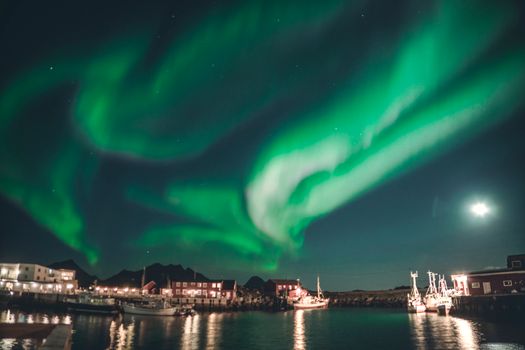
- Where to Look: Explore local guesthouses and small fishing villages like Hamn i Senja or Mefjordvær. Websites like VisitSenja.no are excellent resources. Look for family-run establishments that offer rorbu accommodation.
- My Experience: Waking up in a rorbu in Mefjordvær, the smell of salt in the air, then stepping outside to witness a faint green glow appear over the fjord was unforgettable. The lack of light pollution here is truly astounding.
- Estimated Cost: Rorbu rentals typically range from €150-€300 per night, often with cooking facilities, making them cost-effective for groups or longer stays.
3. Aurora Domes or Yurts in the Yukon, Canada
While Yellowknife in the Northwest Territories is a popular aurora hub in Canada, the Yukon offers a wilder, more remote experience. Think vast wilderness, towering mountains, and fewer people. Instead of staying in a town, look for small, off-grid lodges or even glamping-style aurora domes or yurts nestled deep in the boreal forest outside of Whitehorse.
- The Vibe: Frontier spirit meets cozy comfort. These often provide a more unique, intimate viewing experience than a standard hotel room, with clear roofs or strategically placed windows.
- Where to Look: Research small, independent lodges around Whitehorse, Tagish, or Carcross. Many offer packages that include transfers and activities. Websites like TravelYukon.com list various accommodations. Look for "wilderness lodges" or "aurora viewing camps."
- My Experience: I spent a night in a simple, heated yurt near Marsh Lake. The circular window in the roof offered a direct, unobstructed view of the sky. Lying in bed, watching the aurora undulate above me, felt like being inside a giant, cosmic snow globe.
- Estimated Cost: Yurts or simple domes can range from CAD$200-CAD$400 per night, often including some basic amenities or access to shared facilities.
4. Farm Stays in Eastfjords, Iceland
Iceland's Golden Circle is beautiful, but it's also where everyone goes. For a truly unique and less-crowded aurora experience, head to the remote Eastfjords. Here, amidst dramatic landscapes carved by glaciers and the sea, you'll find charming, family-run farm stays. These aren't fancy resorts; they're working farms that offer guesthouse-style accommodation, providing a genuine taste of Icelandic rural life.
- The Vibe: Authentic, homely, and deeply connected to the land. You'll likely enjoy home-cooked meals, interact with local families, and have vast, dark skies right outside your door.
- Where to Look: Websites like HeyIceland.is specialize in farm and country stays across Iceland. Focus your search on towns like Egilsstaðir, Seyðisfjörður, or Djúpivogur, then look for farms in the surrounding countryside.
- My Experience: After a day exploring black sand beaches and hidden waterfalls, I returned to my farm stay outside of Djúpivogur. The farmer's wife served a delicious lamb stew, and later, from my bedroom window, I watched the aurora shimmer over a field of Icelandic horses. It was a serene, picture-perfect moment.
- Estimated Cost: Farm stays are often more affordable than hotels, ranging from €100-€200 per night, sometimes including breakfast.
Planning Your Off-the-Beaten-Path Aurora Adventure: Practical Tips
Venturing away from the tourist hubs requires a bit more planning, but the rewards are immense.
- Timing is Everything: The best time for aurora viewing is typically from late September to late March. The darkest months (December-February) offer the longest viewing windows. Aim for a trip duration of at least 5-7 nights to maximize your chances, as aurora activity is weather-dependent.
- Darkness is Your Friend: Light pollution is the enemy of aurora viewing. These remote spots naturally offer incredibly dark skies, which is why they're so good.
- Flexibility is Key: Weather can change rapidly in the Arctic. Be prepared for cloudy nights and have backup daytime activities planned. Don't chase the aurora; let it come to you.
- Do Your Research: Use local tourism websites, read independent travel blogs (like this one!), and look for small, family-run businesses. Don't just type "Northern Lights hotels" into Google; dig deeper.
- Pack Smart & Layers, Layers, Layers! This cannot be stressed enough. Temperatures can plummet. Think thermal base layers, fleece mid-layers, a waterproof and windproof outer shell, insulated boots, thick socks, mittens (better than gloves), a hat that covers your ears, and a neck gaiter. Hand warmers are a lifesaver.
- Aurora Forecasting Apps: Download apps like Aurora Forecast or My Aurora Forecast. Check SpaceWeatherLive.com or your local meteorological institute's aurora predictions. While not 100% accurate, they give you a good idea of geomagnetic activity.
- Camera Gear: A sturdy tripod, a wide-angle lens (f/2.8 or wider is ideal), extra batteries (they drain quickly in the cold), and a remote shutter release are essential. Learn basic aurora photography settings before you go (long exposure, high ISO).
- Transportation: Rental cars are often necessary for these remote locations. Ensure your vehicle is equipped for winter conditions (winter tires, 4WD). Some places may require snowmobile transfers or specific local transport. Always check road conditions before heading out.
- Embrace the Simplicity: Many of these unique stays might not have Wi-Fi, fancy restaurants, or even reliable cell service. This is part of their charm! Disconnect to reconnect with nature. Bring books, board games, or simply enjoy the quiet.
- Budgeting for Remote: While the accommodation might be more affordable, remember to factor in transport costs (flights to smaller airports, car rental, fuel), potential activity costs (snowshoeing, cross-country skiing, local guides), and food (especially if cooking for yourself).
My Own "Secret" Moment: The Arctic Tent
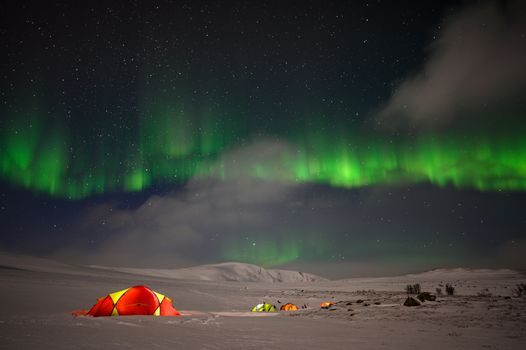
I'll never forget the time I convinced a local guide in Northern Sweden to let me pitch a simple canvas tent (a traditional Sámi lavvu) on a frozen lake, far from any village. It was a crazy idea, but I was determined to experience the aurora with nothing between me and the sky but thin fabric. He provided a small wood stove inside, and we dug a snow trench around the perimeter for insulation.
That night, the aurora exploded. It wasn't just green; it pulsed with reds and purples, like a cosmic heart beating across the zenith. The silence was absolute, broken only by the crackle of the fire and my own gasps of awe. I stayed awake for hours, peeking out of the tent flap, then retreating to the warmth of my sleeping bag, watching the sky through the smoke hole. It was raw, a little uncomfortable, but utterly exhilarating. No luxury hotel could ever replicate that feeling of being so utterly immersed in the wilderness, so utterly insignificant yet profoundly connected to the universe. That's the kind of experience you won't find on anyone's curated Instagram feed.
Beyond the Lights: Daytime Adventures in Your Hidden Gem
One of the great advantages of these off-the-beaten-path locations is the wealth of authentic daytime activities you can enjoy without the crowds.
- Snowshoeing & Cross-Country Skiing: Many remote cabins are located near well-maintained trails or offer vast expanses of untouched snow for exploration. Rent gear locally and explore at your own pace.
- Ice Fishing: Join a local guide for an authentic ice fishing experience on a frozen lake. It's a peaceful way to spend an afternoon and might even yield dinner!
- Local Culture: Engage with the local community. Visit a Sámi cultural center in Lapland, learn about traditional fishing methods in a Norwegian village, or explore the history of a remote Icelandic farm.
- Wildlife Spotting: Keep an eye out for reindeer, moose, Arctic foxes, and various bird species. The quiet of these areas increases your chances of spotting wildlife.
- Photography: Even without the aurora, the Arctic landscapes are incredibly photogenic. Capture the vastness, the unique light, and the pristine snowscapes.
Your Unfiltered Aurora Dream Awaits
The allure of the Northern Lights is undeniable, but the way we experience them is a choice. Do you want the polished, predictable, and often pricey version that fills your social media feed? Or do you crave an authentic, raw, and deeply personal encounter with one of nature's most spectacular phenomena?
I urge you to choose the latter. Seek out the quiet corners, the family-run guesthouses, the rustic cabins, and the remote farm stays. Embrace the simplicity, the solitude, and the sheer wonder of being under an unfiltered, untamed Arctic sky. These are the truly magical places where the Northern Lights become more than just a bucket list item; they become a lifelong memory, etched into your soul.
So, pack your warmest layers, leave your influencer-envy behind, and go find your own secret spot. The aurora is waiting, and it's far more magnificent when you have it all to yourself.
Now it's your turn:
Have you discovered a hidden gem for aurora viewing? Share your secrets in the comments below! And if this guide inspires your next adventure, be sure to tag #TripsoraSecrets and #UnfilteredAurora on your social media – we'd love to see your authentic Northern Lights moments!
---