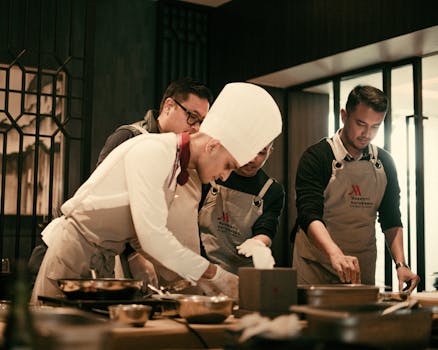
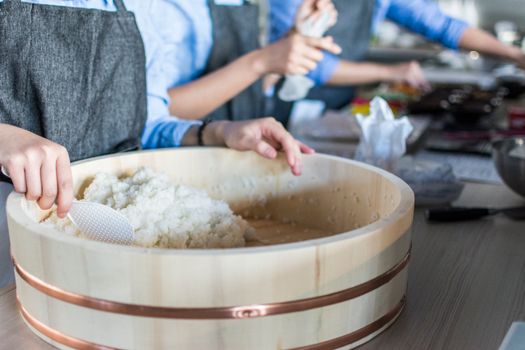
Remember that feeling when you bite into a dish so perfectly balanced, so bursting with flavor, that it transports you instantly to its origin? For me, that moment often comes after I've not just eaten the food, but made it – starting from the very first ingredient. And let me tell you, there's no better way to truly understand a culture's cuisine than embarking on a market-to-table cooking class.
I’ve been fortunate enough to crisscross the globe, sampling everything from street food stalls in Bangkok to Michelin-starred marvels in Paris. But the experiences that consistently resonate, the ones I still replay in my mind like a treasured film, are those where I’ve plunged headfirst into a local market, learned the stories behind the ingredients, and then transformed them into a feast with my own hands. It’s not just a cooking class; it's an immersive cultural masterclass, a sensory explosion, and frankly, a travel hack you need to bookmark.
This isn't just about following a recipe. It's about haggling (or at least observing the masterful art of it) for the freshest fish, learning the difference between five types of basil, and understanding why a particular spice is crucial to a region's identity. It’s about the laughter shared with a local chef, the aroma of unknown herbs, and the sheer joy of creating something delicious from scratch. Trust me, these aren't just meals; they're memories that will blow your mind and ignite a lifelong passion for culinary exploration.
Ready to trade your tourist hat for a chef's apron? Let's dive into some of the most incredible market-to-table cooking class experiences that will change the way you see the world – and your plate!
The Magic of the Market: Where Every Culinary Journey Truly Begins
Before we even get to the sizzling woks or bubbling tagines, let's talk about the unsung hero of these experiences: the local market. This isn't just a place to buy groceries; it's the beating heart of a community, a living museum of local life, and an essential prelude to understanding any cuisine.
My first truly "mind-blown" market experience was in Marrakech. I remember stepping into the labyrinthine souks, the air thick with the scent of cumin, saffron, and mint tea. Our guide, a charismatic local chef named Fatima, didn't just point out ingredients; she introduced us to vendors she'd known for decades, sharing stories of their families and the history of their spices. We tasted dates still warm from the sun, inhaled the intoxicating aroma of rosewater, and learned how to spot the freshest olives. It was a whirlwind of sights, sounds, and smells that awakened every single one of my senses.
The market tour is your cultural Rosetta Stone. You'll learn about seasonal produce, traditional preservation methods, and the nuances of ingredients you might never encounter at home. You'll see locals interacting, hear the rhythm of daily life, and truly feel connected to the place. This firsthand interaction with the raw materials is what elevates these classes from mere cooking lessons to profound cultural immersions. You gain a deeper appreciation for the food, understanding its journey from farm (or sea) to table, and that, my friends, is priceless.
Italy: Hand-Rolling Pasta and Tuscan Treasures
Location Spotlight:
Florence, Bologna, or Rome, Italy
Ah, Italy. The land of la dolce vita, ancient history, and food that speaks directly to your soul. While you can find cooking classes everywhere, the ones that start with a visit to a bustling Italian market are pure magic.
My most memorable Italian culinary adventure began in Florence. We met our chef, Marco, bright and early at the iconic Mercato Centrale. The market was a symphony of sounds and colors – vendors shouting out daily specials, piles of vibrant produce, and the rich scent of cured meats and fresh cheeses. Marco guided us through the stalls, explaining the regional differences in olive oils, demonstrating how to choose the perfect San Marzano tomato, and introducing us to artisan cheesemongers. I remember one stall where an elderly woman, with a twinkle in her eye, let me sample various pecorino cheeses, each with a distinct flavor profile. It wasn't just shopping; it was a masterclass in Italian food philosophy.
Back in the kitchen, nestled in a charming Tuscan villa just outside the city, we transformed our market haul into a true Italian feast. We learned to hand-roll tagliatelle from scratch, the dough silky and pliable under our fingertips. We simmered a rich ragù, chopped fresh basil for a vibrant pesto, and kneaded focaccia until it was perfectly airy. The best part? Sitting down together, a group of strangers from around the world, to enjoy the fruits of our labor, paired with local wine. The tagliatelle, made with eggs we'd selected that morning, tasted like pure sunshine.
Why it blows your mind:
You don't just learn to cook Italian food; you learn the soul of Italian cooking – the emphasis on fresh, seasonal ingredients, the respect for tradition, and the joy of sharing a meal.
Practical Details:
* Typical Price Range: €100 - €180 per person (includes market tour, cooking class, and meal with wine).
* Recommended Experience: Look for classes that focus on regional specialties like Tuscan cuisine in Florence, Emilia-Romagna dishes in Bologna (the food capital!), or Roman classics in Rome. Many offer pasta-making, tiramisu, and local sauces.
* Example Schools: "Florence Food Studio" (Florence), "Bologna Cooking School" (Bologna), "Cooking Classes in Rome" (Rome). Always check reviews for market tour inclusion.
Thailand: A Symphony of Spice & Street Food Secrets
Location Spotlight:
Bangkok or Chiang Mai, Thailand
Thailand is a sensory explosion, and its cuisine is no exception. A market-to-table cooking class here is an absolute must-do for any food lover. Get ready for vibrant colors, intoxicating aromas, and flavors that dance on your palate.
My first Thai cooking class began at a bustling wet market in Chiang Mai. I’d seen many markets, but this one was different. Our instructor, a bubbly woman named Noi, navigated us through narrow aisles overflowing with exotic fruits, mountains of fresh herbs, and buckets of live seafood. She taught us how to identify different types of chilies by their shape and heat level, explained the crucial role of galangal and lemongrass, and even showed us how to select the perfect ripe mango. The sounds of vendors haggling, the smell of fresh spices, and the sheer energy of the place were electrifying.
Back at the open-air kitchen, surrounded by lush greenery, we embarked on a whirlwind of chopping, pounding, and stirring. We learned to make curry paste from scratch, painstakingly crushing fresh ingredients in a mortar and pestle until the air was thick with aromatic spices. We stir-fried authentic Pad Thai, balancing sweet, sour, salty, and spicy notes, and crafted delicate spring rolls. The highlight for me was learning to make mango sticky rice – a surprisingly simple yet utterly delicious dessert. Eating our creations under the shade of mango trees, the flavors amplified by the knowledge of their origins, was an experience I'll never forget.
Why it blows your mind:
You unlock the secrets to balancing complex Thai flavors, learn to make curry paste from scratch (a game-changer!), and gain a deep appreciation for the country's fresh, vibrant ingredients.
Practical Details:
* Typical Price Range: ฿1,200 - ฿2,500 per person (approx. $35 - $75 USD).
* Recommended Experience: Look for classes that teach you to make classics like Pad Thai, various curries (Green, Red, Massaman), Tom Yum Goong (hot and sour soup), and Mango Sticky Rice. Many offer vegetarian options.
* Example Schools: "Thai Farm Cooking School" (Chiang Mai – includes farm tour), "Blue Elephant Cooking School" (Bangkok – more upscale), "Baan Thai Cooking School" (Chiang Mai).
Morocco: Tagines, Spices & Souk Sensations
Location Spotlight:
Marrakech, Morocco
Moroccan cuisine is a tapestry of flavors, rich with aromatic spices, sweet and savory combinations, and a profound sense of hospitality. A cooking class here, especially one rooted in the sensory overload of a Moroccan souk, is truly transformative.
My Moroccan culinary journey started in the heart of Marrakech, deep within the bustling souks adjoining Djemaa el-Fna. Our chef, a warm woman named Latifa, led us through a maze of stalls, past mountains of vibrant spices, baskets of dried fruits, and pyramids of olives. The air was heavy with the scent of cumin, cinnamon, and mint. Latifa taught us how to identify authentic saffron threads, explained the medicinal properties of various herbs, and even showed us how to bargain (politely!) for the freshest produce. The sheer visual spectacle – the vibrant colors, the intricate displays – was almost overwhelming in the best possible way.
Back in the tranquil courtyard of a traditional riad, we set about preparing a classic Moroccan feast. We learned to make a chicken tagine with preserved lemons and olives, slow-cooking it to perfection in traditional clay pots. I discovered the art of making fluffy couscous (a surprisingly delicate process!), and we chopped an array of fresh salads. The highlight, however, was learning to bake traditional Moroccan bread in a communal oven, a skill passed down through generations. Sharing the meal, poured alongside sweet mint tea, felt like being welcomed into a Moroccan family. The tagine, fragrant and tender, was a testament to the power of fresh, local ingredients and time-honored techniques.
Why it blows your mind:
You delve into the world of complex spice blends, learn the magic of slow-cooked tagines, and experience true Moroccan hospitality, all while navigating the exhilarating chaos of the souks.
Practical Details:
* Typical Price Range: MAD 500 - MAD 900 per person (approx. $50 - $90 USD).
* Recommended Experience: Look for classes that teach traditional tagines (chicken, lamb, vegetable), couscous, various Moroccan salads, and mint tea preparation. Some also include bread baking.
* Example Schools: "Faim d'Epices" (just outside Marrakech, includes transfers), "La Maison Arabe" (Marrakech – more upscale), Riad-based classes (check with your accommodation).
Vietnam: Pho-nomenal Flavors & Lantern-Lit Learning
Location Spotlight:
Hoi An or Hanoi, Vietnam
Vietnamese cuisine is renowned for its fresh ingredients, delicate balance of flavors, and vibrant use of herbs. A cooking class here is not just about food; it's about connecting with a culinary philosophy that prioritizes freshness and harmony.
My most cherished Vietnamese cooking class took place in the ancient town of Hoi An. The morning began with a gentle boat ride along the Thu Bon River to a local market. The market was a symphony of activity – women in conical hats selling fresh produce, fishermen unloading their catch, and the tantalizing aroma of street food wafting through the air. Our guide, a charming local woman named Lien, taught us how to select the freshest herbs (essential for Vietnamese cuisine!), explained the different varieties of rice noodles, and even introduced us to some exotic local fruits. We tasted lychees and dragon fruit straight from the vendor, a truly authentic experience.
From the market, we continued our journey by traditional basket boat, paddling through tranquil waterways to the cooking school, nestled amongst rice paddies. It felt like stepping into a postcard! In the open-air kitchen, we learned to make iconic Vietnamese dishes: fresh spring rolls (Gỏi cuốn) with a perfect dipping sauce, crispy Bánh Xèo (savory pancakes), and the intricate art of preparing Phở (beef noodle soup). I particularly loved learning to roll the spring rolls – a technique that requires a delicate touch. The final meal, enjoyed overlooking the serene river as lanterns began to glow, was incredibly satisfying, knowing every fresh ingredient had been personally selected just hours before.
Why it blows your mind:
You experience the freshness of Vietnamese ingredients firsthand, learn the art of balancing sweet, sour, salty, and spicy, and often get to enjoy unique transport like basket boats to the cooking school.
Practical Details:
* Typical Price Range: VND 600,000 - VND 1,200,000 per person (approx. $25 - $50 USD).
* Recommended Experience: Look for classes that include spring rolls, Bánh Xèo, Phở, and maybe a local stir-fry or dessert. Many include a scenic boat ride.
* Example Schools: "Red Bridge Cooking School" (Hoi An – very popular, includes boat trip), "Hanoi Cooking Centre" (Hanoi), "Green Bamboo Cooking School" (Hoi An).
Mexico: Salsas, Tacos & Culinary Traditions
Location Spotlight:
Oaxaca or Mexico City, Mexico
Mexican cuisine is a UNESCO Intangible Cultural Heritage, and for good reason! It's a complex, vibrant, and deeply historical culinary tradition. A market-to-table class in Mexico, especially in a culinary hotspot like Oaxaca, is an education in flavor and heritage.
My Mexican food epiphany happened in Oaxaca, a city renowned for its rich culinary traditions. Our chef, a jovial local named Miguel, met us at the Mercado Benito Juárez, a sensory explosion of color and sound. We navigated aisles packed with mountains of dried chilies, fragrant herbs, exotic fruits, and the intoxicating aroma of chocolate. Miguel explained the nuances of different chili varieties, crucial for authentic Mexican cooking, and introduced us to vendors selling handmade tortillas and unique Oaxacan cheeses. I remember being fascinated by the sheer variety of mole pastes, each a complex blend of dozens of ingredients, a true testament to Mexico's culinary depth.
Back in Miguel's charming colonial kitchen, we embarked on a journey through Oaxacan flavors. We learned to make fresh corn tortillas from scratch, pressing the masa dough with a rhythmic clap. We crafted several vibrant salsas, from a fiery chile de árbol to a smoky tomatillo salsa, each with its own distinct character. The highlight was tackling a traditional mole negro – a rich, dark sauce that involves toasting, grinding, and blending countless ingredients. It was labor-intensive but incredibly rewarding. Eating our homemade tacos, filled with the mole we'd lovingly prepared, felt like tasting centuries of tradition in every bite. The warmth of the hospitality and the depth of flavor were truly mind-blowing.
Why it blows your mind:
You delve into the ancient art of tortilla making, master diverse salsas, and potentially tackle the complex, revered moles, all while exploring vibrant Mexican markets.
Practical Details:
* Typical Price Range: MXN 1,500 - MXN 2,500 per person (approx. $80 - $130 USD).
* Recommended Experience: Look for classes that focus on regional specialties. In Oaxaca, this means mole, tortillas, and salsas. In Mexico City, you might explore street food staples or more refined dishes.
* Example Schools: "Casa Crespo" (Oaxaca), "Seasons of My Heart" (Oaxaca – higher end, often multi-day), "Pujol Cooking Class" (Mexico City – very high end, associated with the famous restaurant).
Practical Tips for Booking Your Culinary Adventure
Ready to book your own mind-blowing market-to-table experience? Here's how to make sure it's as incredible as mine:
- Read Reviews, Seriously: Look for classes with consistently high ratings on platforms like TripAdvisor, Google Reviews, and Airbnb Experiences. Pay attention to comments about the market tour specifically – is it engaging? Informative?
- Ensure a Genuine Market Tour: Some classes might just "pick up ingredients" from a market. You want an interactive, guided tour where you learn about the produce, interact with vendors, and absorb the local atmosphere. Confirm this in the description or by asking.
- Check Class Size: Smaller classes (6-12 people) generally offer a more hands-on and personalized experience. Larger groups can feel less intimate.
- Dietary Restrictions: If you have allergies or dietary preferences (vegetarian, vegan, gluten-free), always check if the class can accommodate them before booking. Most reputable schools are very accommodating.
- Hands-On vs. Demonstration: Most market-to-table classes are hands-on, which is what you want! Double-check to ensure you'll be actively cooking, not just watching.
- Location and Logistics: Is the cooking school easily accessible? Do they offer transportation from a central meeting point (especially important if it's outside the city)?
- What's Included: Most classes include the market tour, all ingredients, the cooking lesson, a full meal (often with drinks), and sometimes recipes to take home. Clarify if anything is extra.
- Book in Advance: Especially for popular schools or during peak travel seasons, classes can fill up quickly. Book at least a few weeks, if not months, ahead.
- Wear Comfortable Shoes: You'll be walking around the market, potentially for an hour or more.
- Bring Your Camera (and an Empty Stomach!): These experiences are incredibly Instagram-worthy, and you'll want to capture the vibrant market scenes and your delicious creations. And yes, you'll be eating a lot!
The Last Bite: Why These Experiences Are Non-Negotiable
If you're looking to transform your travels from mere sightseeing to deep cultural immersion, a market-to-table cooking class is your golden ticket. It's more than just learning a few recipes; it's about understanding the heart of a culture through its food. It's about connecting with locals, hearing their stories, and gaining a newfound appreciation for the ingredients that sustain them.
I promise you, the taste of a dish you've personally sourced and created, with the guidance of a local chef, will be infinitely more satisfying than anything you order from a menu. You'll leave with new skills, unforgettable memories, and a deeper connection to the places you visit. You'll also have some incredible stories to tell (and pictures to share!).
So, what are you waiting for? Stop just eating the food and start understanding it. Pick a destination, find a class, and prepare to have your mind, and your palate, absolutely blown. Your next culinary adventure awaits!
Where has your favorite food memory been made? Share your stories and dream destinations in the comments below!
---