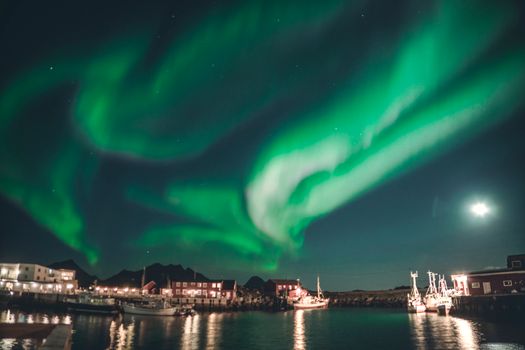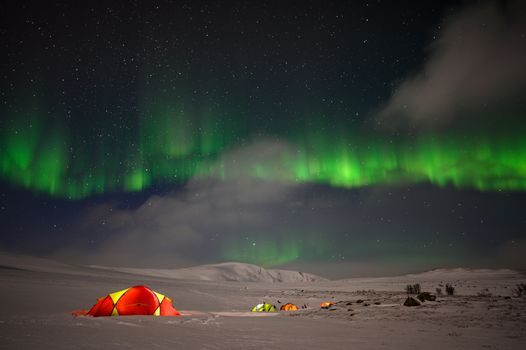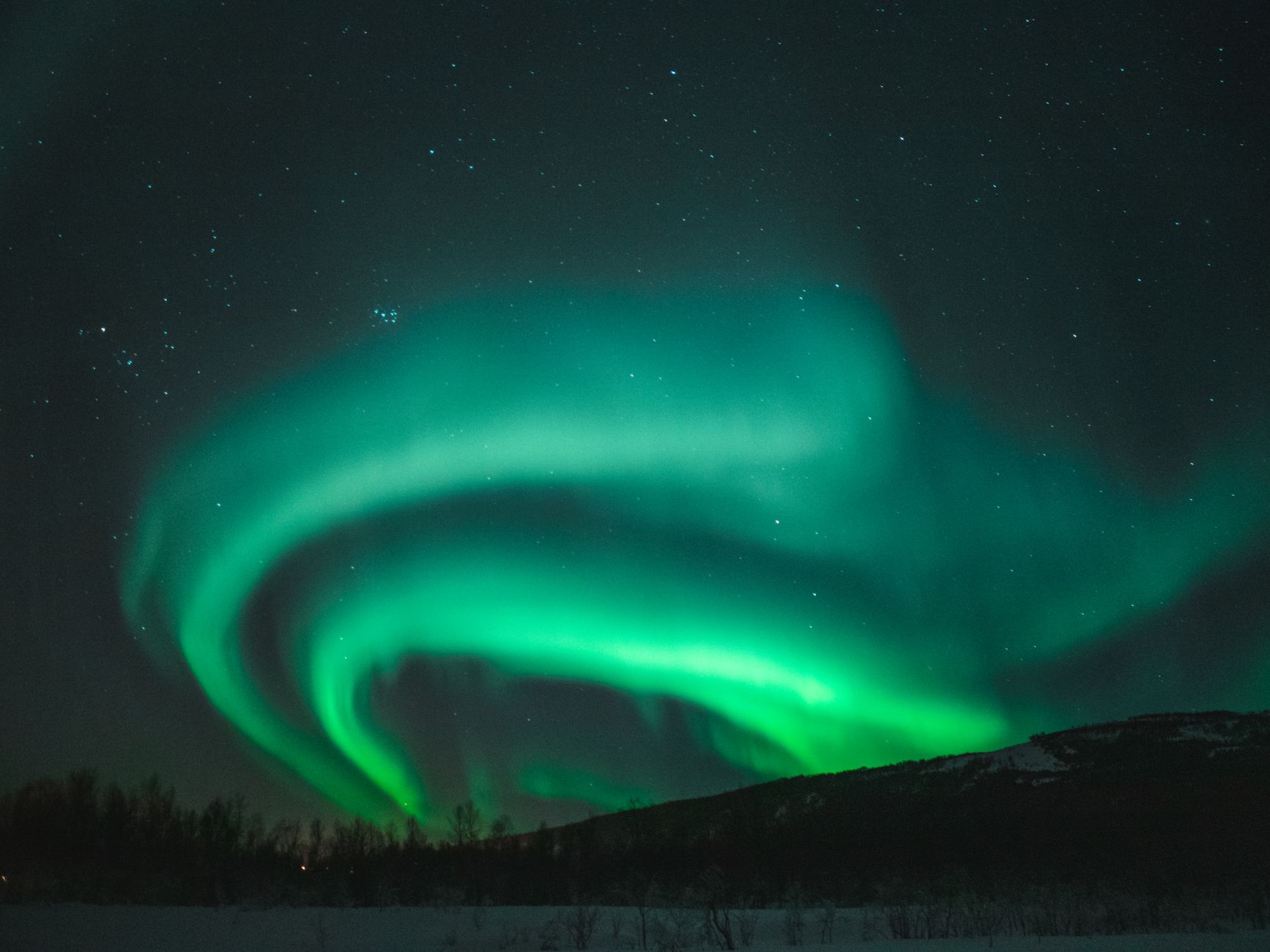
The first time I chased the Northern Lights, I was armed with a flimsy tripod, a half-charged phone, and a severe case of over-enthusiasm. I’d booked a generic "Aurora hunt" tour from a bustling city in the Arctic Circle, packed onto a bus with 50 other hopefuls. We drove for hours, stopping at a pre-designated "viewing spot" – essentially a glorified parking lot next to a gas station. The sky was a dull, hazy grey, punctuated by the occasional flicker of city light. After three hours of shivering, sipping lukewarm cocoa, and seeing nothing but disappointed faces, we headed back. My dream of witnessing the dancing green lady felt as distant and elusive as a unicorn.
I was gutted. This was supposed to be the trip of a lifetime! But as I nursed my bruised ego and frozen fingers, a seed of an idea began to sprout. What if I was looking in the wrong places? What if the real magic wasn't found on a crowded tour bus, but whispered among locals, tucked away in their secret backyards and forgotten fjords?
That’s when my quest began. I decided to ditch the guidebooks and dive deep into local communities, striking up conversations in cozy cafes, remote guesthouses, and even the occasional gas station (ironically). I learned that while the Aurora is a global phenomenon, the experience of seeing it is profoundly local. And what I discovered blew my mind – and will absolutely blow yours.
This isn't just a list of popular locations; it's an invitation to experience the Aurora Borealis through the eyes of those who live beneath its ethereal glow. These are the spots where the silence is profound, the stars are countless, and the chances of a truly intimate, mind-blowing encounter with the Northern Lights are astronomically high.
Why Local Knowledge is Your Golden Ticket to Aurora Magic
Before we dive into the specific locations, let's talk about why local insights are invaluable. Most tourist-centric Aurora tours take you to convenient, easily accessible spots that, while sometimes offering a decent view, often suffer from light pollution or lack that truly immersive feeling. Locals, however, know:
- The Darkest Skies: They know the specific turn-offs, the hidden clearings, or the quiet stretches of coastline furthest from artificial light, where the Aurora’s colors pop with unparalleled vibrancy.
- Unique Foreground Opportunities: An Aurora photo is only as good as its foreground. Locals will point you to that abandoned fishing hut, the lone tree on a hilltop, or the perfect reflection in a frozen lake that turns a good photo into an iconic one.
- Weather Microclimates: Weather in the Arctic is fickle. Locals understand microclimates – where the clouds tend to break, where the wind patterns are more favorable, or where a slight elevation offers a clearer line of sight.
- Peace and Solitude: Imagine watching the Aurora dance without a dozen camera flashes going off around you or the chatter of a large group. Local spots offer that sacred solitude, allowing you to truly connect with the moment.
- Safety and Accessibility: They know which roads are safe in winter, which paths are clear, and which areas to avoid.
My journey took me across continents, from the volcanic landscapes of Iceland to the frozen wilderness of Lapland and the rugged beauty of the Yukon. Here are the spots, whispered to me by locals, that transformed my Aurora chase into an unforgettable odyssey.
1. The Icelandic Whisper: Where Fire Meets Ice (and Aurora)
Iceland, the land of fire and ice, is a magnet for Aurora seekers. But beyond the Golden Circle and Reykjavík’s outskirts, locals have their own preferred stages for nature’s greatest show.
- Jökulsárlón Glacier Lagoon – The Secret Angle: While the Diamond Beach and the lagoon itself are famous, the local tip isn't just to go to Jökulsárlón, but where to go. Instead of the main parking lot, try the eastern side of the lagoon, accessible via a smaller, less-trafficked road (ask a local for directions to the "old bridge"). Here, you'll find fewer people, and the icebergs often drift into more dramatic compositions for photography, reflecting the Aurora in their glassy surfaces. For an even more unique experience, inquire about a local boat tour operator who might offer late-night, small-group excursions onto the lagoon itself during peak season (prices vary, but expect to pay around $150-250 USD for a specialized tour). Imagine the Aurora dancing above you, mirrored in the still, dark water, surrounded by ancient ice. It’s breathtaking.
- Vík í Mýrdal – High Above the Black Sands: Reynisfjara Black Sand Beach is iconic, but battling crowds for a clear shot isn't ideal. Locals in Vík often head to the hills just above the town. There are several small, unpaved roads leading up from the main village (again, a quick chat at the local petrol station or guesthouse, like Hotel Katla by Keahotels, will point you in the right direction). From these elevated positions, you get a panoramic view of the coastline, the Reynisdrangar basalt columns, and the vast, dark ocean, all serving as an incredible canvas for the Aurora. Plus, you’re often shielded from any light spill from the village itself.
- Snæfellsnes Peninsula – Hidden Coves & Ancient Silences: Everyone knows Kirkjufell mountain, but the entire Snæfellsnes Peninsula is a treasure trove. Instead of the crowded Kirkjufell viewpoint, explore the smaller fishing villages like Hellnar or Arnarstapi. Locals here might direct you to a quiet cove or a specific rock formation along the rugged coastline that offers a dramatic foreground, far from the tour buses. I remember a fisherman in Arnarstapi telling me about a small, easily missed path near the church that led to a secluded cliff edge. That night, the Aurora exploded over the ocean, and it felt like I had the entire universe to myself. Rental car is essential for these explorations (expect $50-100+ USD per day, depending on season and vehicle type).
- Icelandic Insider Tip: Download the "Aurora Forecast" app by the Icelandic Met Office. It's incredibly accurate for cloud cover and Aurora activity. Always check the road conditions via Vegagerðin before heading out!
2. Nordic Nods: Lapland, Fjords, and Frozen Wilderness
The Nordic countries offer some of the most consistent and spectacular Aurora displays, and locals here are masters of the chase.
- Norway – Senja Island's Dramatic Canvas: Tromsø is popular, but for a truly local experience, head to Senja Island, often called "Norway in Miniature." Less touristy and incredibly dramatic, Senja offers jaw-dropping fjords, jagged mountains, and pristine coastlines. Locals here know the best spots are often found along the scenic routes, particularly near Tungeneset (famous for its "devil's teeth" rock formation) or the quieter beaches around Ersfjord (not to be confused with Ersfjordbotn near Tromsø). The advantage? Minimal light pollution and incredible foregrounds. Renting a car is highly recommended for Senja (similar to Iceland, $60-120+ USD/day). Stay at a local guesthouse like Hamn i Senja for comfortable access to these areas.
- Sweden – Björkliden's Unspoiled Skies (near Abisko): Abisko National Park is renowned for its "Blue Hole" – a patch of sky often clear even when surrounding areas are cloudy. While the Aurora Sky Station is popular, many locals (and savvy travelers) prefer the nearby village of Björkliden. It's just a 10-minute drive from Abisko but offers similar dark skies with fewer crowds and often more budget-friendly accommodation options (e.g., Björkliden Fjällby). Locals might suggest specific vantage points higher up the mountain accessible by ski lift (seasonal) or quiet spots along the frozen Lake Torneträsk. The silence here is profound, broken only by the crunch of snow underfoot.
- Finland – Nellim's Wilderness Whisper: Forget the crowded resorts of Levi or Rovaniemi for your primary Aurora hunt. For a truly authentic, local-recommended experience, head to Nellim, a tiny village deep in Finnish Lapland, right on the shores of Lake Inari. This is Sami country, and the remoteness here is unparalleled. Locals will tell you the best spots are often right on the vast, frozen expanse of Lake Inari itself, where the reflections can be incredible. Many small, family-run guesthouses (like Nellim Wilderness Hotel) offer guided snowmobile or husky sled tours to their own designated, remote viewing points, often a small, heated teepee or cabin on the lake. Expect to pay a premium for such an authentic experience ($200-500+ USD per night for accommodation including activities), but it’s worth every penny for the solitude and raw beauty.
- Nordic Insider Tip: Embrace the "friluftsliv" (open-air living). Pack layers, bring a thermos of hot chocolate, and be prepared to wait. Locals often share stories by a fire while waiting for the show.
3. North American Wonders: Untapped Potential in the Wild North
Canada and Alaska offer vast, pristine wilderness, making them prime locations for Aurora viewing, especially when you know where to look.
- Canada – Yukon's Miles Canyon & Fish Lake Road: Whitehorse, Yukon, is a fantastic base. While many head to designated viewing areas, locals often recommend Miles Canyon just outside the city. It's a stunning natural landmark that, when viewed from specific, less-trafficked viewpoints (ask a local at a coffee shop like Baked Café for directions to the "quiet side"), offers a dramatic foreground of the Yukon River and basalt cliffs. Another local favorite is Fish Lake Road. Drive out of town, past the main turn-offs, and find a quiet pullout. The further you get from Whitehorse, the less light pollution, and the road offers numerous vantage points over valleys and lakes.
- Canada – Yellowknife's Lakeside Secrets: Yellowknife, NWT, is known as the "Aurora Capital of North America." While Aurora Village is popular, ask any local, and they'll likely point you to their favorite lakeside spot. Prelude Lake Territorial Park (a short drive from Yellowknife) offers several quiet bays and clearings. Another gem is along Prosperous Lake Road or Ingraham Trail. Many locals have cabins along these routes and know the exact spots where the sky opens up perfectly. The key here is to find a wide-open view over a frozen lake, which acts as a giant mirror.
- Alaska – Chena Hot Springs Road's Hidden Pullouts: Fairbanks, Alaska, is another Aurora hotspot. Chena Hot Springs Resort is a popular destination, but the drive to Chena Hot Springs along Chena Hot Springs Road is where locals find their magic. Instead of going all the way to the resort, pull off at one of the numerous designated (or even undesignated but safe) pullouts between mile markers 20-50. These spots offer open views of the sky away from the resort's lights. Another local secret is to head towards Murphy Dome, a well-known viewing spot, but instead of stopping at the main parking area, explore the side roads leading up to it. Locals know specific clearings that offer equally stunning views without the crowds.
- North American Insider Tip: The cold here is serious. Invest in good winter gear, including insulated boots, thermal layers, and hand/toe warmers. Check the University of Alaska Fairbanks Geophysical Institute's Aurora Forecast for the most reliable predictions.
Your Essential Aurora Chasing Kit & Photography Tips
Regardless of where you go, preparation is key for a successful and enjoyable Aurora hunt.
- The Aurora Chaser's Wardrobe (Layers, Layers, Layers!):
- Base Layer: Merino wool or synthetic thermals (top and bottom).
- Mid-Layer: Fleece or down jacket/pants.
- Outer Layer: Waterproof and windproof parka and snow pants.
- Extremities: Wool socks (two pairs!), insulated waterproof boots (rated to at least -20°C/-4°F), thick mittens (fingerless gloves underneath are good for camera work), warm hat that covers ears, neck gaiter/balaclava. Hand and toe warmers are a lifesaver!
- Gear Bag Essentials:
- Thermos: Filled with hot coffee, tea, or cocoa.
- Snacks: High-energy bars, chocolate.
- Headlamp: With a red light setting (crucial for maintaining night vision for yourself and others).
- Power Bank: Cold drains batteries fast!
- Spare Camera Batteries: Keep them warm in an inside pocket.
- Small Backpack: To carry it all.
- Photography Gear (Capture the Magic!):
- DSLR or Mirrorless Camera: With manual settings.
- Wide-Angle Lens: (e.g., 14-24mm, f/2.8 or wider) to capture the vastness of the sky.
- Sturdy Tripod: Non-negotiable for long exposures.
- Remote Shutter Release: To avoid camera shake.
- Lens Cloth: For condensation or snow.
- Basic Settings (start here, adjust as needed):
- ISO: 800-3200 (start at 1600, go higher if faint, lower if bright).
- Aperture: Widest possible (f/2.8, f/4).
- Shutter Speed: 5-20 seconds (start at 10-15s, shorter if bright/fast-moving, longer if faint).
- Focus: Manual focus to infinity.
- White Balance: Auto or Kelvin (around 3200-4000K) for natural colors.
- Aurora Forecast Apps: My Aurora Forecast, Aurora Alerts, and local meteorological office apps are your best friends. Check them religiously!
The Local Connection: How to Find Your Own Secret Spots
My journey taught me that the best "secret" spots aren't always found on a map; they're found through human connection.
- Talk to Everyone: Seriously. The barista, the guesthouse owner, the person next to you at the pub, the cashier at the grocery store. Start with "Have you seen the Aurora recently?" and follow up with "Where do you go to see it?" Most locals are incredibly proud of their natural wonders and happy to share their wisdom.
- Look for Local Social Media Groups: Search Facebook for groups like "Aurora Chasers [City Name]" or "[Region] Photography Group." Locals often share real-time sightings and specific coordinates.
- Drive and Explore (Safely!): Sometimes, the best spot is simply the quietest turn-off you find. Look for areas with clear, unobstructed views to the north, away from any artificial light. Always inform someone of your plans and check road conditions, especially in winter.
- Respect the Land: Always practice Leave No Trace principles. Pack out everything you pack in. Be mindful of private property.
- Be Patient and Flexible: The Aurora is a natural phenomenon. There are no guarantees. Sometimes you get lucky, sometimes you don't. But the chase itself, the crisp air, the starry sky, and the anticipation, are all part of the magic.
My initial disappointment turned into the most rewarding travel experience of my life. By seeking out local wisdom, I didn't just see the Northern Lights; I experienced them in a way few tourists ever do. I witnessed them in profound silence, reflected in untouched waters, and framed by landscapes so pristine they felt otherworldly.
Now it's your turn. Arm yourself with this insider knowledge, embrace the spirit of adventure, and prepare to have your mind absolutely blown. The Aurora is calling, and she's waiting for you in places you never knew existed.
Have you stumbled upon a local gem for Aurora viewing? Share your stories and tips in the comments below! Let's build a community of conscious, authentic Aurora chasers.
---