Secret Ghost Towns: The Hidden Gems Locals Guard Fiercely
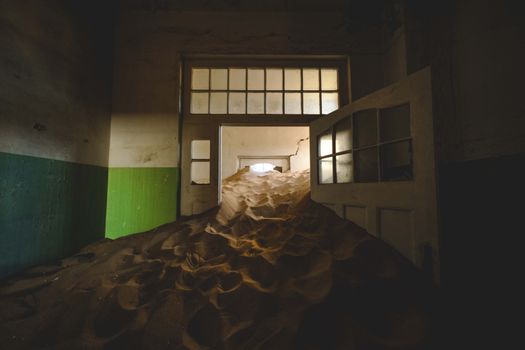
I remember standing on a dusty, deserted main street, the only sound the whisper of the wind through skeletal wooden structures. The air was thick with the scent of sagebrush and forgotten dreams. My heart pounded, not from fear, but from the sheer thrill of discovery. This wasn't a curated museum or a popular tourist attraction; this was a place time forgot, a secret held close by the few who knew its name. A place, I later learned, locals truly hoped no one like me would ever find.
That trip ignited something within me – a passion for unearthing the world’s forgotten corners. We all crave authenticity, that raw, unfiltered experience that cuts through the noise of modern life. And what’s more authentic than a town left to crumble, a testament to boom and bust, hope and despair? These aren't just old buildings; they're open-air museums, living (or rather, dying) monuments to human ambition, resilience, and sometimes, folly.
Forget the well-trodden paths. Today, we're going deep. I'm going to share with you a handful of forgotten ghost towns, places so remote, so untouched, or so overlooked that the locals genuinely hope they remain a secret. They're not easy to reach, and they demand respect, but the reward? An unparalleled journey into history, an Instagram feed that screams "adventure," and stories you'll tell for a lifetime. Are you ready to venture beyond the map?
The Allure of the Abandoned: Why Go Ghost Town Hunting?
Before we dive into specific locations, let's talk about why these places captivate us. It's more than just a photo opportunity. It’s the silence, broken only by the wind, that allows you to hear the echoes of the past. It’s the peeling wallpaper, the overturned chairs, the rusted mining equipment – each a relic telling a silent story of lives lived, fortunes sought, and dreams lost.
These towns offer a tangible connection to history that textbooks simply can't provide. You can walk the same boardwalks as prospectors, imagine children playing in the dusty yards, and feel the weight of ambition that built these communities from nothing. When you visit a forgotten ghost town, you're not just a tourist; you're an explorer, an archaeologist of the everyday, piecing together narratives from the remnants of a vanished world. It’s an adventure for the soul, a challenge for the intrepid traveler, and a stark reminder of the impermanence of even the grandest human endeavors.
1. Kennecott, Alaska: The Copper Kingdom in the Sky
Location:
Wrangell-St. Elias National Park and Preserve, Alaska.
Why it's a secret: Its extreme remoteness. Getting here is an adventure in itself, deterring casual tourists and preserving its magnificent isolation.
My first encounter with Kennecott felt like stepping onto another planet. Nestled amidst the towering, glacier-capped peaks of Wrangell-St. Elias National Park, Kennecott isn't just a ghost town; it's an entire industrial complex frozen in time. From 1911 to 1938, this was the richest copper mine in the world, a bustling company town carved out of the Alaskan wilderness. When the copper ran out, everyone left, quite literally overnight.
Today, the colossal red and white mill building, a 14-story behemoth, still dominates the landscape, looking like something out of a steampunk fantasy. Surrounding it are dozens of other structures: the general store, the bunkhouses, the hospital, and the power plant, all remarkably preserved. I remember wandering through the hospital, seeing old medical equipment still in place, and feeling a chill that had nothing to do with the Alaskan air. The sheer scale of the operation, juxtaposed with the absolute silence, is breathtaking.
How to get there:
This is where the "locals don't want you to know" truly kicks in. You can’t just drive up. The McCarthy Road, a 60-mile gravel road from Chitina, is a test of nerves and tires (a high-clearance vehicle is highly recommended, and prepare for flat tires!). At the end of the road, you park and walk across a footbridge to McCarthy, then it’s a 5-mile hike or shuttle ride to Kennecott. Alternatively, small bush planes fly into McCarthy from Chitina or Glennallen, offering incredible aerial views.
Insider Tip:
Plan to spend at least two days. One for exploring Kennecott (take a guided tour for the best insights into the mill), and another for hiking on the Root Glacier, easily accessible from town. The contrast between industrial ruins and pristine wilderness is mind-blowing.
Estimated Cost: McCarthy Road toll (if applicable), shuttle to Kennecott ($5-$10 one way), guided tours ($28-$35). Flights from Chitina are around $100-$150 round trip. Accommodation in McCarthy/Kennecott can range from rustic cabins to lodges ($150-$300+ per night).
2. Thurmond, West Virginia: A Railway Town Time Forgot
Location:
New River Gorge National Park and Preserve, West Virginia.
Why it's a secret: Tucked deep within a national park, easily missed by those focused on the gorge's adventure sports. Its small size and limited access keep it off the main tourist radar.
Imagine a town so perfectly preserved that it feels like the inhabitants just stepped out for a moment. That's Thurmond. Once a bustling coal-shipping and passenger rail hub on the Chesapeake & Ohio Railway, Thurmond was famously home to more millionaires than any other town in West Virginia in its heyday. But as coal declined and the advent of diesel locomotives reduced the need for frequent stops, Thurmond slowly emptied out.
Today, the National Park Service maintains a handful of buildings, including the iconic Thurmond Depot, which serves as a visitor center. When I first stumbled upon Thurmond, driving down a narrow, winding road that felt more like a deer trail, I was struck by its almost surreal quietness. The old bank building, the post office, and a few other structures stand like silent sentinels along the river, watched over by the active railroad tracks that still carry freight trains through. There’s a ghost of a general store, a hint of a hotel, and the constant rush of the New River. It’s an incredibly atmospheric place, especially on a misty morning.
How to get there:
Thurmond is accessible via a paved, but narrow and winding, road off US-19, deep within the New River Gorge National Park. Follow signs for Thurmond Road. There's ample parking near the depot.
Insider Tip: While the depot is open seasonally, you can walk around the town and explore the exteriors year-round. Bring a picnic and enjoy the riverside views. Combine your visit with a scenic drive through the New River Gorge, stopping at various overlooks. This isn't a place for bustling crowds; it's for quiet contemplation and appreciation of history.
Estimated Cost: Free to visit.
3. Animas Forks, Colorado: High-Altitude Mining Remnants
Location:
San Juan Mountains, near Silverton, Colorado.
Why it's a secret: Its high-altitude location (11,200 feet) and challenging access via unpaved, high-clearance 4x4 roads make it inaccessible to most standard vehicles and fair-weather tourists.
The drive to Animas Forks is an adventure in itself, a white-knuckle ascent along the famous Alpine Loop. This remote mining camp, established in 1873, was once a thriving community of 450 people, complete with a post office, general store, and even a newspaper. But the harsh winters and dwindling ore eventually forced its abandonment.
When I finally crested the last ridge and saw Animas Forks spread out below, nestled in a vast, treeless basin surrounded by towering peaks, it was like a scene from a Western movie. Several well-preserved buildings remain, including the impressive two-story, 12-room Frisco Mill, and a number of cabins, some with original wallpaper still clinging to the walls. Walking through these structures, with the thin mountain air biting at my cheeks, I could almost hear the clatter of mining equipment and the shouts of prospectors. The isolation here is profound, and the natural beauty is simply unparalleled. It’s a photographer’s dream and a history buff’s paradise.
How to get there:
Animas Forks is only accessible by high-clearance 4x4 vehicles, typically from late May or early June until the first heavy snowfall (usually late September/early October). It’s part of the Alpine Loop National Back Country Byway, connectable from Silverton or Lake City. Renting a Jeep or taking a guided tour from Silverton is highly recommended. Do not attempt this in a standard passenger car.
Insider Tip: Check weather and road conditions before you go; sudden afternoon thunderstorms are common. Bring layers, water, and snacks. The elevation can be tough, so take it easy. The views from Engineer Pass (part of the Alpine Loop) are absolutely spectacular.
Estimated Cost: Free to visit. Jeep rentals in Silverton can be $200-$300+ per day. Guided tours are similar.
4. Cahawba, Alabama: The South's Most Haunted Capital
Location:
Dallas County, Alabama, near Selma.
Why it's a secret: Deep in the rural South, off major highways, and often overshadowed by more famous historical sites. Its quiet, eerie atmosphere is best experienced away from crowds.
Cahawba (or Old Cahawba Archaeological Park) isn't your typical Wild West ghost town. This was Alabama's first permanent state capital, a grand vision of a city founded in 1819 at the confluence of the Alabama and Cahaba Rivers. But floods, disease, and the shifting political landscape led to its decline and eventual abandonment after the Civil War.
My visit to Cahawba was unlike any other ghost town experience. Instead of dusty wooden shacks, I found elegant brick ruins slowly being reclaimed by nature. Old brick chimneys stand sentinel amidst overgrown fields, remnants of once-grand homes. The collapsed walls of the elegant St. Luke's Episcopal Church hint at its former glory. What makes Cahawba truly unique is its haunting beauty and pervasive sense of melancholy. It's said to be one of the most haunted places in the South, with tales of spectral balls and mysterious lights. Whether you believe in ghosts or not, the atmosphere is undeniably powerful. Walking among the ancient oaks draped in Spanish moss, with the sounds of the river nearby, feels like stepping into a forgotten dream.
How to get there:
Cahawba is located about 15 miles southwest of Selma, Alabama. It's accessible via well-maintained paved roads, though they become more rural as you approach. Follow signs for Old Cahawba Archaeological Park.
Insider Tip: Pick up a map at the visitor center (or download one beforehand) to navigate the extensive grounds. Allow plenty of time to explore on foot or by car, stopping at the numerous interpretive signs. Visit in the spring or fall to avoid the intense summer heat and humidity.
Estimated Cost: A small entrance fee (around $8 per person) is charged at the visitor center.
5. Belmont, Nevada: The Silver Ghost of Big Smoky Valley
Location:
Nye County, Nevada, approximately 45 miles northeast of Tonopah.
Why it's a secret: Truly in the middle of nowhere Nevada, requiring a dedicated detour on mostly unpaved roads. Its isolation has preserved its wild, untamed feel.
Nevada is a treasure trove of ghost towns, but Belmont stands out as one of its most authentic and least disturbed. This once-thriving silver mining town, founded in 1865, served as the Nye County seat for 19 years and boasted a population of 2,000, along with three newspapers, a bank, and even a brewery. The silver played out, the county seat moved, and Belmont slowly withered away, leaving behind a remarkably intact collection of stone and brick ruins.
When I first rolled into Belmont, the silence was absolute, broken only by the crunch of my boots on the gravel. The massive stone courthouse, its windows gaping, stands as the most impressive structure, a testament to the town’s former ambition. Nearby are the ruins of the Monitor-Belmont Mill, the assay office, and numerous stone cabins and commercial buildings, all slowly succumbing to the elements. There's a small, active cemetery that adds to the poignant atmosphere. Belmont feels genuinely forgotten, a raw piece of history waiting to be discovered by those willing to make the journey. It's a place where you can truly feel the spirit of the Old West.
How to get there:
Belmont is remote. From Tonopah, take US-6 east for about 10 miles, then turn north onto NV-376. After about 20 miles, turn right onto a well-maintained gravel road (Belmont Road) that leads directly to the town. A high-clearance vehicle is recommended, especially after rain, but a standard car can often make it in dry conditions. Always have a full tank of gas and extra water.
Insider Tip: Explore the courthouse interior carefully; some sections may be unstable. The views of the Big Smoky Valley from Belmont are incredible, especially at sunrise or sunset. This is a perfect spot for stargazing.
Estimated Cost: Free to visit.
Essential Tips for the Aspiring Ghost Town Hunter
These aren't theme parks. They're fragile historical sites, often in remote or rugged locations. Responsible tourism is paramount.
- Do Your Research: Always check road conditions, accessibility, and any specific regulations for each site. Some are managed by state or national parks, others are on private land (which you should never trespass on).
- Go Prepared:
- Vehicle: For many of these, a high-clearance 4x4 is essential. Always have a full tank of gas, a spare tire (and the knowledge to change it), and emergency supplies.
- Supplies: Water, snacks, first-aid kit, flashlight, maps (cell service is often non-existent), and a fully charged phone (for photos, not calls!).
- Clothing: Sturdy closed-toe shoes are a must. Dress in layers, as weather can change rapidly, especially in mountainous regions.
- Safety First:
- Never go alone: If possible, travel with at least one other person.
- Tell someone your itinerary: Let a friend or family member know where you're going and when you expect to return.
- Watch your step: Floors can be unstable, nails can protrude, and wildlife might be present. Avoid entering structures that look unsafe.
- Respect the Past (and the Present):
- Leave No Trace: Pack out everything you pack in. Do not litter.
- Do NOT take souvenirs: Leave all artifacts, rocks, and natural items where you find them. This is crucial for preserving the historical integrity of the site. Taking even a small item is theft and damages the site for future visitors.
- Respect private property: Some ghost towns have residents or are adjacent to private land. Be mindful of signs and boundaries.
- Be quiet: Embrace the silence. Listen to the wind, the creaking wood. This isn't a place for loud music or boisterous behavior.
- Capture, Don't Destroy: These places are incredibly photogenic. Bring your best camera gear, but remember to be respectful of the sites and other visitors (if any). Drone use may be restricted in some areas, especially national parks.
Your Next Adventure Awaits
The lure of the forgotten is powerful, and for good reason. These secret ghost towns offer a truly unique travel experience – a blend of history, adventure, and profound solitude. They challenge you to step outside your comfort zone, to venture off the paved path, and to connect with stories that time nearly erased.
So, are you ready to trade the crowded beaches and bustling city centers for the dusty silence of a forgotten past? To feel the thrill of discovery that locals wish they could keep all to themselves? Pack your bags, fuel up your vehicle, and embark on an adventure that will forever change the way you see history.
Now it's your turn! Have you ever stumbled upon a forgotten gem? Share your favorite ghost town stories or tips in the comments below! And if you're planning a trip to one of these incredible spots, don't forget to tag #TripsoraAdventures in your photos. Let's keep the spirit of exploration alive, respectfully and responsibly!
---