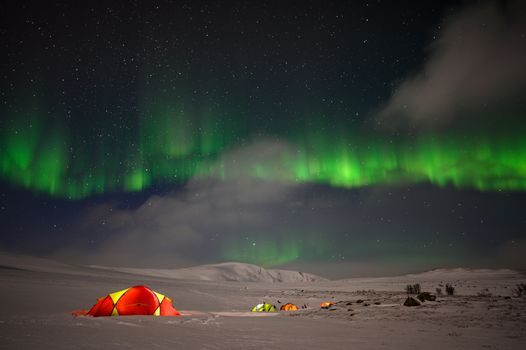
The frigid air bit at my exposed cheeks, a stark contrast to the warmth of the flickering fire in the distance. Above me, the sky was a canvas of inky black, dotted with a million pinprick stars. But it wasn't the stars I was waiting for. It was the aurora, the legendary Northern Lights, that elusive celestial ballet I’d dreamed of since childhood. My first attempt, years ago, had been a bust – a busload of shivering tourists crammed onto a designated viewing platform, all craning necks, flashlights blazing, and the lights, when they finally appeared, a faint, shy whisper in the distance. It felt... impersonal. Disappointing.
That experience taught me a valuable lesson: chasing the aurora isn't just about being in the right place, it's about being in the right kind of place. A place where the magic feels personal, raw, and unadulterated. A place that locals, the true custodians of these icy landscapes, often keep to themselves.
Fast forward to last winter. I was tucked away in a tiny guesthouse in northern Norway, far from the main tourist hubs. Over a steaming mug of gløgg, the guesthouse owner, a weathered Sami man named Bjorn, saw my aurora forecast app open on my phone. He chuckled, a deep rumble from his chest. "You'll see them, yes," he said, "but not like we see them." He then drew a crude map on a napkin – a winding road, a small frozen lake, and a single, almost invisible track leading off into the snow-laden forest. "Go there," he whispered, "when the sky is clear, and the wind is still. And tell no one."
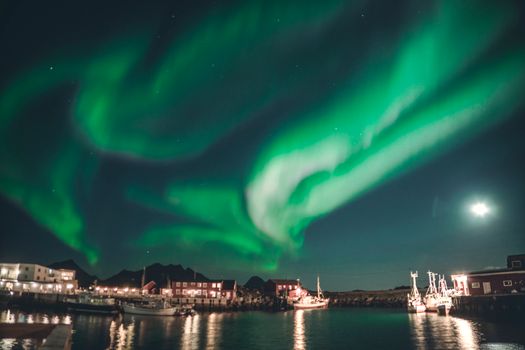
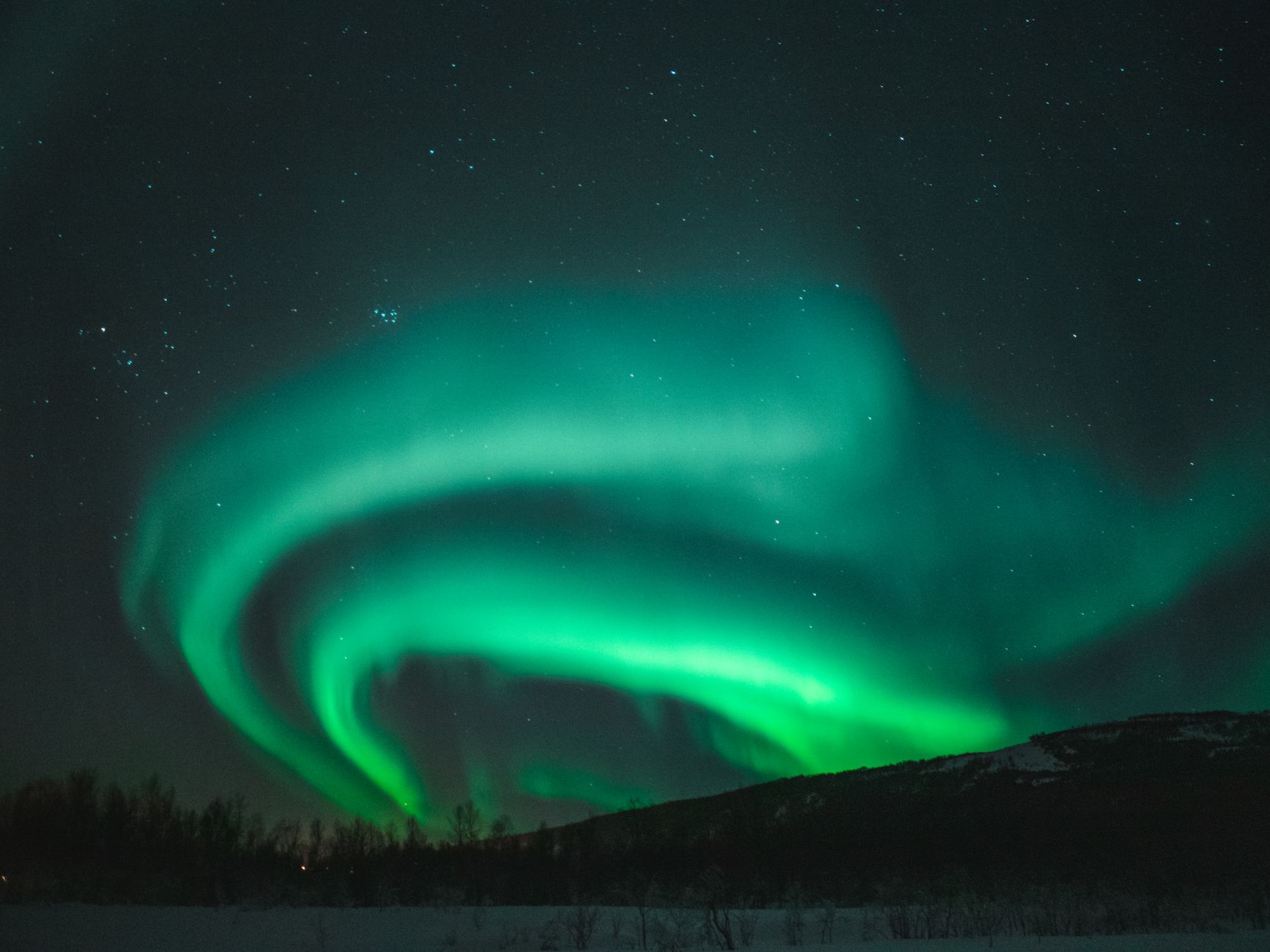
That night, following Bjorn’s cryptic directions, I found myself on a small, elevated bluff overlooking a silent, frozen fjord. There was no one else. Just me, the vast expanse of the Arctic wilderness, and the heavens. When the aurora finally ignited, it wasn't a whisper; it was a roaring symphony of emerald green and violet, swirling, pulsing, and dancing directly above me, so vivid I felt I could reach out and touch it. It was a moment of profound, breathtaking solitude. It was my aurora.
This, my fellow adventurers, is the essence of what I want to share with you today. Not a list of exact GPS coordinates that would quickly become overrun, but the philosophy, the strategies, and the spirit of finding your own secret Northern Lights viewing spot – the kind locals cherish and rarely reveal. Because the true magic of the aurora isn't just in seeing it, but in the journey of discovering it in a way that feels uniquely yours.
---
The Unspoken Code: Why Locals Keep Their Secrets & How to Earn Them
Let's be honest: no local wants their pristine, quiet aurora spot suddenly overrun with tour buses and selfie sticks. These places are often personal sanctuaries, passed down through generations, tied to memories and a deep respect for nature. Their reluctance to share isn't about being unfriendly; it's about preservation and maintaining the very essence of what makes these spots special.
Thinking Like a Local:
* Respect & Humility: Approach locals with genuine interest in their culture and land, not just as a means to an end. Be a visitor, not a conqueror.
* Support Local Businesses: Stay in small, family-run guesthouses, eat at local diners, buy crafts from local artisans. Your economic contribution builds goodwill.
* Patience & Observation: Don't immediately ask for "the secret spot." Instead, engage in conversation. Ask about local life, weather, traditions. The topic of aurora will often come up naturally.
* Be a Storyteller, Not a Taker: Share your own travel experiences or a funny anecdote. People are more likely to open up to someone they feel a connection with.
I once spent an entire evening playing cards with an Icelandic farmer and his family in their living room, fueled by coffee and homemade pastries, before he casually mentioned a "good place" by a particular rock formation near his property. It wasn't advertised, didn't have a name, but it turned out to be spectacular. The key was the shared experience, the human connection, before the "ask."
---
Decoding the Whisper Network: How to Get Those Elusive Tips
So, how do you get those precious local insights without outright asking for them? It's an art, not a science, and it involves a bit of detective work and a lot of charm.
- Small-Town Charm Offensive:
- Local Cafes & Pubs: These are goldmines. Find the oldest, most unassuming cafe or the pub where the same regulars gather nightly. Order a coffee or a local brew, linger, and listen. Strike up a conversation with the bartender or the person next to you.
- Guesthouses & B&Bs: Owners of smaller accommodations often have deep roots in the community. They might not reveal their spot, but they can point you towards general areas or tell you what kind of features make a good spot locally.
- Fishermen & Outdoor Enthusiasts: People who work or play outdoors often know the terrain intimately. Ask about fishing spots, hiking trails, or good places for a quiet picnic. These often double as excellent aurora viewing locations.
- Local Shops: The owners of small grocery stores or souvenir shops have often lived there their whole lives. A friendly chat about the weather or local events can sometimes lead to a casual tip.
- The Indirect Approach:
- Instead of "Where's the best secret spot?", try: "If you were going to watch the aurora tonight, where would you go to get away from the lights?" or "I'm looking for a quiet place to just enjoy the stars – anywhere you'd recommend around here?"
- Mention your photography hobby: "I'm hoping to get some long-exposure shots of the sky. Are there any spots with a nice open view, maybe near water, that aren't too busy?"
- Online, But Local:
- Local Facebook Groups: Search for community groups specific to the town or region you’re visiting (e.g., "Tromsø Community," "Lofoten Residents"). Many are in the local language, but Google Translate can help. You might find discussions about recent aurora sightings or general tips on where people go. Do not directly ask for secret spots here; observe and learn.
- Weather Forums/Apps: Locals often discuss weather patterns and aurora potential on specific local apps or forums. For Norway, Yr.no is indispensable; for Iceland, Veður is key. Observing these can give you clues about local conditions and preferred viewing directions.
My most cherished secret spot in Finnish Lapland came from a conversation with a snowmobile rental guy. He pointed to a faint track on his map leading to a small, frozen marsh, saying, "The trees break the wind there, and the sky is wide open." It required a short, adventurous snowshoe hike, but it was absolutely worth it.
---
Beyond the Bus Stop: Identifying Promising Terrain for Your Own Gem
Even without a direct tip, you can learn to "read" the landscape like a local to find your own uncrowded aurora sanctuary. What makes a good spot?
- Light Pollution is the Enemy: This is non-negotiable. Get as far away from town lights as possible. Drive away from the city center for at least 30-45 minutes. Look for areas marked dark on light pollution maps (search "light pollution map" online).
- Open Horizons are Your Friends:
- Lakes & Fjords: The surface of a frozen lake or a calm fjord acts like a giant mirror, doubling the spectacle. Plus, they usually offer wide, unobstructed views.
- Coastlines & Beaches: Uninterrupted views over the ocean are incredible, especially if you can find a quiet cove or a less-visited stretch of sand/pebble beach.
- Elevated Points: A gentle hill, a small mountain pass, or a natural bluff offers a commanding view over the landscape, giving you a wider perspective of the sky.
- Open Bogs & Marshes: In Scandinavia, these flat, treeless areas can offer surprisingly good, vast horizons.
- Shelter from the Wind (Often Overlooked!): The Arctic winds are brutal. A truly comfortable viewing spot will offer some natural protection. Look for:
- Forest Edges: A spot just at the treeline, where the trees block the direct wind but still allow for an open sky view.
- Small Valleys or Depressions: These can create microclimates that are less exposed.
- Rock Formations: Large boulders or cliffs can offer a windbreak.
- Accessibility (But Not Too Easy): The best "secret" spots often require a little effort.
- Short Hikes/Walks: A 15-30 minute walk from a parking spot often deters casual tourists.
- Less-Traveled Roads: Look for gravel roads or smaller, secondary routes on your map. These often lead to quieter areas.
- Parking for 1-2 Cars: If you find a tiny pull-off that only fits a couple of vehicles, you're likely onto something.
Specific (General) Examples of "Types" of Spots:
- Norway (Beyond Tromsø/Lofoten Hotspots): Instead of the main tourist viewing points, consider exploring the interior of Kvaløya island (beyond the main villages like Ersfjordbotn), or the less-visited eastern fjords around Lyngen Alps. Drive a bit further inland from the main coastal roads in Finnmark and look for frozen lakes surrounded by sparse forest.
- Iceland (Beyond the Golden Circle): Head for the Westfjords (requires more driving, but rewards are immense), or venture into the less-populated areas of the Snæfellsnes Peninsula (away from Kirkjufell mountain). The interior (only accessible in summer/fall with a 4x4) offers vast, untouched landscapes. Look for quiet spots near lesser-known waterfalls like Gljúfrabúi (just off the main Seljalandsfoss path, but less crowded) or small, unnamed lakes.
- Finland (Deep Lapland): While Levi and Rovaniemi are popular, venture further north to the areas around Inari or even Utsjoki. Look for frozen bogs, silent forest clearings, or the shores of smaller, unnamed lakes off the main roads. The vastness of the wilderness here makes finding solitude easier.
- Sweden (Beyond Abisko): While Abisko National Park is famous for its "Blue Hole," explore the areas around Kiruna or further north towards Karesuando. The frozen rivers and open landscapes along the border with Finland can be incredibly rewarding.
Remember, the goal isn't to find a named spot, but to find a type of spot that fits these criteria, making it uniquely yours.
---
The Art of Aurora Hunting: Practical Tips for Your Secret Expedition
Finding a potential spot is just the beginning. Successful aurora hunting requires preparation and patience.
- Monitor the Forecasts Like a Hawk:
- Solar Activity (KP-Index): Use apps like My Aurora Forecast or websites like NOAA Space Weather Prediction Center (for serious data) to track the KP-index. A KP of 3 or higher is generally good for visible aurora at these latitudes.
- Cloud Cover: This is critical. Even a strong aurora won't penetrate thick clouds. Use local weather apps (Yr.no for Norway, Veður for Iceland) for highly localized cloud forecasts. Look for clear "holes" in the cloud cover.
- Timing: The best viewing hours are typically between 10 PM and 2 AM, but the aurora can appear any time after dark.
- Dress for the Arctic: You'll be standing still in sub-zero temperatures.
- Layers, Layers, Layers: Base layer (merino wool), mid-layers (fleece), outer shell (waterproof/windproof).
- Extremities: Warmest hat, thickest gloves (mittens are better), wool socks, insulated winter boots. Hand warmers and toe warmers are lifesavers.
- Hot Drinks: A thermos of tea, coffee, or hot chocolate is essential for comfort and morale.
- Essential Gear:
- Headlamp (with red light mode!): Crucial for navigating in the dark without ruining your night vision or others' photos. Red light is key.
- Camera & Tripod: A sturdy tripod is non-negotiable for long-exposure photography. A wide-angle lens with a low aperture (f/2.8 or lower) is ideal.
- Extra Batteries: Cold drains batteries quickly. Keep spares warm in an inner pocket.
- Snacks: Energy bars or chocolate can make a long wait more bearable.
- Fully Charged Phone: For emergencies and checking forecasts (but keep it warm!).
- Safety First:
- Tell Someone: Always let your guesthouse host or a friend know where you're going and when you expect to be back.
- Know Your Limits: Don't venture into unfamiliar, challenging terrain alone, especially in winter.
- Emergency Kit: Basic first aid, a power bank for your phone, a small shovel if you're driving.
- Driving: Be aware of icy roads, snowdrifts, and wildlife. Rent a car with good winter tires.
- Patience is a Virtue: The aurora is fickle. You might wait hours, or it might appear instantly. Embrace the quiet, the stars, the cold. The anticipation is part of the magic.
My most memorable aurora experience was in a small, nameless valley in Iceland. The forecast was good, but the clouds were stubborn. I waited for three hours, huddled in my car, sipping hot chocolate. Just as I was about to give up, a tiny gap in the clouds appeared, and through it, a single, ethereal green arch began to form. Within minutes, the clouds parted completely, revealing a sky ablaze. That patience made the reward even sweeter.
---
Respecting the Magic: Ethical Aurora Chasing
Finding these hidden gems comes with a responsibility. If we want future generations (and future travelers) to experience the same magic, we must be mindful.
- Leave No Trace: Pack out everything you pack in. Absolutely no litter.
- Minimize Light Pollution: Use your headlamp sparingly, and always on red light mode. Turn off your car's headlights when stopped. Let your eyes adjust to the darkness.
- Respect Private Property: If a spot is clearly on private land, do not trespass unless you have explicit permission.
- Share the Experience, Not the Exact Spot: The true spirit of this guide is to empower you to find your own unique spot. When you return home, share your stories, your photos, your feelings – but consider keeping the precise GPS coordinates to yourself. This helps maintain the integrity of these special places.
- Support Local: Remember the businesses and people who helped you. Leave a good review, tell others about their hospitality.
---
Your Aurora, Your Story: The Unforgettable Quest
The Northern Lights are one of nature's most profound spectacles, and seeing them away from the clamor of crowds elevates the experience from a tourist attraction to a deeply personal, almost spiritual encounter. It's about more than just checking a box on a bucket list; it's about connecting with the raw, untamed beauty of the Arctic and the subtle wisdom of those who call it home.
This isn't just a trip; it's a quest. A quest for solitude, for wonder, and for a memory that will burn brighter than any photograph. So, pack your warmest clothes, arm yourself with curiosity and respect, and set out to uncover your secret Northern Lights viewing spot. Listen to the whispers of the locals, read the signs in the landscape, and let the wild North guide you.
When you find that perfect, uncrowded place, when the sky erupts in a silent symphony of light, you'll know you've found something truly special. And that, my friends, is a secret worth keeping, and an experience worth sharing.
Ready to chase the magic? Share your general region of discovery and your best aurora-hunting tips (without revealing your exact coordinates!) using #TripsoraAuroraSecrets on Instagram! We can't wait to see your authentic, uncrowded aurora moments!
---