The Lure of the Lost & Found: Unearthing the World’s Next Great Destinations
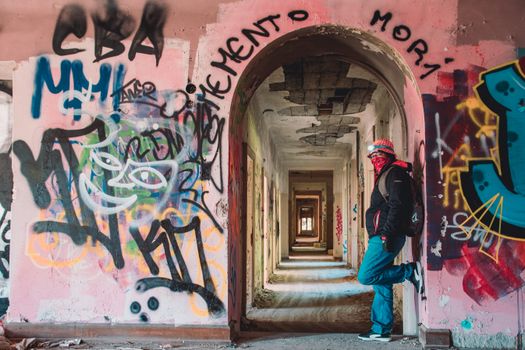
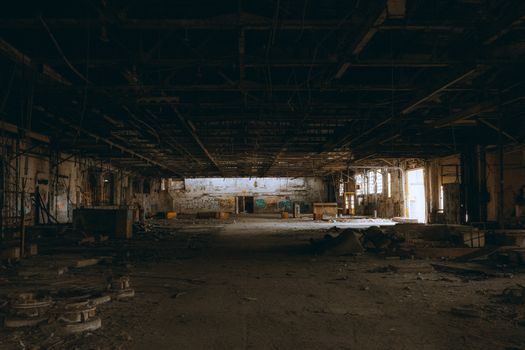
The stale, metallic tang of rust mingled with the faint, sweet scent of decaying wood. Dust motes danced in the solitary shafts of sunlight piercing the broken windows of what was once a bustling train station. I remember the goosebumps on my arms, not from the chill, but from the sheer, exhilarating silence. Peeling paint whispered stories of hurried goodbyes and joyous reunions. This wasn't a museum; it was a living, breathing relic, a forgotten monument to a bygone era, and I had it all to myself.
That moment, years ago in a small forgotten corner of Eastern Europe, ignited something within me. It sparked a passion for places teetering on the edge of oblivion – places where nature reclaims human endeavor, where history lingers in the shadows, and where the air hums with untold tales. We've all seen the pictures of Chernobyl or Pripyat, the iconic Buzludzha Monument, or even the bustling streets of Pompeii. These are fantastic, but they’ve crossed the threshold into mainstream tourism. What I'm talking about are the next wave. The places you visit now, before the gift shops pop up, before the tour buses line the gravel roads, before the magic of raw discovery is diluted by crowds and commercialization.
Welcome to the world of "pre-mainstream" abandoned attractions – destinations that are either slowly being reclaimed, respectfully repurposed, or simply exist in a state of stunning, accessible decay, waiting for intrepid travelers like us to uncover their secrets. This isn't just about ticking off a list; it's about experiencing history unfiltered, embracing the quiet beauty of ruin, and getting that unparalleled thrill of being among the first to truly see it. Ready to step off the beaten path and into the extraordinary? Let’s go.
1. The Stone Sentinels of Vathia, Mani, Greece – Where Time Stands Still
Imagine a landscape sculpted by rugged mountains, sapphire seas, and a history as fierce and untamed as its people. Welcome to the Mani Peninsula in Greece, a place where time feels like it’s forgotten to move. Tucked away in this dramatic corner of the Peloponnese lies Vathia, a ghost village unlike any other. Perched precariously on a hilltop, its distinctive stone tower houses stand like silent sentinels, stark against the brilliant Greek sky. These aren't just ruins; they are fortresses, built by the Maniot clans for centuries of inter-family feuds.
My first visit to Vathia felt like walking onto a movie set. The wind, a constant companion, whistled through the empty windows, carrying whispers of ancient conflicts. We spent hours just wandering the narrow, overgrown paths between the towers, imagining families gathering, watchmen scanning the horizon, and the clatter of daily life. Some of the towers are remarkably well-preserved, their intricate stonework still visible, while others are crumbling, slowly returning to the earth. There's a small, charming guesthouse that has been lovingly restored, offering a stark contrast to the surrounding desolation, reminding you that life, however sparse, still clings on. It’s not completely abandoned; a few residents and a couple of tavernas keep a flicker of life here, but the vast majority of the village remains a hauntingly beautiful shell.
Why it’s pre-mainstream:
While known to Greek history buffs and adventurous road-trippers, Vathia isn't on the typical tourist radar. It requires a dedicated drive through winding mountain roads, which keeps the crowds away. The lack of extensive commercialization means you can truly feel the history without distraction.
How to get there:
Fly into Kalamata (KLX) or Athens (ATH) and rent a car. From Kalamata, it's about a 2-hour drive south. From Athens, it's a scenic 4-5 hour drive. The roads are generally good but can be winding.
Cost: Free to explore the village. Guided tours might be available from local guesthouses for a small fee (e.g., €10-€20).
Tripsora Tip: Visit in the shoulder seasons (spring or autumn) for pleasant weather and even fewer people. Wear sturdy shoes as the paths are uneven. Pack water and snacks, as amenities are limited. Don’t miss the opportunity to grab a coffee or a traditional Greek meal at one of the tiny local tavernas – the hospitality is as warm as the Mani sun.
2. Sarajevo's Olympic Ghost Track – A Canvas of Resilience, Bosnia and Herzegovina
The echoes of glory and the whispers of war converge on Mount Trebević, just outside Sarajevo. Here, nestled amidst pine forests, lies the abandoned bobsled and luge track from the 1984 Winter Olympics. Once a symbol of international unity and athletic prowess, it became a brutal frontline during the Siege of Sarajevo in the 1990s, scarred by bullet holes and used as a strategic point by snipers. Today, it stands as a poignant, powerful, and utterly unique piece of living history.
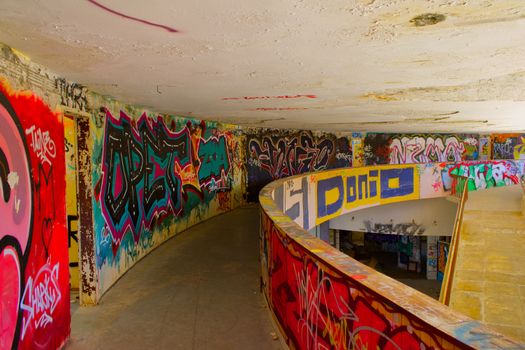
Walking the length of the concrete track is an experience unlike any other. The sleek, aerodynamic curves that once saw athletes hurtle down at breakneck speeds are now a canvas for vibrant street art and graffiti. Each colorful mural tells a story, some abstract, some political, all adding layers to the track's already rich narrative. My visit felt surreal. The air was crisp, the views of Sarajevo breathtaking, and yet, the visible damage from the war was a stark reminder of its dark past. We met a local artist adding a new piece to a wall, who shared stories of growing up in the city during the siege. It transformed the experience from mere sightseeing into a profound connection with the city’s resilience.
Why it’s pre-mainstream:
While well-known among urbex enthusiasts and locals, it’s not yet a mainstream tourist magnet like other Olympic sites. It’s still relatively raw, uncommercialized, and accessible for free exploration, offering a genuine sense of discovery.
How to get there:
The easiest way is a short taxi ride from Sarajevo city center (approx. €5-€10). You can also take the newly restored Trebević cable car (€10 return) to the top and then walk down to the track.
Cost: Free to explore.
Tripsora Tip: Wear comfortable shoes for walking on uneven surfaces. Bring a good camera – the juxtaposition of nature, Olympic history, and vibrant street art makes for incredible photos. Consider visiting with a local guide who can share personal stories of the siege and the city's recovery. Respect the site; while it’s a canvas for art, avoid adding new graffiti.
3. Craco, Italy – The Medieval Town on the Edge
Deep in the rugged, sun-baked landscape of Basilicata, Southern Italy, lies Craco, a ghost town that seems to defy gravity. Perched precariously on a steep, conical hill, this medieval village was abandoned in the mid-20th century due to a series of landslides and floods. Its crumbling stone houses, a majestic Norman tower, and an ancient church now stand empty, a hauntingly beautiful testament to a community forced to flee its ancestral home.
My journey to Craco was an adventure in itself, driving through rolling hills and dusty roads. When we finally rounded a bend and saw Craco silhouetted against the sky, it took my breath away. The silence was profound, broken only by the wind. We joined a small, guided tour – access to the actual abandoned town is restricted for safety, and rightfully so. Our guide, a passionate local, painted vivid pictures of life in Craco before its abandonment, bringing the empty streets to life. We walked through the main square, peered into deserted homes, and imagined the bustling market. It felt like stepping back in time, not just to the medieval era, but to the very moment its inhabitants left. The views from the top, encompassing the stark badlands of Basilicata, were simply unforgettable. It's no wonder filmmakers often choose Craco as a backdrop – it has an inherent drama.
Why it’s pre-mainstream:
Craco is known to cinephiles and Italian history enthusiasts, but it's far from the well-trodden tourist paths of Tuscany or Rome. Its remote location and the requirement for a guided tour keep it exclusive and protect its fragile state.
How to get there:
Fly into Bari (BRI) or Brindisi (BDS) and rent a car. Craco is about a 1.5-hour drive from Matera or a 2-hour drive from Bari. It’s essential to book a guided tour in advance to gain access to the restricted areas.
Cost: Guided tours typically cost around €10-€15 per person.
Tripsora Tip: Book your tour in advance, especially during peak season (which is still relatively quiet). Wear sturdy shoes. Photography is encouraged, but be mindful of your surroundings and respect the safety guidelines. Combine your visit with a trip to Matera, another incredible UNESCO site, to make a memorable Southern Italy itinerary.
4. Kolmanskop, Namibia – Desert's Diamond Dust Legacy
Deep in the Namib Desert, near the ghost-like town of Lüderitz, lies Kolmanskop – a former diamond mining town slowly being swallowed by the shifting sands. Established in the early 20th century after the discovery of diamonds, it was once a thriving German settlement with a casino, hospital, school, and even a bowling alley. But when richer diamond fields were found further south, Kolmanskop was abandoned in 1956, leaving its grand, European-style houses to the mercy of the desert.
Stepping into Kolmanskop is like walking into a dream. Sand dunes have crept through broken windows and doorways, filling entire rooms with rippling waves of fine, golden dust. Imagine a bathtub half-submerged in sand, or a staircase leading to nowhere but a dune. Each house offers a unique, surreal tableau. My personal highlight was exploring the manager's house, its ornate details still visible despite the encroaching desert. The sheer scale of the abandonment, combined with the relentless power of nature, is truly humbling. The silence is broken only by the wind and the crunch of sand underfoot. It’s a photographer’s paradise and a historian’s dream.
Why it’s pre-mainstream:
While relatively well-known among specialized travel circles and photographers, Kolmanskop’s remote location in Namibia keeps it from mass tourism. It requires a dedicated trip and often a 4x4 vehicle to reach, ensuring a more intimate and adventurous experience.
How to get there:
Fly into Windhoek (WDH) and take a domestic flight to Lüderitz (LUD), or embark on a multi-day road trip through Namibia. Kolmanskop is just 10km from Lüderitz. You need a permit to enter the Sperrgebiet (Forbidden Zone), which includes Kolmanskop. These are purchased at the entrance gate.
Cost: Entry permit and guided tour typically cost around N$100-N$250 (approx. €5-€15). Special photography permits for early morning/late afternoon access are available for a higher fee.
Tripsora Tip: Visit early in the morning for the best light and cooler temperatures, and to avoid the few tour buses that arrive later. Wear closed shoes to protect against sand and potential scorpions. Bring plenty of water, a hat, and sunscreen. The guided tour is highly recommended for historical context and safety.
5. The Whispering Caves of Altare, Portugal – An Echo of Industry
Beneath the sun-drenched hills of central Portugal, near the historic town of Altare, lies a hidden world that hums with a different kind of energy. This is the site of the old Altare Slate Mines, once a bustling hub of industry that shaped the region. Abandoned over 50 years ago, parts of this vast underground complex have recently been transformed into a truly unique, immersive art installation and historical experience: The Whispering Caves.
My descent into the caves was both eerie and awe-inspiring. The air grew cool and damp, and the faint scent of minerals filled my nostrils. Our small group was guided through labyrinthine tunnels, some still bearing the marks of pickaxes, others opening into vast, cathedral-like chambers. But what makes Altare truly special is the art. Subtle light projections dance on the rough-hewn walls, revealing geological patterns and historical images. Ethereal soundscapes, from the gentle drip of water to haunting, almost melodic echoes, fill the space, creating an otherworldly atmosphere. One chamber, partially flooded, reflected the light installations like a dark mirror, doubling the sense of wonder. It’s a respectful, artistic homage to the miners who toiled there, and a breathtaking natural gallery.
Why it’s pre-mainstream:
This is a relatively new initiative, focused on sustainable tourism and artistic expression. It’s not widely advertised outside of Portugal and caters to a niche audience interested in art, history, and unique underground experiences, keeping it far from the mainstream tourist circuit.
How to get there:
Fly into Lisbon (LIS) or Porto (OPO) and rent a car. Altare is about a 2-hour drive east from Lisbon. The caves are located a short drive outside the town. Guided tours are mandatory and can be booked via the local Altare tourism office website.
Cost: Guided tours typically range from €25-€40 per person, depending on the length and specific experience.
Tripsora Tip: Dress in layers, as the caves are consistently cool (around 15°C/59°F). Wear comfortable, non-slip shoes. Photography is permitted but be mindful of other visitors and the low light conditions. This experience is not suitable for those with severe claustrophobia. Combine it with exploring the charming, historic towns of central Portugal.
6. The Maunsell Forts, Thames Estuary, UK – Guardians of the Estuary
Gazing out across the vast expanse of the Thames Estuary, a surreal sight emerges from the murky waters: colossal, alien-like structures standing on stilts, defiant against the choppy waves. These are the Maunsell Forts, anti-aircraft towers built during World War II to protect the UK from air raids. Abandoned since the 1950s, these concrete giants have since become a haven for seabirds, a curiosity for passing ships, and a tantalizing challenge for intrepid adventurers.
My encounter with the Maunsell Forts was from a small, chartered boat. As we drew closer, their sheer scale became apparent. Rust-streaked and weather-beaten, they looked like something out of a sci-fi movie. We circled them slowly, the boat rocking gently, imagining the soldiers who once manned their guns, peering into the gloom. Some of the forts even famously became "micronations" or pirate radio stations in the 1960s, adding another layer of quirky history. While direct access to the forts is generally prohibited due to their dilapidated state and safety concerns, experiencing them from the water offers an unparalleled sense of awe and connection to a dramatic chapter of history. It's a truly wild, untamed piece of the past, still standing guard.
Why it’s pre-mainstream:
These are not easily accessible. You can’t just drive up to them. This inherent difficulty, requiring a boat trip, ensures they remain a niche attraction for those seeking truly unique and adventurous experiences, far from the typical tourist circuit.
How to get there:
Fly into London (various airports). From London, travel to a coastal town like Whitstable or Southend-on-Sea in Kent or Essex. Several local companies offer boat trips to view the forts. It's crucial to book in advance.
Cost: Boat trips vary widely, from £30-£100+ depending on the duration and type of vessel.
Tripsora Tip: Check weather conditions before booking – the estuary can be very choppy. Bring binoculars for a closer look and a good zoom lens for photography. Dress warmly, even on a sunny day, as it can be windy on the water. This is an experience for those who appreciate history, engineering, and a dose of maritime adventure.
Navigating the Uncharted: Essential Tips for the Aspiring Urbexer
Exploring abandoned places, especially those on the cusp of discovery, requires more than just a sense of adventure. It demands respect, responsibility, and careful planning. Here's my essential guide to ensuring your "pre-mainstream" adventures are safe, legal, and unforgettable:
- Do Your Homework (Thoroughly!): Research isn't just about finding the location; it's about understanding its history, current status (is it private property? Public access? Restricted?), and any known hazards. Local forums, historical societies, and even satellite maps are your best friends.
- Safety First, Always: These places are abandoned for a reason. Structures can be unstable, floors can collapse, and sharp objects are common.
- Gear Up: Wear sturdy, closed-toe shoes (preferably hiking boots), long pants, and long sleeves to protect against scrapes and insect bites. A headlamp or flashlight is crucial, even during the day.
- Go with a Buddy: Never explore alone. Having a companion is vital for safety, especially in remote or potentially hazardous locations.
- Tell Someone: Inform a reliable person of your plans, including your exact location and expected return time.
- First Aid Kit: Always carry a basic first aid kit.
- Respect the Site (Leave No Trace): The cardinal rule of urbex: Take nothing but photos, leave nothing but footprints.
- Don't Damage: Do not deface, vandalize, or remove anything from the site. These places are historical artifacts.
- Don't Disturb: Avoid moving objects or disturbing any existing setup. The "found art" of decay is part of the appeal.
- Pack It Out: Any trash you bring in, take out.
- Legality is Key: Trespassing is illegal and can lead to fines or arrest. Always ascertain the legal status of an abandoned site. If it’s private property, seek permission from the owner. Many of the places I’ve mentioned above have specific access rules (e.g., guided tours, permits), which is the safest and most responsible way to visit.
- Photography Ethics: Capture the beauty, but be mindful.
- Angles & Light: Experiment with different angles and natural light to emphasize texture and decay.
- Wide-Angle & Detail: Use wide-angle lenses to capture the scale, and macro lenses for intricate details.
- Patience: Wait for the perfect moment – the way the light hits a particular wall, or a bird flying through a broken window.
- Share Responsibly: When sharing on social media, consider whether revealing exact, un-monitored locations might lead to vandalism or unsafe exploration by others. Sometimes, a general location is better.
- Embrace the Unexpected: The beauty of these places lies in their unpredictability. Be open to what you find, whether it's a forgotten relic, a unique piece of street art, or simply the profound silence.
Your Next Great Discovery Awaits
The world is full of forgotten corners, places where history sleeps, waiting for a curious eye and an adventurous spirit to awaken them. The thrill of discovering an abandoned place before it becomes a mainstream attraction is unparalleled – it’s a direct connection to the past, a meditation on impermanence, and a testament to the enduring power of nature and human resilience.
These places aren’t just destinations; they’re experiences that challenge your perceptions, spark your imagination, and remind you of the rich, layered stories etched into the very fabric of our world. So, pack your bags, lace up your boots, and set your sights on the extraordinary. Go out there, explore responsibly, and uncover the next great wonder before everyone else does. Who knows what incredible lost world you'll find next? Share your own "pre-mainstream" discoveries with us on social media using #TripsoraLostWorlds – we can’t wait to see where your adventures take you!