Barcelona attracts visitors with its coastline, its Gaudí buildings, its markets and its late-evening dining culture. Because the city is heavily visited, many travelers look for places with a similar atmosphere but a different tempo. Several European cities match some part of that appeal. They differ in history, language and scale, and none is a direct copy. This guide looks at four options that are often mentioned in this context and explains what each offers, so you can decide which mix of qualities fits your trip.
Valencia: Modern Architecture and Beach Access
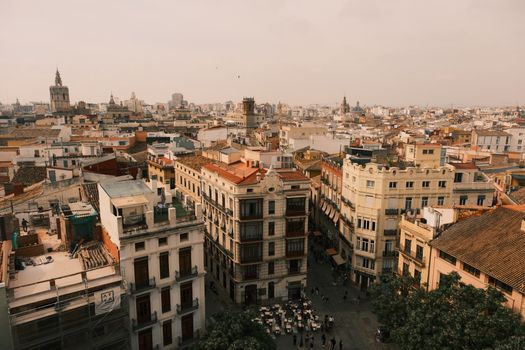
Valencia is the most frequently mentioned alternative. The city has a large old town, a river park that was created from a former riverbed, and the City of Arts and Sciences, a complex of modern buildings designed by Santiago Calatrava and others. The Ciutat Vella district contains the Central Market and the Cathedral, and the historic center is lively with bars and small restaurants. The beaches of the Malvarrosa area are reachable by tram or on foot from the center, which gives visitors a coastal experience without leaving the city.
Valencia is also known for paella, though many locals treat the dish as a specific, traditional recipe made with particular ingredients rather than a catch-all dish for tourists. Choosing a restaurant that serves a short, focused menu is often a good sign of quality, though this is only a general guideline.
Bilbao: Contemporary Architecture and Basque Cuisine
Bilbao is known to many visitors for the Guggenheim Museum, a titanium-clad building by Frank Gehry that opened in 1997 and helped reshape the city's public image. Beyond the museum, the old town, known as Casco Viejo, offers narrow streets, churches and an exceptionally strong food culture. Pintxos, small snacks served on bread, are a central part of the local custom, and bars in the old town are where many people begin their evening.
The city is well connected by a metro system and by a commuter rail network. The surrounding region has dramatic coastline, and day trips to coastal towns are common. Bilbao rewards travelers who enjoy modern architecture alongside a serious approach to regional food.
Marseille: Harbor Life and Mediterranean Light
Marseille is one of the oldest cities in France and has a port that has connected it to the wider Mediterranean for centuries. The Vieux-Port is the historic harbor, and the Le Panier neighborhood nearby has a village-like character with small squares and galleries. The MuCEM, a museum of European and Mediterranean civilizations, sits on the waterfront and includes a modern building linked to the historic Fort Saint-Jean. Coastal paths and calanques, rocky inlets with clear water, are accessible from the city by public transport or boat, though conditions and access rules can change.
Marseille has a more rough-edged reputation than Barcelona, and visitors often find it rewarding for its markets, street life and food. Like any large city, it benefits from ordinary caution with belongings in crowded areas.
Genoa: Palaces, Port Life and Historic Lanes
Genoa is less visited than the other cities on this list, which is part of its appeal for many travelers. The city's historic core contains a dense network of medieval lanes, known as the caruggi, and a series of palaces from the period when Genoese merchant families were powerful. The Strada Nuova, lined with palazzi, is a highlight for architecture lovers. The port is one of Italy's busiest, and the waterfront has been redeveloped with modern public spaces, including an aquarium designed for visitors.
Genoa's cuisine emphasizes pesto, focaccia and seafood, and its food shops and small trattorias offer an authentic everyday experience. Some streets in the old town are narrow and steep, so comfortable footwear is useful.
Practical tips
Consider what made you choose Barcelona in the first place. If you want beaches and a large modern city, Valencia may suit you. If architecture and food are the priority, Bilbao offers both. Marseille suits those who like port life and coastal walks, while Genoa is best for travelers who enjoy historic streets and a quieter pace. Check current train and ferry schedules, since connections between cities are not always direct. Note that local meal times in Spain and Italy often start later than in other countries, so plan reservations or early dinners with that in mind. Verify museum opening days and any timed-entry requirements in advance.
Common mistakes to avoid
A common mistake is assuming that every city with a coastline or modernist buildings has a similar rhythm. Each has its own pace, transport network and nightlife, and comparing them too closely to Barcelona can set unrealistic expectations. Some travelers plan too many day trips from a single base, which can make the visit feel rushed. Others forget that several of these cities are hilly, so steep streets can be tiring with heavy luggage. Language is another consideration, since English may be less widely spoken in some neighborhoods, and a few phrases in the local language can help. Visitors sometimes book central hotels without checking noise levels or late-night activity, which matters in lively districts. Finally, expecting every museum or shop to open on the same days can lead to missed visits. Checking each city on its own terms makes a better comparison.
Who this suits and who it doesn't
Valencia may suit travelers who want a large city with easy access to beaches and a relaxed approach to daily life. Bilbao often appeals to people who enjoy contemporary architecture and a strong food scene in a compact city. Marseille tends to suit visitors who like lively street life, markets and coastal walks, along with an informal atmosphere. Genoa may be a good fit for those who enjoy exploring dense historic lanes at a slower pace. These cities may be less suitable for travelers who want a polished, tourist-oriented setting at all times, or who find steep streets and crowded markets difficult. Visitors with limited mobility should check step-free routes, lifts and the terrain of older quarters before booking.
Frequently asked questions
Is one of these cities better value than Barcelona?
Prices vary by season, neighborhood and type of stay, so compare current options for your dates rather than assuming savings.
Do you need to speak the local language?
English is used in many tourist settings, but basic greetings and menu terms make everyday exchanges smoother and more friendly.
Can you visit several of these cities in one trip?
Yes, though some pairs are connected by train and others are not. Journey times vary, so allow buffer days.
Barcelona is a distinctive city, and no alternative can fully replicate it. The cities discussed here each provide a version of the Mediterranean city experience, with their own history, architecture and food. Choosing among them depends mainly on the kind of trip you want, and a short comparison of priorities usually makes the decision clearer.