Beyond the Guidebook: How Local Night Markets Changed My Life Forever
There’s a smell that, to me, defines travel. It’s not the sterile scent of an airplane cabin, nor the salty tang of a distant ocean. It’s the intoxicating, chaotic symphony of a bustling night market – a potent blend of sizzling garlic, sweet char, exotic spices, and the faint, underlying aroma of human energy. For years, I chased those smells, convinced I was experiencing the "real" local food scene. I’d dutifully visit the famous night markets, snap my photos, and enjoy the admittedly delicious food.
But something was missing.
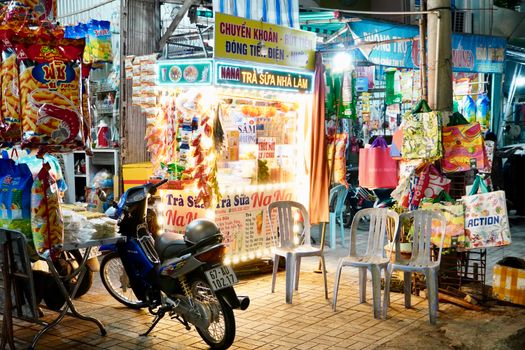
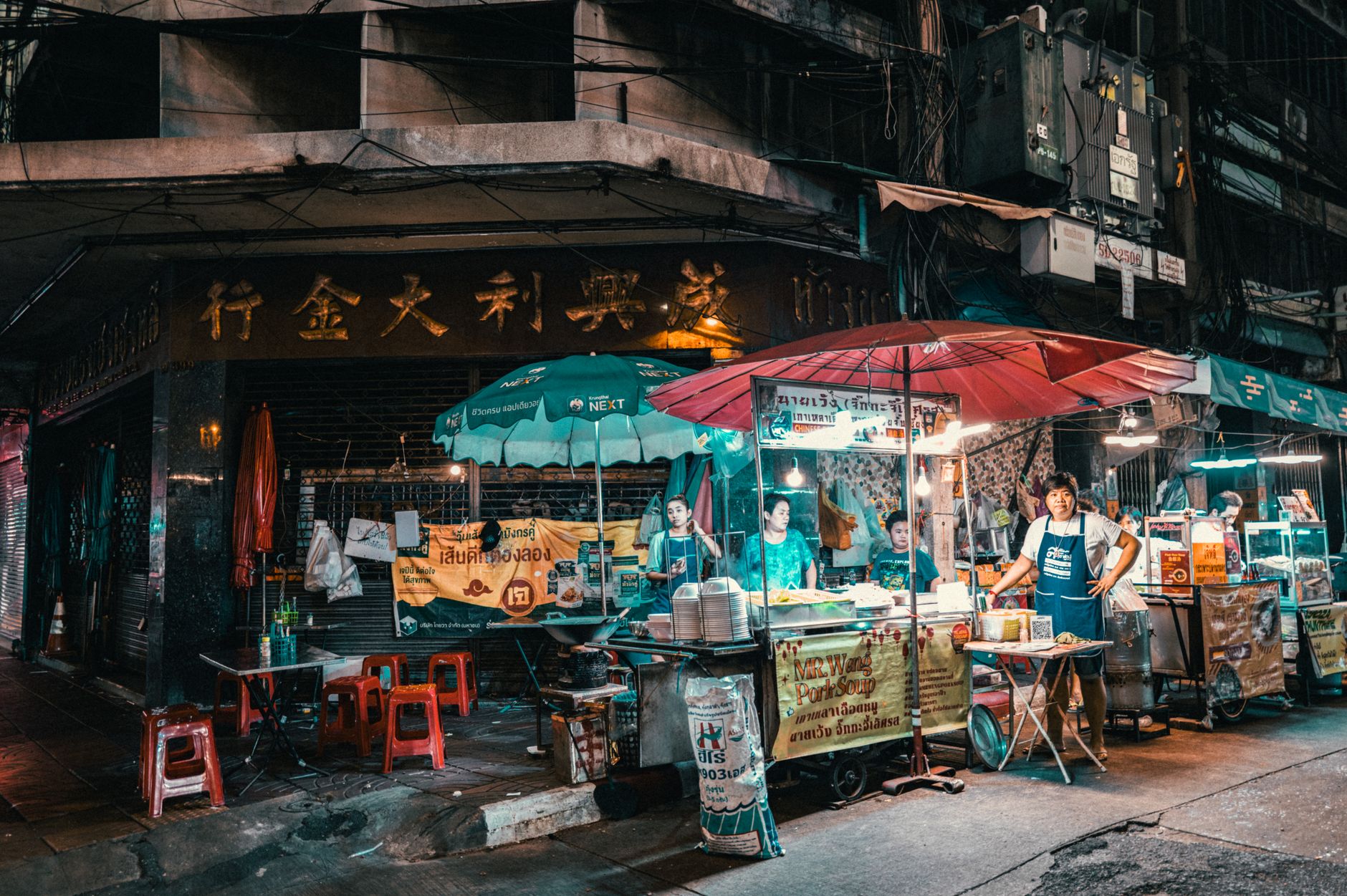
It felt… curated. A little too polished. A little too many English menus and tourist prices. My epiphany came on a rainy Tuesday night in Bangkok, not at the famed Chatuchak or Rot Fai, but in a small, nameless alleyway market near my guesthouse. I’d gotten hopelessly lost trying to find a laundry service, and instead stumbled into a vibrant, noisy symphony of plastic stools, steaming noodle carts, and a sea of Thai faces happily slurping, chatting, and laughing. There were no neon signs for tourists, no souvenir stalls. Just food. Glorious, unadulterated, local food.
That night, biting into a perfectly grilled pork skewer (Moo Ping) that cost me less than a dollar, watching a grandmother deftly flip Roti, and feeling the genuine warmth of the community around me, I realized I’d been doing it all wrong. This wasn't just a meal; it was an immersion. It was a connection. It was life-changing.
Since then, finding night markets where locals actually eat has become my travel obsession. It’s more than just satisfying a craving; it’s about peeling back the layers of a culture, understanding its rhythm, and tasting its soul. And trust me, once you go local, you’ll never go back.
The Transformative Power of the Unseen Market
What makes these local-only markets so profoundly different? It's the authenticity. Tourist markets, while fun, often cater to a generalized palate, sometimes sacrificing traditional methods for efficiency or souvenir sales. Local markets, however, are fiercely protective of their heritage. They are living museums of culinary tradition, passed down through generations.
The energy is palpable. You're not just a customer; you're an observer, a participant in a nightly ritual. The vendors, often families, take immense pride in their craft. They’re not just selling food; they’re sharing a piece of their identity. The chatter isn't just noise; it’s the heartbeat of the community – friends meeting after work, families sharing a meal, teenagers gossiping.
For me, these markets stripped away my preconceived notions of travel. They taught me patience, challenged my palate, and forced me to step outside my comfort zone. They showed me that the most profound travel experiences often happen in the most unassuming places, fueled by the simplest, most delicious ingredients.
My Top 3 Life-Changing Night Markets (Where Locals Reign Supreme)
While I've explored countless incredible local markets, a few stand out as truly transformative. These are the places where I felt the deepest connection, ate the most unforgettable food, and learned the most about the local culture.
1. Kad Luang (Warorot Market) & Ton Lamyai Market, Chiang Mai, Thailand
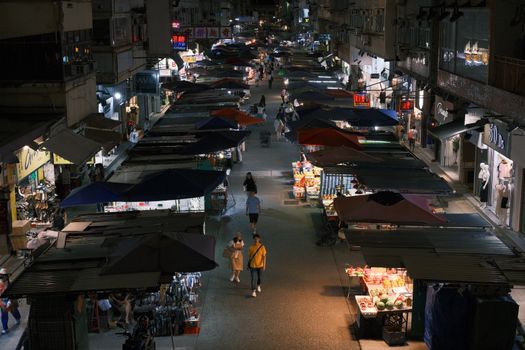
Forget the overly touristy Sunday Walking Street. For an authentic taste of Northern Thailand, head to Kad Luang (Warorot Market) and its adjacent Ton Lamyai Market. While active during the day, as dusk falls, the food stalls truly come alive, especially around the Ton Lamyai side, spilling out onto the streets. This isn't just a night market; it's a centuries-old hub for local produce, spices, and incredible ready-to-eat street food.
- Why it's special: This is where Chiang Mai locals go for their daily meals, groceries, and specialty Northern Thai snacks. The focus is squarely on food, not souvenirs. You’ll find dishes unique to the Lanna region that are harder to spot elsewhere. The atmosphere is less about flashy lights and more about genuine community bustle.
- Must-try foods:
- Sai Oua (Northern Thai Sausage): Fragrant, spicy, and packed with herbs like lemongrass and kaffir lime. You can buy it by the piece or by weight. I once spent 70 THB (about $2) on a large chunk and ate it for days.
- Khao Soi: While you can find it everywhere, some of the small, unassuming stalls or nearby eateries connected to the market serve incredibly authentic versions. Look for the rich, creamy coconut curry broth and perfectly cooked noodles. Expect to pay around 50-70 THB ($1.50-$2).
- Gaeng Hung Lay (Burmese Pork Belly Curry): A sweet, savory, and slightly tangy curry, reflecting the region's historical ties to Burma.
- Sticky Rice & Mango: A classic, but here it’s often made with exceptionally fresh, locally grown mangoes.
- The Experience: Navigating the narrow aisles, the air thick with the scent of grilling meats and fragrant spices, watching vendors expertly chop herbs or fry up crispy snacks. You'll likely sit on tiny plastic stools, rubbing elbows with local families, feeling completely immersed in the daily rhythm of Chiang Mai life. It’s noisy, vibrant, and utterly captivating. Don't be shy; point at what looks good, smile, and enjoy the adventure.
2. Macalister Lane Hawker Centre, George Town, Penang, Malaysia
Penang is often hailed as the food capital of Malaysia, and for good reason. Its unique blend of Malay, Chinese, and Indian cultures has created a culinary melting pot unlike any other. While there are several famous hawker centers, Macalister Lane Hawker Centre (or similar local hawker streets like New Lane or Kimberley Street) offers a fantastic, authentic experience where locals genuinely flock. These aren't just markets; they're open-air food courts where independent stalls compete for your taste buds.
- Why it's special: George Town is a UNESCO World Heritage site, and its food scene is an integral part of its charm. Hawker centers are the heart of Malaysian dining – affordable, diverse, and incredibly delicious. Macalister Lane, while known, still attracts a significant local crowd, especially on weekdays, ensuring the quality and authenticity remain high.
- Must-try foods:
- Char Kway Teow: Flat rice noodles stir-fried with shrimp, cockles, bean sprouts, chives, and often lap cheong (Chinese sausage) in a fiery wok. Look for the "wok hei" (breath of the wok) flavor. A plate typically costs 6-10 MYR ($1.50-$2.50).
- Assam Laksa: A sour, spicy, and fish-based noodle soup, distinct from coconut-based curries. It’s a flavor explosion of tamarind, mackerel, pineapple, and mint. Expect to pay 5-8 MYR ($1.20-$2).
- Hokkien Mee (Penang Style): A rich, flavorful prawn broth noodle soup, often served with slices of pork, prawns, and a dollop of chili paste.
- Ais Kacang (ABC): A refreshing shaved ice dessert piled high with red beans, sweet corn, grass jelly, and drizzled with colorful syrups and condensed milk. Perfect for cooling down!
- The Experience: Find a table (often shared), note its number, then wander around the myriad stalls. Order directly from the hawkers, giving them your table number, and they'll bring the food to you. Pay when the food arrives. The air is thick with the aroma of spices and frying, and the clatter of woks provides a constant soundtrack. It's organized chaos, a true symphony of flavors and sounds that will invigorate your senses.
3. Ningxia Night Market, Taipei, Taiwan
Taipei is a street food paradise, and while Shilin Night Market gets all the tourist glory, Ningxia Night Market is often touted by locals as the go-to spot for traditional Taiwanese snacks and a more authentic, less overwhelming experience. It’s a compact, circular market that’s purely food-focused, making it a dream for any foodie.
- Why it's special: Ningxia is renowned for its delicious traditional Taiwanese snacks and its commitment to quality. It's impeccably clean, well-organized, and less about shopping, more about serious eating. Many stalls have been around for decades, perfecting their craft.
- Must-try foods:
- Oyster Omelette (蚵仔煎, Orh-Ah-Jian): A Taiwanese classic – plump oysters, eggs, and leafy greens cooked together with a starchy sauce, often served with a sweet and savory red sauce. So satisfying! Around 80-120 TWD ($2.50-$4).
- Braised Pork Rice (滷肉飯, Lu Rou Fan): A humble yet incredibly comforting dish of finely chopped, slow-braised pork belly served over white rice. A true Taiwanese staple. Often just 30-60 TWD ($1-$2).
- Taro Ball & Taro Cake: Taiwan has an obsession with taro, and Ningxia has some of the best fried taro balls (often with a salted egg yolk center) and savory taro cakes.
- Mochi (麻糬): Freshly made mochi, often rolled in peanut or sesame powder, or filled with sweet fillings. A delightful dessert.
- Stinky Tofu (臭豆腐): If you're brave enough, this fermented tofu dish is a Taiwanese icon. The smell is… unique, but the taste (often deep-fried and served with pickled cabbage) is surprisingly delicious.
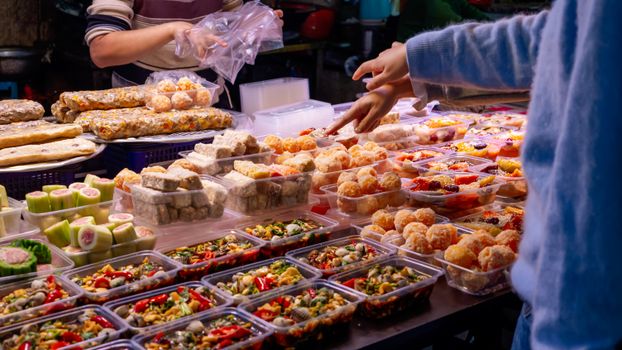
- The Experience: Ningxia is a foodie's delight. The stalls are often clearly labeled, and many have English menus or pictures. You'll see locals patiently queuing for their favorite vendors – a sure sign of quality. Grab a seat at one of the communal tables or eat standing up, soaking in the vibrant atmosphere. The market often features games and small entertainment alongside the food, adding to the lively ambiance.
How to Find the Real Local Gems (Practical Tips for the Aspiring Foodie Adventurer)
Now that I’ve hopefully whet your appetite, here’s how you can replicate these life-changing experiences on your next trip:
- Ask Locals (the Right Ones): Don't ask your hotel concierge where tourists go. Ask where they go. Engage taxi drivers, shop owners, or even friendly strangers at a coffee shop. "Where do you eat street food with your family?" is a great opener.
- Look for the Queues of Locals: This is the golden rule. If there's a long line of locals, especially during peak dinner hours (7-9 PM), you've found a winner. They know best.
- Venture Slightly Off the Main Tourist Drag: The best markets are often a few blocks away from the main tourist attractions. Use Google Maps and look for clusters of food stalls in residential areas.
- Go on Weekdays: Weekend markets can attract more tourists. Weekdays often mean more locals and a more relaxed, authentic vibe.
- Trust Your Nose and Eyes: If a place smells amazing, looks clean (by local standards – remember, street food isn't sterile, but it shouldn't be visibly dirty), and has fresh ingredients being cooked, it's usually a good bet.
- Use Local Language Apps/Reviews: Google Maps reviews in the local language can often reveal hidden gems that English reviews might miss. Look for terms like "local favorite" or "traditional taste."
Navigating the Culinary Labyrinth (Actionable Advice for a Smooth Street Food Experience)
Once you've found your local market, here's how to make the most of it:
- Cash is King: Always carry small denominations of local currency. Many stalls don't accept cards.
- Hygiene Habits: While generally safe, it's wise to carry hand sanitizer. Look for stalls that are busy (high turnover of food means freshness), cook food to order, and have clean cooking surfaces. Bottled water is always a good idea.
- Ordering Etiquette: Pointing is perfectly acceptable! Learn a few basic phrases like "Hello," "Thank you," "Delicious," and "How much?" Google Translate with its camera function is your best friend.
- Dietary Restrictions: This can be challenging. If you have severe allergies, it's best to carry a translated card explaining your needs. Otherwise, be prepared to be flexible.
- Embrace the Unknown: Don't be afraid to try something that looks unfamiliar. That's where the magic happens! Ask what it is (if you can) or just take a leap of faith.
- Go with an Empty Stomach & an Open Mind: You'll want to try a little bit from many different stalls. Pace yourself and share dishes with travel companions if possible.
- Safety First: Keep an eye on your belongings in crowded areas. While generally safe, petty theft can occur anywhere.
Beyond the Plate: Cultural Immersion and Connection
The beauty of these local night markets extends far beyond the food itself. They are vibrant social hubs, echoing with the laughter of families, the banter of friends, and the quiet rhythm of daily life.
I remember one evening in George Town, sharing a table with an elderly Malaysian couple. Despite the language barrier, we communicated through smiles and gestures, sharing bites of our respective dishes. They offered me a piece of their Rojak (fruit salad with a spicy peanut sauce), and I, in turn, offered them some of my Char Kway Teow. In that simple exchange, I felt a connection that transcended words – a shared human experience centered around the universal language of food.
These moments are the true treasures of travel. They remind us that despite our differences, we all seek connection, comfort, and the simple joy of a good meal shared.
Your Next Bite, Your Next Adventure
Stepping into a local night market is an act of courage, an embrace of the unknown, and an open invitation to truly connect with a culture. It’s where I've found some of my most profound travel experiences, not just because of the incredible flavors, but because of the genuine human connections forged over a bowl of noodles or a skewer of grilled meat.
So, on your next adventure, dare to ditch the guidebook for a night. Ask a local, follow your nose, and dive headfirst into the chaotic, delicious, and utterly life-changing world of authentic night markets. You might just find that your perspective on travel, and perhaps even life, changes forever, one unforgettable bite at a time.
Now tell me, fellow food adventurers: What's your favorite local night market experience that changed your life? Share your stories and recommendations in the comments below! Let's inspire each other to find more hidden culinary gems!
---