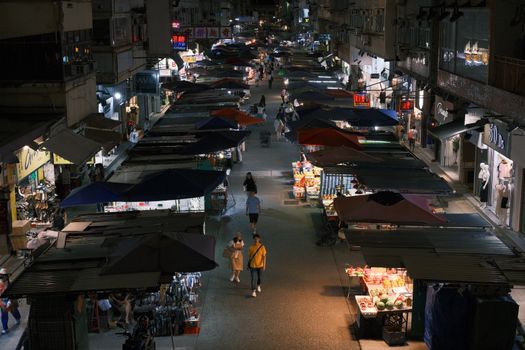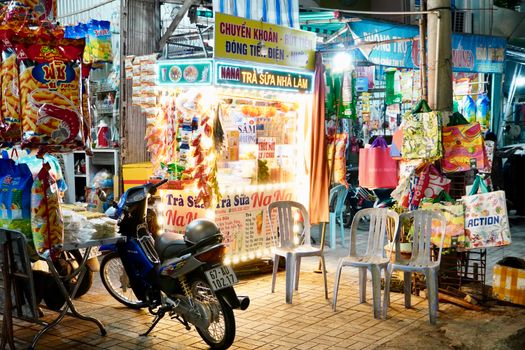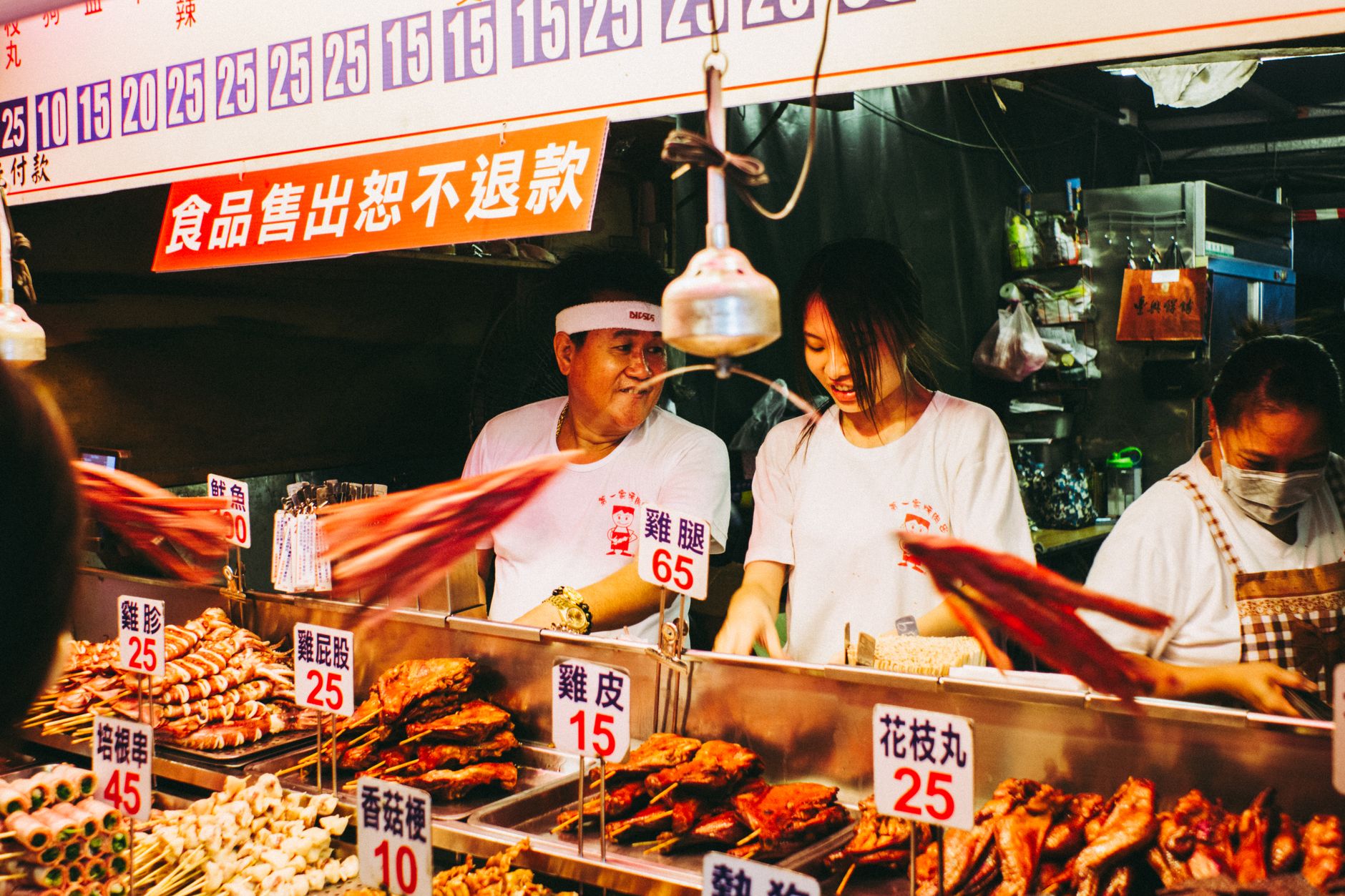
The aroma hit me first – a complex symphony of sizzling garlic, sweet char, pungent spices, and something vaguely floral, all mingling with the humid night air. It was a stark contrast to the disappointment of the "famous" night market I’d visited the night before, a place bustling with selfie sticks and overpriced trinkets, where the food felt… sanitized. That night, I was lost down a dimly lit alley in Chiang Mai, guided only by a local friend’s vague directions and the promise of "real food." And there it was: a humble collection of makeshift stalls, plastic chairs spilling onto the pavement, and a cacophony of local chatter. No English menus, no flashing neon, just pure, unadulterated culinary magic. That’s when I truly understood: the best night markets aren't found in guidebooks; they're discovered.
For years, my mission has been to unearth these culinary sanctuaries – places where the food is an extension of the local soul, where grandmothers still pass down recipes, and where the only "influencers" are the aunties serving up generations of flavor. These are the night markets where locals actually eat, long before the tour buses arrive, before the English menus appear, and certainly before they become Instagram-famous. And today, I’m sharing a glimpse into that world, along with your blueprint for finding your own.
The Quest for Authenticity: Why Go Local?
Let’s be honest, the "mainstream" night market scene can be… a bit much. Often, they’re designed for tourists, not by locals. The prices are inflated, the food sometimes lacks that authentic punch, and the genuine cultural exchange is replaced by transactional efficiency. But step into a true local market, and you enter a different dimension.
Here, the energy is palpable. Families gather after a long day, friends laugh over steaming bowls, and vendors passionately hawk their wares. You’re not just eating a meal; you’re participating in a daily ritual. The food is fresher, often cooked right in front of you with time-honored techniques. The flavors are bolder, uncompromised by attempts to cater to a global palate. And the prices? Oh, the glorious prices! You can feast like royalty for the cost of a mediocre appetizer back home. Beyond the plate, it’s a chance to connect, to observe, to truly feel the pulse of a city. It’s an adventure for your senses and a feast for your soul.
Ready to dive in? Here are a few of my favorite (and still relatively undiscovered) haunts, along with a guide to finding your own.
Kuala Lumpur's Hidden Gem: Pasar Malam Melati
Kuala Lumpur is a city of incredible food, but most tourists stick to Jalan Alor. Venture a little further, and you’ll find pockets of authentic deliciousness. One such spot is Pasar Malam Melati, a bustling night market in the Taman Melati neighborhood, a bit outside the city center. It’s a weekly affair, usually on a Saturday or Sunday evening, and truly comes alive after sunset.
The moment you step in, you're enveloped in a symphony of Malay, Chinese, and Indian flavors. The air is thick with the scent of roti canai sizzling on a griddle, the sweet char of satay skewers, and the rich aroma of nasi lemak sambal. My personal ritual here involves a pilgrimage to a nondescript stall run by an elderly Malay couple. They serve the most incredible Apam Balik (Malaysian peanut pancake) I've ever tasted – thin, crispy edges, a fluffy center, and a generous sprinkle of crushed peanuts, sweet corn, and sugar. It’s usually about RM 3-5 (less than $1.50 USD). I pair this with a plastic bag of freshly squeezed sugarcane juice (RM 4).
Don't miss the curry mee stall further down, where the noodles are bathed in a rich, spicy coconut broth, topped with succulent chicken, tofu puffs, and a dollop of chili paste. Expect to pay around RM 8-12 ($2-3 USD) for a generous bowl. Another must-try is the Ramly Burger, a Malaysian street food icon. Look for the stalls with the most frantic activity; they're usually the best. A classic Ramly Burger Special (with egg) will set you back about RM 6-8.
The beauty of Pasar Malam Melati is its sheer localness. You’ll see families shopping for groceries, kids darting between stalls, and friends catching up over plates of hawker fare. It's vibrant, a little chaotic, and utterly charming. Just remember to bring cash, as cards are rarely accepted.
Medellín's Midnight Munchies: La Esquina del Sabor
When most people think of Medellín, they picture the trendy El Poblado. But for a true taste of local life after dark, you need to head to neighborhoods like Laureles or Envigado, and specifically to a spot I affectionately call "La Esquina del Sabor" (The Flavor Corner) near the Estadio metro station. It’s not a formal market, but a vibrant cluster of street food vendors that materializes every evening, especially on weekends, drawing hungry Paisas (Medellín locals) until the wee hours.
The energy here is infectious, fueled by lively vallenato music drifting from nearby bars and the chatter of friends. The specialty here is undoubtedly arepas. Forget the bland, pre-made versions; these are handmade, grilled to perfection, and stuffed with an incredible array of fillings. My go-to is the Arepa de Choclo con Quesito (sweet corn arepa with fresh cheese) – a perfect blend of sweet and savory, often served with a dollop of butter. It’s pure comfort, and costs about COP 6,000-8,000 ($1.50-2 USD).
But the real star for me is the chorizo. Look for the stall with the longest line, usually where a charismatic vendor is grilling thick, juicy Colombian chorizo sausages over charcoal. They’re often served with a small arepa and a squeeze of lime. It’s smoky, savory, and utterly addictive. A generous portion costs around COP 10,000-12,000 ($2.50-3 USD). Don’t forget to try a salchipapa (fries with sliced hot dogs and sauces) if you're feeling adventurous, or a fresh fruit juice like maracuyá (passion fruit) or lulo.
This spot is less about browsing and more about grabbing a delicious, no-fuss meal. It's a place where you stand, chat, eat, and soak in the authentic Medellín vibe. The vendors are friendly, even if your Spanish isn't perfect, and a smile goes a long way.
Bangkok's Backstreet Bites: Khao San Road's Secret Alley
Bangkok is synonymous with street food, and while places like Chatuchak or Ratchada Rot Fai are popular, finding truly local, undiscovered gems requires a bit more effort. Ironically, one of my favorite "secret" spots is just steps away from the notorious backpacker hub of Khao San Road. Tucked away in a barely marked alleyway off Trok Mayom, behind some old shophouses, is a small collection of stalls that locals frequent after the main markets close. I call it "Khao San Road's Secret Alley" because it's so close yet so far removed from the tourist circus.
This isn't a sprawling market; it's more like a culinary speakeasy. The stalls are humble, often just a single cart and a few plastic stools. The magic happens after 8 PM, when the air cools slightly, and the area fills with the scent of fried chicken, rich curries, and sticky rice.
My absolute favorite here is the Gai Tod (Thai fried chicken). One particular stall has a recipe that’s out of this world – incredibly crispy skin, juicy tender meat, marinated in a secret blend of spices. It’s served with sticky rice and a sweet chili dipping sauce. For 50-70 THB ($1.50-2 USD), you get a substantial, soul-satisfying meal. I usually grab a few pieces and find a spot on a low stool, watching the local life unfold.
Another standout is the Pad See Ew (stir-fried wide rice noodles) from a tiny cart run by an elderly woman. Her wok skills are legendary, creating that perfect smoky "wok hei" flavor. The noodles are tender, the Chinese broccoli perfectly crisp-tender, and the sauce is a harmonious balance of sweet and savory. A plate will cost you around 60-80 THB. Wash it all down with a local Thai iced tea (Cha Yen) for 30 THB.
This alley is a testament to Bangkok’s endless culinary surprises. It’s quiet enough to enjoy a conversation, but lively enough to feel like you’re truly in the heart of the city. It's a haven of authentic flavors, a stone's throw from the madness, yet completely untouched by it.
Guadalajara's Late-Night Delights: Mercado de San Juan de Dios (Night Section)
Guadalajara, Mexico, is a city renowned for its rich culinary heritage. While the sprawling Mercado de San Juan de Dios is famous during the day for everything from crafts to electronics, a lesser-known transformation occurs in a specific section of its perimeter as night falls. The main market closes, but along Calle Javier Mina and some side streets, a vibrant, late-night street food scene emerges, catering to locals heading home or out for an evening stroll.
This isn't a traditional "night market" with stalls setting up from scratch. Instead, it's the market's enduring spirit manifesting in a new form. The air, once filled with the scent of leather and spices, now carries the irresistible aroma of grilling meats and simmering broths.
The undisputed champion here is the Carne en Su Jugo. While you can find it in restaurants, the street-side versions here are often the most authentic. Look for the biggest crowds gathered around a large pot, usually with a sign displaying "Carne en Su Jugo." It’s a rich, flavorful beef broth with finely diced beef, bacon, beans, and often served with a side of onions, cilantro, and tortillas. A hearty bowl usually costs around MXN 80-120 ($4-6 USD). It’s the perfect late-night comfort food.
Another must-try is the Tacos al Pastor. While ubiquitous in Mexico, finding truly exceptional al pastor at night requires a keen eye. Look for the vertical spit (trompo) of marinated pork slowly rotating, with the vendor expertly slicing off tender, crispy bits directly onto a tortilla, topped with pineapple. A few tacos will set you back about MXN 15-20 each. Don't forget to load up on the various salsas – from mild verde to fiery habanero.
This section of San Juan de Dios after dark offers a glimpse into Guadalajara's nocturnal rhythm. It's a place where the day's hustle gives way to a more relaxed, food-focused energy. It's safe, bustling, and an incredible way to experience the city's culinary heart after hours.
Your Blueprint for Discovery: How to Find Your Own Unsung Markets
Okay, I’ve shared some of my secrets. Now, it’s your turn to become a culinary detective. Finding these pre-mainstream markets requires a bit of effort, a dash of courage, and a whole lot of observation.
- Ask the Right People (and the Right Questions): Don't ask your hotel concierge for "the best night market" – they'll send you to the tourist trap. Instead, ask taxi drivers, local shop owners (especially smaller, independent ones), street vendors during the day, or even your Airbnb host. Phrase your question like: "Where do you go to eat with your family at night?" or "Where's the best local street food that isn't for tourists?"
- Observe and Follow the Locals: This is key. During the day, pay attention to areas that look promising. Are there small, local restaurants? Are there signs of street food vendors packing up? At night, follow the crowds of locals, especially families. If you see a long line of locals at a particular stall, that’s your cue.
- Venture Beyond the Tourist Hubs: As a rule of thumb, the further you get from the main tourist attractions, the more authentic (and cheaper) the food will be. Hop on local transport (buses, metro, Grab/Uber) and head to residential neighborhoods.
- Leverage Google Maps (with a Twist): Search for "night market" or "street food" on Google Maps, but then zoom in on areas that seem less central or less populated by hotels. Look for places with few English reviews, or reviews primarily in the local language. Even better, look for local blogs or food forums in the native language (use Google Translate!).
- Timing is Everything: Many truly local night markets are weekly or specific-day events (like Pasar Malam Melati). Ask locals about the specific days and times. Some street food clusters only come alive after 9 PM.
- Learn a Few Local Phrases: "Hello," "Thank you," "How much?" and "Delicious!" (e.g., Aroy mak in Thai, Sedap in Malay, Delicioso in Spanish) go a long way in breaking the ice and showing respect.
Navigate Like a Native: Essential Night Market Survival Tips
Once you've found your hidden gem, here's how to make the most of the experience:
- Cash is King: Always carry small denominations of local currency. Many stalls won't accept cards, and breaking a large bill for a small purchase can be a hassle.
- Hygiene Check (Your Way): While street food often has a reputation, most local stalls are incredibly hygienic because they rely on repeat local business. Look for stalls with fresh ingredients, food cooked to order, and busy vendors (high turnover means fresh food). Trust your gut. If a place looks questionable, move on.
- Embrace the Chaos: Night markets are often loud, crowded, and a bit messy. This is part of their charm! Don't expect white tablecloths or quiet dining.
- Eat with Your Eyes (and Nose): Wander around first. See what looks good, what smells amazing, and what the locals are flocking to. Don't commit to the first thing you see.
- Portion Control & Sharing: Try a little bit from many different stalls. Order one dish, share it if you're with someone, and then move on to the next culinary adventure. This is how you taste the most variety.
- Stay Hydrated: Grab a local drink – fresh fruit juice, iced tea, or even a local beer (if available).
- Be Patient and Polite: There might be lines, communication might be tricky, and things might move at a different pace. A smile and a patient attitude go a long way.
- Safety First: While generally safe, be mindful of your belongings in crowded areas. Keep your wallet secure and your phone tucked away unless actively using it.
- Capture the Moment (Respectfully): These markets are incredibly Instagram-worthy, but remember you’re in someone’s workplace and community. Ask permission before taking close-up photos of vendors, and be discreet. A quick snap of your food or the general atmosphere is usually fine.
- Go with an Open Mind (and Stomach): Be adventurous! Try things you’ve never seen before. Some of the best discoveries are made by stepping outside your comfort zone.
The thrill of finding a truly authentic, pre-mainstream night market is unparalleled. It's about more than just food; it's about connecting with a culture, tasting history, and creating memories that no guidebook can offer. These are the places that remind you why you travel – to experience the world, one delicious, undiscovered bite at a time.
So, ditch the tourist traps, lace up your comfortable shoes, and embark on your own culinary adventure. The world's most incredible flavors are waiting, just around the corner, in a bustling alley, or down a dimly lit street, before they become mainstream.
What's the most authentic local food experience you've ever had? Share your hidden gems in the comments below! And don't forget to tag #TripsoraEats and #LocalNightMarkets on your next food adventure!
---