Ditch the Crowds: 6 Undiscovered Food Festivals Worth Planning a Trip Around (Before They Become Mainstream!)
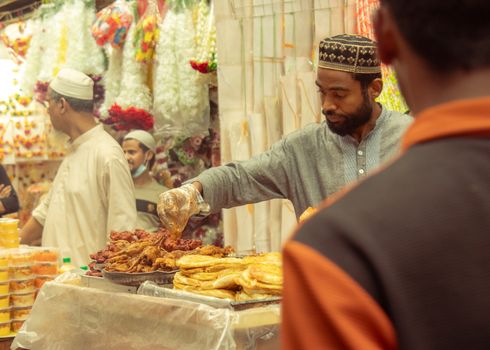
There’s a certain magic to stumbling upon a local celebration, isn’t there? A vibrant street market, a community feast, the air thick with unfamiliar, tantalizing aromas. I remember years ago, trekking through a remote village in Rajasthan, India, and inadvertently walking into a local harvest festival. There were no tourists, just smiling faces, traditional music, and plates piled high with the most incredible, spiced vegetarian dishes I've ever tasted. It wasn't on any "top festivals" list; it was just... authentic.
That’s the kind of experience I live for, and frankly, what I believe true food travel should be about. While the big-name food festivals like Taste of Chicago or Oktoberfest have their appeal, they often come with astronomical prices, sardine-can crowds, and a distinct lack of genuine local flavor. They've gone mainstream, losing a bit of their soul in the process.
But fear not, fellow food adventurers! The world is still brimming with incredible, under-the-radar food festivals that offer a genuine taste of culture, community, and culinary innovation. These are the places where grandmothers still share ancient recipes, local farmers showcase their pride and joy, and the atmosphere buzzes with genuine passion, not just marketing hype.
I’ve spent countless hours (and more than a few adventurous detours) digging deep to bring you six phenomenal food festivals that are absolutely worth planning a trip around – before the Instagram hordes and corporate sponsors descend. Get ready to add these to your bucket list, because once the secret's out, these gems won't stay hidden for long!
1. The Wild Mushroom & Foraging Feast – Jura Mountains, France
Why it’s special:
Forget truffle hunting; this is about the humble, yet exquisite, wild mushroom. Nestled deep within the picturesque Jura Mountains, a region celebrated for its Comté cheese and Vin Jaune, this annual festival is a true ode to the forest's bounty. It’s not just about eating; it’s about learning, hunting, and celebrating the delicate art of foraging.
My Experience (or what it feels like):
I first heard about this through a local cheesemonger in Arbois, who, with a twinkle in his eye, whispered about a "fête des champignons sauvages" in a nearby village. Intrigued, I rearranged my itinerary and found myself amidst a small gathering of enthusiastic locals, armed with wicker baskets and small knives. We spent a glorious crisp autumn morning with a mycologist, learning to identify chanterelles, ceps (porcini), and trompettes de la mort (black trumpet mushrooms) in the damp, mossy undergrowth.
The real magic happened back in the village square. Local chefs, home cooks, and even Michelin-starred talents from nearby regions set up stalls, transforming our foraged treasures (and plenty more brought in by local gatherers) into an array of dishes: creamy cep risotto, delicate chanterelle tarts, mushroom pâtés, and even a surprising mushroom ice cream (don't knock it till you try it!). The air was thick with the earthy scent of fungi, garlic, and frying butter. Paired with local Jura wines – especially the oxidative Vin Jaune – it was a symphony of forest flavors. It felt less like a festival and more like a massive, delicious family reunion.
Practical Tips:
* When to go: Typically late September to early October, coinciding with peak mushroom season.
* Location: Various villages in the Jura Mountains (e.g., Arbois, Poligny, Champagnole). Check local tourism boards for specific dates and locations each year.
* Getting there: Fly into Geneva (GVA) or Lyon (LYS), then rent a car. Public transport is limited in the Jura.
* Accommodation: Charming gîtes (holiday homes) or small family-run hotels. Book well in advance, as these villages are small.
* Cost: Entry is often free or a small fee. Dishes range from €5-€15. Foraging tours might be an additional cost (€30-€60).
* Instagram Moment: A basket overflowing with freshly picked wild mushrooms, or a close-up of a perfectly cooked cep dish with a glass of Vin Jaune.
2. The Oaxaca Heritage Corn & Mole Festival – Oaxaca, Mexico
Why it’s special:
Oaxaca is already a UNESCO World Heritage site and a culinary powerhouse, but this festival dives deep into the very soul of Mexican cuisine: corn and mole. It’s a celebration of indigenous agriculture, ancient cooking techniques, and the incredible biodiversity of heirloom corn varieties that are the foundation of Mexican food. This isn't just about tacos; it's about the sacred grain itself.
My Experience (or what it feels like):
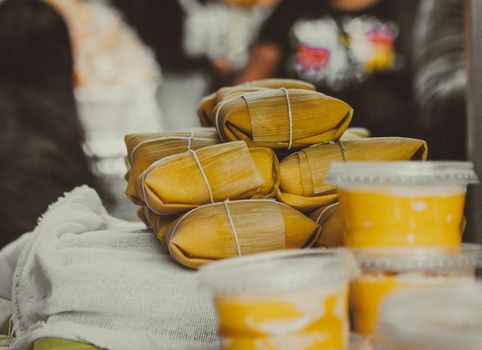
My journey to Oaxaca was already a spiritual one for my taste buds, but this festival elevated it. I stumbled upon it during my first visit, drawn by the vibrant banners and the earthy scent of masa. It was held in a bustling mercado and spilled out into a nearby plaza. Farmers from surrounding communities proudly displayed dozens of varieties of corn – blue, red, black, yellow, purple – each with its own story and culinary purpose.
The highlight, without a doubt, was the mole. Oaxacan mole is legendary, with seven main types, some requiring dozens of ingredients and days of meticulous preparation. Here, local mayoras (master cooks) demonstrated their family recipes, grinding chilies, nuts, seeds, and spices on ancient metates. I sampled an incredible mole negro that tasted of generations of wisdom, a spicy, complex mole coloradito that danced on the tongue, and even a rare mole amarillo that was surprisingly light and fragrant. The tortillas, made from freshly ground heritage corn, were unlike anything I'd ever tasted – subtly sweet, nutty, and incredibly tender. It was a profound lesson in the symbiotic relationship between land, culture, and food.
Practical Tips:
* When to go: Usually late September or early October, following the corn harvest.
* Location: Various venues around Oaxaca City, often centered in the main zócalo (square) or local markets.
* Getting there: Fly into Oaxaca International Airport (OAX). The city center is easily walkable.
* Accommodation: Boutique hotels, charming B&Bs, or guesthouses in the historic center. Book early for this popular city.
* Cost: Many demonstrations and tastings are free. Dishes range from 50-150 MXN pesos. Cooking classes or special dinners might be extra.
* Instagram Moment: A vibrant display of multi-colored heritage corn cobs, or a close-up of a steaming bowl of mole with a stack of freshly pressed tortillas.
3. The Arctic Berry & Wild Edibles Festival – Rovaniemi, Finland
Why it’s special:
Imagine feasting on the pure, intense flavors of the Arctic wilderness, surrounded by stunning boreal forests and the crisp air of Lapland. This festival celebrates the unique bounty of the far north – cloudberries, lingonberries, blueberries, sea buckthorn, and a variety of wild herbs and greens. It's a taste of pristine nature, often paired with traditional Sami culture.
My Experience (or what it feels like):
I was in Rovaniemi for a winter adventure, but a local guide mentioned this summer festival, painting a picture of endless daylight and vibrant nature. I returned the following August, and it was a revelation. The festival wasn't a huge, sprawling event, but a series of smaller gatherings and markets spread across the region.
My favorite part was a guided foraging walk through a vast forest, where we learned to identify and respectfully pick cloudberries – the "gold of Lapland" – with their delicate, almost floral sweetness, and tart lingonberries. Later, at a pop-up market, I tried cloudberry jam (heavenly!), lingonberry juice, and even a unique spruce sprout pesto. Local chefs offered dishes like reindeer stew infused with juniper berries, arctic char with wild herbs, and desserts featuring every berry imaginable. I particularly remember a cloudberry cheesecake that tasted like summer sunshine in a snowy landscape. It was an education in how to truly live off the land, celebrating flavors that are both intensely local and surprisingly sophisticated.
Practical Tips:
* When to go: Late August to early September, when the berries are at their peak.
* Location: Rovaniemi and surrounding Lapland villages. Check the Rovaniemi tourism website for specific event schedules.
* Getting there: Fly into Rovaniemi Airport (RVN).
* Accommodation: Hotels in Rovaniemi, or cabins/cottages in the surrounding wilderness for a more immersive experience.
* Cost: Market entry is usually free. Dishes and products vary in price, typically €5-€20 per item. Foraging tours can range from €50-€100.
* Instagram Moment: A basket brimming with jewel-toned arctic berries, or a plate of beautifully presented Nordic cuisine against a backdrop of a lush green forest.
4. The Coastal Oyster & Craft Cider Shindig – Pembrokeshire, Wales
Why it’s special:
This festival is a celebration of two of nature's finest pairings: fresh, briny oysters straight from the Pembrokeshire coast and crisp, artisan craft cider. It’s a low-key, incredibly charming event that highlights the rugged beauty of the Welsh coastline and the passion of local producers.
My Experience (or what it feels like):
I'd heard whispers about Pembrokeshire's incredible seafood, so I planned a cycling trip along the coastal path. By pure serendipity, my route coincided with this small, but mighty, festival. It was set up right on a picturesque harbor, the air filled with the scent of sea salt and apple. Oyster farmers from nearby beds shucked oysters with practiced ease, serving them up with simple condiments: a squeeze of lemon, a dash of Tabasco, or a classic shallot vinaigrette. Each oyster was a pure taste of the Celtic Sea – fresh, clean, and utterly delicious.
But what truly surprised me was the cider. Welsh cider, often made from heirloom apple varieties, is a revelation. I sampled everything from dry, sparkling perries (pear cider) to rich, still apple ciders, each producer passionately explaining their craft. I spent an entire afternoon moving between oyster stalls and cider tents, chatting with farmers and makers, feeling utterly content. There was live folk music, a few local food trucks selling seafood rolls and Welsh cakes, and a palpable sense of community. It felt like a secret gathering of food lovers, sharing their treasures.
Practical Tips:
* When to go: Late May or early June, when the weather is often pleasant and oysters are abundant.
* Location: Small coastal towns in Pembrokeshire, such as Milford Haven, Tenby, or Solva. Check local tourism boards (e.g., Visit Pembrokeshire) for dates.
* Getting there: Drive from major UK cities, or take a train to Haverfordwest or Tenby, then local buses or taxis.
* Accommodation: Charming guesthouses, B&Bs, or self-catering cottages along the Pembrokeshire Coast Path. Book well in advance, especially for popular towns.
* Cost: Entry is often free. Oysters are typically £1-£2.50 each. Cider tastings vary, often £3-£5 per glass.
* Instagram Moment: A tray of glistening oysters on ice with a pint of craft cider, against a backdrop of a colorful fishing harbor.
5. The Durian & Tropical Fruit Extravaganza – Davao, Philippines
Why it’s special:
This one is for the truly adventurous palate! Davao is the "Durian Capital of the Philippines," and their annual Kadayawan Festival (though broader in scope) has a significant focus on this king of fruits, along with a dazzling array of other tropical treasures. It's an intense, sensory overload in the best possible way.
My Experience (or what it feels like):
I'm not going to lie, my first encounter with durian was... memorable. The smell hits you first – a pungent, almost onion-like aroma that divides opinion like no other fruit. But I’m a firm believer in trying everything once, and Davao was the place to do it. The city comes alive during Kadayawan, and the fruit markets are a spectacle. Piles of durian, mangosteen, rambutan, lanzones, and pomelo create a riot of color and scent.
The "extravaganza" isn't a single, enclosed event but a city-wide celebration of harvest. Every street corner, every market stall, and every restaurant seems to be offering durian in some form. I tried it fresh, of course – the creamy, custard-like flesh is surprisingly sweet and complex once you get past the smell. But then came the durian ice cream, durian candy, durian coffee, and even durian yema (a local custard candy). Beyond durian, I gorged on the sweetest mangosteens, juicy lanzones, and plump rambutans. It’s an immersive, sometimes overwhelming, but ultimately exhilarating experience that challenges your taste buds and rewards you with unique flavors you won't find anywhere else. It’s a true taste of Southeast Asian abundance.
Practical Tips:
* When to go: Mid-August, coinciding with the Kadayawan Festival. This is peak fruit season.
* Location: Davao City, Mindanao, Philippines. The main fruit markets (e.g., Bankerohan Public Market) and festival grounds are key hubs.
* Getting there: Fly into Francisco Bangoy International Airport (DVO) in Davao.
* Accommodation: Hotels in Davao City. Book well in advance, as Kadayawan is a major festival.
* Cost: Entry to markets and most festival events is free. Durian prices vary greatly by season and variety, but you can get a whole fruit for a few dollars. Other fruits are very affordable.
* Instagram Moment: A vibrant spread of exotic tropical fruits, with a spiky durian proudly in the center, or a selfie with a giant durian fruit.
6. The Ancient Grain & Slow Food Summit – Puglia, Italy
Why it’s special:
Puglia, the "heel" of Italy, is known for its olive oil, incredible produce, and rustic charm. This festival takes you back to the roots of Italian cuisine, celebrating ancient grains like Senatore Cappelli durum wheat, farro, and barley, and the slow food philosophy that cherishes local traditions and sustainable agriculture. It’s a journey into the heart of Mediterranean diet.
My Experience (or what it feels like):
My love affair with Puglia began with its sun-drenched landscapes and incredible food. When I heard about a "Slow Food Summit" focused on ancient grains in the Valle d'Itria, I knew I had to go. It wasn't a raucous street party, but a series of elegant, educational, and deeply satisfying events spread across charming masseria (fortified farmhouses) and historic towns like Cisternino and Locorotondo.
I attended workshops where local bakers demonstrated how to mill ancient wheat and bake traditional Puglian bread in wood-fired ovens. The aroma of freshly baked bread, dense and flavorful, was intoxicating. I learned about the history of durum wheat in the region and its crucial role in pasta making. There were tasting sessions featuring different varieties of pasta made from these grains, drizzled with local olive oil and paired with fresh vegetables from the farm. I remember a particularly memorable lunch at a masseria where every dish, from the orecchiette with turnip greens to the barley salad, showcased the nutty, earthy flavors of these heritage grains. It was a profound reminder that true luxury in food often lies in simplicity, quality, and tradition.
Practical Tips:
* When to go: Typically late Spring (May/June) or early Autumn (September/October), when the weather is pleasant and harvests are underway.
* Location: Various towns and masseria in central Puglia, especially in the Valle d'Itria (e.g., Martina Franca, Cisternino, Locorotondo).
* Getting there: Fly into Bari (BRI) or Brindisi (BDS), then rent a car to explore the region.
* Accommodation: Stay in a charming masseria for an authentic experience, or a boutique hotel in one of the picturesque towns. Book well in advance.
* Cost: Many events, like market visits, are free. Workshops, cooking classes, and special tasting dinners can range from €40-€150.
* Instagram Moment: A rustic wooden table laden with different types of artisanal bread, fresh pasta, and local olive oil, set against the backdrop of a Puglian masseria.
---
Your Adventure Awaits: Tips for Unearthing Your Own Culinary Gems
These six festivals are just the tip of the iceberg. The world is full of incredible, authentic food experiences waiting to be discovered. Here’s how you can find your own hidden gems:
- Go Local: Instead of searching for "best food festivals," try searching for "harvest festivals [region/country]," "local food events [month]," or specific ingredient festivals like "apple festival [town]."
- Follow Food Bloggers & Local Tourism Boards: Many smaller festivals are promoted through regional tourism sites or by niche food bloggers and local guides.
- Learn a Few Phrases: Even a few basic phrases in the local language can open doors and lead to invaluable recommendations from locals.
- Be Flexible & Adventurous: These festivals often don't have slick websites or English translations. Embrace the unexpected!
- Book Early: While these aren't mainstream, accommodation in charming small towns can fill up quickly once dates are announced.
- Eat Everything: Be open to trying new flavors, even if they seem unusual. That’s where the true magic happens!
- Engage with Locals: Ask questions, share stories, and learn from the people who pour their hearts into these culinary traditions.
Don't Just Dream It, Eat It!
The beauty of these pre-mainstream festivals lies in their authenticity, their community spirit, and the sheer joy of discovering something truly unique. They offer a deeper connection to the culture, the land, and the people than any mass-market event ever could.
So, what are you waiting for? Pick a festival, pack your bags (and an empty stomach!), and prepare for a culinary journey that will nourish your soul as much as your belly. These are the food festivals that make travel truly unforgettable.
Which of these festivals has piqued your interest? Or do you have an incredible, under-the-radar food festival to share? Drop your thoughts in the comments below – let's keep the secret alive (for now!).
---