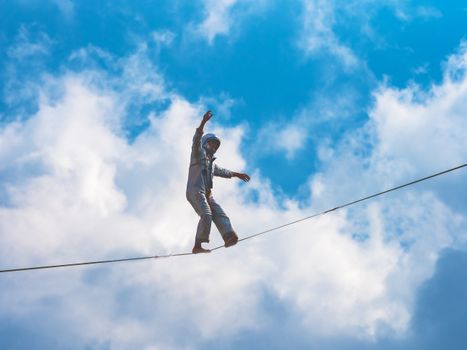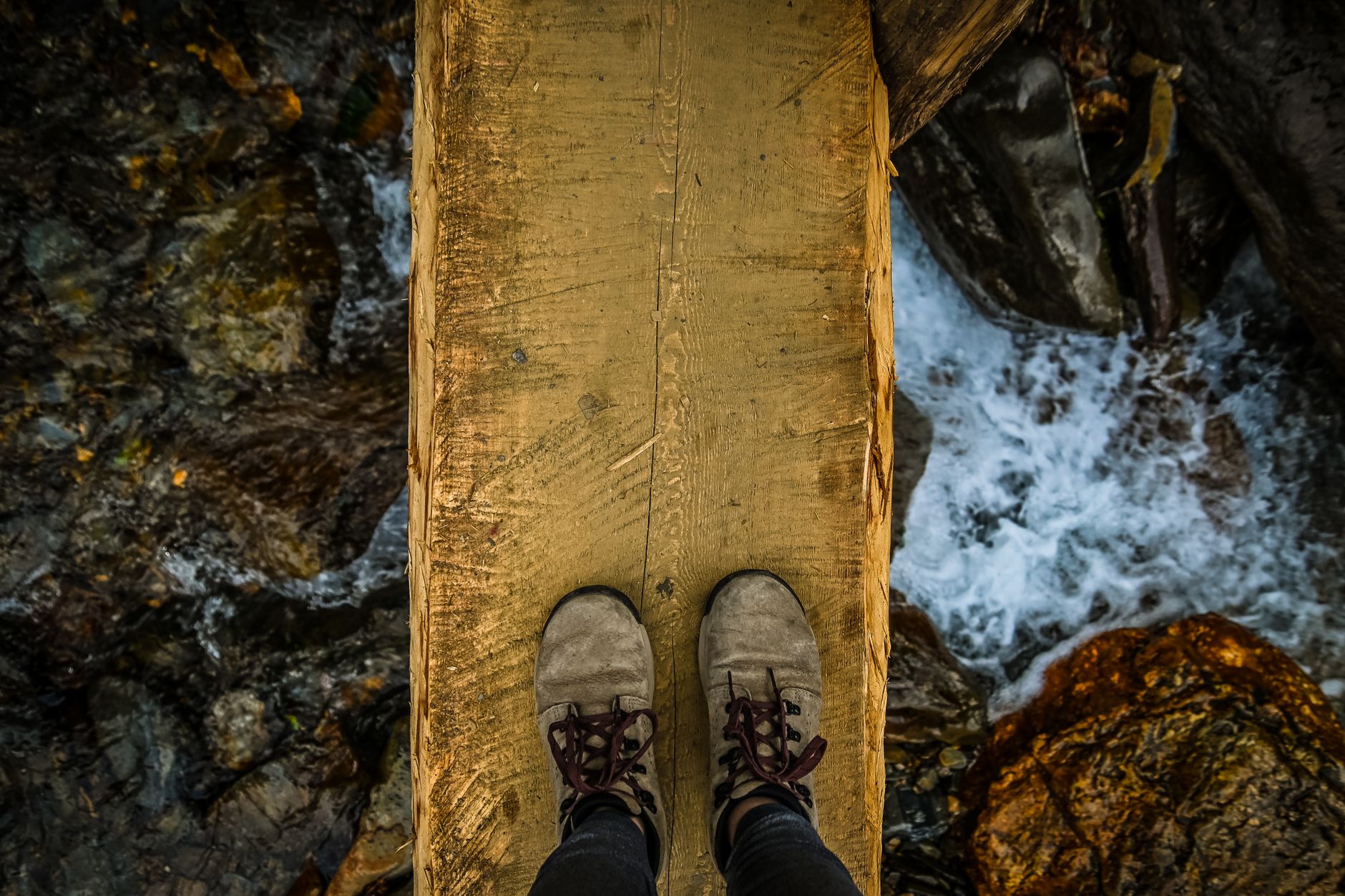
Remember that flutter in your stomach, the one that’s a mix of exhilarating possibility and pure, unadulterated terror? For me, it was staring at a one-way ticket to Bangkok, my first truly solo international trip. My friends were busy, my family concerned, and every single "what if" scenario played out like a blockbuster horror film in my head. What if I get lost? What if I get robbed? What if I eat alone every night? What if I just... fail?
Fast forward a decade, countless stamps in my passport, and a lifetime of incredible memories, and that initial fear seems almost quaint. But here’s the truth: those fears? They never truly go away. They just evolve, and we evolve to meet them. Solo travel is booming right now, with more people than ever craving the freedom, self-discovery, and raw authenticity it offers. Yet, with every inspiring Instagram reel, there's a quiet undercurrent of anxiety, fueled by global events, social media comparisons, and the age-old human fear of the unknown.
But what if I told you that these trending solo travel fears aren't roadblocks, but merely speed bumps on the path to your most transformative adventure yet? This isn't about eradicating fear entirely—it’s about acknowledging it, understanding it, and then confidently packing it into your mental carry-on, knowing you have the tools to navigate it. Let’s dive into the most common solo travel fears trending right now and how you, yes you, can conquer them.
Is It Safe? Navigating Solo Security in an Unpredictable World
This is hands down the number one fear I hear from aspiring solo travelers, especially women. The news cycle, online forums, and well-meaning friends can paint a picture of a dangerous world. But let's be real: most places are far safer than the media portrays. The key isn't to be fearless, but to be prepared and aware.
Trending Fears:
Petty crime, scams, getting lost in unfamiliar areas, emergencies (medical or otherwise), solo female safety concerns.
My Story:
I once found myself in a bustling market in Marrakech, completely disoriented, with my phone dead and a persistent vendor following me. Panic began to bubble. Instead of freezing, I remembered my own advice: find a landmark, make eye contact with someone who looks trustworthy (a family, an older woman), and don't be afraid to ask for help. I spotted a cafe with Wi-Fi, bought a tea, charged my phone, and reoriented myself. The key? Not panicking and having a mental action plan.
Practical Tips to Boost Your Security Confidence:
- Research, Research, Research: Before you go, spend time on forums like Reddit's r/solotravel or specific expat groups for your destination. Search for "common scams in [city]" or "safe neighborhoods in [city]". For example, when I planned my trip to Medellín, Colombia, I spent hours reading about specific areas to avoid after dark and common taxi scams, which allowed me to confidently navigate the city without incident.
- Digital Fortress:
- VPN: Always use a Virtual Private Network (VPN) when connecting to public Wi-Fi. My go-to is NordVPN (around $3-5/month).
- Cloud Backups: Keep copies of your passport, visa, flight bookings, and insurance details on a cloud service (Google Drive, Dropbox) and email them to yourself.
- Share Your Itinerary: Use an app like TripIt to organize your bookings and share access with a trusted friend or family member. Let them know your general plan and check in regularly.
- Physical Awareness:
- Blend In: Avoid flashy jewelry or expensive gadgets. Dress like the locals, not like a tourist billboard. When I was in Vietnam, I bought a simple conical hat and a plain jacket, and instantly felt less targeted.
- Situational Awareness: Keep your phone in your pocket, not hand. Be mindful of your surroundings, especially in crowded areas. Trust your gut – if a situation feels off, remove yourself.
- Minimal Valuables: Only carry what you need for the day. Leave passports and extra cash in a secure locker at your accommodation. I use a small cross-body bag worn across my chest, under my jacket, for essentials.
- Emergency Preparedness:
- Local SIM Card: Get one immediately upon arrival. It's invaluable for maps, emergencies, and staying connected. I usually grab one at the airport or a local convenience store for around $10-20.
- Emergency Contacts: Program local emergency numbers (police, ambulance) and your embassy's contact into your phone.
- First Aid Kit: A basic kit with pain relievers, band-aids, antiseptic wipes, and any personal medications is a must.
No More Awkward Silences: Mastering Solo Socializing
One of the most persistent fears is loneliness, or the awkwardness of being alone in social settings. "What if I eat dinner by myself every night?" "What if I don't meet anyone?" These thoughts can be paralyzing. But solo travel is actually a magnet for connection if you know how to open yourself up to it.
Trending Fears:
Eating alone, feeling isolated, not making friends, FOMO (Fear Of Missing Out) on group experiences.
My Story:
My first solo dinner in Lisbon was excruciating. I clutched my phone, pretending to be engrossed in emails, acutely aware of the lively groups around me. But then, I forced myself to look up, smile, and make eye contact with the couple at the next table. A simple "that looks delicious, what is it?" led to an hour-long conversation, shared wine, and an invitation to join them for a fado show later that week. It taught me that connection often starts with a single, small step.
Practical Tips for Building Connections:
- Strategic Accommodation Choices:
- Hostels: Don't dismiss them! Many offer private rooms if dorms aren't your style. The common areas, organized events (pub crawls, walking tours), and shared kitchens are goldmines for meeting people. My favorite hostels, like Generator Hostels (multiple locations) or The Hat Hostel in Madrid (around $30-50/night for a dorm), excel at fostering community.
- Guesthouses/Boutique Hotels: Look for places with communal lounges or breakfast areas.
- Embrace Group Activities:
- Free Walking Tours: A fantastic way to see a city, learn its history, and meet fellow travelers. Operators like Sandemans New Europe or Freetour.com are in major cities worldwide.
- Cooking Classes: A hands-on, delicious way to bond. I took a pasta-making class in Florence (around €60-€80) and left with new friends and a full belly.
- Day Trips/Excursions: Sign up for group tours to specific sights. You'll spend hours with the same people, making conversations natural.
- Meetup/Couchsurfing: Check the "Hangouts" feature on Couchsurfing or the Meetup app for local events, language exchanges, or group hikes.
- Be Approachable:
- Smile! It's the universal language.
- Open Body Language: Don't hide behind your phone or a book constantly.
- Start Small: A simple "Where are you from?" or "Any recommendations for dinner?" can open a conversation.
- Eat at the Bar: Many restaurants have bar seating, which is inherently more social than a table for one.
- Leverage Apps (Wisely):
- Bumble BFF: For platonic connections while traveling.
- Hostelworld App: Often has a chat feature for guests at your hostel.
- Facebook Groups: Search for "Digital Nomads [City Name]" or "Solo Female Travelers [Region]" to find meetups.
Solo on a Shoestring: Smart Money Moves for Fearless Travel
Money fears can be a huge deterrent. Solo travel can sometimes be more expensive per person than group travel (no splitting accommodation costs!), but it also offers unparalleled flexibility to make budget-conscious choices.
Trending Fears:
Overspending, hidden costs, running out of money, financial emergencies, feeling "poor" compared to other travelers.
My Story:
My first backpacking trip through Southeast Asia was on a shoestring. I remember a moment in Laos where I miscalculated my budget and realized I had less than $50 for three more days. Instead of panicking, I embraced it. I ate street food exclusively (delicious and cheap, around $1-2 per meal), walked everywhere, and spent evenings reading in my hostel's common room instead of going out. It was a challenge, but I learned invaluable lessons about resourcefulness and the true cost of experiences vs. material purchases.
Practical Tips for Budget Confidence:
- Rigorous Budgeting:
- Pre-Trip Calculation: Research average daily costs for your destination (accommodation, food, transport, activities). Add a 20% buffer for unexpected expenses.
- Budgeting Apps: Use apps like Mint, YNAB, or even a simple spreadsheet to track your spending daily.
- Accommodation Hacks:
- Hostels: As mentioned, they're budget-friendly and social. Expect to pay $15-50/night depending on the city and room type.
- Guesthouses/Homestays: Often offer a more local experience at a lower price than hotels.
- House Sitting: Websites like TrustedHousesitters (annual membership around $129) allow you to stay for free in exchange for looking after pets/homes. I've done this in Australia and saved thousands!
- Savvy Food Choices:
- Street Food & Local Markets: The most authentic and cheapest way to eat. A delicious Banh Mi in Vietnam can be $1, a local curry in Thailand $2-3.
- Cook Your Own: Stay in accommodations with kitchens. A trip to a local grocery store can save you a fortune.
- Lunch Deals: Many restaurants offer cheaper lunch menus ("menu del día" in Spain, "pranzo" in Italy).
- Water Bottle: Carry a reusable water bottle and refill it to save money and plastic.
- Smart Transportation:
- Public Transport: Always opt for buses, trains, and subways over taxis. Learn how to use them.
- Walk: It's free, great exercise, and the best way to discover hidden gems.
- Ride-Sharing Apps: Use local apps like Grab (Southeast Asia), Uber/Lyft (many countries), or Bolt (Europe) for transparent pricing if you need a car.
- Financial Safety Net:
- Emergency Fund: Always have a separate emergency fund you can access.
- Multi-Currency Cards: Services like Revolut or Wise (formerly TransferWise) offer multi-currency debit cards with excellent exchange rates and low fees. Carry a backup credit card too.
- Notify Your Bank: Let your bank know your travel dates and destinations to avoid card freezes.
Lost in Translation? Conquering Navigation & Communication Hurdles
The thought of being unable to communicate or finding yourself utterly lost in a foreign land can trigger serious anxiety. But with today's technology and a little preparation, these fears are easily manageable.
Trending Fears:
Language barriers, getting lost without Wi-Fi, cultural misunderstandings, asking for help.
My Story:
I once mistakenly ordered "beef heart" instead of "beef stew" in a tiny Peruvian restaurant. The waiter's polite confusion and my subsequent horror were a hilarious (in retrospect!) cultural moment. While initially embarrassing, it taught me the power of a smile, gestures, and the phrase "lo siento, mi español es muy malo" (I'm sorry, my Spanish is very bad). Later, getting truly lost in Kyoto's maze-like streets with a dead phone was terrifying until I remembered my pre-downloaded offline map and the few Japanese phrases I'd learned.
Practical Tips for Seamless Navigation & Communication:
- Language Lifelines:
- Google Translate: Download the offline language packs for your destination. The camera feature is a lifesaver for menus and signs!
- Duolingo/Babbel: Learn 10-20 essential phrases ("hello," "thank you," "please," "excuse me," "how much?," "where is the bathroom?") before you go. A little effort goes a long way.
- Phrasebook: A small physical phrasebook can be useful if your phone dies.
- Navigation Nirvana:
- Offline Maps: Download entire regions on Google Maps or use Maps.me. These work even without data!
- Local SIM Card/eSIM: As mentioned, this is crucial. Companies like Airalo offer eSIMs for various countries, allowing you to have data from the moment you land.
- Write Down Addresses: Have your accommodation address written down in the local language, especially for taxi drivers.
- Cultural Intelligence:
- Basic Etiquette: Research basic cultural norms (e.g., tipping customs, dress codes for religious sites, greetings).
- Observe and Adapt: Watch how locals interact and try to mimic respectful behavior.
- Embrace Mistakes: You will make mistakes. Laugh them off, apologize, and learn. Most locals appreciate the effort.
Silence the Inner Critic: Building Unshakeable Solo Confidence
Beyond the practical fears, there's often an underlying current of self-doubt. "Am I capable enough?" "What if I make the wrong decision?" "Will I regret this?" This imposter syndrome can be the hardest to overcome.
Trending Fears:
Making wrong decisions, regretting choices, feeling unprepared, imposter syndrome, not being "adventurous enough."
My Story:
Before a challenging trek in Patagonia, my mind was a whirlwind of "what ifs." What if I'm too slow? What if I get injured? What if I can't handle the cold? I almost backed out. But I remembered a quote: "You are stronger than you think." I pushed through, one step at a time, and reaching that summit was one of the most profound moments of self-validation in my life. It wasn't just about the view; it was about proving to myself that I could overcome my own mental barriers.
Practical Tips for Cultivating Solo Confidence:
- Start Small, Dream Big:
- Local Day Trips: Begin with a solo day trip to a nearby town.
- Weekend Getaways: Extend to a weekend in a city a few hours away.
- Then, Go International: Build up your confidence gradually. You don't have to start with a month-long backpacking trip to India.
- Plan, But Don't Overplan:
- Structure vs. Spontaneity: Have a general itinerary (flights, first few nights of accommodation, key activities) but leave plenty of room for spontaneity. The magic of solo travel often happens when you deviate from the plan.
- Embrace the Unknown: Part of the thrill is not knowing exactly what's next.
- Trust Your Gut:
- Intuition is Key: If a person or situation feels off, it probably is. Don't be afraid to say no, walk away, or change your plans. Your safety and comfort come first.
- Journal Your Journey:
- Process and Reflect: Write down your thoughts, feelings, challenges, and triumphs. This helps you process experiences, celebrate small victories, and see how much you're growing.
- Capture the Magic: It's also a wonderful way to remember details you might otherwise forget.
- Mindset Shift: From "What If" to "What If Not?"
- Reframe Fear: Instead of dwelling on "what if something bad happens?", ask yourself, "what if I don't go? What amazing experiences will I miss out on? What will I regret?"
- Celebrate Small Wins: Navigated the subway alone? Ordered a meal in a foreign language? Pat yourself on the back! Every small victory builds confidence.
Your Adventure Awaits: It's Time to Embrace the Journey
Solo travel isn't about being fearless; it's about being courageous enough to face your fears, learn from them, and grow into a more resilient, resourceful, and self-aware individual. The fears that are trending right now are valid, but they are also conquerable with preparation, a dash of common sense, and an open heart.
The world is waiting for you to explore it on your own terms. You'll discover not only incredible places but also incredible strengths within yourself you never knew existed. You'll learn to trust your instincts, adapt to challenges, and relish the freedom of making every decision for yourself.
So, what's holding you back? Pack your bags, charge your phone, and let the world be your classroom. Your adventure is calling, and you've got this.
What's your biggest solo travel fear that you're ready to conquer? Share it in the comments below! Let's inspire each other to take that leap.
---