The Great Escapism: Why Nature Tourism is Booming Post-Pandemic Right Now
I stepped off the local transport at the high-altitude plateau of Paul da Serra on Madeira Island, and my lungs instantly registered the change. The air was thick, damp, and smelled heavily of wet volcanic basalt, wild thyme, and ancient laurel trees. A dense, ghostly fog rolled off the Atlantic, swallowing the twisted, 500-year-old Til trees of the Fanal Forest in a silent, white embrace.
There were no tour buses. No megaphones. Just the rhythmic drip of condensation falling from primeval canopies onto rich, black soil, and the distant, melodic clank of cowbells echoing through the mist.
This is the reality of travel today. The modern traveler is no longer content with passive sightseeing from behind glass windows. We are witnessing a massive, permanent shift in global travel behavior: nature tourism booming post-pandemic right now is not just a temporary trend, but a profound collective desire for physical, mental, and ecological reconnection.
```
THE POST-PANDEMIC TRAVEL SHIFT
┌─────────────────────────┐ ┌─────────────────────────┐
│ PRE-2020 TRAVEL │ │ MODERN TRAVEL │
│ • High-density cities │ ──> │ • Remote wilderness │
│ • Passive sightseeing │ │ • Active exploration │
│ • Curated luxury │ │ • Ecological connection│
└─────────────────────────┘ └─────────────────────────┘
```
---
1. The Psychology of the Green Rush: Why We Fled the Cities
The global shift toward green spaces is deeply rooted in our biology. Years of screen fatigue, urban confinement, and collective anxiety have triggered a massive wave of what psychologists call biophilia—our innate human tendency to seek connections with nature.
```
┌────────────────────────┐
│ Prolonged Urban Stress │
└───────────┬────────────┘
│
▼
┌────────────────────────┐
│ Screen & Zoom Fatigue │
└───────────┬────────────┘
│
▼
┌────────────────────────┐
│ Biophilic Awakening │
└───────────┬────────────┘
│
▼
┌──────────────────────────────────────────────────┐
│ Nature Tourism Booming Post-Pandemic Right Now │
└──────────────────────────────────────────────────┘
```
We are no longer traveling just to take photos for social media; we are traveling to heal. Forest bathing (shinrin-yoku), wild swimming, and off-grid trekking have transitioned from niche wellness practices to mainstream travel requirements.
Travelers are actively seeking out "soft adventure"—activities that challenge the body without requiring extreme athletic prowess. They want to feel the crunch of gravel under their boots, smell the sharp scent of pine sap, and sleep under skies untainted by urban light pollution.
---
2. Madeira’s Mystical Fanal Forest, Portugal
If you want to experience this wild renaissance in its purest form, head to Madeira. This volcanic outpost in the Atlantic Ocean has fast become the poster child for sustainable, nature-first tourism.
The Laurel Canopy of Fanal
Fanal is a remnant of an ancient Laurisilva forest that once covered southern Europe. Today, it is a protected UNESCO World Heritage site. Walking through Fanal when the fog rolls in is like stepping into a prehistoric dreamscape. The ancient, gnarled trees twist toward the sky like living sculptures, covered in thick carpets of vibrant green moss.
- The Vibe: Eerie, peaceful, and deeply restorative.
- The Scent: Damp earth, ancient wood, and salty ocean air.
> Pro-Tip: Skip the midday rush when rental cars clog the small parking area. Arrive at exactly 6:30 AM. Park at the Fanal Picnic Area and hike the Vereda do Fanal (PR13) trail. You will have the ancient groves entirely to yourself as the morning sun cuts through the shifting fog.
---
3. The Raw Volcanic Spine of Kyushu, Japan
While most travelers flock to Tokyo and Kyoto, those in the know are heading south to Kyushu. This volcanic island is a wonderland of geothermal activity, ancient forests, and rugged peaks.
```
THE VOLCANIC SPINE OF KYUSHU
[ Fukuoka ] (Start)
│
▼ (Rent a Kei-Car)
[ Yamanami Highway ] ──> Dramatic caldera views
│
▼
[ Kuju Mountain Range ] ──> Active volcanic steam vents
│
▼
[ Kurokawa Onsen ] (End) ──> Geothermal sulfur springs
```
The Kunisaki Peninsula & Mount Aso
Kyushu offers a rare combination of raw geology and deep spirituality. On the Kunisaki Peninsula, you can hike ancient pilgrimage trails (Kunisaki Rokugo Manzan) that wind past towering stone Buddhas carved directly into mossy cliff faces. Further south, the colossal caldera of Mount Aso offers a stark, otherworldly landscape of steaming vents and emerald-green grasslands.
- The Vibe: Geothermal energy meets ancient spiritual stillness.
- The Taste: Earthy, sulfur-infused steamed vegetables (jigoku-mushi) and local sweet potato shochu.
> Pro-Tip: Rent a lightweight kei-car in Fukuoka and drive the scenic Yamanami Highway (Prefecture Route 11). It winds directly through the heart of the Kuju mountain range, offering unparalleled views of active volcanic steam vents rising from the valleys.
---
4. The Forgotten Fjordlands of Senja, Norway
Norway’s Lofoten Islands have long been a victim of overtourism. For a far more rugged, uncrowded alternative, look to Senja—Norway’s second-largest island, located well inside the Arctic Circle.
Razor-Sharp Peaks and Deep Blue Fjords
Senja is often described as "Norway in miniature" because it packs dramatic ocean coastlines, sheer mountain walls, pine forests, and quiet fishing villages into one easily navigable island. The dramatic peaks of Segla and Hesten drop vertically into the icy waters of the Atlantic, offering some of the most spectacular hiking trails on earth.
- The Vibe: Wild, wind-whipped, and intensely dramatic.
- The Experience: Hiking under the midnight sun in summer, or watching the Northern Lights dance over jagged peaks in winter.
> Pro-Tip: Do not climb Segla if you want the best view. Instead, hike the adjacent peak, Hesten. The trail is less crowded, and the summit offers a jaw-dropping, vertical view of Segla’s iconic, razor-sharp cliff face.
---
5. The Rise of the "Digital Detox" and Off-Grid Cabins
A key driver of the nature tourism boom is the rise of the dedicated digital detox. Travelers are actively paying to go offline. This has fueled a massive boom in minimalist, off-grid cabins located in deep wilderness areas.
```
OFF-GRID CABIN DESIGN
┌──────────────────┐
│ Glass Facade │ ──> Panoramic forest views
└────────┬─────────┘
│
┌────────┴─────────┐
│ No Wi-Fi/Cell │ ──> True digital detox
└────────┬─────────┘
│
┌────────┴─────────┘
│ Wood-Fired Tub │ ──> Natural relaxation
└──────────────────┘
```
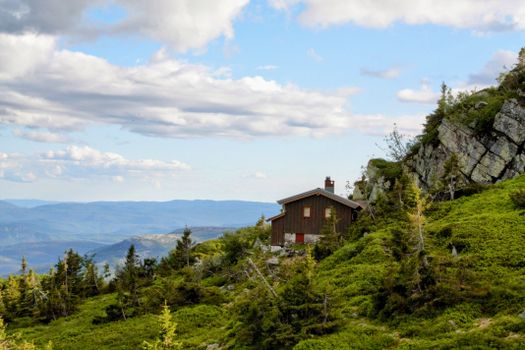
These cabins are designed with a "less is more" philosophy. They feature huge glass walls that bring the outdoors inside, wood-burning stoves, and outdoor hot tubs, but completely lack Wi-Fi or cellular service.
This setup forces travelers to slow down, read books, chop wood, and listen to the natural world around them. It is a highly effective antidote to the frantic pace of modern life.
---
6. Regenerative Travel: Leaving the Wild Better Than We Found It
As nature tourism continues to grow, the conversation is shifting from basic sustainability to active regenerative travel. It is no longer enough to simply "leave no trace." Modern travelers want to actively contribute to the restoration of the places they visit.
```
REGENERATIVE TRAVEL CYCLE
┌──────────────────┐
│ Local Guides │ ──> Direct economic support
└────────┬─────────┘
│
▼
┌──────────────────┐
│ Conservation Fee │ ──> Funding park protection
└────────┬─────────┘
│
▼
┌──────────────────┐
│ Citizen Science │ ──> Data collection on trails
└──────────────────┘
```
How to Be a Steward of the Wild
* Support the Local Economy: Hire local guides, stay in family-run guesthouses, and purchase food from local farmers' markets. This ensures your travel funds directly support the communities protecting these wild spaces.
* Participate in Citizen Science: Many parks now offer programs where hikers can log wildlife sightings or monitor trail erosion using simple mobile apps.
* Respect Wildlife Corridors: Keep to designated trails to avoid disturbing nesting birds or migrating animals.
---
7. The Logistics Matrix: Plan Your Wild Escape
Planning a nature-focused trip requires a different approach than a standard city break. Weather patterns, trail conditions, and local transport options must be carefully considered.
| Destination | Best Time to Visit | Est. Weekly Budget ($) | How to Get There | Key Activity |
| :--- | :--- | :--- | :--- | :--- |
| Fanal Forest (Madeira, Portugal) | May to September (for warmth); October to April (for dramatic fog) | $800 - $1,200 | Fly to Funchal (FNC), rent a car, and drive 1 hour northwest. | Hiking the ancient Levadas and forest bathing. |
| Kyushu Spine (Japan) | October to November (autumn colors); April to May (spring blooms) | $1,200 - $1,800 | Fly to Fukuoka (FUK), rent a kei-car, and drive south. | Geothermal hiking and traditional hot spring (onsen) bathing. |
| Senja Island (Norway) | June to August (midnight sun); September to March (Northern Lights) | $1,500 - $2,200 | Fly to Tromsø (TOS), drive 3 hours south, or take the ferry from Brensholmen. | Fjordside trekking and wild camping under the Arctic sky. |
---
8. Essential Kit for the Modern Wilderness Explorer
To truly enjoy these wild spaces, you need gear that is reliable, durable, and environmentally friendly. Investing in high-quality gear ensures your safety and comfort in changing weather conditions.
- Footwear: Ditch heavy, stiff leather hiking boots. Opt for lightweight, breathable trail runners with high-traction outsoles (like Vibram Megagrip). They dry quickly and offer excellent grip on wet roots and volcanic rock.
- Layering: Merino wool is your best friend. It regulates temperature, stays warm even when wet, and is naturally odor-resistant, meaning you can pack less.
- Hydration: Carry a reusable water bottle with an integrated purification filter (like a Sawyer Squeeze or Grayl Geopress). This allows you to safely drink from wild streams without creating single-use plastic waste.
- Navigation: Never rely solely on your phone's GPS. Always download offline maps (using apps like AllTrails or Gaia GPS) and carry a lightweight external power bank.
---
The Call of the Wild
The global surge in nature tourism is far more than a passing fad. It is a collective, necessary return to our roots. By stepping out of our comfort zones and into the wild, we discover that the best travel experiences cannot be bought in a luxury boutique or found in a crowded city square.
The real magic of travel is found on a misty mountain trail, beside a roaring campfire, or standing on a windswept cliff edge looking out at the endless ocean. The wild is calling. It is time to pack your bags and go.
---