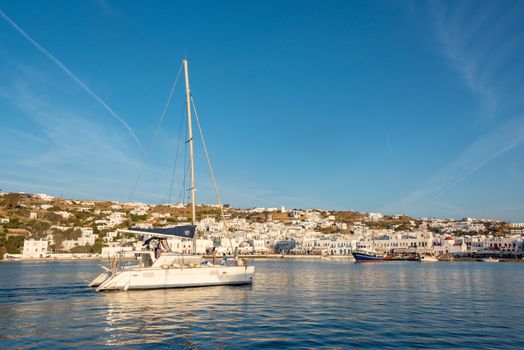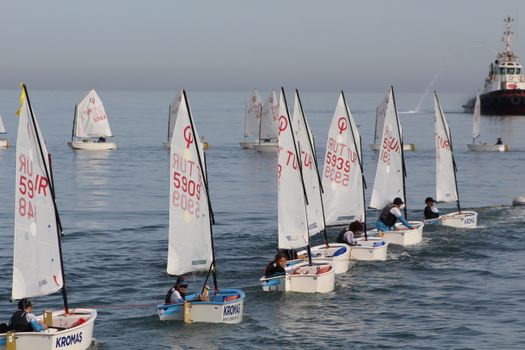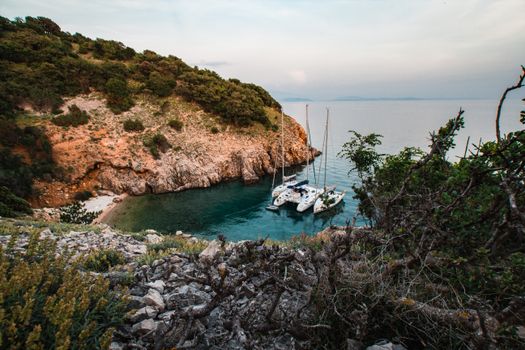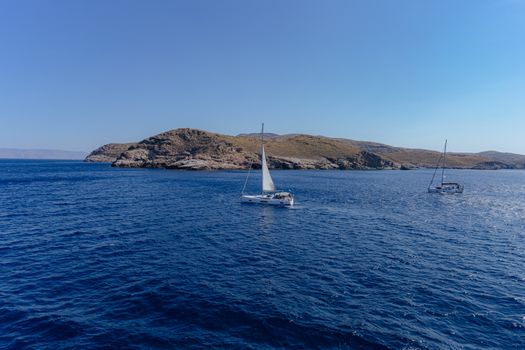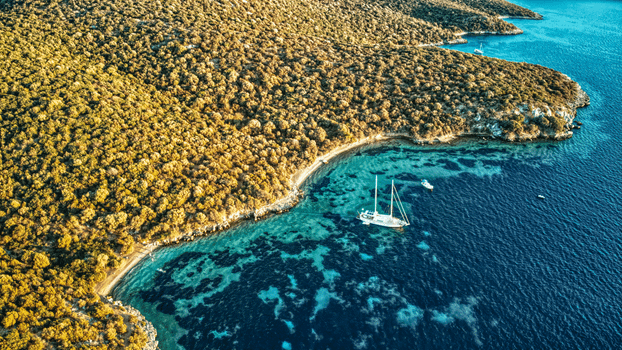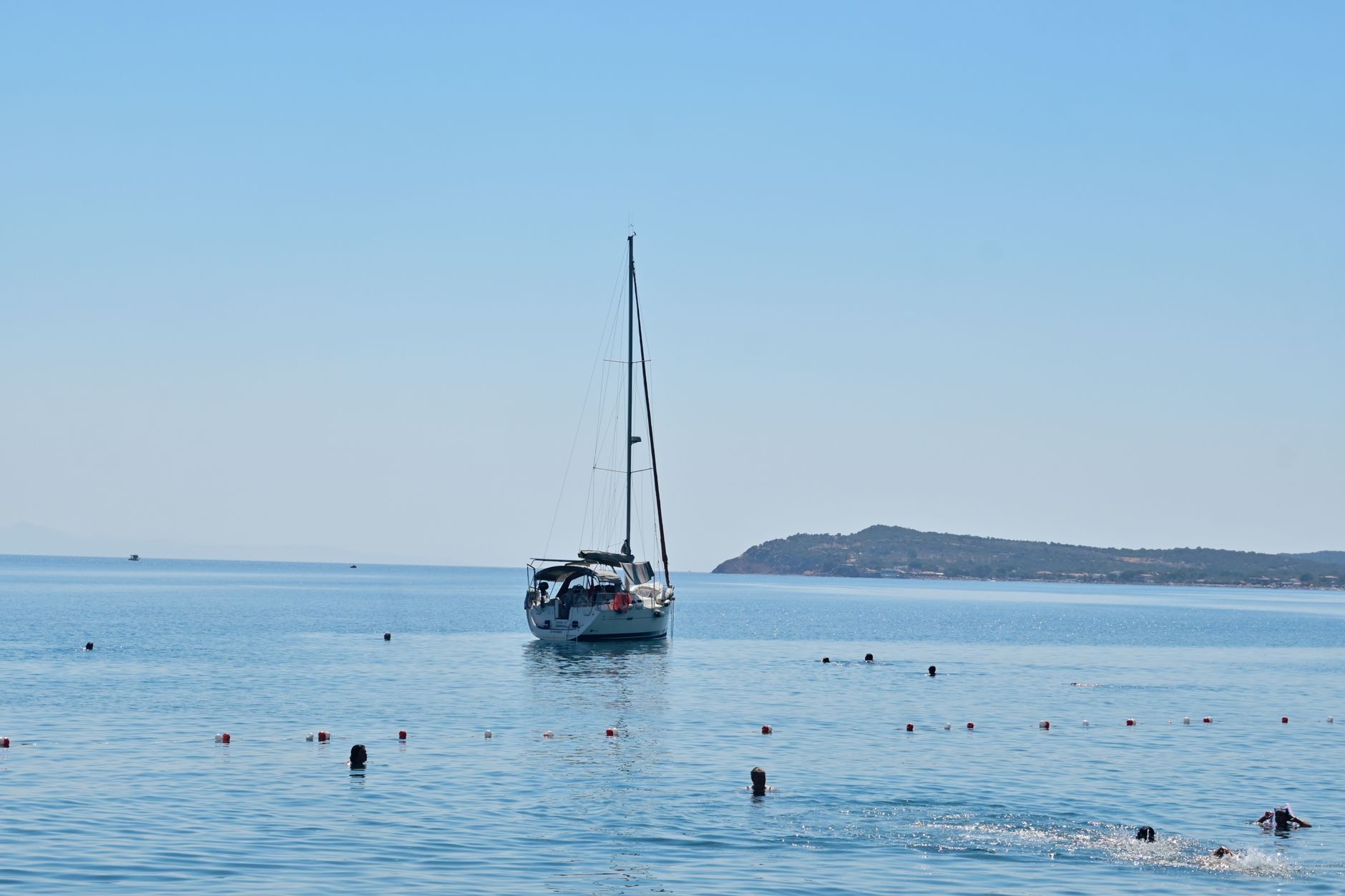
Cruise ships are designed for large numbers of passengers, with multiple restaurants, entertainment venues and scheduled stops. Sailing trips offer a different experience. Smaller vessels, sometimes operated by crews who sail as a team, travel more slowly and often anchor in quiet bays or small harbors. Passengers may take part in raising sails or steering, or simply enjoy the wind and open water. This guide compares sailing trips with cruises and explains what to consider before booking.
Types of sailing trips
Sailing holidays take several forms. Crewed charters provide a skipper and sometimes a cook, so guests can focus on relaxing or learning. Flotillas involve several boats sailing together, often with a leader guiding the route. Bareboat charters are sailed by the guests, who must hold the appropriate qualifications and experience. Tall ship voyages and sailing expeditions offer educational or adventure-focused itineraries.
Each type suits different travelers. Crewed charters are often best for beginners, while bareboat options demand real skill and local knowledge.
Comparing experience and pace
Sailing trips usually move at the speed of the wind and the weather, which can mean fewer port stops but more time at sea. Days may include swimming from the boat, snorkeling, kayaking and anchor-side meals. Cruises, by contrast, typically offer a larger range of onboard facilities and a more fixed schedule.
Accommodation also differs. Sailing cabins are compact, and shared bathroom arrangements are common on some vessels. Cruise cabins are often larger and include more amenities. Think about which balance suits you.
Seasickness, weather and safety
Motion sickness is a major consideration. Sailing boats can move more than large ships, especially in open water or rough conditions. Speak with a healthcare professional about options for motion sickness, and try to acclimatize with short trips before committing to a long voyage. Choose a cabin near the center of the boat, where movement is typically less pronounced, and get fresh air on deck.
Safety is essential. Ask about crew qualifications, safety equipment, life jackets, emergency procedures and whether the vessel is inspected and certified by relevant authorities. Weather can change quickly, and reputable operators adjust routes when conditions are unsafe.
Choosing a route and season
Sailing destinations include coastlines, islands and inland waterways, each with its own character. Season affects wind, temperature and daylight. Some areas have calmer conditions at certain times, while others are subject to strong winds or storms during parts of the year. Research seasonal patterns and check current forecasts as your trip approaches.
Consider how far you can comfortably sail each day. Shorter passages suit beginners and families, while longer routes may appeal to experienced sailors.
Cost and booking considerations
Prices vary with boat size, season, crew arrangements and route length. Compare what is included, such as meals, drinks, fuel, port fees, skipper services and insurance. Deposits and cancellation terms differ, so read them carefully. Crewed charters may include gratuities, which should be clarified in advance.
Ask whether the operator carries adequate insurance and whether you need travel insurance that covers sea activities.
Practical tips
Bring a soft-soled shoe for the deck, a hat and sunscreen, and a light waterproof jacket. Pack in soft bags rather than hard suitcases, since storage space is often limited. Carry any medication you need, including seasickness remedies, and check that it is suitable for your health.
Ask about the sailing experience in advance so you can prepare. Be ready to follow crew instructions quickly, especially during maneuvers, and keep your belongings secured in rough conditions.
Common mistakes to avoid
A frequent mistake is booking a bareboat charter without the experience to handle the boat safely. Sailing skills, local navigation knowledge and the ability to manage weather decisions are essential for those who sail themselves. Another error is expecting cruise-style amenities, such as large dining rooms or evening shows, on a small vessel. Travelers also tend to pack hard suitcases that do not fit in narrow lockers, or bring too many items for limited storage. Some people overlook the cabin layout, choosing a berth that is noisy or very low to the waterline. Others do not take crew briefings seriously, which can matter during manoeuvres or emergencies. Asking about the vessel's layout, daily routine and safety briefing before booking can reduce these problems.
Who this suits and who it doesn't
Sailing trips may suit couples, small groups and solo travelers who enjoy the sea, value a slower pace and accept limited space. Crewed charters can also suit beginners who want to learn while others handle the technical work. They are generally less suitable for people who are prone to seasickness, have significant mobility limitations or need reliable access to medical facilities at all times. Families with very young children may find that boat movement and small spaces require extra planning. Those who want predictable routes and fixed schedules may find a cruise more comfortable.
How to decide: a simple checklist
Consider these questions before choosing a sailing holiday:
- Do I have the sailing experience needed for the type of charter I am considering?
- Am I comfortable with motion, confined spaces and shared facilities?
- Does the route suit my fitness and the number of days I have available?
- Would I be happy with an itinerary that depends on the weather?
- Would I enjoy the daily rhythm of a boat, including early mornings and simple meals?
If the answers are positive, a sailing trip can be a rewarding and personal alternative to a large ship.
Sailing trips can be a rewarding alternative to cruise ships for travelers who want a slower pace, smaller groups and direct contact with the sea. They also require tolerance for limited space, variable weather and some motion. Compare the options carefully, verify safety standards and choose the type of sailing that matches your experience. For the right traveler, a sailing holiday can feel far more personal than a large ship.