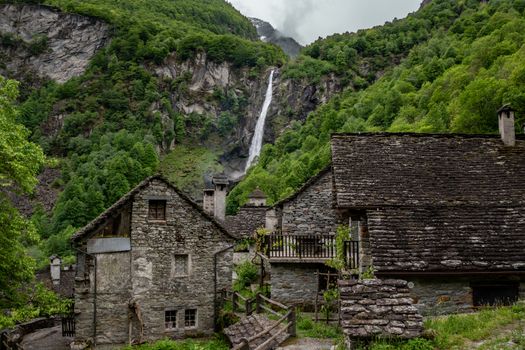
The Sweet Scent of Serenity: My First Glimpse of Alpine Bliss
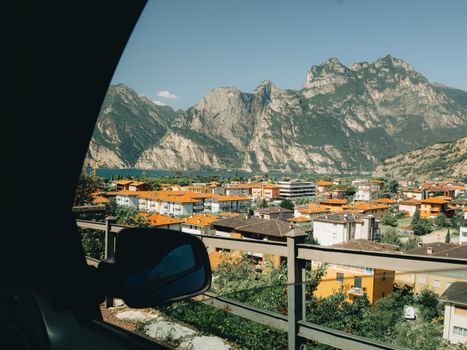
I stepped off the train, and it hit me – a wave of crisp, pine-scented air so pure it felt like a baptism. Below me, the valley floor was a patchwork of emerald fields, but my gaze was drawn upwards, to where the jagged peaks kissed the impossibly blue sky. The distant chime of cowbells drifted on the breeze, a gentle melody that promised peace. This wasn't just a destination; it was a feeling, an invitation to slow down and breathe. This is the magic of mountain villages, and I'm here to share the secrets the experts are whispering about for your next perfect overnight trip.
Why Overnight in a Mountain Village? It's More Than Just a View.
Sure, you can do a day trip. But to truly experience a mountain village, you need to stay. It’s about waking up to the sunrise painting the peaks in hues of rose and gold, sharing a hearty meal with locals in a dimly lit tavern, and feeling the silence descend as the stars ignite the night sky. It’s about shedding the hustle and embracing a pace dictated by nature, not by deadlines. These aren't just places to visit; they're places to be.
The Experts' Top Picks: Your Next Overnight Mountain Escape
I've scoured the globe, consulted with seasoned trekkers, and followed the whispers of those who know mountains best. Here are the crème de la crème – villages that offer that perfect blend of charm, accessibility, and soul-stirring beauty for an unforgettable overnight stay.
---
1. Hallstatt, Austria: The Fairytale Frozen in Time
The Hook:
Imagine this: a village so impossibly picturesque it looks like it was plucked from a storybook and placed by a crystal-clear lake, framed by dramatic, sheer cliffs. That was my first impression of Hallstatt. The scent of woodsmoke mingled with fresh lake air, and the gentle lapping of water against ancient wooden boats was a lullaby.
The Meat:
Hallstatt, a UNESCO World Heritage site, is renowned for its traditional alpine architecture, characterized by pastel-colored houses with ornate wooden balconies overflowing with geraniums. The village clings to the western shore of the Hallstätter See, with the imposing Dachstein massif rising majestically behind it. Wandering its narrow, cobbled streets feels like stepping back centuries.
Insider Intel:
* The Salt Mine: Don't just admire the village; explore its history. The Salzwelten Hallstatt, one of the oldest salt mines in the world, offers an incredible underground journey with slides and a subterranean lake.
* Skywalk "Welterbeblick": For that postcard-perfect panorama, take the funicular up to the Skywalk. The views are simply breathtaking, especially during golden hour.
* Malerwinkel (Painters' Corner): This iconic viewpoint offers the classic Hallstatt reflection shot. Aim for early morning or late evening for fewer crowds and softer light.
Quick Facts: Hallstatt, Austria
| Category | Details |
| :-------------- | :------------------------------------ |
| Estimated Cost | $$$-$$$$ (Accommodation can be pricey) |
| Best Time to Visit | Spring (April-May) for blossoms, Autumn (September-October) for fall colors. Summer is peak season. |
| How to Get There | Train to Hallstatt Bahnhof, then a short ferry ride across the lake to the village. Driving is possible but parking is limited and expensive. |
Authenticity:
The aroma of freshly baked "Brot" (bread) wafting from local bakeries, the distinct "Glockenläuten" (bell ringing) from the Parish Church, and the genuine warmth of the locals who still call this magical place home.
---
2. Gimmelwald, Switzerland: The Unplugged Paradise
The Hook:
My boots crunched on the gravel path, the only sound besides the distant roar of a waterfall and the occasional bleating of a sheep. Gimmelwald isn't about grand entrances; it’s about a gradual surrender to simplicity. The air here is so clean it almost stings, and the smell of fresh hay and wild herbs is intoxicating.
The Meat:
Perched precariously on a ledge above the Lauterbrunnen Valley, Gimmelwald is a car-free hamlet that has resisted the temptations of mass tourism. It’s the Switzerland of postcards and dreams: traditional wooden chalets, flower-draped balconies, and a backdrop of some of the most dramatic peaks in the Alps, including the Eiger, Mönch, and Jungfrau.
Insider Intel:
* The "Honesty Shop": Gimmelwald operates on trust. Many small shops and even a ski lift are run on an "honesty" system where you pay into a box.
* Hiking Galore: This is a hiker's paradise. Trails lead to stunning viewpoints, neighboring villages like Mürren, and incredible alpine meadows.
* Learn to Ski (or Snowboard) the Old School Way: In winter, Gimmelwald offers a truly authentic, less commercialized ski experience.
Quick Facts: Gimmelwald, Switzerland
| Category | Details |
| :-------------- | :------------------------------------ |
| Estimated Cost | $$-$$$ (More affordable than many Swiss villages) |
| Best Time to Visit | Summer (June-September) for hiking and green landscapes. Winter (December-March) for a charming, snowy retreat. |
| How to Get There | Train to Lauterbrunnen, then a cable car to Grütschalp, followed by a scenic train to Mürren. From Mürren, take the cable car down to Gimmelwald. No cars allowed! |
Authenticity:
The "Alpkäse" (alpine cheese) made with milk from cows grazing on mountain pastures, the "Holzhaus" (wooden houses) that have stood for generations, and the palpable sense of community where everyone knows each other.
---
3. Chefchaouen, Morocco: The Blue Pearl of the Rif Mountains
The Hook:
I wandered into the medina, and it felt like stepping into an azure dream. Every wall, every doorway, every single step was painted in a mesmerizing spectrum of blues. The air was thick with the aroma of mint tea, exotic spices, and a hint of something floral, carried on a gentle breeze that rustled through the narrow alleyways.
The Meat:
Nestled in the Rif Mountains, Chefchaouen is a visual masterpiece. Its medina, or old city, is a labyrinth of cobalt-blue-washed buildings, creating a surreal and incredibly photogenic atmosphere. Beyond the color, the city offers a glimpse into traditional Moroccan life, with bustling souks selling hand-woven textiles, leather goods, and fragrant spices.
Insider Intel:
* Get Lost (Intentionally): The best way to experience Chefchaouen is to simply wander. Each turn reveals a new, stunning vista.
* Ras El Maa Waterfall: A short walk from the medina, this is where local women traditionally do their laundry. It's a lively and authentic spot.
* Spanish Mosque: Hike up to this mosque for panoramic views of the blue city, especially magical at sunset.
Quick Facts: Chefchaouen, Morocco
| Category | Details |
| :-------------- | :------------------------------------ |
| Estimated Cost | $-$$ (Very budget-friendly) |
| Best Time to Visit | Spring (March-May) and Autumn (September-November) for pleasant temperatures. |
| How to Get There | Bus from major Moroccan cities like Fez or Tangier. Nearest airport is Tangier (TNG). |
Authenticity:
The "Tagine" (slow-cooked stew) simmering with local vegetables and lamb, the intricate "Zellij" (mosaic tilework) adorning fountains, and the rhythmic call to prayer echoing through the blue streets.
---
4. Shirakawa-go, Japan: A Living UNESCO Heritage Village
The Hook:
As I approached, the sight of those distinctive steeply thatched roofs, designed to withstand heavy snow, against a backdrop of lush green rice paddies felt utterly timeless. The air was clean and carried the faint scent of damp earth and wood. It was like stepping onto a perfectly preserved historical film set.
The Meat:
Shirakawa-go, located in the mountainous Gifu Prefecture, is famous for its traditional gassho-zukuri farmhouses. These unique architectural marvels, with their steeply pitched roofs resembling hands in prayer, were built without nails and have housed generations of families. The village is a UNESCO World Heritage site and offers a serene glimpse into rural Japanese life.
Insider Intel:
* Stay in a Gassho-zukuri House: For the ultimate overnight experience, book a stay in one of the farmhouses converted into minshuku (guesthouses). It's an unparalleled immersion into local life.
* Shiroyama Viewpoint: Offers the iconic panoramic view of the village, especially stunning with snow in winter or vibrant greenery in summer.
* Myozenji Temple: A functioning temple with a gassho-zukuri style main hall and bell tower.
Quick Facts: Shirakawa-go, Japan
| Category | Details |
| :-------------- | :------------------------------------ |
| Estimated Cost | $$-$$$ (Minshuku stays can vary) |
| Best Time to Visit | Winter (December-February) for a magical snow-covered landscape. Spring (April-May) for cherry blossoms. |
| How to Get There | Bus from Kanazawa or Takayama. Nearest major airport is Chubu Centrair International Airport (NGO) near Nagoya. |
Authenticity:
The "Minka" (traditional houses) themselves, the "Irori" (sunken hearth) where families gathered, and the subtle "tatami" (straw mat) scent that permeates the guesthouses.
---
5. Colmar, France: A Slice of Alsatian Enchantment
The Hook:
I rounded a corner and found myself in "La Petite Venise" (Little Venice). The air here was different – a delightful mix of freshly baked croissants, blooming flowers, and the gentle murmur of the Lauch River. Half-timbered houses in shades of ochre, pink, and blue, reflected in the water, created a scene of pure, unadulterated charm.
The Meat:
Colmar, in the Alsace region of France, feels like it was designed by Disney, but it's wonderfully real. Its remarkably preserved Old Town boasts a stunning collection of Alsatian architecture, characterized by its colorful, half-timbered houses with steep roofs and flower-laden window boxes. The canals of "La Petite Venise" add an extra layer of romance.
Insider Intel:
* Boat Tour on the Lauch: A gentle boat ride through "La Petite Venise" offers a unique perspective of the colorful buildings.
* Unterlinden Museum: Home to the famous Isenheim Altarpiece, this museum is housed in a former convent and is a must-visit for art lovers.
* Local Wine Route: Colmar is the perfect base to explore the Alsace Wine Route, famous for its dry white wines like Riesling and Gewürztraminer.
Quick Facts: Colmar, France
| Category | Details |
| :-------------- | :------------------------------------ |
| Estimated Cost | $$-$$$ |
| Best Time to Visit | Spring (April-May) for blossoms and fewer crowds. Christmas markets (late Nov-Dec) are world-renowned. |
| How to Get There | Train from Strasbourg or Basel. Nearest major airport is EuroAirport Basel Mulhouse Freiburg (BSL). |
Authenticity:
The distinct "Alsatian dialect" you might overhear, the aroma of "Tarte Flambée" (Flammekueche) from local brasseries, and the intricate "Fachwerk" (half-timbering) that defines the town's unique architectural style.
---
Planning Your Perfect Mountain Overnight: Pro-Tips from the Pros
- Book Ahead, Especially for Unique Stays: Villages like Shirakawa-go with gassho-zukuri stays book up months in advance. Don't delay!
- Pack Layers: Mountain weather is notoriously fickle. Be prepared for sunshine, rain, and cooler temperatures, even in summer.
- Embrace Local Transport: Many of these villages are best explored on foot or via local cable cars and ferries. It's part of the adventure!
- Learn a Few Local Phrases: A simple "hello" or "thank you" in the local language goes a long way in fostering genuine connections.
- Check Local Event Calendars: You might stumble upon a charming local festival or market that will enrich your experience.
- Download Offline Maps: Connectivity can be spotty in remote mountain areas.
The Soulful Return: More Than Just a Trip
Leaving a mountain village is always a little bittersweet. You carry with you not just photographs, but the lingering scent of pine, the memory of starlit skies, and the peaceful rhythm that seeped into your bones. These are the overnight trips that don't just offer a change of scenery; they offer a change of perspective. So, where will your next mountain escape take you?