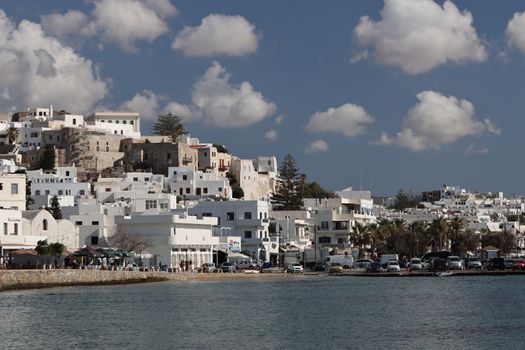
The Hook: A Sensory Symphony in Lisbon's Alfama
I stepped off the tram, the iconic yellow carriage groaning as it ascended Lisbon's impossibly steep hills. But it wasn't just the familiar clatter and the salty tang of the Tagus River that hit me. It was the aroma. A subtle, yet insistent, whisper of star anise and something deeply savory, mingling with the sweet perfume of jasmine tumbling from wrought-iron balconies. It was a scent I'd usually associate with a bustling night market in Bangkok or a quiet temple courtyard in Kyoto. Yet, here I was, in Lisbon. This was my first inkling that Europe, my well-trodden playground, was quietly, beautifully, developing a captivating Asian heartbeat. This isn't about overt imitation; it's about a subtle, organic fusion, a whisper of the East woven into the very fabric of European cities, emerging with a fresh, undeniable allure this year.
The Rise of the 'Neo-Asian' European City
For years, we've seen pockets of Asian influence – a Chinatown here, a sushi restaurant there. But something has shifted. A new wave of cities is embracing and integrating Asian aesthetics, culinary traditions, and spiritual practices in ways that feel organic, exciting, and utterly unique. It's not about theme parks; it's about genuine cultural exchange, driven by migration, globalized palates, and a desire for deeper, more nuanced travel experiences. These emerging destinations offer a passport to two worlds without ever leaving the continent.
Why Now? The Cultural Confluence
Several factors are fueling this exciting trend:
- Increased Migration & Diaspora: Vibrant Asian communities have long enriched European cities. This year, their influence is becoming more visible, shaping neighborhoods, businesses, and local culture in profound ways.
- Globalized Palates: Travelers are more adventurous than ever, seeking authentic flavors. This demand is driving a boom in innovative Asian-inspired eateries, from Michelin-starred fusion concepts to humble, family-run noodle shops.
- Aesthetic Appreciation: The minimalist elegance of Japanese design, the vibrant colors of Southeast Asian textiles, and the spiritual tranquility of Buddhist architecture are finding their way into urban planning, interior design, and public art.
- The Search for the 'Next Big Thing': Savvy travelers are always looking for destinations that offer something fresh, something that feels undiscovered. These 'Neo-Asian' European cities are precisely that – offering a familiar continent with an exhilarating, unexpected twist.
---
1. Porto, Portugal: The Fado & Futomaki Fusion
Lisbon might have been my initial awakening, but Porto solidified the trend. Stepping into the Ribeira district, with its azulejo-tiled buildings and the Douro River glinting underfoot, is a classic European dream. But wander a few blocks north, and the whispers of Asia grow louder.
Porto's Secret Spice Trail
Forget the traditional bacalhau for a moment. Porto's culinary scene is undergoing a delicious revolution. You'll find innovative restaurants playfully blending Portuguese ingredients with Japanese precision and Thai spice.
- Pro-Tip: Seek out the small, unmarked eateries in the Cedofeita district. I stumbled upon a tiny spot serving the most incredible 'Bacalhau à Brás' with a hint of lemongrass and chili, a revelation that perfectly encapsulated Porto's new culinary identity.
- Insider's Insight: The influence isn't just on the plate. Many new cafes and boutiques are adopting a minimalist, clean aesthetic reminiscent of Japanese interior design, creating serene urban oases.
Beyond the Plate: A Glimpse of Zen
While not overtly Buddhist, Porto’s embrace of tranquility is palpable. The quiet courtyards of historic buildings, the meticulous upkeep of public gardens, and a general appreciation for understated beauty echo a Zen sensibility.
Quick Facts: Porto's Asian Edge
| Category | Details |
| :--------------- | :-------------------------------------------------------------------------------------------------- |
| Estimated Cost | $ (Budget-friendly to Mid-range) |
| Best Time to Visit | Spring (April-May) or Autumn (September-October) for pleasant weather and fewer crowds. |
| How to Get There | Direct flights to Porto Airport (OPO) from major European hubs. High-speed rail connects to Lisbon. |
---
2. Valencia, Spain: The Paella Meets Pho Phenomenon
Valencia, the birthplace of paella, might seem an unlikely candidate for Asian fusion. Yet, this vibrant Mediterranean city is quietly cultivating a remarkable Asian character, particularly in its burgeoning food scene and the growing presence of Southeast Asian communities.
The Culinary Crossroads
Valencia's love affair with fresh produce and communal dining makes it a perfect canvas for Asian flavors. The traditional focus on rice dishes has paved the way for a fascinating evolution.
- Pro-Tip: Explore the Ruzafa neighborhood. Here, you'll find an explosion of Vietnamese pho restaurants, authentic Thai curries, and innovative Spanish-Asian tapas bars. Don't miss the 'Paella de Marisco' infused with galangal and lime, a daring yet delightful experiment.
- Insider's Insight: The 'Mercado Central,' one of Europe's oldest and largest food markets, is now a kaleidoscope of flavors, with vendors offering everything from exotic fruits to freshly made dumplings.
A City of Contrasts, Embracing Serenity
Beyond the bustling markets and lively nightlife, Valencia offers pockets of calm that resonate with Asian philosophies. The Turia Garden, a vast park built in a former riverbed, provides a green sanctuary for contemplation, much like a traditional Japanese garden.
Quick Facts: Valencia's Asian Pulse
| Category | Details |
| :--------------- | :----------------------------------------------------------------------------------------------------------------- |
| Estimated Cost | $ (Budget-friendly to Mid-range) |
| Best Time to Visit | Spring (March-May) for pleasant temperatures and the famous Fallas festival (March), or Autumn (September-October). |
| How to Get There | Valencia Airport (VLC) with connections across Europe. High-speed trains to Madrid and Barcelona. |
---
3. Berlin, Germany: The Kreuzberg K-Town Renaissance
Berlin has always been a city of constant reinvention, a melting pot of cultures. While it's long had a significant Asian presence, this year sees a distinct evolution, particularly in its more bohemian districts, where Asian influences are being integrated with a distinctly Berlin edge.
Beyond the Currywurst: A Global Gastronomy Hub
Berlin's culinary landscape is legendary for its diversity, and its Asian offerings are reaching new heights of sophistication and authenticity.
- Pro-Tip: Dive into the streets of Kreuzberg and Neukölln. You'll find an incredible array of Korean BBQ joints, authentic Sichuan restaurants, and innovative ramen bars. Look for the 'Koreatown' pop-ups, often held in unexpected venues, offering bold flavors and a lively atmosphere.
- Insider's Insight: The 'Markthalle Neun' street food market is a must-visit. While it offers global cuisine, the Asian vendors here are pushing boundaries, creating unique fusion dishes that reflect Berlin's experimental spirit. Think German potato dumplings with a kimchi twist.
Aesthetics of Resilience and Minimalism
Berlin's art and design scene has always been forward-thinking. This year, you'll notice a growing appreciation for East Asian minimalist design, evident in new cafes, galleries, and co-working spaces. The stark, functional beauty often found in Japanese and Scandinavian design blends seamlessly with Berlin's industrial chic.
Quick Facts: Berlin's Asian Undercurrent
| Category | Details |
| :--------------- | :------------------------------------------------------------------------------------------------------------------------------------ |
| Estimated Cost | $$ (Mid-range to Higher-end, depending on district) |
| Best Time to Visit | Late Spring (May-June) or Early Autumn (September-October) for comfortable weather and vibrant outdoor life. |
| How to Get There | Berlin Brandenburg Airport (BER) with extensive international connections. Excellent train network across Germany and Europe. |
---
4. Rotterdam, Netherlands: The Modern Metropolis with a Mekong Soul
Rotterdam, a city rebuilt with bold, modern architecture after WWII, is embracing its multicultural identity. While its Dutch roots are undeniable, a growing community from Southeast Asia is infusing the city with vibrant flavors and cultural nuances.
The Port City's Culinary Exchange
As a major port city, Rotterdam has always been a hub for global trade and exchange. This legacy is now translating into a dynamic culinary scene where Asian influences are flourishing.
- Pro-Tip: Explore the Katendrecht district and the Oude Haven (Old Harbor). You'll discover authentic Indonesian 'rijsttafel' (rice table) experiences, Vietnamese pho shops, and innovative Thai eateries. Look for 'Bánh mì' sandwiches with Dutch cheese, a surprisingly delicious local innovation.
- Insider's Insight: The Fenix Food Factory is a fantastic spot to sample a variety of global street foods, including some exceptional Asian-inspired options. The industrial setting perfectly complements the city's modern vibe.
Architectural Echoes and Urban Gardens
Rotterdam's striking modern architecture, with its clean lines and functional design, shares a kinship with certain East Asian architectural principles. Beyond the concrete, you'll find a growing appreciation for urban green spaces and contemplative areas, reflecting a desire for balance and tranquility.
Quick Facts: Rotterdam's Asian Fusion
| Category | Details |
| :--------------- | :------------------------------------------------------------------------------------------------------------------------------------ |
| Estimated Cost | $$ (Mid-range) |
| Best Time to Visit | Late Spring (May-June) or Summer (July-August) for pleasant weather and lively city atmosphere. |
| How to Get There | Rotterdam The Hague Airport (RTM) with limited international flights; easily accessible from Amsterdam Schiphol (AMS) by train. |
---
5. Stockholm, Sweden: The Nordic Zen and Asian Elegance
Stockholm, with its archipelago of islands and its dedication to sleek design, might seem far removed from Asia. However, a subtle but growing trend towards "Nordic Zen" – a fusion of minimalist aesthetics and mindful living – is finding a harmonious partner in East Asian philosophies.
The Art of Simplicity: East Meets North
Stockholm's long-standing appreciation for clean lines, natural materials, and functional beauty aligns perfectly with Japanese design principles.
- Pro-Tip: Explore the Östermalm and Södermalm districts. You'll find high-end Japanese restaurants focusing on omakase, minimalist cafes serving matcha, and boutiques stocking ethically sourced goods with an East Asian aesthetic. Seek out 'Fika' (Swedish coffee break) spots that incorporate Japanese sweets, like delicate mochi.
- Insider's Insight: The Fotografiska Museum often features exhibitions that explore themes of mindfulness and aesthetics, drawing parallels between global cultures. Many new interior design stores are adopting a "Japandi" (Japanese-Scandinavian) style.
Finding Serenity in the Cityscape
The Swedes' innate connection to nature and their pursuit of 'lagom' (just the right amount) resonates deeply with the concept of finding balance and tranquility.
Quick Facts: Stockholm's Nordic-Asian Blend
| Category | Details |
| :--------------- | :------------------------------------------------------------------------------------------------------------------------------------ |
| Estimated Cost | $$$ (Higher-end) |
| Best Time to Visit | Late Spring (May-June) for long daylight hours and blooming nature, or Early Autumn (September) for beautiful fall colors. |
| How to Get There | Stockholm Arlanda Airport (ARN) with excellent international connections. Well-connected by train and ferry. |
---
Beyond the Obvious: Pro-Tips for Experiencing the Fusion
This isn't about finding a Chinatown. It's about immersing yourself in the subtle, yet profound, ways Asian cultures are enriching European cities.
- Embrace the Street Food: The most exciting culinary innovations often happen at street level. Be adventurous!
- Look for Independent Boutiques: These are often the first places to showcase new design trends and artisanal products.
- Engage with Locals: Ask about their favorite spots and hidden gems. They'll often lead you to the most authentic experiences.
- Visit Markets Early: For the freshest produce and the most authentic atmosphere, hit the markets at dawn.
- Seek Out Cultural Centers: Many cities have Asian cultural centers that host events, workshops, and exhibitions, offering a deeper dive into specific traditions.
- Learn a Few Basic Phrases: Even a simple "hello" or "thank you" in the local language can open doors and create connections.
The Future of European Travel is a Global Tapestry
This emerging trend of European cities embracing Asian vibes is more than just a travel fad; it's a reflection of our increasingly interconnected world. It offers a richer, more nuanced way to experience Europe, one that celebrates diversity and fosters a deeper understanding of global cultures. So, pack your bags, open your mind, and get ready to discover a Europe you never knew existed – a continent where the East and West don't just meet, they dance.
---