The Ultimate Guide: How to Travel Europe Entirely by Train Worth Considering
I stepped off the train in Florence, the scent of roasting chestnuts and damp cobblestones filling the crisp autumn air. The duomo loomed, a terracotta titan against a sky painted in hues of apricot and rose. Just hours before, I’d been sipping a robust espresso in a bustling Milanese station, the rhythmic clatter of departing trains a familiar lullaby. This is the magic of Europe by train – a seamless, sensory journey where the destination is as much about the transit as the arrival. Forget the sterile purgatory of airport security; embrace the romance of the rails.
Why the Train is Your New Best Friend for European Adventures
In an era obsessed with speed and efficiency, the train offers a refreshing counterpoint: a slower, more immersive way to experience a continent. It’s not just about getting from Point A to Point B; it’s about the unfolding landscapes, the fleeting glimpses of local life, and the sheer, unadulterated joy of travel without the hassle.
- Eco-Conscious Elegance: Trains are significantly more environmentally friendly than flying. By choosing rail, you're actively reducing your carbon footprint, making your European adventure a sustainable one.
- Seamless City-to-City Access: Most major European cities have central train stations, often within walking distance or a short tram ride of the main attractions. No more long transfers from distant airports!
- Unrivaled Scenery: The best views in Europe aren't from 30,000 feet. They're from your window seat, as you glide past emerald vineyards, dramatic coastlines, and charming medieval villages.
- Comfort and Convenience: Forget cramped seats and baggage restrictions. Train travel offers more legroom, the freedom to move around, and the ability to bring a reasonable amount of luggage. Plus, onboard dining and Wi-Fi are often available.
- The Romance Factor: There’s an undeniable charm to train travel. The gentle sway, the rhythmic click-clack, the shared experience with fellow travelers – it harks back to a golden age of exploration.
Crafting Your Dream Itinerary: From High-Speed to Scenic Sprints
Europe’s rail network is a masterpiece of engineering and a testament to its interconnectedness. Whether you crave the efficiency of high-speed lines or the leisurely pace of a scenic route, there’s a journey for every traveler.
The High-Speed Highway: Connecting Major Hubs Swiftly
For those looking to cover a lot of ground without sacrificing comfort, Europe’s high-speed rail network is your answer. Think of it as the continent’s arterial system, whisking you between capital cities in a matter of hours.
- France's TGV: The pioneer of high-speed rail, the TGV connects Paris with cities like Lyon, Marseille, and the French Riviera. Pro-Tip: Book tickets well in advance, especially for popular routes like Paris to Avignon, to secure the best prices.
- Germany's ICE: The Intercity-Express (ICE) is Germany’s flagship high-speed service, linking Berlin, Munich, Hamburg, and beyond. Pro-Tip: Look for the “Sitzplatzreservierung” (seat reservation) option; it’s usually a small fee but guarantees your spot.
- Italy's Frecciarossa/Italo: These sleek red and silver trains will zip you between Rome, Florence, Venice, and Milan at incredible speeds. Pro-Tip: The competition between Trenitalia (Frecciarossa) and Italo means you can often find great deals if you compare prices.
- Spain's AVE: The Alta Velocidad Española (AVE) is one of the world’s fastest, connecting Madrid with Barcelona, Seville, and Valencia. Pro-Tip: Consider the overnight AVE sleeper trains for longer journeys to save on accommodation.
The Scenic Sojourns: Where the Journey is the Destination
Sometimes, the most memorable parts of a trip are the landscapes that drift past your window. These routes are designed for soaking in the beauty.
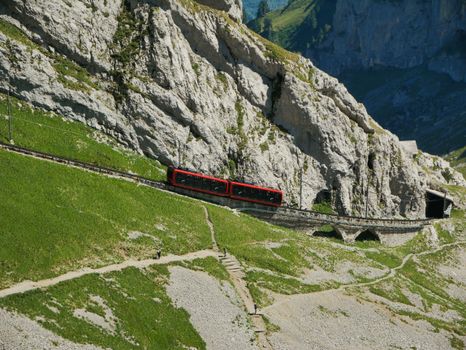
- The Bernina Express (Switzerland/Italy): Often called the "red train," this UNESCO World Heritage route traverses the Swiss Alps and descends into the Italian lakes. Expect breathtaking glacier views, viaducts, and palm trees. Pro-Tip: The panoramic carriages offer unobstructed views, but book them early!
- The Cinque Terre (Italy): While not a single train line, the local trains connecting the five colorful villages of Cinque Terre are essential. The journey itself offers stunning coastal vistas. Pro-Tip: Purchase a Cinque Terre Card for unlimited train travel between the villages and access to hiking trails.
- The West Highland Line (Scotland): From Glasgow to Mallaig, this route is a dramatic journey through lochs, mountains, and moors. It's the setting for the Hogwarts Express! Pro-Tip: Consider a stop in Fort William, the "Outdoor Capital of the UK."
- The Rhine Valley Line (Germany): A picturesque route that winds along the river, passing medieval castles and vineyards. Pro-Tip: Hop on and off to explore charming towns like Bacharach and Rüdesheim.
Overnight Adventures: Sleeping Your Way Across Borders
Maximizing your time and saving on accommodation? Overnight trains are a romantic and practical solution.
- The Nightjet (Austria/Germany/Switzerland/Italy): This network offers couchettes and sleeper cabins connecting major cities. Pro-Tip: Opt for a private sleeper cabin for ultimate comfort and privacy. Bring an eye mask and earplugs for the best sleep.
- The Caledonian Sleeper (UK): Travel from London to Scotland overnight, waking up refreshed in Edinburgh or Glasgow. Pro-Tip: The "Club Car" offers a more luxurious dining experience.
Navigating the Labyrinth: Passes, Tickets, and Practicalities
Understanding how to book and travel is key to a stress-free European train adventure.
Rail Passes vs. Point-to-Point Tickets: Which is Right for You?
- Eurail Pass (for non-European residents) / Interrail Pass (for European residents): These passes offer flexibility. You pay a flat fee for a certain number of travel days within a set period.
- Pros: Flexibility to change plans, can be cost-effective if you plan to travel extensively and spontaneously.
- Cons: Requires seat reservations on many high-speed and overnight trains (additional cost), can be more expensive if you only plan a few short trips.
- Quick Fact: A 15-day Eurail Global Pass can range from $350-$600+ depending on the class and age.
- Point-to-Point Tickets: Buying individual tickets for each journey.
- Pros: Can be cheaper if you book in advance and know your itinerary, no need for reservations on standard trains.
- Cons: Less flexibility, prices increase closer to the travel date.
- Pro-Tip: Websites like Trainline, Omio, and Rail Europe are excellent for comparing prices and booking tickets across different operators. Always check the official national rail operator's website too (e.g., SNCF for France, Deutsche Bahn for Germany).
The Art of Seat Reservations
While not always mandatory, seat reservations are highly recommended, especially on:
- High-speed trains: TGV, ICE, Frecciarossa, AVE.
- Overnight trains: For couchettes or sleeper cabins.
- Peak travel times: Holidays, weekends, and summer months.
Pro-Tip:
If your pass doesn't include reservations, you can usually book them online or at the station. Factor in an average of $5-$15 per reservation.
Baggage Basics & Boarding Blues
- Luggage: Generally, there are no strict weight limits, but you must be able to handle your own bags. Look for overhead racks or designated luggage areas.
- Boarding: Arrive at the station at least 20-30 minutes before departure. Find your platform number on the departure boards. Trains usually depart from a specific platform number, and you can board when it's announced.
- Platform Etiquette: Be mindful of others. Keep your luggage out of the aisle.
Essential Apps and Tools for the Savvy Train Traveler
- Rail Planner App (Eurail/Interrail): Essential for planning routes, checking timetables, and managing your pass.
- Trainline / Omio: Excellent for booking tickets and comparing prices across multiple operators.
- Google Maps: For navigating to/from stations and exploring your destination.
- XE Currency Converter: For easy currency calculations.
Quick Facts: Your Train Travel Cheat Sheet
| Feature | Details | Estimated Cost ($) | Best Time to Visit | How to Get There |
| :---------------- | :---------------------------------------------------------------------- | :----------------- | :----------------- | :--------------------------------------------------- |
| Pass Options | Eurail/Interrail Global Pass (e.g., 15 days continuous) | $350 - $600+ | Spring, Autumn | Purchase online before your trip |
| Point-to-Point| Individual tickets (booked in advance) | $30 - $150+ per trip | Year-round | Book online via operator sites or aggregators |
| Seat Reservations | Mandatory on many high-speed/overnight trains | $5 - $15 per journey | Year-round | Book online or at station |
| Accommodation | Overnight trains (couchette/sleeper) | $50 - $150+ per night | Year-round | Book in advance |
| Food & Drink | Onboard cafes, station snacks, picnics | $15 - $40 per day | Year-round | Pack snacks or buy at stations/onboard |
| Connectivity | Wi-Fi available on many trains, but can be spotty. Consider a local SIM. | $10 - $30 per month | Year-round | Purchase at airport or local stores |
Insider Tips for a Truly Unforgettable Journey
- Embrace the Local: Don't just stick to the obvious. Use your train travel to discover smaller towns and villages often overlooked by mass tourism. A short hop from a major city can reveal hidden gems.
- Pack a Picnic: For scenic routes or longer journeys, a picnic basket filled with local cheeses, crusty bread, and regional wine is an experience in itself.
- Learn a Few Phrases: A simple "Bonjour," "Danke," or "Grazie" goes a long way with conductors and fellow passengers.
- Observe the Station Architecture: European train stations are often architectural marvels. Take a moment to appreciate the grand halls and intricate details.
- Be Flexible: While planning is crucial, allow for spontaneous detours. The beauty of a rail pass is the freedom to change your mind.
- Engage with Locals: Train journeys are a fantastic way to strike up conversations. You might get the best recommendations from a fellow traveler.
- The 7 AM Rule: If you're visiting a popular station during peak season, arriving around 7 AM can offer a brief window of relative quiet before the main rush.
- Hidden Entrances/Exits: In larger cities, sometimes the most convenient or least crowded station entrance is not the main one. Look for smaller side entrances or follow local signage.
The Final Whistle: Why You Should Go Now
Traveling Europe entirely by train is more than just a mode of transport; it’s a philosophy. It’s about savoring the journey, connecting with the landscape, and embracing a more mindful way to explore. It’s the rustle of a newspaper in the morning, the clinking of glasses as the sun sets over rolling hills, and the quiet thrill of arriving in a new city, ready for adventure. So, pack your bags, book that ticket, and let the rails carry you through the heart of Europe. Your unforgettable adventure awaits.
---