The Hook: A Whispered Secret in the Alpine Air
I stepped off the train in Hallstatt, Austria, and the air itself seemed to shimmer. It wasn't just the crisp, pine-scented breeze; it was the scent of woodsmoke mingling with something sweet, perhaps freshly baked gingerbread, and the distant, melodic chime of church bells. The lake, a mirror of the impossibly blue sky, lapped gently at the shore, reflecting a tableau of pastel-colored houses clinging precariously to the mountainside. This, I thought, was it. The feeling of stepping back in time, of finding a place so perfectly preserved, so utterly enchanting, that it felt like a dream. And while Prague undoubtedly holds a special place in many hearts, I've discovered a constellation of medieval towns across Europe that offer a similar, if not more potent, dose of magic – often with fewer selfie sticks.
Beyond the Charles Bridge: Unveiling Europe's True Medieval Heart
Prague is a masterpiece, no doubt. Its Gothic spires and Baroque facades are iconic. But the relentless tide of tourism can sometimes dilute that authentic, lived-in charm. What if I told you there are places where the cobblestones still echo with centuries of history, where local artisans still ply their trades in centuries-old workshops, and where the scent of simmering goulash wafts from family-run taverns, not just tourist menus? These are the towns that experts, those in the know, whisper about. They are the hidden jewels that offer an unadulterated medieval experience, a chance to truly feel history rather than just observe it.
1. Rothenburg ob der Tauber, Germany: A Fairytale Frozen in Time
This is the town that launched a thousand fairytale fantasies. Stepping through the ancient gates of Rothenburg ob der Tauber feels like walking onto a meticulously crafted movie set, except it's gloriously real. The entire medieval old town is encircled by an intact defensive wall, complete with towers and ramparts that you can actually walk along.
- The Vibe: Imagine timber-framed houses painted in a riot of cheerful colors, window boxes overflowing with geraniums, and narrow, winding alleys that beg to be explored. The air here smells of freshly baked pretzels and, come evening, roasted chestnuts.
- Must-See: The Plönlein, that iconic fork in the road with its charming yellow house and tower, is even more magical in person. Don't miss the Kriminalmuseum (Criminal Museum) for a fascinating, albeit chilling, glimpse into medieval justice.
- Insider Tip: Take the Night Watchman's Tour. It's a theatrical journey through the town's history, filled with spooky tales and local lore, and it’s an absolute blast. The darkness truly brings the medieval atmosphere to life.
Quick Facts: Rothenburg ob der Tauber
| Category | Details |
| :------------- | :------------------------------------------------------------------------ |
| Estimated Cost ($) | $$ (moderate – can be budget-friendly with careful planning) |
| Best Time to Visit | Spring (April-May) for blossoms, Autumn (Sept-Oct) for fall colors. Avoid peak summer crowds. |
| How to Get There | Train from Nuremberg (approx. 1.5 hours) or Frankfurt (approx. 2.5 hours). Car rental is also an option. |
2. Český Krumlov, Czech Republic: Bohemian Bliss by the Vltava
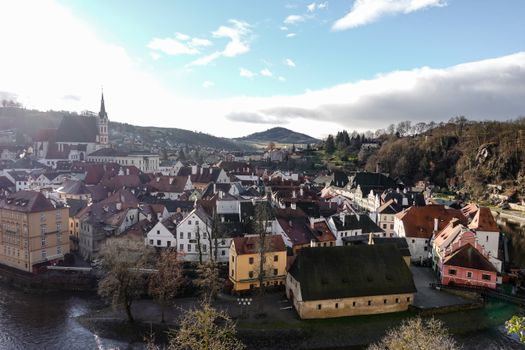
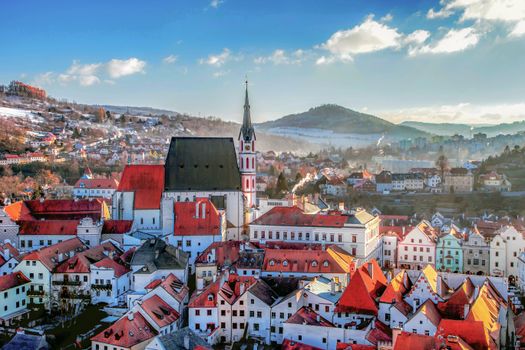
While Prague gets the lion's share of Czech Republic attention, Český Krumlov is its enchanting, smaller sibling. Nestled in a horseshoe bend of the Vltava River, this UNESCO World Heritage site boasts a magnificent castle complex that dominates the skyline, and a medieval old town that feels impossibly picturesque.
- The Vibe: The dominant colors here are the terracotta rooftops and the deep green of the surrounding hills. The scent of roasting pork and sweet trdelník (a rolled pastry) fills the air. The gentle murmur of the river is a constant companion.
- Must-See: The Český Krumlov Castle is a labyrinth of courtyards, gardens, and opulent interiors. The Baroque Theatre within the castle is one of the best-preserved in the world. Wander through the Latrán district with its artisan shops.
- Insider Tip: Rent a raft or canoe and paddle down the Vltava. Seeing the town from the water offers a completely unique and breathtaking perspective, especially as the castle looms above. Visit early morning to capture the mist rising off the river.
Quick Facts: Český Krumlov
| Category | Details |
| :------------- | :------------------------------------------------------------------------ |
| Estimated Cost ($) | $$ (affordable, especially compared to Western Europe) |
| Best Time to Visit | Late Spring (May-June) for pleasant weather and fewer crowds. Early Autumn (Sept) is also beautiful. |
| How to Get There | Bus from Prague (approx. 3 hours) is the most popular and convenient option. |
3. Bruges, Belgium: A Canal-Kissed Medieval Dream
Often called the "Venice of the North," Bruges is a tapestry of shimmering canals, medieval architecture, and the irresistible aroma of Belgian chocolate and waffles. It’s a town that invites you to slow down, to wander, and to get delightfully lost.
- The Vibe: The sound of horse-drawn carriages clopping on cobblestones, the gentle lapping of canal water, and the sweet, intoxicating scent of chocolate. The buildings here are often constructed from warm, red brick, giving the town a cozy, inviting feel.
- Must-See: A boat tour on the canals is non-negotiable. Climb the Belfry of Bruges for panoramic views (and a serious leg workout!). Explore the Burg Square, home to the stunning Basilica of the Holy Blood.
- Insider Tip: Seek out the Begijnhof (Beguinage). This tranquil, walled courtyard with whitewashed houses offers a serene escape from the bustling center. It’s a glimpse into a unique historical community. And, of course, sample as much chocolate as humanly possible.
Quick Facts: Bruges
| Category | Details |
| :------------- | :------------------------------------------------------------------------ |
| Estimated Cost ($) | $$$ (can be pricey, especially for accommodation and dining) |
| Best Time to Visit | Spring (April-May) and Autumn (Sept-Oct) offer pleasant weather and fewer crowds than summer. |
| How to Get There | Train from Brussels (approx. 1 hour). Easily accessible from major European hubs. |
4. Annecy, France: Alpine Charm and Crystal-Clear Waters
Perched on the shores of its namesake lake, with the majestic French Alps as a backdrop, Annecy is a postcard-perfect medieval town that feels both sophisticated and utterly charming. Its canals, often called "Little Venice," weave through the old town, creating a romantic and vibrant atmosphere.
- The Vibe: The scent of fresh pastries, savory crepes, and the crisp, clean air from the lake. The sound of chatter from riverside cafes and the gentle flow of water. The buildings are a delightful mix of pastel hues and stone.
- Must-See: The Palais de l'Isle, a former prison and courthouse situated on an island in the canal, is an iconic sight. Wander through the Vieille Ville (Old Town), explore the Château d'Annecy, and stroll along the lakefront.
- Insider Tip: Rent a rowboat or paddleboard on Lake Annecy. The views of the town and the surrounding mountains from the water are simply spectacular. Don't leave without trying a slice of Savoyard tartiflette – a hearty, delicious local specialty.
Quick Facts: Annecy
| Category | Details |
| :------------- | :------------------------------------------------------------------------ |
| Estimated Cost ($) | $$$ (moderate to expensive, especially during peak season) |
| Best Time to Visit | Summer (June-August) for lake activities and warm weather. Spring and Autumn are quieter and beautiful. |
| How to Get There | Train from Geneva, Switzerland (approx. 45 minutes) or Lyon, France (approx. 2 hours). |
5. Sintra, Portugal: A Romantic Fairytale Escape
Just a short train ride from Lisbon, Sintra feels like a world away. This mystical town, nestled in the Sintra Mountains, is a whimsical wonderland of colorful palaces, ancient castles, and lush, enchanted forests. It’s less about a single medieval town square and more about a collection of utterly unique, romantic historical sites.
- The Vibe: The air is thick with the scent of damp earth, blooming flowers, and hints of sweet pastries from local bakeries. The sounds are a mix of birdsong, rustling leaves, and distant, echoing music. The colors are vibrant and unexpected.
- Must-See: Pena Palace, with its vibrant colors and eclectic architectural styles, is a must. Explore the mysterious Quinta da Regaleira with its initiation well and hidden tunnels. The Moorish Castle offers breathtaking views.
- Insider Tip: Wear comfortable shoes – you'll be doing a lot of walking and climbing! Consider purchasing a combined ticket for multiple attractions. And absolutely try a Queijada de Sintra (a small cheese tart) – they are addictive!
Quick Facts: Sintra
| Category | Details |
| :------------- | :------------------------------------------------------------------------ |
| Estimated Cost ($) | $$ (can be budget-friendly if you plan carefully and eat locally) |
| Best Time to Visit | Spring (March-May) and Autumn (September-October) for pleasant temperatures and fewer crowds. |
| How to Get There | Train from Lisbon's Rossio Station (approx. 40 minutes). This is the easiest and most recommended way. |
The Unseen Magic: Why These Towns Capture the Soul
What makes these towns more charming than Prague for some? It’s the intimacy. It’s the feeling of stumbling upon a secret, of being an explorer rather than just another tourist in a well-trodden path. It’s the quiet mornings where you can hear your own footsteps on the cobblestones, the evenings where local families gather in the town square, and the genuine smiles of shopkeepers who aren't just selling souvenirs, but sharing a piece of their heritage.
These places offer a more concentrated dose of medieval authenticity. You can still walk the ramparts, peek into artisan workshops, and savor meals in taverns that have been serving locals for generations. The architecture feels less like a museum and more like a living, breathing part of the community. The air is cleaner, the pace is slower, and the connection to history feels more profound.
Your Next Fairytale Awaits
So, while Prague will always hold its allure, consider venturing a little further, a little deeper. These towns are not just alternatives; they are destinations in their own right, each offering a unique, unforgettable journey into the heart of medieval Europe. They are the places that stay with you long after you've left, the whispered secrets you'll be eager to share.