The Scent of History: My First Glimpse of a True Medieval Gem
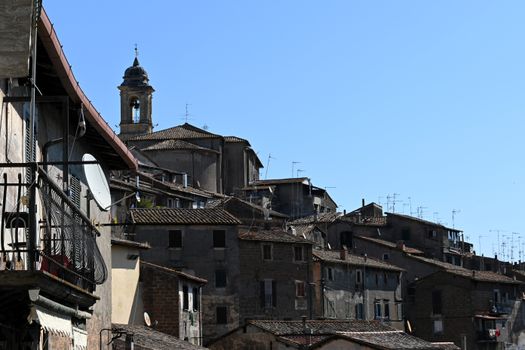
I stepped off the train, and the air itself felt different. Not the exhaust fumes of a bustling modern city, but a complex, intoxicating blend of damp earth, ancient stone, and the faintest whisper of woodsmoke. Sunlight, diffused by a morning mist, painted the scene in muted watercolors. Ahead, a impossibly narrow cobblestone lane, worn smooth by centuries of footsteps, beckoned. This wasn't just a town; it was a living, breathing storybook, and for a moment, I was its protagonist. Prague, with all its undeniable splendor, often feels like a grand performance. But this? This was an intimate whisper, a secret shared between me and the past.
Beyond the Postcard: Why Seek Out the "More Charming"
Prague is undeniably magnificent. Its astronomical clock, Charles Bridge, and castle complex are legendary for a reason. But sometimes, the sheer volume of visitors can dilute the magic. You jostle for space, book months in advance, and the "authentic" experience can feel a bit… manufactured. What if you could find that same breathtaking medieval atmosphere – the crooked timber-framed houses, the imposing ramparts, the hushed courtyards – but with fewer selfie sticks and more genuine encounters? That's the quest that led me to these hidden treasures, towns that possess a quiet, undeniable charm that rivals, and in some ways, surpasses, the Bohemian capital.
1. Rothenburg ob der Tauber, Germany: A Fairytale Frozen in Time
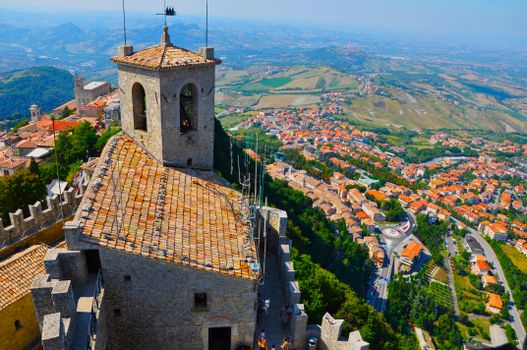
My first stop on this quest was a town so perfectly preserved, it felt like stepping onto a film set. Rothenburg ob der Tauber, nestled along Bavaria's Romantic Road, is the epitome of a medieval German town. As I walked along the Town Wall, a complete, intact fortification, the views were simply staggering. Below, a sea of steeply pitched red-tiled roofs punctuated by dormer windows and ornate gables stretched out. The air was crisp, carrying the faint aroma of gingerbread and mulled wine (even in spring!).
The Magic of the Medieval Walls
Walking the entire circuit of the town walls is an absolute must. It’s free, offers unparalleled perspectives, and you can pop in and out at various gates and towers.
* Pro-Tip: Visit the Plönlein, the iconic fork in the road with the Siebers Tower and Kobolzeller Tower. It’s touristy, yes, but utterly photogenic. Try to catch it in the early morning or late afternoon light for fewer crowds and softer shadows.
* Insider Secret: Don't miss the Kriminalmuseum (Criminal Museum). While it sounds grim, it’s a fascinating (and slightly gruesome) look at medieval justice and torture. It offers a stark contrast to the town’s postcard perfection.
Quick Facts: Rothenburg ob der Tauber
| Category | Details |
| :-------------- | :-------------------------------------------------------------------------- |
| Estimated Cost | $$ (Moderate) - Accommodation and dining can add up, but town entry is free. |
| Best Time to Visit | Spring (April-May) or Autumn (September-October) for pleasant weather and fewer crowds. |
| How to Get There | Train to Würzburg or Nuremberg, then a regional train to Rothenburg ob der Tauber. |
2. Bruges, Belgium: The "Venice of the North" with a Medieval Soul
Bruges. The name itself conjures images of glistening canals, elegant swans, and gabled facades. While it’s a popular destination, its sheer, overwhelming beauty and its incredibly well-preserved medieval core mean it absolutely deserves a spot on this list. The Market Square (Grote Markt), dominated by the Belfry, is a sight to behold. The Burg Square, with its intricate Gothic architecture, feels like stepping back centuries.
Navigating the Canals and Cobblestones
The best way to experience Bruges is on foot, or even better, by boat tour. Gliding along the canals offers a unique perspective on the city's architecture and history.
* Pro-Tip: Take a canal tour early in the morning. The light is magical, and you'll have a more serene experience before the main rush.
* Insider Secret: Seek out the Begijnhof (Beguinage). This tranquil courtyard, once home to pious women living in community, is an oasis of calm and offers a glimpse into a different facet of medieval life. The pure white houses and the ancient trees are incredibly peaceful. And of course, the chocolate shops are legendary – don't leave without trying some authentic Belgian pralines!
Quick Facts: Bruges
| Category | Details |
| :-------------- | :-------------------------------------------------------------------------- |
| Estimated Cost | $$$ (Expensive) - Bruges is a prime tourist destination, so expect higher prices. |
| Best Time to Visit | Shoulder seasons (April-May, September-October) to enjoy pleasant weather and fewer tourists than summer. |
| How to Get There | Direct train from Brussels (approx. 1 hour). |
3. Český Krumlov, Czech Republic: A Bohemian Jewel Box
Just a few hours south of Prague lies Český Krumlov, a town so picturesque it almost defies belief. It’s a UNESCO World Heritage site, and for good reason. The Vltava River snakes around the town in a dramatic horseshoe bend, cradling a labyrinth of narrow, winding streets and centuries-old buildings. The Český Krumlov Castle, a sprawling complex second only to Prague Castle in size, dominates the skyline, its distinctive Baroque tower a beacon.
Exploring the Castle and Old Town Maze
The castle is the undisputed star, with its stunning courtyards, opulent interiors, and the Baroque Theatre, one of the best-preserved in the world. But the real joy is getting lost in the Old Town.
* Pro-Tip: Hike up to the castle gardens for breathtaking panoramic views of the town, especially at sunrise or sunset.
* Insider Secret: Look for the Egon Schiele Art Centrum. It’s a contemporary art space, but its location within a historic building and its connection to the town's artistic heritage offer a unique cultural experience. Also, try the Trdelník, a sweet pastry cooked over an open flame – the smell alone is divine!
Quick Facts: Český Krumlov
| Category | Details |
| :-------------- | :-------------------------------------------------------------------------- |
| Estimated Cost | $$ (Moderate) - More affordable than Prague, offering great value. |
| Best Time to Visit | Late Spring (May-June) or early Autumn (September) for mild weather and fewer crowds. |
| How to Get There | Bus from Prague (approx. 2.5-3 hours) is the most convenient. |
4. Carcassonne, France: The Impregnable Walled City
Prepare to be awestruck. Carcassonne isn't just a medieval town; it's the medieval town. This fortified citadel, a UNESCO World Heritage site, is a breathtaking vision of double ramparts, countless turrets, and imposing gateways. Walking through the Porte Narbonnaise and into the Cité feels like stepping directly into a history book. The sheer scale of the fortifications is mind-boggling, and the views from the ramparts over the surrounding countryside are spectacular.
Immersing Yourself in the Cité
The Cité is a living, breathing medieval city, complete with shops, restaurants, and even hotels within its walls.
* Pro-Tip: Visit during the summer months for the medieval festivals and jousting tournaments. It truly brings the history to life.
* Insider Secret: Explore the Château Comtal (Count's Castle) within the Cité. The guided tour offers incredible insights into the defensive strategies and daily life of this formidable fortress. For a quieter experience, wander the lower ramparts after the day-trippers have left; the atmosphere as dusk settles is pure magic.
Quick Facts: Carcassonne
| Category | Details |
| :-------------- | :-------------------------------------------------------------------------- |
| Estimated Cost | $$ (Moderate) - While the Cité has tourist traps, you can find affordable dining and accommodation outside the walls. |
| Best Time to Visit | Spring (April-May) or Autumn (September-October) for pleasant weather and fewer crowds. Summer is vibrant but hot. |
| How to Get There | Train to Carcassonne station (from Toulouse or Montpellier). The Cité is a short bus ride or walk away. |
5. Tallinn, Estonia: A Baltic Fairytale with a Nordic Edge
Tallinn’s Old Town is a revelation. It's one of the best-preserved medieval cities in Northern Europe, and its UNESCO status is well-deserved. Picture cobbled lanes that twist and turn, leading to hidden courtyards, towering church spires, and imposing merchant houses. The Toompea Hill, crowned by its castle, offers panoramic views of the red-tiled rooftops and the glittering Baltic Sea. There’s a unique blend of Hanseatic League grandeur and Nordic simplicity here.
Discovering the Medieval Heart
The Old Town is divided into the Upper Town (Toompea) and the Lower Town, each with its own distinct character.
* Pro-Tip: Climb the Town Hall Tower for a truly spectacular 360-degree view of the Old Town and the harbor. Go just before sunset for an unforgettable panorama.
* Insider Secret: Explore the Kiek in de Kök Museum, a former cannon tower that now houses an exhibition on Tallinn's underground defense system. It’s a fascinating, slightly spooky dive into the city’s subterranean history. Don't forget to sample some Vana Tallinn liqueur – it’s as bold and rich as the city itself.
Quick Facts: Tallinn
| Category | Details |
| :-------------- | :-------------------------------------------------------------------------- |
| Estimated Cost | $$ (Moderate) - Generally more affordable than Western European counterparts. |
| Best Time to Visit | Summer (June-August) for long daylight hours and lively atmosphere. Spring and Autumn are also lovely but cooler. |
| How to Get There | Direct flights from many major European cities to Tallinn Airport (TLL). The Old Town is easily accessible by public transport or taxi. |
The Enduring Allure of the Medieval Dream
These towns, each with its unique character and undeniable charm, offer a potent reminder of a different era. They invite you to slow down, to wander, to get lost in the echoes of history. While Prague will always hold a special place in the hearts of travelers, sometimes the most profound experiences are found off the beaten path, in the quiet corners of Europe where the past still whispers its secrets. So, the next time you dream of medieval magic, consider these gems. You might just find a charm that’s even more captivating.