The Electric Tide: A New Dawn for Island Escapes
I stepped off the train, the salty air instantly kissing my face, a familiar perfume of freedom. But this time, something was different. The usual rumble of diesel engines from the ferry terminal was absent. Instead, a hushed hum, almost a whisper, greeted me. It was the sound of the future, a gentle promise of cleaner journeys to come. I was at the cusp of a revolution in island travel, and the silence was deafeningly beautiful.
For decades, island hopping has been synonymous with the thrum of engines, the smell of exhaust, and a sometimes jarring disconnect from the very nature we sought to experience. But that narrative is rapidly changing, thanks to the electrifying rise of electric ferry networks. These aren't just boats; they're silent ambassadors of sustainability, bridging the gap between our desire for adventure and our responsibility to the planet.
H2: The Silent Revolution: Why Electric Ferries Are a Game-Changer
The beauty of island travel lies in its exclusivity, its sense of being apart from the mainland rush. Yet, the very act of getting there often felt like a compromise. Traditional ferries, while vital arteries, are significant contributors to maritime pollution. Enter electric ferries – a paradigm shift that’s reshaping how we connect with our favorite islands.
What makes them so revolutionary?
- Zero Emissions: This is the headline. Electric ferries produce no direct emissions, drastically reducing air and water pollution. This means cleaner air on deck and a healthier marine environment for the ecosystems surrounding these cherished destinations.
- Whisper-Quiet Operation: The absence of roaring engines is transformative. Imagine gliding across turquoise waters with only the gentle lapping of waves and the calls of seabirds as your soundtrack. It enhances the tranquility of the journey and minimizes noise pollution for coastal communities.
- Reduced Running Costs: While initial investment can be higher, electric ferries boast significantly lower operational costs due to cheaper electricity compared to fossil fuels and reduced maintenance needs (fewer moving parts). This can translate to more affordable fares for travelers in the long run.
- Enhanced Passenger Experience: The smooth, vibration-free ride is a revelation. It's a more comfortable and serene way to travel, allowing passengers to truly relax and soak in the scenery from the moment they board.
H2: Navigating the New Wave: Real-World Examples
This isn't a futuristic dream; it's happening right now. Across the globe, forward-thinking regions are embracing electric ferry technology to bolster their island connectivity and tourism appeal.
H3: Scandinavia's Green Artery: The Norwegian Fjords
Norway, with its intricate coastline and numerous islands, has been a pioneer. Cities like Bergen are at the forefront, integrating electric ferries into their public transport networks.
Pro-Tip:
Look for routes connecting smaller, less-visited islands off the main tourist trails. The journey itself becomes a highlight, offering unparalleled views of dramatic fjords without the industrial soundtrack.
- Oslo to the Archipelago: Several routes now utilize electric vessels, making day trips to islands like Hovedøya or Gressholmen incredibly serene and eco-conscious.
- Fjord Cruises: Imagine a silent cruise through a UNESCO World Heritage fjord, the only sounds being the creak of your wooden deck chair and the distant bleating of sheep on a cliffside. This is becoming a reality.
H3: The Mediterranean's Electric Spark: Greece and Italy
The iconic islands of the Mediterranean are also embracing the change, recognizing the economic and environmental benefits.
Pro-Tip:
Seek out ferry companies that explicitly advertise their electric fleet. Often, these are newer, sleeker vessels, offering a premium travel experience.
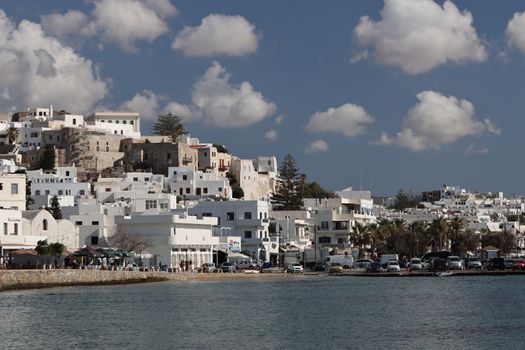
- Greek Cyclades: While still developing, initiatives are underway to introduce electric ferries connecting islands like Santorini, Mykonos, and Naxos. This will be crucial for preserving the fragile island ecosystems.
- Italian Lakes & Coastlines: Beyond the sea, electric ferries are a common sight on Italy's stunning lakes (Como, Garda) and are starting to appear on coastal routes, connecting cities like Naples to islands like Capri and Ischia with a gentler footprint.
H3: North America's Coastal Connectivity: Canada and the US
From the Pacific Northwest to the East Coast, electric ferries are enhancing accessibility to coastal communities and islands.
Pro-Tip:
Check the ferry operator's website for their sustainability initiatives. Many are proud to showcase their commitment to green technology.
- British Columbia, Canada: BC Ferries is actively investing in greener vessels, with plans for hybrid and fully electric ferries to service its vast network of coastal routes and islands.
- New York City: The NYC Ferry system has been exploring and implementing electric and hybrid options, making commutes to islands like Governors Island and Staten Island more pleasant and environmentally sound.
H2: The Insider's Guide to Experiencing Electric Island Travel
Embracing electric ferries isn't just about the technology; it's about a conscious choice to travel more mindfully. As an insider, I can tell you the subtle differences make a world of impact.
My Experience:
I once took an electric ferry to a small island off the coast of Scotland. The journey was so quiet, I found myself leaning over the railing, watching seals bobbing in the water, feeling a profound connection to the marine life I’d never experienced on a diesel-powered crossing. The lack of engine vibration meant I arrived feeling refreshed, not fatigued.
H3: Pro-Tips for the Savvy Traveler
- Book in Advance, Especially During Peak Season: As these networks expand, demand will grow. Secure your tickets early.
- Look for the "Electric" or "Zero-Emission" Label: Many ferry companies are proud to highlight their eco-friendly fleets. This is your cue to choose the greener option.
- Embrace the Silence: Don't just sit inside. Spend time on deck. The lack of engine noise allows you to truly hear and appreciate the natural world. It’s an immersive experience.
- Pack a Reusable Water Bottle and Snacks: Align your onboard habits with the eco-conscious journey. Many ferry terminals now have refill stations.
- Engage with the Crew: Ask them about the technology! They are often passionate about the transition and can offer fascinating insights into the operational changes.
- Consider Island Itineraries that Rely Heavily on Ferry Networks: Plan your trip around destinations where electric ferries are the primary mode of transport. This maximizes your sustainable travel experience.
H2: Beyond the Journey: The Ripple Effect on Island Destinations
The impact of electric ferry networks extends far beyond the passenger. For island communities, this transition offers a breath of fresh air, literally and figuratively.
- Reduced Environmental Strain: Cleaner air and quieter harbors are a boon for local residents and delicate island ecosystems. This is particularly critical for islands reliant on marine tourism.
- Economic Opportunities: The development and maintenance of electric ferry infrastructure create new jobs. Furthermore, it can attract a new wave of eco-conscious tourists willing to pay a premium for sustainable travel.
- Enhanced Local Culture: Imagine small island villages no longer being disturbed by the constant drone of engines. This allows for a more authentic and peaceful experience for both locals and visitors, preserving the unique charm of island life.
Insider Insight:
I spoke with a fisherman in a small Greek port who told me, "Before, the mornings were loud. Now, you can hear the church bells from the village. It feels like home again." This sentiment underscores the profound human impact of this technological shift.
H2: The Future is Electric: What's Next?
The momentum behind electric ferry networks is undeniable. We're witnessing a fundamental shift in maritime transport, driven by environmental urgency, technological innovation, and a growing consumer demand for sustainable options.
What can we expect?
- Larger Vessels and Longer Routes: As battery technology advances and charging infrastructure expands, we'll see electric ferries servicing longer routes and carrying more passengers and cargo.
- Hybrid Solutions: Many routes will transition through hybrid models, combining electric power with traditional engines for flexibility, before moving to fully electric.
- Smart Charging and Grid Integration: Ferries will become integrated into the local energy grid, potentially offering services like grid stabilization during off-peak hours.
- Increased Global Adoption: From the Caribbean to Southeast Asia, expect to see more electric ferries becoming the norm for island connectivity.
This isn't just about getting from Point A to Point B; it's about the how. It’s about experiencing the journey as an integral part of the destination, a harmonious prelude to the island's embrace.
H2: Quick Facts: Your Electric Ferry Adventure Planner
| Feature | Details | Estimated Cost ($) | Best Time to Visit | How to Get There