I Stepped Off the Train and Into the 14th Century
My leather boots clicked against damp, uneven limestone. A cool morning mist hung over the gorge below, carrying the sharp scent of woodsmoke, pine needles, and fresh-baked cinnamon pastries. There were no megaphone-wielding tour guides. No neon souvenir shops selling plastic trinkets. Just the heavy ring of a iron tower clock tolling 7:00 AM across a citadel that had stood virtually unchanged since the Black Death.
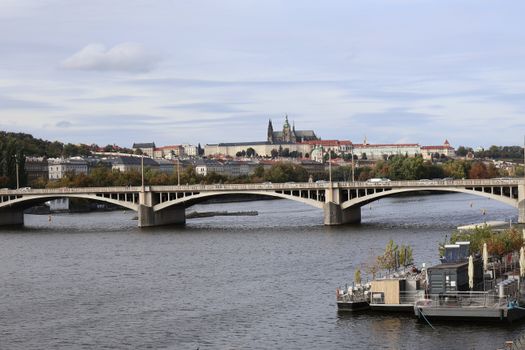
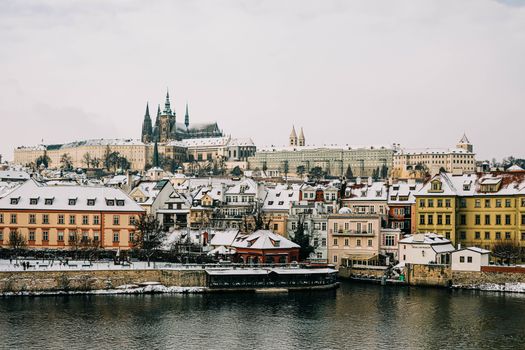
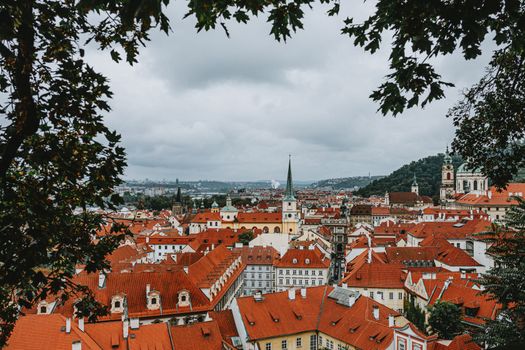
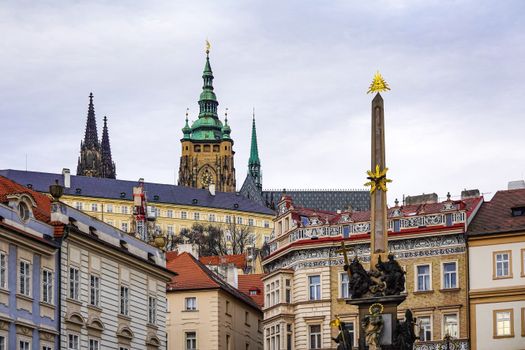
I love Prague. I’ve raised mugs of Pilsner Urquell in the shadow of the Astronomical Clock more times than I can count. But let’s be honest: Bohemia’s crown jewel has become a victim of its own success. When you are elbowing through three deep crowds just to glimpse a Gothic spire, the medieval enchantment evaporates fast.
If you are craving that raw, time-capsule feeling—where stone walls echo with genuine history and quiet taverns serve hearty stews by candlelight—it is time to look beyond the Czech capital. Here are six medieval towns more charming than Prague worth considering for your next European itinerary.
---
1. Sighișoara, Romania: Transylvania’s Living Citadel
```
___
/ \ Sighișoara Citadel
/_____\ - 14th-Century Clock Tower
| ___ | - Birthplace of Vlad the Impaler
| | | | - Pastel-colored craft guilds
|_|___|_|
```
If you want a UNESCO World Heritage citadel where people actually still live, work, and commute inside the historic fort ramparts, head straight to Sighișoara. Built by Saxon merchants in the 12th century, this hill town in the heart of Transylvania is a surreal maze of pastel-hued houses, steep staircases, and towering defensive bastions.
The Atmosphere
Unlike Prague’s polished center, Sighișoara feels lived-in and atmospheric. The vibrant yellow, mint, and ochre facades of the merchant houses are slightly weathered, framing cobbled lanes that wind upward toward the Clock Tower (Turnul cu Ceas). Inside these historic walls lies the birthplace of Vlad III—the historical figure who inspired Bram Stoker’s Dracula.
Essential Pro-Tip
Skip the daytime day-tripper crowds from Brașov. Book a room directly inside the upper citadel. At 8:00 PM, when the day buses leave, climb the Covered Scholars' Stairs (Scara Școlarilor)—a wooden timber tunnel built in 1642—up to the Church on the Hill. You will have the ancient Gothic graveyard and sweeping views over the Târnava Mare River completely to yourself.
- Local Culinary Must-Try: Kürtőskalács (chimney cake) rolled in crushed walnuts and cinnamon, cooked over open oak embers near the Tailors' Tower.
- Cost Factor: Extremely affordable (30-40% cheaper than Prague for food and lodging).
---
2. Besalú, Spain: Catalonia’s Forgotten Stone Fortress
```
Bridge of Besalú
|~|_|~|_|~|
| |___/=\___
/ \ \
| ( ) ( ) | ~~ |
/_______________\______|
```
Drive one hour inland from the Costa Brava or Girona, and the modern world dissolves into raw Romanesque stone. Besalú is a pristine 12th-century national historic monument anchored by one of the most stunning defensive bridges in Southern Europe.
The Atmosphere
The entry to Besalú sets the stage: a fortified, seven-arched stone bridge spanning the Fluvià River, equipped with a massive central gateway and portcullis slot. Walking across it feels less like entering a tourist attraction and more like advancing on a medieval stronghold. The town’s alleyways are tight, cool, and built from volcanic river stone, sheltering ancient Jewish ritual baths (mikveh) discovered accidentally beneath a square in the 1960s.
Essential Pro-Tip
Set your alarm for 7:15 AM. Position yourself at the far bank of the river opposite the main entrance as the golden morning sun hits the western face of the bridge gatehouse. After shooting photos without a single soul in the frame, cross into town and stop at Celler de l'Adroher for a traditional Catalan breakfast of pa amb tomàquet (grilled bread rubbed with garlic and tomato) topped with local cured botifarra sausage.
- Architectural Detail to Notice: Look for the carved stone capitals on the facade of the Monastery of Sant Pere, depicting lions and biblical beasts designed to ward off evil spirits.
- Getting There: Direct Teisa bus line from Barcelona (1.5 hours) or Girona (45 minutes).
---
3. Tallinn, Estonia: Nordic Gothic Meets Modern Cyber-City
Prague often claims to have the best-preserved Gothic center in Europe, but Tallinn gives it serious competition. Estonia’s capital boasts a lower and upper medieval town wrapped in 1.9 kilometers of original limestone walls, complete with 20 red-tiled defensive towers.
The Atmosphere
Tallinn’s Old Town (Vanalinn) feels like a dark fairy tale rendered in stone and iron. Wrought-iron lanterns illuminate cobbled streets like Lühike Jalg (Short Leg) and Pikk Jalg (Long Leg), which connect the merchant-run lower town with the noble hill fort of Toompea. The air here smells of pine smoke, sea salt from the Baltic, and warm sugar-roasted almonds.
```
+-------------------------------------------------------------------+
| TALLINN VS. PRAGUE: AT A GLANCE |
+---------------------+---------------------+-----------------------+
| Feature | Prague, Czechia | Tallinn, Estonia |
+---------------------+---------------------+-----------------------+
| Old Town Crowds | Extremely High | Moderate to Low |
| Wall Preservation | Fragments only | 80% Original Intact |
| Walkability | Sprawling (3-4 km) | Compact (1 km core) |
| Evening Ambience | Rowdy / Party-heavy | Cozy / Candlelit |
| Average Beer Price | €3.50 - €5.00 | €4.00 - €6.00 |
+---------------------+---------------------+-----------------------+
```
Essential Pro-Tip
Avoid the overpriced tourist menus along the Town Hall Square (Raekoja plats). Instead, squeeze into III Draakon, a medieval tavern built directly into the alcoves of the 15th-century Town Hall. There are no electric lights (only candles), no cutlery, and no modern beverages. Order a pottery bowl of rich elk broth for €3.50, snag a salted pickle straight out of the wooden barrel with a timber fork, and wash it down with dark honey beer.
- Insider Secret: Head to the Master’s Courtyard (Meistrite Hoov) off Vene Street—a quiet enclave where local blacksmiths, weavers, and leatherworkers operate out of 13th-century workshops.
---
4. Rothenburg ob der Tauber, Germany: The Half-Timbered Archetype
If you close your eyes and picture a traditional German fairy tale, you are picturing Rothenburg ob der Tauber. While it is certainly no secret to savvy travelers, it easily outperforms Prague when it comes to intimate, half-timbered (Fachwerk) charm and complete medieval wall walkability.
The Atmosphere
Perched above the Tauber River in northern Bavaria, Rothenburg is surrounded by an undamaged, elevated stone wall that you can walk end-to-end for nearly two miles. The timber-framed houses feature steep gables, flower boxes overflowing with red geraniums, and distinctive dark oak beams mortised together centuries ago.
Essential Pro-Tip
Most tourists visit Rothenburg on a hasty 3-hour afternoon bus tour from Frankfurt or Munich, swarming the famous Plönlein intersection between 11:00 AM and 3:00 PM. Do not do this. Stay overnight at a local gasthof inside the walls.
At 8:00 PM, assemble at the Market Square to take the Night Watchman Tour. Guided by a cloak-wearing, halberd-carrying local historian, you’ll walk pitch-black alleys while learning about medieval fire watches, defense tactics, and night-soil dumping.
- Where to Escape the Crowds: Walk down the quiet lane to the Spital Bastion at the southernmost point of the fortifications. Explore the seven gate systems, drawbridge trenches, and gun emplacements in total silence.
- Must-Try Local Treat: Schneeball (Snowball)—a pastry made of strips of sweet dough fried crisp and dusted in powdered sugar or dark chocolate.
---
5. Mostar, Bosnia & Herzegovina: Ottoman-Medieval Crossroads
For travelers looking to step outside standard Western European architecture, Mostar offers an unforgettable blending of late-medieval Ottoman craftsmanship and rugged Balkan geography.
The Atmosphere
Divided by the turquoise Neretva River, Mostar’s historic heart revolves around the Stari Most (Old Bridge), a breathtaking single-arch stone bridge commissioned by Suleiman the Magnificent in 1557. The surrounding cobbled quarters—Kujundžiluk (the Old Bazaar)—are packed with copper-smiths hammering traditional coffee sets, stone-roofed houses, and minarets rising into the mountain sky.
```
_____/---------\_____
/ \
/ STARI MOST BRIDGE \
/ (Neretva River Gorge) \
===/ \===
```
Essential Pro-Tip
Prague’s Charles Bridge is magnificent, but you cannot sit on a shaded riverside terrace beneath it sipping unhurried coffee for €1.50. In Mostar, head to the stone terrace at Restoran Hindin Han along the Radobolja stream. Order a platter of ćevapi (grilled minced meat sausages served with flatbread and clotted cream) and watch local brave divers plunge 24 meters off the top of Stari Most into the freezing river below.
- Cultural Etiquette Tip: When drinking Bosnian coffee (bosanska kafa), do not dump the milk or sugar directly into the copper pot (džezva). Take a bite of the sugar cube (kocka šećera), dip it into the coffee, let it absorb, then sip the dark brew over it.
- Cost Factor: Unbeatable value. Premium meals cost under €12 per person.
---
6. Carcassonne, France: The Ultimate Double-Walled Citadel
While Prague’s castle complex is impressive, it is fully integrated into a modern capital city. Carcassonne’s Cité Médiévale, located in the Languedoc region of southern France, is a massive, freestanding fortified city wrapped in two concentric rings of walls punctuated by 52 witch-hat towers.
The Atmosphere
Approaching Carcassonne from across the Old Bridge (Pont Vieux) feels like staring at a medieval tapestry brought to life. The outer ramparts stretch for almost three kilometers. Inside, narrow cobbled streets lead to the inner Château Comtal, a castle within a citadel, complete with dry moats, barbicans, and wooden hoarding balconies built to drop stones on attackers.
```
Carcassonne Outer Rampart
_|_ _|_ _|_ _|_ _|_ _|_
| || || || || || |
|___||___||___||___||___||___|
| |
| [Outer Wall] |
| |~|_|~|_|~| |
| | [Inner Wall] |
```
Essential Pro-Tip
Because Carcassonne attracts heavy day-trip traffic, the key to an unforgettable experience is staying within the historic Cité walls at an establishment like Hôtel de la Cité or cozy guesthouses. At 8:30 PM, the site empties out entirely. The inner fortress is illuminated by warm floodlights, casting long, dramatic shadows through the empty stone passages.
- Logistics Note: Don't confuse the modern lower city (Bastide Saint-Louis) with the fortified Cité Médiévale. Ensure your taxi or route brings you directly to the Porte Narbonnaise entrance.
- Regional Dish: A slow-cooked cassoulet—a rich casserole of white haricot beans, confit duck leg, and local Toulouse pork sausage baked in a clay pot (cassole).
---
Prague vs. These Medieval Alternatives: Logistics & Budget Breakdown
Planning your alternative trip requires knowing what to expect on the ground. Here is how these six destinations stack up side-by-side:
| Town / City | Nearest Major Airport | Transit Time | Avg. Daily Budget (USD) | Best Time to Visit | Unique Selling Point |
| :--- | :--- | :--- | :--- | :--- | :--- |
| Sighișoara (Romania) | Târgu Mureș (TGM) / Cluj (CLJ) | 2h train / drive | $45 - $70 | May, Sept - Oct | Authentic living citadel; Dracula history without traps |
| Besalú (Spain) | Girona (GRO) / Barcelona (BCN) | 45m bus from Girona | $70 - $110 | April - June, Sept | Untouched 12th-century stone bridge & Jewish heritage |
| Tallinn (Estonia) | Tallinn Airport (TLL) | 15m tram to core | $80 - $130 | May - June, Dec (Snow) | Intact city walls; candlelit taverns; digital ease |
| Rothenburg (Germany) | Nuremberg (NUE) / Frankfurt (FRA) | 2h train (2 transfers) | $110 - $160 | May, Nov - Dec | Walkable elevated ramparts; half-timbered glory |
| Mostar (Bosnia) | Sarajevo (SJJ) / Dubrovnik (DBV) | 2h scenic train | $40 - $65 | May, September | East-meets-West Ottoman bridge; cheap luxury |
| Carcassonne (France) | Toulouse-Blagnac (TLS) | 45m direct train | $90 - $140 | April - May, Oct | Double-walled fortress with 52 conical towers |
---
How to Experience These Towns Like an Insider
If you want to maximize the magic and avoid running into the same crowd issues you'd find in Prague, follow these four golden rules of high-authority travel planning:
- Prioritize the Night Stay: Never visit these historic towns as a mid-day bus tourist. The atmosphere changes 180 degrees between 6:00 PM and 8:00 AM when the day-trippers vanish and the local street lamps flicker on.
- Master the Early Morning Window: Sunrise is your best friend. Medieval stone alleys absorb morning light beautifully, and you’ll share the streets only with local bakers setting out fresh dough and street-sweepers washing the cobbles.
- Seek Out Architectural Specifics: Don't just take selfies—look for historical functionality. Search for machicolations (floor openings in ramparts used to drop stones), barbicans (defensive gatehouses), and original corbeling on half-timbered upper floors designed to dodge medieval land taxes.
- Eat Local, Eat Regional: Skip any restaurant displaying photos of food on laminated outdoor boards. Seek out back-alley taverns (gasthofs, konobas, bodegas) that serve local seasonal dishes cooked with ancestral methods.
Leave the crowded trampled paths behind. Swap the sea of selfie sticks for echoing stone ramparts, true regional warmth, and the quiet magic of Europe's best-preserved medieval secrets.
---