The Hook: A Drop Into the Deep Blue
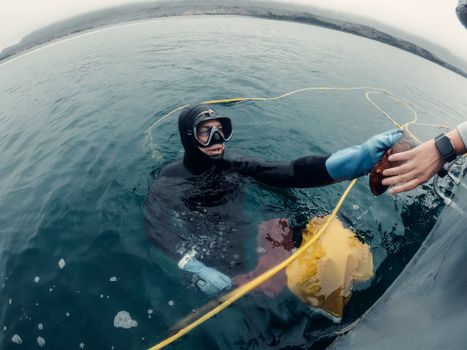
I stepped off the dive tender and into the liquid jade of the Dampier Strait. The air was a thick, humid blanket smelling of woodsmoke, diesel, and wet limestone, but the moment my mask broke the surface, the chaos of the terrestrial world evaporated. Below me, a swirling vortex of bigeye jacks pulsed like a silver heartbeat.
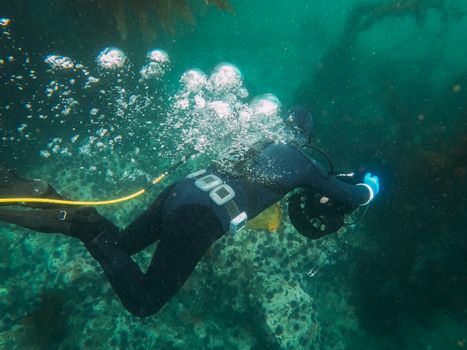
I wasn't just here to gawk at the scenery. Clipped to my BCD was an underwater slate, and in my hand was a camera housing fitted with a dual-laser scaling rig. My mission? To photograph the unique spot patterns on the bellies of reef manta rays (Mobula alfredi) for a global conservation database.
This isn't a passive vacation. This is the front line of ocean conservation. Across the globe, cash-strapped marine parks are turning to a secret weapon to monitor vast swathes of ocean: you.
If you want to trade mindless sunbathing for high-impact travel, here are the world’s premier Marine Protected Areas (MPAs) offering hands-on citizen science opportunities right now.
---
1. Raja Ampat Marine Park, Indonesia: The Coral Triangle Epicenter
```
_..._
.'_..._'.
/ / \ \ [RAJA AMPAT]
| | | | The global epicenter of marine biodiversity.
\ \_..._/ / Home to 75% of the world's known coral species.
'._..._.'
```
The Vibe: Raw, Remote, and Radically Biodiverse
Raja Ampat is the holy grail for divers. Located off the coast of West Papua, this archipelago of limestone karst islands holds the highest marine biodiversity on Earth. The water here feels alive—a nutrient-rich soup that supports everything from pygmy seahorses to walking sharks.
The Mission: Mapping Mantas and Coral Resilience
When you join a citizen science program here—such as those run by the Raja Ampat Research and Conservation Centre (RARCC) or local eco-resorts like Misool—you aren't just a tourist.
- Manta ID Tracking: You will dive key cleaning stations (like Manta Sandy) to photograph the ventral side of reef and oceanic mantas. Each manta’s spot pattern is as unique as a human fingerprint. You will upload these to the Manta Matcher database to help track population movements and habitat use.
- Reef Health Audits: Using Coral Watch charts, you will match the colors of specific coral colonies to a standardized scale, measuring bleaching levels and recovery rates after thermal stress events.
> Pro-Tip: Skip the liveaboards if you want maximum community impact. Stay at a locally owned homestay or a dedicated conservation resort. Not only does this keep your tourism dollars in the local Papuan economy, but it also gives you direct access to community-led conservation zones.
---
2. Great Barrier Reef Marine Park, Australia: Eye on the Reef
The Vibe: High-Tech Conservation on an Iconic Scale
The Great Barrier Reef needs no introduction, but its sheer size—stretching over 2,300 kilometers—makes monitoring it an monumental task. That is where the Great Barrier Reef Marine Park Authority (GBRMPA) and their pioneering "Eye on the Reef" program come in.
```
_
_ _| |_ _
|_ _ _ _| [EYE ON THE REEF]
|_| Using crowdsourced data to protect 2,300km of reef.
```
The Mission: Rapid Monitoring and Crown-of-Thorns Tracking
Whether you are a snorkeler or an advanced diver, you can actively contribute to the reef’s survival management.
- The Rapid Monitoring Survey: Armed with an underwater slate, you will swim a designated 10-meter transect line. Your job is to count indicator species: butterflyfish (which indicate healthy coral cover), coral trout, giant clams, and sea cucumbers.
- Crown-of-Thorns Starfish (COTS) Alerts: These coral-devouring predators can decimate entire reefs. You will log sightings of COTS or their feeding scars, allowing park rangers to deploy targeted eradication teams to hot spots.
> Pro-Tip: Download the Eye on the Reef app before you board your vessel in Cairns or Port Douglas. The app works offline using GPS coordinates. To get the best data, dive at 10:00 AM when the sun is directly overhead; this minimizes shadows and ensures your coral health color assessments are highly accurate.
---
3. Cocos Island National Park, Costa Rica: The Hammerhead Highway
The Vibe: High-Voltage Diving for the Brave
Located 340 miles off the Pacific coast of Costa Rica, Cocos Island is a wild, jungle-clad volcanic rock rising from the deep ocean. This is not a place for beginners. The currents are fierce, the swells are massive, and the marine life is colossal.
```
/|
/ |
____/ |______
\ \ [COCOS ISLAND]
\ o o \ The wild frontier of pelagic research.
\_____________\
```
The Mission: Tracking Pelagic Giants
Because of its isolation, Cocos is a critical sanctuary for migratory pelagic species. Organizations like Turtle Island Restoration Network run dedicated research expeditions here.
- Acoustic Telemetry Assistance: You will assist scientists in recovering and redeploying acoustic receivers anchored on the seafloor. These receivers log the presence of sharks tagged with acoustic transmitters.
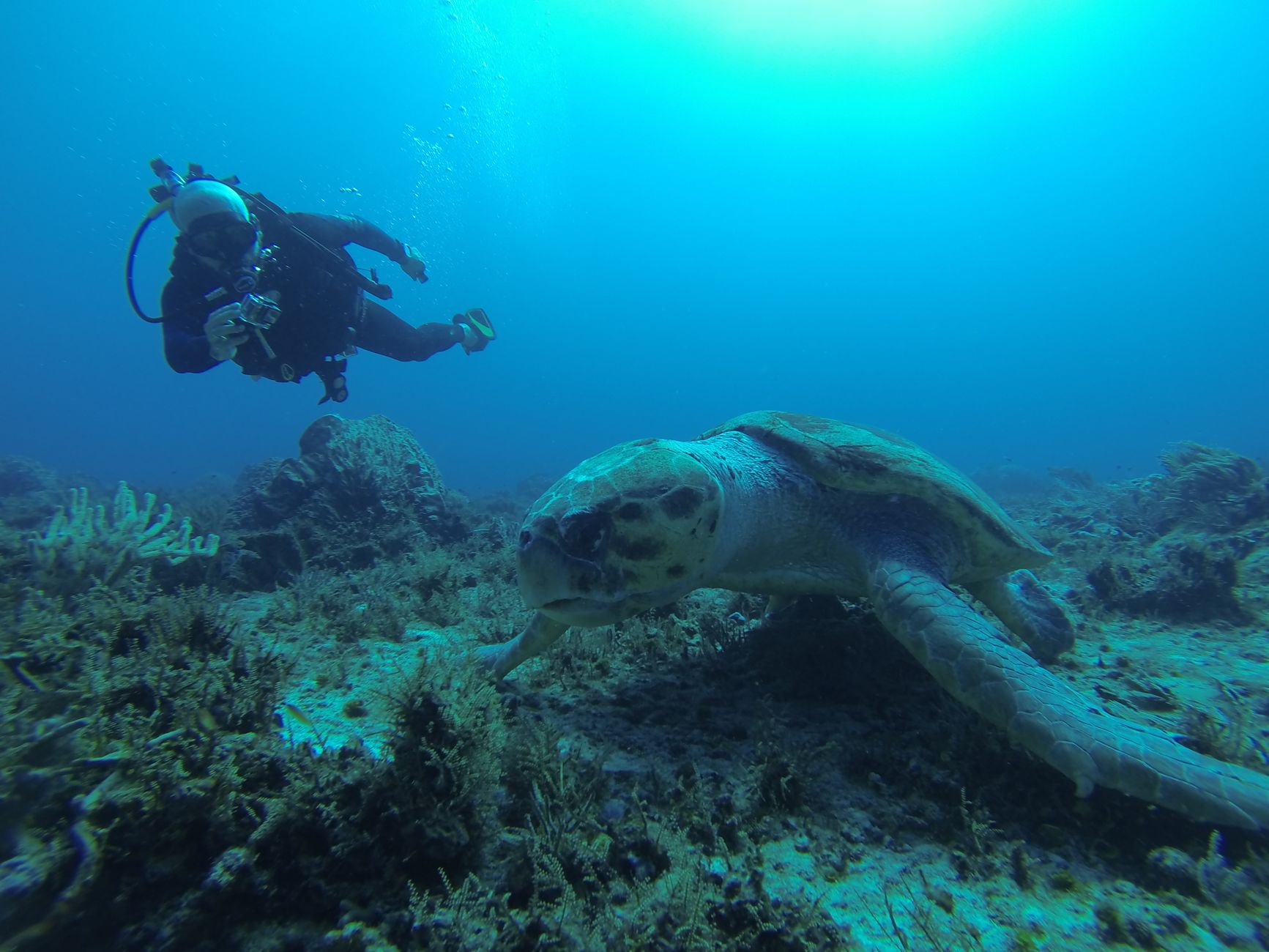
- Turtle and Shark Photo-ID: You will capture high-resolution lateral profiles of hammerhead sharks (Sphyrna lewini) and green sea turtles to monitor resident populations and international migration pathways to the Galapagos.
> Pro-Tip: This is advanced diving. You must have a minimum of 50 logged dives and an Advanced Open Water certification. Bring a high-quality reef hook; at dive sites like Alcyone, you will need to anchor yourself to volcanic rocks in 3-knot currents while hundreds of hammerheads school overhead.
---
4. Florida Keys National Marine Sanctuary, USA: Coral Restoration in Action
The Vibe: Hands-on, Gritty, and Rewarding
The Florida Keys contain the third-largest living coral barrier reef system in the world, but it has suffered heavily from disease and rising water temperatures. Here, citizen science is intensely physical and deeply satisfying.
The Mission: Coral Gardening and Outplanting
Working with the Coral Restoration Foundation (CRF) or Mote Marine Laboratory, you will go through a land-based training session before heading out to offshore coral nurseries.
- Nursery Maintenance: You will scrub algae and fire corals off fiberglass "coral trees" where fragments of staghorn (Acropora cervicornis) and elkhorn coral hang like Christmas ornaments.
- Outplanting: Once the corals reach a viable size, you will dive down to degraded reef sites, prepare the limestone substrate using wire brushes, and use two-part marine epoxy to permanently bond the new coral colonies to the reef.
```
\ | /
-- * -- [CORAL GARDENING]
/ | \ Physically gluing staghorn corals back onto the reef.
```
> Pro-Tip: Book your spot with the Coral Restoration Foundation at least three months in advance. Their recreational diving programs run primarily during the summer months when water temperatures are warm and seas are calm. Opt for a mid-week slot to enjoy smaller group sizes and more one-on-one time with the marine biologists.
---
5. Cabo Pulmo National Park, Mexico: The Miracle of the Sea of Cortez
The Vibe: A Conservation Success Story
In 1995, local fishermen in Baja California Sur noticed their fish stocks were collapsing. In a bold move, they banned fishing entirely and created Cabo Pulmo National Park. Today, it is one of the most successful marine reserves on the planet, boasting a 460% increase in fish biomass.
The Mission: Reef Fish Biomass and Mobula Ray Surveys
Working with local conservation groups like Pelagios Kakunjá, citizen scientists help monitor this fragile desert-meets-ocean ecosystem.
- REEF Fish Surveys: Using the Reef Environmental Education Foundation (REEF) methodology, you will conduct roving diver surveys to record fish species and abundance. This data helps scientists track whether the biomass recovery is holding steady.
- Bull Shark Monitoring: Cabo Pulmo is famous for its resident bull sharks. You will help document individual sharks using laser photogrammetry to track their growth and seasonal residency patterns.
> Pro-Tip: To get to Cabo Pulmo, rent a sturdy 4x4 vehicle in San José del Cabo. The road into the park turns into a punishing, unpaved washboard dirt track that will rattle a standard compact rental car to pieces. Once there, grab dinner at El Caballero—the local green chile chilaquiles are legendary.
---
6. Galapagos Marine Reserve, Ecuador: Evolution in Real Time
The Vibe: Jurassic Park Underwater
Where three major ocean currents collide, the Galapagos Marine Reserve is a swirling cauldron of life. Cold, nutrient-rich upwellings support everything from marine iguanas and penguins to massive schools of scalloped hammerheads and whale sharks.
```
\________/
( o o ) [GALAPAGOS]
\ __ / Where cold currents bring massive schools of pelagics.
|____|
```
The Mission: Whale Shark Tracking and Marine Iguana Foraging
Through partnerships with the Galapagos Science Center and local research vessels, citizen scientists play an active role in tracking the health of this UNESCO World Heritage site.
- The Galapagos Whale Shark Project: During the misty garúa season (July to December), massive female whale sharks pass through the northern islands of Darwin and Wolf. You will take laser-photogrammetry photos to determine their exact size and health, and help log whether they show signs of pregnancy.
- Marine Iguana Observation: You will assist shore-based teams in documenting the feeding habits of marine iguanas, recording how long they dive for algae and how they adapt to rising sea temperatures caused by El Niño events.
> Pro-Tip: Pack a high-quality 5mm or 7mm wetsuit with a hood, even though you are on the equator. The Humboldt Current brings water temperatures down to a chilly 16°C (60°F) in some areas. If you get cold easily, you won't be able to stay down long enough to complete your data slates.
---
The Logistics & Budget Blueprint
To make your planning seamless, here is a quick-reference breakdown of these top citizen science marine protected areas:
| Destination | Target Species | Estimated Cost ($ to $$$$) | Best Time to Visit | How to Get There |
| :--- | :--- | :--- | :--- | :--- |
| Raja Ampat, Indonesia | Reef Mantas, Hard Corals | $$ - $$$ | October to April | Fly to Sorong (SOQ) via Jakarta, then take the public ferry to Waisai. |
| Great Barrier Reef, Australia | Butterflyfish, Crown-of-Thorns | $ - $$ | May to October | Fly to Cairns (CNS) or Clifton Beach; take daily research/dive boats. |
| Cocos Island, Costa Rica | Hammerheads, Sea Turtles | $$$$ | June to December (Wet season = more sharks) | 36-hour liveaboard crossing from the port of Puntarenas. |
| Florida Keys, USA | Staghorn & Elkhorn Corals | $ | May to September | Drive south from Miami International Airport (MIA) down US-1. |
| Cabo Pulmo, Mexico | Bull Sharks, Reef Biomass | $ - $$ | October to November | Fly to San José del Cabo (SJD), then drive 2 hours north. |
| Galapagos, Ecuador | Whale Sharks, Marine Iguanas | $$$$ | July to December | Fly to Quito or Guayaquil, then catch a domestic flight to Baltra (GPS). |
---
How to Spot "Greenwashing" in Citizen Science
As the demand for eco-tourism grows, some operators use the term "citizen science" as a marketing gimmick. To ensure your time and money actually support genuine conservation, ask the operator these three questions before booking:
- "Where does my data go?"
- The Right Answer: "We upload our data directly to peer-reviewed databases like Reef Life Survey, Manta Matcher, or GBRMPA’s Eye on the Reef portal."
- The Red Flag: "We keep it in-house for our own records."
- "Do you have a resident marine biologist on staff?"
- The Right Answer: "Yes, our projects are designed and supervised by a qualified marine scientist who briefs and debriefs every dive."
- The Red Flag: "Our divemasters are very knowledgeable and handle the science."
- "What is your environmental footprint?"
- The Right Answer: "We operate under strict zero-single-use-plastic, reef-safe sunscreen, and gray-water treatment protocols."
---
The Takeaway
The era of the passive traveler is ending. By choosing one of these marine protected areas offering citizen science right now, you aren't just visiting a destination—you are actively participating in its survival.
The next time you giant-stride off a dive boat, make sure your dive counts for something. Grab a slate, calibrate your camera, and help protect the oceans we love.
---