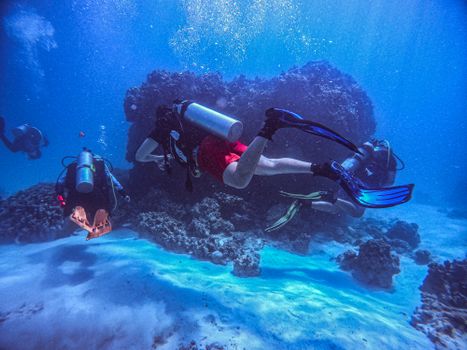
The Hook: The Day My Dive Changed Forever
I stepped off the wooden jetty of Nusa Penida, Bali, and was immediately hit by the sharp, metallic tang of low tide mixed with the sweet, heavy scent of burning frangipani incense from a nearby beachside shrine. The humid tropical air clung to my skin like a second wetsuit. For years, my dive trips had followed a predictable rhythm: descend, point at a manta ray, ascend, drink a Bintang beer, repeat. But today was different.
Clamped in my right hand was a plastic crate containing six young, vibrant fragments of Acropora coral, and tucked into my Bintang-branded dry bag was a tube of marine-grade epoxy that smelled suspiciously like rotten eggs.
As I rolled backward off the dive boat into the turquoise swell, the familiar silence of the underwater world enveloped me. But instead of just observing, I was on a mission. We swam down to a damaged patch of reef where a series of steel hexagonal structures sat on the sand. Kneeling on the seabed, I carefully mixed the two-part epoxy, pressed a grape-sized dollop onto a steel bar, and gently secured a coral fragment.
When I cleared my mask and looked at my handiwork, a tiny damselfish was already investigating the new structure. In that moment, I wasn't just a tourist looking at a dying ecosystem; I was an active participant in its survival.
According to recent data from the Global Coral Reef Monitoring Network (GCRMN), the world has lost roughly 14% of its coral reefs since 2009. However, the same data reveals a silver lining: localized, active restoration projects utilizing citizen scientists have a coral survival rate of up to 85% when managed correctly.
If you want to trade passive sightseeing for active conservation, here is the definitive guide to coral restoration programs you can actually participate in right now.
---
1. The New Era of Voluntourism: Data vs. Greenwashing
For a long time, marine conservationists viewed voluntourism with a healthy dose of skepticism. Early iterations of "eco-diving" often involved untrained tourists accidentally snapping off healthy coral with their fins while trying to plant new ones.
Fortunately, the science has evolved. Today, elite conservation organizations use rigorous training protocols and innovative technologies that turn recreational divers into highly efficient citizen scientists.
Recent peer-reviewed studies from the Journal of Environmental Management indicate that projects utilizing trained volunteers can scale up restoration efforts by up to 400% compared to programs relying solely on skeleton crews of marine biologists.
The key is choosing programs that prioritize long-term monitoring, use scientifically backed propagation methods (like micro-fragmentation), and provide comprehensive pre-dive training.
---
2. Nusa Penida, Indonesia: The Micro-Fragmenting Revolution
```
[Healthy Fragment] -> [Cut into Micro-Fragments] -> [Fast-Track Growth in Lab] -> [Outplanted on Reef]
```
Nusa Penida, located just off the coast of Bali, is famous for its ripping currents and majestic manta rays. But beneath the surface of Ped Beach lies one of the most innovative restoration projects in Southeast Asia, run by