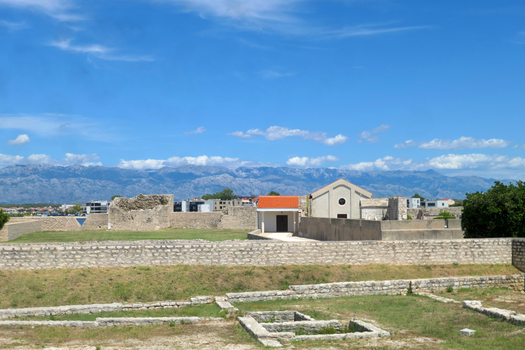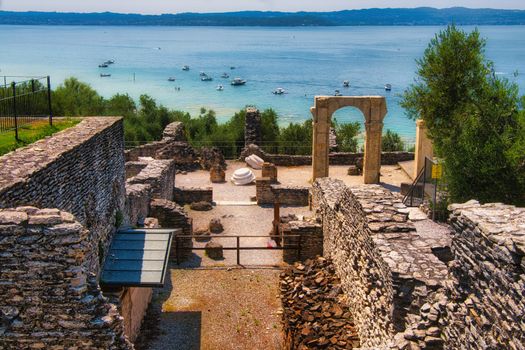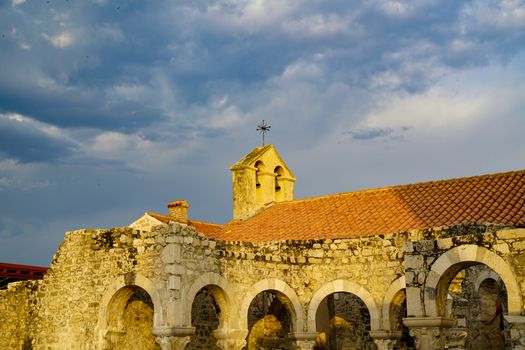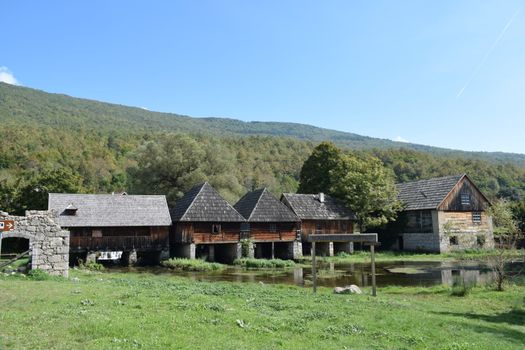
The Hook: Dust, Sweat, and 12th-Century Lime Mortar
I stepped off the local train at the sun-bleached station of Céreste in Provence, and the first thing that hit me wasn't the lavender. It was the sharp, mineral tang of wet slaked lime and the rhythmic, metallic tink-tink-tink of masonry hammers echoing from the hillside. My hands, usually soft from tapping on a laptop keyboard, were about to spend two weeks getting intimately acquainted with local Haut-Provence limestone.
I wasn't here to lounge by a pool with a glass of rosé. I was here to rebuild a crumbling 12th-century communal bakery wall with REMPART, one of France’s most respected heritage restoration unions.
By day three, my lower back ached, my boots were permanently dusted in off-white powder, and I had learned to tell the difference between a load-bearing stone and a mere "filler" by touch alone. But when we hoisted the final hand-carved corbel into place, securing a archway that had stood dormant since the Crusades, the feeling of connection to the past was electric.
This isn't passive sightseeing. This is active, muscle-straining, soul-satisfying time travel.
According to recent data from the European Heritage Volunteers and the World Youth Student and Educational (WYSE) Travel Confederation, there has been a