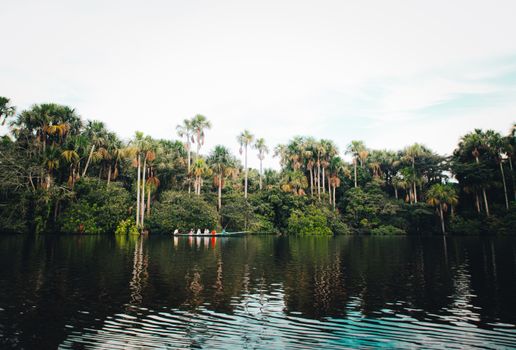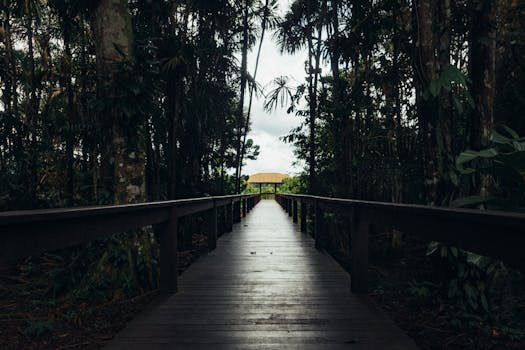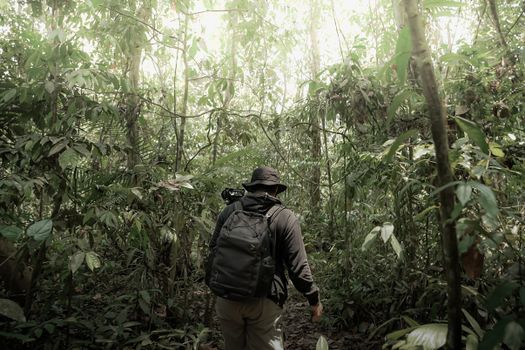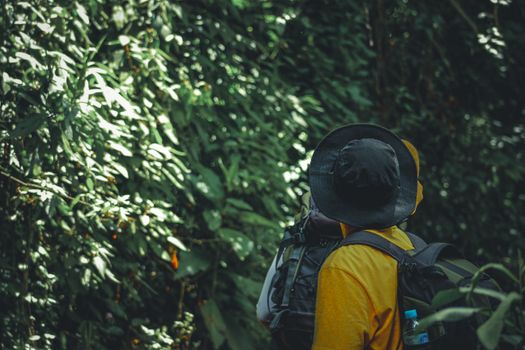
The humid air clung to my skin like a second skin, thick with the scent of damp earth and unseen blossoms. Above me, an impossibly dense canopy of emerald green blotted out the last vestiges of daylight, plunging the world into a velvet darkness pierced only by the distant, guttural roar of a howler monkey. I wasn’t in a luxury eco-lodge, nor was I posing for a perfectly lit selfie. I was strung up in a sturdy, open-air platform, a simple hammock my bed, roughly 50 feet above the forest floor, completely immersed in the raw, untamed heart of the Amazon.
This, my friends, is not the jungle trek you see plastered across your Instagram feed. There are no infinity pools overlooking the rainforest, no perfectly styled breakfasts with exotic fruit artfully arranged. This is the kind of adventure that strips away the filters, literally and figuratively, leaving you with an experience so profoundly real, so utterly transformative, that it almost feels too good to share – especially with those who measure a trip's success in likes.
And that, dear Tripsora readers, is exactly why I’m telling you about it. Because while influencers are chasing the next trending backdrop, a hidden world of genuine, unscripted adventure awaits. Welcome to the world of jungle treks where you sleep in the canopy, an experience so wild, so authentic, it's the ultimate digital detox and a true test of your adventurous spirit.
What Exactly Is Canopy Sleeping? (Beyond the Glamp-Factor)
Let's clear something up right away: when I talk about canopy sleeping, I'm not talking about those luxurious, multi-million-dollar treehouse resorts with air conditioning, hot tubs, and butler service. Those are fantastic in their own right, but they offer a very different kind of immersion.
True canopy sleeping, in the context of these treks, is about raw authenticity. It means a sturdy, often open-sided platform built high in a robust tree, accessed by ropes, ladders, or well-maintained wooden stairs. Your bed might be a comfortable, mosquito-netted hammock, a simple mattress on a raised wooden deck, or even a specially designed "tree tent" suspended between branches. Basic amenities are the norm: a composting toilet might be nearby, water for washing is often river-fed or rainwater collected, and light comes from headlamps or solar-powered lanterns.
The magic isn't in the thread count, but in the proximity to nature. You're not just near the jungle; you are part of it. The wind whispers through the leaves just inches from your face. The symphony of nocturnal life plays out directly beneath you. You become an observer, a temporary resident in the most vibrant, biodiverse apartment building on Earth. It's rustic, it's humbling, and it's utterly unforgettable. This isn’t a curated experience; it’s an organic one.
The Magic of the Jungle Night: Unplugging and Reconnecting
Imagine this: The sun dips below the horizon, painting the sky in fiery hues that quickly give way to the deep, impenetrable black of a moonless jungle night. The air cools slightly, carrying the fresh scent of rain and decaying leaves. Then, the sounds begin.
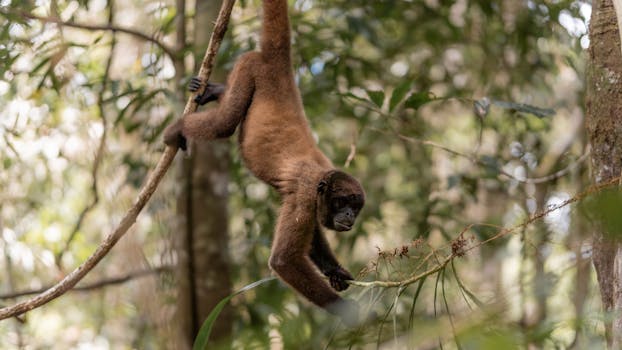
First, the cicadas, a relentless, buzzing orchestra. Then, the chirps and clicks of countless insects, the rustle of unseen creatures in the undergrowth, and the occasional, startling hoot of an owl. As the night deepens, you might hear the distant, haunting cry of a jaguar, the territorial roar of a howler monkey echoing through the trees, or the gentle patter of rain on the leaves above your head. Every sound tells a story, every rustle a mystery.
Sleeping in the canopy forces a digital detox unlike any other. There’s no Wi-Fi, often no cell signal. Your phone becomes a camera, a flashlight, and little else. You are forced to be present, to listen, to observe, to simply be. This profound disconnection from the digital world allows for an equally profound reconnection with yourself and with nature. It’s a mindfulness exercise on steroids.
I remember one night in Peru, waking to the sensation of something incredibly light brushing my hair. My heart hammered. I slowly reached for my headlamp, flicked it on, and saw a tiny, iridescent hummingbird, drawn to the light, hovering inches from my face before flitting away. It was a fleeting moment, unphotographed, unshared, but etched into my memory with a vividness no filter could replicate. This is the kind of magic that happens when you truly unplug. This is why influencers don't want you to know – because moments like these can't be bought, curated, or perfectly framed for a feed.
Your Ultimate Guide to Finding These Hidden Gems (Locations & Logistics)
These aren't mass-market tours you'll find on every travel brochure. Finding them requires a bit more digging, a focus on sustainable tourism, and often, connecting with local communities and specialized eco-operators.
Here are some prime locations where you can experience genuine canopy sleeping:
- The Amazon Rainforest (Ecuador, Peru, Brazil):
- Ecuador: The Yasuni National Park region, particularly around the Napo and Pastaza rivers, offers incredible opportunities. Look for community-based eco-lodges or indigenous-run tours that prioritize conservation and cultural exchange. Some will have basic canopy platforms or observation towers with sleeping arrangements.
- Example: Destinations near Coca, Ecuador, often work with Kichwa communities. Expect to pay $150-$300 USD per person per day for multi-day treks, often including guides, food, accommodation, and activities.
- Peru: The Tambopata National Reserve in southeastern Peru is a biodiversity hotspot. Operators out of Puerto Maldonado often offer multi-day jungle expeditions, some including nights in treehouses or elevated platforms.
- Example: Look for smaller, independent operators or those affiliated with research stations. Prices similar to Ecuador, sometimes slightly higher depending on remoteness.
- Borneo (Malaysia - Sabah & Sarawak):
- Danum Valley Conservation Area, Sabah: While often associated with more upscale lodges, some scientific research centers or specialized eco-tour operators here offer very basic, rustic canopy platforms for researchers and a limited number of adventurous tourists. This is prime orangutan territory.
- Challenge: Access is restricted and permits are required, making it pricier and harder to book. Expect $400-$700+ USD per person per day for multi-day packages due to exclusivity and conservation efforts.
- Deramakot Forest Reserve, Sabah: Less known, more rugged, and focused on wildlife research and sustainable forestry. They have very basic accommodations, including observation towers that can sometimes be used for overnight stays.
- Note: This is truly off-the-beaten-path and requires a specialist guide.
- Costa Rica (Osa Peninsula & Caribbean Coast):
- Osa Peninsula (Corcovado National Park area): Known for its incredible biodiversity. While strict park regulations limit independent exploration, some private reserves and eco-lodges bordering the park offer basic treehouse-style accommodations or elevated platforms.
- Example: Look for places emphasizing "rustic luxury" or "true immersion." Prices for a multi-day trek with canopy sleeping could range from $200-$400 USD per person per day.
- Caribbean Coast (e.g., Pacuare River): Famous for white-water rafting, some lodges along the river are accessed only by raft and offer unique, elevated bungalow experiences that feel very much like canopy sleeping.
How to Find Them:
* Research Eco-Tourism Operators: Prioritize small, locally owned companies with strong sustainability credentials. Look for certifications like Rainforest Alliance or specific conservation partnerships.
* Community-Based Tourism: Many indigenous communities offer incredible, authentic experiences that directly benefit their people and conservation efforts. Search for "community tourism + [region]"
* Word-of-Mouth & Forums: Check travel forums like Lonely Planet's Thorntree or specific Facebook groups dedicated to sustainable or adventure travel. Ask for recommendations from people who have done similar trips.
* Be Specific in Your Inquiry: When contacting operators, clearly state you are looking for rustic canopy sleeping and not a luxury treehouse.
Budgeting:
Prices vary wildly based on location, duration, remoteness, and what's included. Generally, expect to pay anywhere from $150 to $700+ USD per person per day for a multi-day trek that includes canopy sleeping. This typically covers guides, food, transportation to/from the starting point, and basic accommodation. It's an investment, but one that pays dividends in unparalleled experiences.
Preparing for Your Canopy Adventure: Essential Tips & Gear
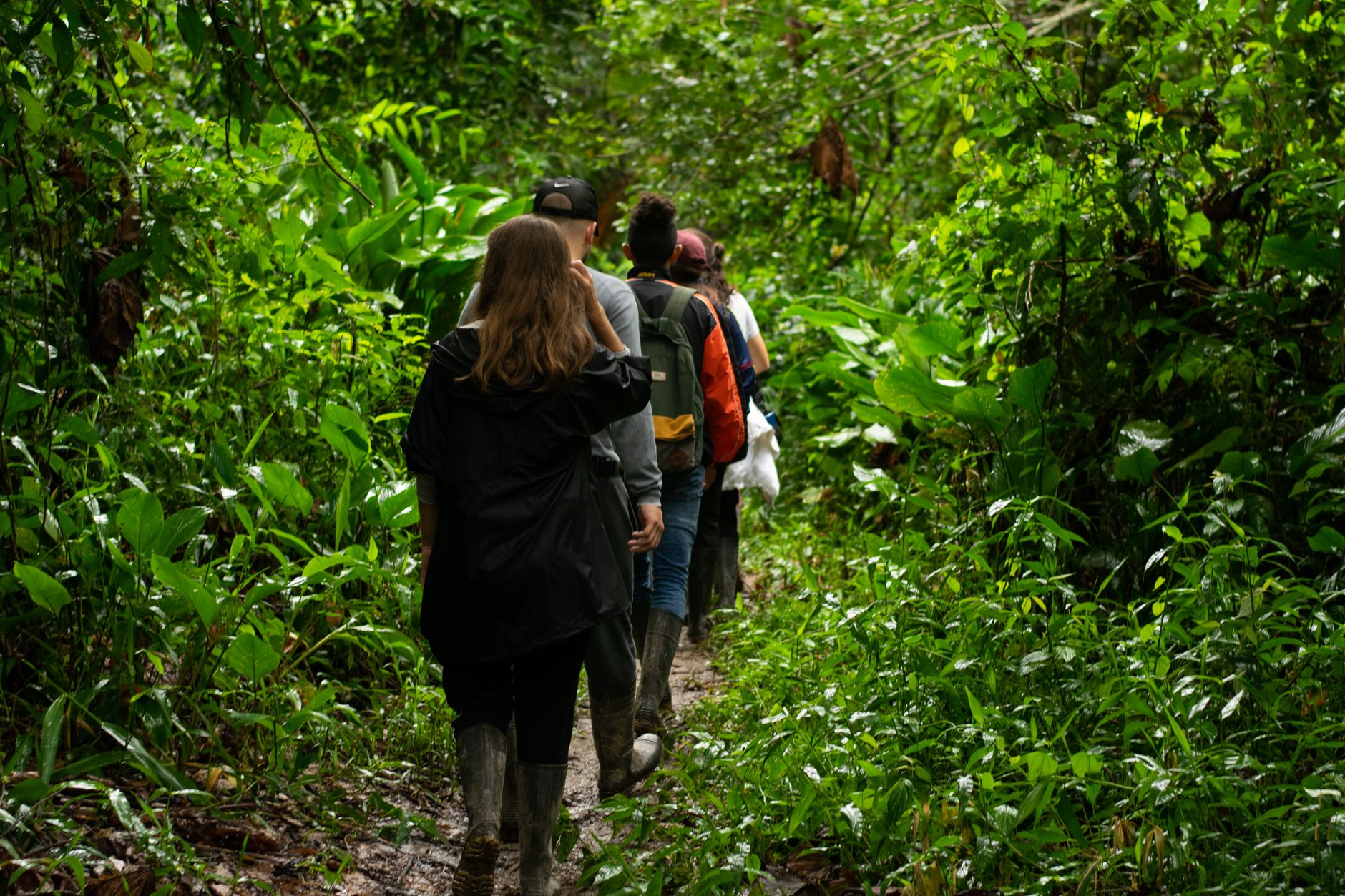
This isn't a walk in the park; it's a deep dive into the wild. Proper preparation is key to enjoying your canopy sleep experience.
1. Packing Essentials (Lightweight & Smart):
* Clothing: Lightweight, quick-drying long-sleeved shirts and pants (to protect against sun and insects). Neutral colors are best. A light rain jacket is crucial.
* Footwear: Sturdy, broken-in hiking boots for trekking, plus sandals or flip-flops for camp.
* Insect Repellent: A high-DEET repellent (30-50%) is non-negotiable. Also consider permethrin-treated clothing.
* Headlamp/Flashlight: With extra batteries. Essential for navigating in the dark.
* First-Aid Kit: Personal medications, pain relievers, anti-diarrhea meds, blister treatment, antiseptic wipes, antihistamines (for bites/stings).
* Water Bottle/Purification: A reusable bottle and a purification method (filter, tablets) are vital as clean drinking water might not always be readily available.
* Sun Protection: Hat, sunglasses, high-SPF sunscreen.
* Dry Bags: To protect electronics and valuables from humidity and rain.
* Small Backpack: For day trips from your canopy base.
* Binoculars: For wildlife spotting.
* Power Bank: For charging essential electronics (camera, emergency phone).
* Biodegradable Toiletries: To minimize environmental impact.
2. Physical & Mental Preparation:
* Fitness: A moderate level of fitness is required. You'll be trekking, sometimes on uneven terrain, and potentially climbing ladders or ropes to your canopy platform.
* Embrace Discomfort: Understand that you’ll be hot, humid, sticky, and there will be bugs. A positive attitude is your best tool.
* Digital Detox Mindset: Mentally prepare to be disconnected. Inform loved ones you'll be out of touch.
* Respect Wildlife: You are a guest in their home. Maintain distance, don't feed animals, and listen to your guide.
3. Safety First:
* Listen to Your Guide: They are experts in jungle survival and local wildlife. Follow their instructions implicitly.
* Stay on Designated Paths: Don't wander off alone.
* Check Your Gear: Ensure your hammock/platform is secure.
* Report Issues: If you feel unwell or notice anything concerning, tell your guide immediately.
4. Sustainable Travel Practices:
* Leave No Trace: Pack out everything you pack in. Do not litter.
* Support Local: Choose operators and communities that directly benefit from your visit.
* Minimize Your Footprint: Conserve water, use biodegradable products.
* Respect Culture: Be mindful of local customs and traditions if visiting indigenous communities.
5. Photography (Authenticity Over Perfection):
* Waterproof Gear: Essential for cameras and phones.
* Extra Batteries/Power Bank: No outlets in the canopy!
* Embrace the Raw: Don't chase the "perfect" filtered shot. Capture the genuine moments, the textures, the vastness. A slightly blurry photo of a rare bird you actually saw is far more valuable than a perfectly posed, artificial one. These are memories you can't filter.
Beyond the Canopy: What Else to Expect on These Treks
The canopy sleep is undoubtedly the highlight, but these treks offer a full spectrum of immersive jungle experiences:
- Wildlife Spotting: Days are filled with guided walks and boat trips, searching for monkeys (howlers, capuchins, squirrel monkeys), sloths, toucans, macaws, caimans, anacondas, and if you're incredibly lucky, jaguars or tapirs. Your local guide's keen eyes and ears are invaluable here.
- Medicinal Plant Walks: Learn about the incredible pharmacy of the rainforest, as indigenous guides share ancient knowledge of plants used for healing, food, and crafting.
- River Excursions: Explore the intricate network of rivers and tributaries by dugout canoe or small motorboat, offering unique perspectives and access to remote areas.
- Local Village Visits: Many of these treks are run in partnership with indigenous communities. A visit offers a profound cultural exchange, learning about their way of life, traditions, and challenges.
- Simple, Fresh Food: Expect delicious, locally sourced meals – often rice, beans, fresh fish, plantains, and tropical fruits. It's simple but hearty and cooked with love.
- The Power of the Guide: Your guide is more than just a navigator; they are a storyteller, a naturalist, a cultural interpreter, and often, a guardian of the forest. Their passion and knowledge will elevate your experience exponentially.
These treks are not just about seeing the jungle; they're about living it, breathing it, and understanding its delicate balance.
Your Unfiltered Adventure Awaits
So, while the influencers are busy staging their next perfect shot by a manicured waterfall, you could be waking up to a symphony of tropical birds, high among the emerald leaves, with the entire rainforest stretching out beneath you. This isn't a trip for the faint of heart or the perpetually plugged-in. It's for the curious, the brave, the ones who crave real connection over curated content.
These jungle treks where you sleep in the canopy offer an unfiltered, unedited, and utterly unforgettable adventure. They are a profound reminder of the planet's wild beauty and our place within it. They challenge you, inspire you, and leave you with stories that resonate far deeper than any trending reel.
Are you ready to trade Wi-Fi for wild calls, filters for authentic moments, and curated backdrops for the real, living breath of the rainforest? The jungle is calling, and it's inviting you to truly disconnect and reconnect.
Start planning your canopy trek today! Have you experienced a truly off-the-beaten-path adventure? Share your stories and tips in the comments below!