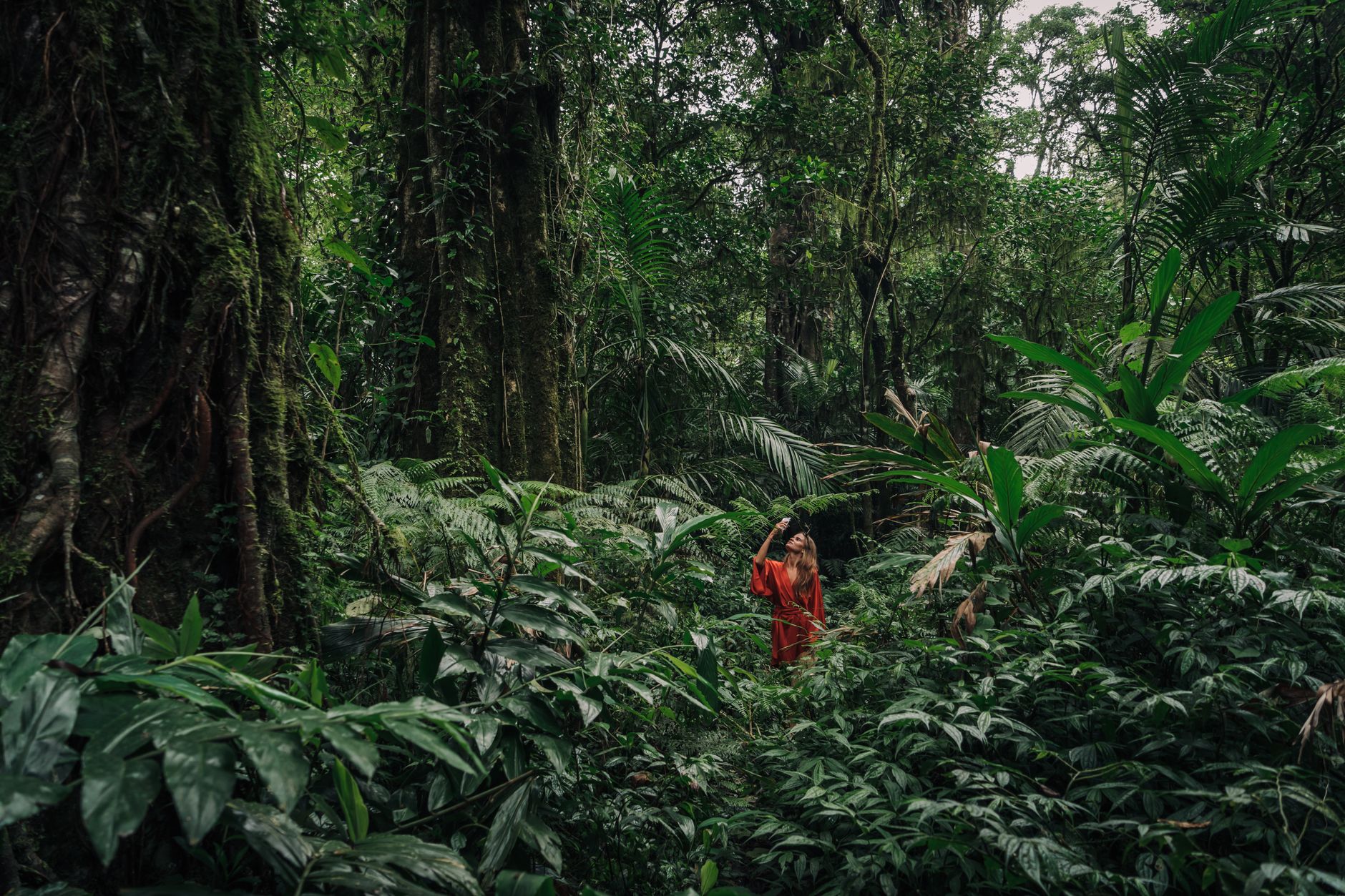
The first time I slept in the canopy, I woke up to a symphony of sound that made every alarm clock I'd ever owned feel like a cruel joke. It wasn't just the chirping of crickets or the distant roar of a howler monkey; it was a layered, living tapestry of rustles, calls, and whispers that felt like the very breath of the jungle. I was suspended 80 feet above the Amazon floor, cradled in a simple, open-air platform, and for the first time in my life, I truly felt like I was part of the wild, not just an observer.
That moment, the crisp, dewy air on my face, the first sliver of dawn painting the leaves in shades of emerald, was a revelation. It wasn't a glamping resort, nor a luxury treehouse with all the amenities. It was raw, authentic, and utterly transformative. And it hit me: this is the kind of travel experience that’s still under the radar, the kind that offers profound connection before the Instagram hordes descend and turn it into another mainstream "must-do."
As your seasoned travel guide here at Tripsora, I’ve scoured the globe for these precious, fleeting moments. And today, I’m pulling back the curtain on jungle treks where you sleep in the canopy – the kind of adventures that will change your perspective, challenge your comfort zone, and leave you with stories that will make jaws drop. But here’s the kicker: you need to go now. Before they become mainstream.
---
The Lure of the Canopy: Why Sleep Among the Trees?
Forget concrete jungles and even cozy tents on solid ground. Sleeping in the canopy offers an entirely different dimension of immersion. It’s not just about spending a night; it’s about experiencing the jungle from its own perspective.
A Symphony for the Senses:
Imagine the humid air, thick with the scent of damp earth and blooming orchids. The constant hum of insects, punctuated by exotic bird calls and the rustle of unseen creatures. From above, these sounds are amplified, creating a 360-degree soundscape that’s both thrilling and deeply calming.
A Bird's Eye View:
Most of the jungle's incredible biodiversity lives in the upper and middle canopy layers. Sloths, monkeys, toucans, macaws – many of these creatures rarely descend to the forest floor. Sleeping high up puts you at eye level with them. I've watched families of capuchin monkeys forage just meters from my platform and witnessed a vibrant macaw pair preen themselves on a nearby branch, all before my morning coffee. It’s an unparalleled wildlife viewing opportunity that ground-level experiences simply can’t match.
Perspective Shift:
There's something profoundly humbling about being a tiny speck suspended in a vast, ancient ecosystem. You gain an incredible appreciation for the scale and complexity of the rainforest. It strips away the distractions of modern life, leaving you with a profound sense of presence and connection to the natural world. It’s a gentle reminder that we are but a small part of something much, much bigger.
The Thrill of the Untamed:
Let's be honest, there's an undeniable thrill factor. It's adventurous, a little daring, and completely out of the ordinary. It's the kind of story you'll tell for years, the kind of memory that burns bright. And because these experiences are often run by small, local operators focused on conservation, you're not just having an adventure; you're supporting sustainable tourism that helps protect these vital ecosystems.
---
Unveiling Hidden Gems: My Top Picks for Canopy Treks
While the concept might be gaining traction, truly authentic, off-the-beaten-path canopy sleeps are still rare. Here are a few places I've personally experienced or extensively researched, offering that sweet spot between adventure and responsible tourism, before they hit the big-time tour circuits.
1. The Peruvian Amazon: High Above the Madre de Dios
My aforementioned Amazonian awakening happened in a remote corner of the Peruvian Amazon, specifically near the Tambopata National Reserve, accessible from Puerto Maldonado. While there are a few established eco-lodges with "treehouse" rooms (like the excellent Inkaterra Reserva Amazónica, which offers stunning, upscale canopy experiences, often starting around $500-700 USD per night), I sought out something more rustic.
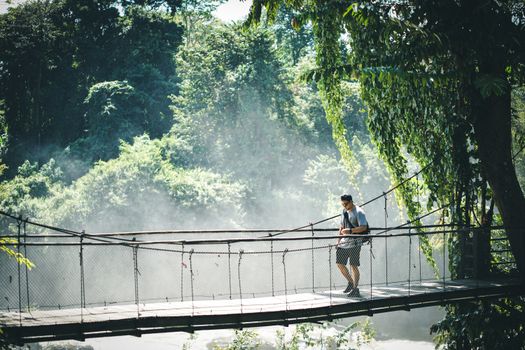
I found a local community-run initiative that had built a series of incredibly basic, yet sturdy, platforms accessible by rope ladders and suspended bridges. These aren't for the faint of heart – think mosquito nets, a simple sleeping pad, and a bucket shower back at the base camp – but the reward is immense.
Specific Details:
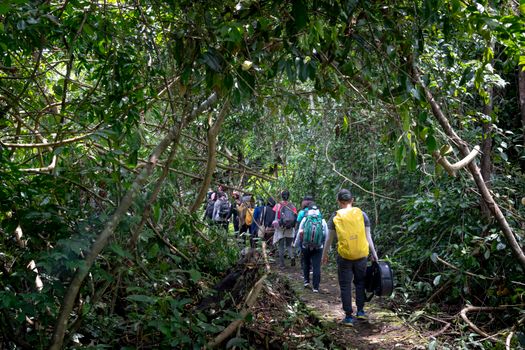
My experience was with a small, independent guide company that partnered with a local community. The trek involved a multi-hour boat ride upriver, followed by a jungle hike to the platform. We spent two nights, with one full day dedicated to exploring the canopy via zip-lines and aerial walkways, identifying birds and monkeys.
Price Point:
These community-based options are significantly more affordable, ranging from $150-300 USD per night, often including guides, food, and basic accommodation. This is where the real "before mainstream" magic happens.
Personal Anecdote:
One night, a tropical downpour began. Instead of being miserable, the sound of the rain drumming on the leaves above and around my platform was incredibly soothing. It felt like the jungle was embracing me, a lullaby of nature. The air cleared to reveal a sky so thick with stars, it felt like I could reach out and pluck them.
Booking Advice:
Look for smaller, locally-owned tour operators in Puerto Maldonado. Ask specifically about "canopy platforms" or "tree platforms" rather than just "treehouses" if you're seeking the more rustic experience. Check reviews on sites like TripAdvisor, but also scour niche adventure travel blogs and forums for recommendations.
2. Borneo, Malaysia: Orangutans and Ancient Rainforests
Borneo, home to some of the world's oldest rainforests, offers a different kind of canopy magic. While places like Danum Valley Conservation Area boast luxurious (and pricey) tree-top chalets (expect $1000+ USD per night), there are more accessible and equally immersive options.
Near the Kinabatangan River in Sabah, where proboscis monkeys and orangutans are frequently spotted, some eco-lodges offer elevated platforms or simple tree-level bungalows that give you a taste of canopy living. These are often part of larger multi-day river safaris and jungle treks.
Specific Details:
My experience involved a multi-day trek through secondary and primary rainforest, culminating in a night on a raised wooden platform overlooking a tributary of the Kinabatangan. It was rudimentary but had a solid roof, a mosquito net, and a stunning view. The primary focus here is orangutan and proboscis monkey spotting.
Price Point:
Mid-range, around $200-400 USD per night, often bundled into multi-day tour packages that include river cruises, guided walks, and meals.
Personal Anecdote:
Waking up at dawn to the distinct call of a gibbon, followed by the rustling of leaves as a family of proboscis monkeys made their way through the trees nearby. Seeing their unique noses and reddish fur against the emerald backdrop was truly unforgettable.
Booking Advice:
Research eco-lodges and tour operators in the Sepilok or Kinabatangan River regions. Look for those emphasizing conservation and small group tours. Booking directly with the lodge or a reputable local agency is key, as permits for some areas are limited.
3. Costa Rica: Sustainable Heights in a Biodiversity Hotspot
Costa Rica is synonymous with eco-tourism, and while many "treehouse hotels" exist, finding a true canopy trek with an overnight stay requires a bit more digging. The key is to look for places that combine adventure activities with sustainable lodging.
Areas near the Pacuare River (famous for whitewater rafting) or around the Osa Peninsula (Corcovado National Park) offer opportunities for elevated stays. Some remote eco-lodges have developed simple platforms or open-air bungalows that are integrated into the canopy experience, often accessed via hanging bridges or even short zip-line sections.
Specific Details:
I stayed at an incredible, off-grid eco-lodge near the Pacuare, where the "rooms" were essentially open-air platforms with solid roofs and mosquito nets, nestled high in the trees. Getting there involved a thrilling raft trip and a short jungle hike. The entire focus was on sustainability and connecting with nature.
Price Point:
Varies widely, from basic platforms at community projects ($100-250 USD) to more structured eco-lodges ($300-600 USD per night), often including meals and activities.
Personal Anecdote:
The first night, a troop of howler monkeys decided to park themselves directly above my platform. Their roars were deafening and utterly primeval, a sound that resonated deep in my chest. It was a visceral reminder of where I was – deep in their territory.
Booking Advice:
Seek out eco-lodges with strong environmental certifications (like CST – Certification for Sustainable Tourism) and those that explicitly mention elevated or open-air canopy accommodations. Many are small and book up quickly.
---
The Practicalities of Perching: What You Need to Know
Preparing for a canopy trek requires a different mindset than a typical hotel stay. This is about embracing the wild, safely and responsibly.
- Gear Essentials:
- Lightweight, quick-dry clothing: Humidity is real. Layers are your friend.
- Sturdy hiking boots: Waterproof is a bonus.
- Headlamp or flashlight: Absolutely crucial for navigating after dark.
- High-quality insect repellent: DEET or picaridin are your best bets.
- Binoculars: For unparalleled wildlife spotting from your perch.
- Rain gear: A lightweight poncho or waterproof jacket is essential.
- Small, dry bag: To protect electronics and valuables from moisture.
- Personal first-aid kit: Basic meds, blister treatment, etc.
- Reusable water bottle: Hydration is key, and minimizing plastic is paramount.
- Power bank: Charging options will be limited or non-existent.
- Physical Fitness: Most canopy treks involve moderate hiking, climbing ladders or stairs, and potentially navigating uneven terrain. You don't need to be an athlete, but a reasonable level of fitness and mobility is required.
- Safety First: Always choose reputable tour operators with experienced, certified guides. They should provide clear safety briefings, proper equipment (harnesses if needed), and have emergency protocols in place. Trust your gut – if something feels off, it probably is.
- Manage Expectations: These are not five-star resorts. Expect rustic conditions, basic facilities, and a deep connection to nature. Embrace the simplicity; that's where the magic lies. Mosquito nets will be your best friend.
- Leave No Trace: This is non-negotiable. Pack out everything you pack in. Stick to designated paths. Do not disturb wildlife. Be mindful of noise and light pollution. Your presence should leave no lasting impact.
---
A Night in the Treetops: My Personal Experience & What to Expect
The journey to the canopy platform itself is often part of the adventure. After a long day of trekking through dense jungle, my guide pointed upwards. There it was: a simple wooden structure, almost camouflaged, nestled between the colossal branches of an ancient tree. The climb, via a series of sturdy, but undeniably rustic, ladders, felt like ascending into another world.
As the sun began its descent, painting the sky in fiery oranges and soft purples, the jungle came alive. The daytime chirps and calls gave way to a deeper, more mysterious chorus. I watched as the forest canopy transformed into a silhouette against the twilight, feeling a profound sense of peace mixed with a primal excitement.
Nightfall was an experience in itself. The air cooled, and the canopy became a living, breathing entity. The sounds were constant – the buzz of insects, the distant rustle of leaves as an unseen creature moved, the occasional hoot of an owl. Without the glare of artificial light, the stars exploded into view, a glittering expanse stretching endlessly above me. I lay there, cocooned in my mosquito net, listening, feeling, simply being.
Waking up was even more magical. The first rays of sun pierced the canopy, creating dappled light on the leaves. The mist rose from the forest floor, lending an ethereal quality to the scene. The birds began their morning chorus, each call a distinct melody joining the grand symphony. It was a fresh, vibrant awakening, a stark contrast to any morning I'd ever experienced in a city.
The emotions I felt were a cocktail: awe at the sheer beauty, a deep sense of calm, a touch of vulnerability (you are, after all, in the wild), and an overwhelming feeling of profound connection. It's a reminder of what it means to be alive, to be part of something so vast and ancient.
---
Beyond the Thrill: Sustainable Travel & Why It Matters Here
Choosing to sleep in the canopy, especially with smaller, local operators, is more than just an adventure; it's a powerful act of sustainable travel. These ecosystems are incredibly fragile, and responsible tourism plays a crucial role in their protection.
- Support Local Communities: Many of the best canopy experiences are run by indigenous communities or small local businesses. Your money directly supports their livelihoods, providing an alternative to less sustainable practices like logging or mining.
- Conservation Funding: A portion of your tour fees often goes towards conservation efforts, wildlife monitoring, and maintaining the delicate balance of the ecosystem.
- Low Impact: These rustic setups inherently have a lower environmental footprint than large resorts. By choosing them, you're opting for a more eco-conscious way to travel.
- Education and Awareness: Guides are often passionate about their environment and eager to share their knowledge. You'll leave with a deeper understanding of the rainforest's importance and the challenges it faces.
By seeking out these unique experiences before they become commercialized, you're not just getting a more authentic adventure; you're also helping to shape a future where tourism benefits both travelers and the planet.
---
Before They Go Viral: How to Find Your Own Canopy Gem
So, how do you uncover these hidden treasures before everyone else does? It takes a bit of detective work and an adventurous spirit.
- Niche Travel Blogs & Forums: Mainstream travel sites might feature the big-name treehouse hotels, but specialized adventure travel blogs, eco-tourism forums, and even Reddit communities often have discussions about lesser-known, more authentic experiences.
- Direct Contact with Local Operators: Sometimes, the best options aren't heavily advertised online. Search for small eco-lodges or community-based tourism projects in specific jungle regions you're interested in. Email them directly and ask about "canopy platforms" or "tree-top camping."
- Sustainable Tour Agencies: Look for tour agencies that specialize in responsible or adventure travel. They often have partnerships with small, ethical operators who offer these unique experiences.
- Flexibility is Key: The more rustic and off-grid an experience, the less polished its online presence might be. Be open to less information, more basic booking processes, and slightly less "comfort." That's part of the adventure!
- Word of Mouth: Talk to fellow travelers! Backpacking hostels, adventure travel groups – these are goldmines for insider tips.
Embrace the research. The thrill of discovering your own secret slice of canopy paradise is almost as rewarding as the trip itself.
---
Your Next Adventure Awaits: Don't Just Dream, Do!
Sleeping in the canopy isn't just a travel trend; it's a profoundly personal journey into the heart of the wild. It’s an opportunity to disconnect from the digital and reconnect with the natural world in a way few ever experience. It's a chance to witness the jungle's magic from its own majestic height, before the secret gets out and these pristine experiences become just another item on a crowded bucket list.
The rainforest is calling, and it's inviting you to sleep among its ancient branches, under a ceiling of stars. Don't wait until the crowds arrive. Seek out these incredible, transformative adventures now.
Are you ready to trade your bed for a branch? Share your dream canopy trek destination in the comments below! And don't forget to tag a friend who needs this wild adventure in their life!
---