Europe's Secret Christmas Markets: Beyond Germany's Insta-Fame
I remember my first "famous" German Christmas market. The twinkling lights, the scent of Glühwein, the sheer volume of people… it was beautiful, yes, but also a little overwhelming. Like a well-orchestrated performance, perfectly curated for the cameras, but lacking that raw, spontaneous magic I crave when I travel. It felt… expected. And honestly, after seeing the same three stalls selling the same mass-produced ornaments on every influencer's feed, I knew there had to be more.
That's when I started my quest: to find the real, authentic heart of European Christmas markets. The ones where the traditions run deeper than a perfectly posed selfie, where the crafts are genuinely handmade, and the festive spirit feels like a warm hug from a local, not a marketing campaign. And guess what? They exist! Beyond the well-trodden paths of Nuremberg and Cologne, past the picture-perfect scenes of Dresden and Strasbourg, lies a constellation of festive wonders that are just waiting to be discovered.
So, put down your camera, ditch the FOMO, and get ready to unwrap the true magic of Christmas. Because today, I'm sharing the secret stash – the Christmas markets beyond Germany that Instagram influencers really don't want you to know about, because they're too busy chasing the same old shots.
1. Krakow, Poland: A Medieval Fairytale in the Rynek Główny
My first encounter with Krakow's Christmas market felt like stepping into a living, breathing medieval painting. The Rynek Główny (Main Market Square) is already one of Europe's most stunning squares, but come December, it transforms into an absolute wonderland. Forget the polished perfection; this is gritty, soulful beauty.
I remember wandering through the stalls, the chill air nipping at my nose, the scent of grilled oscypek (smoked sheep's cheese, often served with cranberry jam) drawing me in. This isn't just a market; it's a centuries-old tradition. The vendors, often bundled up in traditional Polish attire, sell exquisite handmade wooden toys, amber jewelry (a Baltic specialty!), and intricately painted glass baubles that are true works of art.
Why it's a secret gem:
While increasingly popular, Krakow still maintains an authentic local feel. You'll find genuine Polish crafts and foods, not just generic souvenirs. The atmosphere is less about commercialism and more about community and tradition. Plus, it's incredibly budget-friendly compared to Western Europe!
My personal highlight:
Discovering a stall selling pierogi (dumplings) with a dizzying array of fillings – from traditional potato and cheese to sweet plum. I devoured them while listening to a choir sing carols from the steps of St. Mary's Basilica, its twin towers piercing the frosty sky. Pure magic.
Practical tips:
* When to go: Late November to late December. Weekdays are less crowded.
* What to eat/drink: Oscypek, pierogi, grzane wino (mulled wine – try the spiced honey version!), bigos (hunter's stew), and kiełbasa (sausage) from a fire pit.
* What to buy: Amber jewelry, wooden crafts, hand-painted ornaments, traditional Polish pottery, sheepskin products.
* Cost estimate: Mulled wine ~€3-4, a hearty meal ~€5-8, unique crafts starting from ~€10.
2. Budapest, Hungary: Thermal Baths & Twinkling Lights
Budapest in winter is a revelation. The grand architecture dusted with snow, the Danube sparkling, and then there are the Christmas markets – vibrant, energetic, and uniquely Hungarian. While Vörösmarty Square is the most famous, the market in front of St. Stephen's Basilica is equally stunning and often has a fantastic light show projected onto the facade.
What makes Budapest stand out? It's the blend of the festive spirit with the city's unique thermal bath culture. Imagine spending a chilly morning soaking in the historic Szechenyi Baths, steam rising around you, and then emerging refreshed to explore the market's delights.
Why it's a secret gem:
Budapest offers a distinct cultural flavor. The food, the crafts, even the atmosphere, feel different from the Germanic markets. It's lively, stylish, and offers incredible value. Influencers might hit Vörösmarty, but they often miss the nuances and the full range of experiences.
My personal highlight:
Trying kürtőskalács (chimney cake) – a sweet, cylindrical pastry baked over an open flame and rolled in cinnamon sugar – hot off the grill. The aroma alone was intoxicating. And then, finding a small, local artisan selling beautiful hand-stitched leather goods away from the main thoroughfare.
Practical tips:
* When to go: Mid-November to early January.
* What to eat/drink: Kürtőskalács, lángos (fried dough with sour cream and cheese), goulash, kolbász (sausage), forralt bor (mulled wine), pálinka (fruit brandy – for the brave!).
* What to buy: Hand-embroidered textiles, Hungarian pottery, unique leather goods, traditional honey cakes, and local spirits.
* Cost estimate: Chimney cake ~€4-6, mulled wine ~€3-5, crafts vary widely but generally good value.
* Don't miss: The light show at St. Stephen's Basilica market and a soak in a thermal bath!
3. Ljubljana, Slovenia: Alpine Charm Meets Riverside Romance
Slovenia's capital, Ljubljana, is a city that often flies under the radar, and its Christmas market is a testament to its understated charm. Nestled along the Ljubljanica River, with the majestic Ljubljana Castle perched atop a hill overlooking the scene, it's a truly picturesque setting. The market here isn't sprawling; it's intimate, cozy, and utterly enchanting.
The festive decorations are thoughtfully done, creating a warm, inviting glow that reflects beautifully on the river. You won't find massive crowds here, but rather a relaxed atmosphere where locals and visitors mingle, enjoying the simple pleasures of the season.
Why it's a secret gem:
Ljubljana offers a unique blend of Alpine and Mediterranean influences. It's incredibly walkable, making market hopping a breeze, and the focus is strongly on local products and sustainable practices. It feels genuinely connected to its roots, not just a tourist attraction.
My personal highlight:
Strolling across the Triple Bridge, adorned with festive lights, and finding a small stall selling delicious kranjska klobasa (Carniolan sausage) with horseradish. The simplicity and quality of the food, paired with the stunning riverside views, made for a perfect evening. I also found a beautiful, hand-carved wooden toy for my niece that felt truly special.
Practical tips:
* When to go: Early December to early January.
* What to eat/drink: Kranjska klobasa, potica (nut roll), roasted chestnuts, kuhano vino (mulled wine), šmorn (shredded pancake with fruit).
* What to buy: Wooden crafts, local honey products, felt items, Slovenian wines and spirits, and unique handcrafted jewelry.
* Cost estimate: Sausage ~€4-6, mulled wine ~€3-4, crafts are often artisan-made so prices vary but are fair.
* Must-do: Take the funicular up to Ljubljana Castle for panoramic views of the illuminated city.
4. Tallinn, Estonia: A Medieval Fairytale Frozen in Time
If you're looking for a Christmas market that truly transports you to another era, Tallinn's is it. Set in the historic Town Hall Square of its UNESCO-listed Old Town, this market feels like something out of a medieval storybook. The snow-dusted cobblestones, the ancient buildings, and the towering Christmas tree (Estonia claims to have hosted the first public Christmas tree display in 1441!) create an unbelievably atmospheric experience.
The market is cozy, with wooden stalls selling traditional Estonian crafts, warm woolens, and hearty food designed to ward off the Baltic chill. The air is thick with the scent of gingerbread and spiced wine, and the sound of carols often drifts from a small stage.
Why it's a secret gem:
Tallinn's market is consistently ranked among the best in Europe, yet it remains less crowded than its German counterparts. Its unique medieval setting and distinct Baltic traditions offer a truly different festive experience. It's unbelievably photogenic without feeling staged.
My personal highlight:
Warming my hands around a steaming mug of blackcurrant mulled wine (a local specialty!) while watching a traditional dance performance near the Town Hall. I also found a stall selling exquisite hand-knitted Estonian sweaters, the kind that will last a lifetime. The entire experience felt genuinely magical, like stepping back in time.
Practical tips:
* When to go: Mid-November to early January.
* What to eat/drink: Blood sausage (verivorst), sauerkraut, gingerbread, marzipan, blackcurrant mulled wine, hot berry juices.
* What to buy: Hand-knitted woolens (mittens, hats, sweaters), wooden crafts, traditional Estonian pottery, amber, felt items.
* Cost estimate: Mulled wine ~€4-5, hearty meal ~€7-10, quality crafts starting from ~€15.
* Pro tip: Explore the charming side streets of the Old Town for smaller, less-known craft shops.
5. Zagreb, Croatia: The Reigning King of Advent
Okay, so Zagreb's Advent market isn't exactly "unknown" anymore – it's won "Best Christmas Market in Europe" multiple times. But it's still largely off the radar for the typical influencer crowd who flock to the more obvious spots. And for good reason: Zagreb goes all out. This isn't just one market; it's a city-wide celebration, with different zones, themes, and activities spread across squares, parks, and hidden courtyards.
From the ice skating rink in King Tomislav Square to the festive atmosphere of Ban Jelačić Square and the charming crafts in Grič Tunnel, Zagreb's Advent is an immersive experience. It's lively, creative, and full of genuine Croatian warmth.
Why it's a secret gem:
Despite its accolades, Zagreb still feels incredibly authentic and focused on local enjoyment. It's a fantastic option for families and those who want a diverse range of activities beyond just browsing stalls. The sheer scale and variety mean you can always find a quieter spot or a unique offering.
My personal highlight:
Discovering the "Fuliranje" (Fooling Around) street food market, where innovative chefs put a festive spin on Croatian and international dishes. I devoured a truffle-infused hot dog that was surprisingly gourmet! Later, ice skating under the stars in King Tomislav Square, feeling like a kid again. The city just buzzes with infectious festive energy.
Practical tips:
* When to go: Early December to early January.
* What to eat/drink: Sarma (cabbage rolls), kobasice (sausages), fritule (mini doughnuts), germknödel (sweet dumpling), kuhano vino (mulled wine), rakija (fruit brandy).
* What to buy: Licitar hearts (traditional gingerbread cookies, often used as decorations), handmade ornaments, local art, natural cosmetics.
* Cost estimate: Mulled wine ~€3-4, street food items ~€5-8, crafts vary.
* Don't miss: The ice park, the various themed zones (each with its own vibe), and the magical lights in Zrinjevac Park.
6. Prague, Czech Republic: Beyond the Old Town Square Crowds
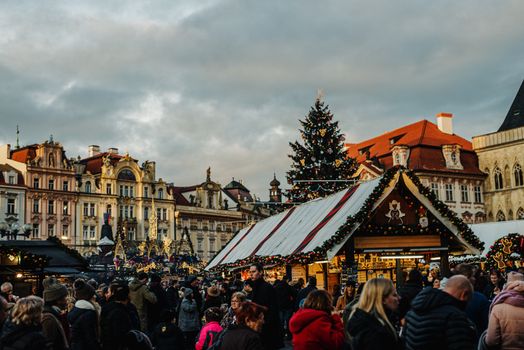
Prague's Christmas markets are undeniably popular, and the Old Town Square can get packed. But here's the secret: Prague is a city of many markets, and if you know where to look, you can still find that intimate, authentic Czech festive spirit away from the main tourist crush.
While the main markets at Old Town Square and Wenceslas Square are beautiful, venture a little further to places like Náměstí Míru (Peace Square) or Tylovo Náměstí for a truly local experience. These markets cater more to residents, offering traditional crafts, genuine Czech treats, and a more relaxed atmosphere.
Why it's a secret gem:
It's about how you experience Prague. By strategically choosing your markets and timing, you can avoid the overwhelming crowds and discover the city's quieter, more traditional side. It's a chance to see beyond the postcard and connect with local traditions.
My personal highlight:
Finding a cozy market at Náměstí Míru, nestled in front of the stunning Church of St. Ludmila. The smaller scale meant I could actually chat with the vendors, learning about their craft. I tried trdelník (a sweet pastry cooked over an open flame, similar to chimney cake but often filled with ice cream or chocolate) from a stall where the dough was being freshly prepared, and it was a revelation. It felt like my secret Prague.
Practical tips:
* When to go: Late November to early January.
* What to eat/drink: Trdelník, klobása (sausage), langos, vánočka (braided bread), svařené víno (mulled wine), medovina (honey wine).
* What to buy: Bohemian crystal, wooden toys, traditional Czech puppets, handmade lace, local ceramics.
* Cost estimate: Trdelník ~€4-6, mulled wine ~€3-4, crafts vary but generally good value.
* Pro tip: Visit the Náměstí Míru market in the early evening on a weekday for the most authentic and least crowded experience.
Why Ditch the Influencer Hotspots?
Beyond the sheer joy of discovering something new, choosing these less-trodden paths offers tangible benefits:
- Authenticity: You're more likely to find genuinely handmade crafts, local culinary delights, and traditions that haven't been sanitized for mass tourism.
- Fewer Crowds: While popular, these markets generally experience less overwhelming foot traffic, allowing for a more relaxed and enjoyable visit.
- Better Value: Your money often goes further in Central and Eastern European cities, meaning more mulled wine, more unique souvenirs, and more festive cheer for your budget.
- Unique Experiences: From thermal baths in Budapest to medieval magic in Tallinn, these destinations offer cultural nuances you won't find anywhere else.
- Support Local: By choosing these markets, you're often directly supporting local artisans and small businesses, contributing to the preservation of traditional crafts.
Practical Tips for Your Secret Christmas Market Adventure
- Book Ahead: Even for "secret" markets, flights and accommodation around the holiday season fill up fast.
- Dress in Layers: European winters can be chilly! Thermal underwear, warm socks, waterproof boots, a good hat, gloves, and scarf are essential.
- Carry Cash: While cards are accepted at many places, smaller market stalls might prefer cash, especially for quick purchases like food and drinks.
- Learn a Few Phrases: "Děkuji" (Czech for thank you), "Prosím" (please), "Ahoj" (hello) – a few local words go a long way.
- Go Early or Late: Weekday mornings or late evenings (just before closing) are often the least crowded times.
- Wander Off the Beaten Path: Don't stick to just the main square. Explore side streets and smaller squares; you might find a hidden gem!
- Be Open to Everything: Try new foods, listen to local music, chat with vendors. Embrace the unexpected!
Unwrap Your Own Festive Story
The magic of Christmas isn't found in a perfectly filtered photo or a viral Reel; it's found in the scent of gingerbread on a frosty night, the warmth of a spiced wine shared with loved ones, the discovery of a truly unique handmade gift, and the feeling of stepping into a centuries-old tradition.
These markets beyond Germany offer all that and more. They invite you to slow down, to connect, and to experience the holidays in a way that feels genuinely personal and profound. So, this year, skip the influencer-approved checklist. Pack your bags, open your heart, and go create your own unforgettable Christmas story.
Which of these secret gems will be your next festive adventure? Share your thoughts and any other hidden Christmas market treasures you've discovered in the comments below!
---